One of the most brutal realizations in healing is that the parent you thought was safe never actually was. It’s the moment you go from “I had one bad parent and one good one” to realizing you were alone in that house the whole time. Today I’m sharing how I finally came to terms with this with my own mom, the wounds this parent tends to leave, and what healing actually looks like when the parent who failed you is the one you loved. What this episode explores ▪️ Types of Less Harmful Parents - How identifying which kind of less harmful parent you had turns a vague sense that something was off into the specific ways you were left unprotected, and why the harm is so easy to miss when what they did was nothing. ▪️ Facing the “Safe” Parent - Why coming to terms with this parent can be more destabilizing than facing the one who hurt you: it doesn’t just add to the harm, it takes away the one person who was proof you were lovable, and “one bad parent, one good parent” becomes a childhood where
⚓JOIN THE SHITSHOW — The Adult Child Healing Community theshitshow.mn.co (http://theshitshow.mn.co/) Check out Omaha Steaks and use my code BEEF for a $35 off: https://www.omahasteaks.com (https://www.omahasteaks.com/) ️ SIGN UP FOR SHITSHOW NATION ️ Join here (https://adultchildpodcast.substack.com/) ♀️ SUPPORT THE POD ️ Shop Shitshow Merch (http://www.adultchildpodcast.com/shop) CONNECT WITH ANDREA TikTok → @adultchildpod (http://www.tiktok.com/@adultchildpod) YouTube → @adultchildpod (https://www.youtube.com/@adultchildpod) Privacy & Opt-Out: https://redcircle.com/privacy
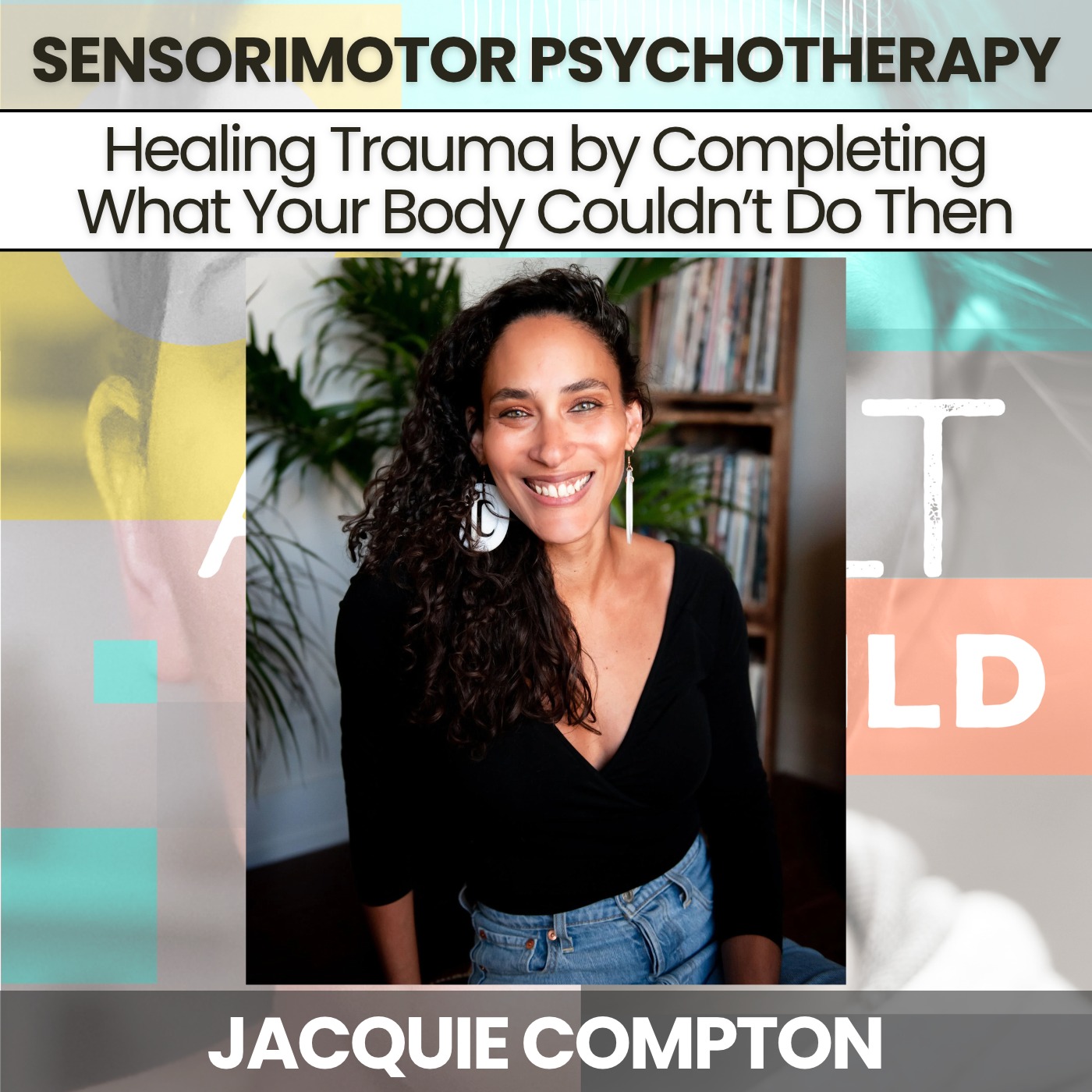
Your story is only half of it. The other half is the storyteller, and that’s your body. Jacquie Compton (https://www.thegroundedheart.com/) is a Toronto-based registered psychotherapist and art therapist, and a trainer with the Sensorimotor Psychotherapy Institute, with 20 years of experience in trauma work. As a little girl whose mother was often seriously ill, she couldn’t fall asleep at night, because she believed that if she stayed awake, her mom wouldn’t die. This is a conversation about how sensorimotor psychotherapy works with the body as the storyteller, and how trauma can heal without having to relive the whole story. What this episode explores ▪️ What Is Sensorimotor Psychotherapy - How it pairs talk therapy with what your body is communicating through sensation, movement, posture, and gesture, and why the relationship with your therapist is as central to the work as any technique. ▪️ Completing Fight or Flight - Why the actions that usually don’t get to happen during trauma
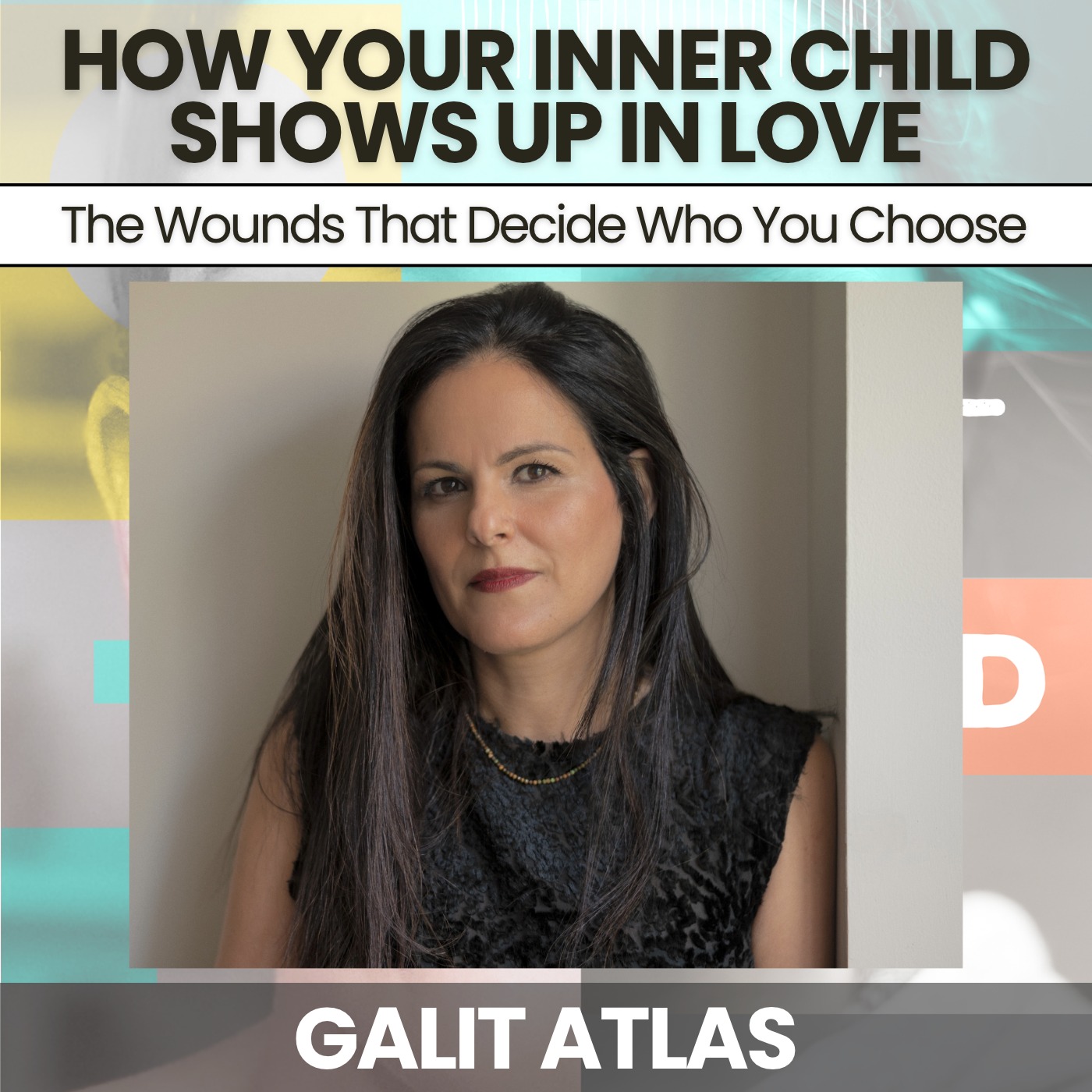
Everything that helped you survive childhood costs you something as an adult. Love is usually where you pay. Dr. Galit Atlas (https://www.galitatlas.com/) is a psychoanalyst, an NYU faculty member, and author of Emotional Inheritance (https://www.amazon.com/Emotional-Inheritance-Therapist-Patients-Legacy-ebook/dp/B093ZPV3RG/?_encoding=UTF8&content-id=amzn1.sym.ac827e48-2948-4721-83ef-3e7648ac35cb&pd_rd_r=bc9c4cdf-2274-42ae-935a-30f16ca5c177&pd_rd_w=CoZVm&pd_rd_wg=VQQDo&pf_rd_p=ac827e48-2948-4721-83ef-3e7648ac35cb&pf_rd_r=136-5369340-6061969) and her new book, Come Closer: Childhood Wounds, Adult Love, and the Secrets of Emotional Intimacy (https://www.amazon.com/dp/1668067145?crid=DUZWVUV012EV&ref=nb_sb_ss_w_atc-single-asin_k2_1_11&sprefix=come+closer). As a kid, her closest friend was her diary, because it would never hurt her, disappoint her, or leave. This is a conversation about the six wounded inner children we carry into adulthood, and why love is where they show up the loudest.