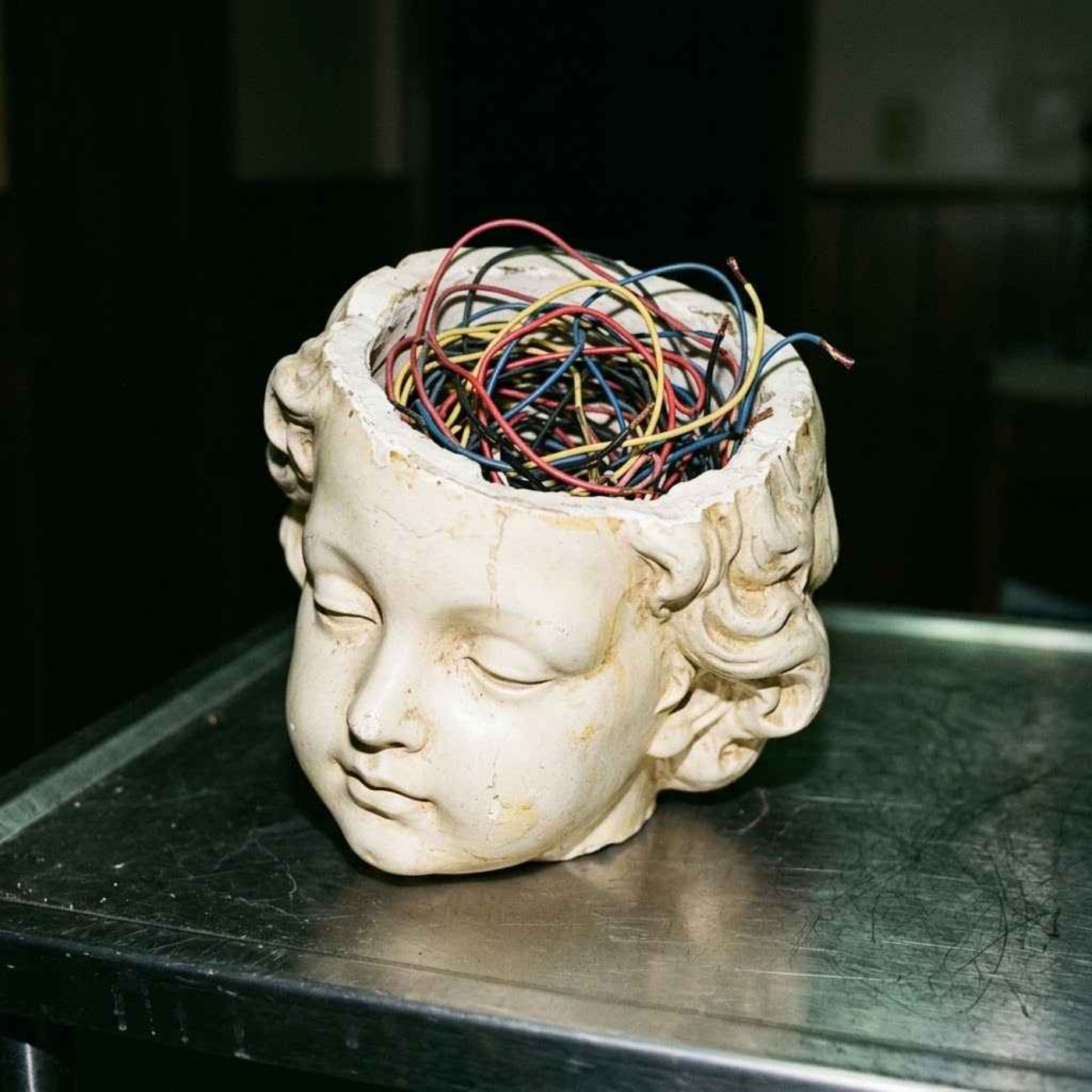
On the forgotten art of communion and the spiritual transformation that only love can bring. We’ve spent so much of our lives searching for spiritual understanding. Studying the mystics, exploring the mysteries of consciousness, collecting revelations that promise to change us. And all the while, the people we love have been waiting for us to put down our books and join them in the life we’re already living. This is an intimate audio exploration of the initiatory power of love, the sacred art of communion, and the transformation of human perception. The mystics understood that there are truths the intellect can't reach alone. They must be lived. They ask us to surrender our certainty, let go of our need for constant control, and allow ourselves to be changed by another. The deepest alchemy takes place in the human heart. The sacred marriage is consummated in the way we live, in our willingness to love what we can't fully understand. There is a lifetime of spiritual practice waiting for
There’s a tragic irony to living in an age when almost every spiritual teaching ever recorded is available to us, yet so many of us struggle to sit quietly with God for even ten minutes. We devote years or even decades of our lives studying consciousness and constructing elaborate explanations of reality. I know because I’ve spent much of my adult life doing exactly that. And then, every so often, you come across a book that makes you wonder how much of your spiritual life you’ve spent thinking about the experience of God while avoiding the experience itself. The Cloud of Unknowing was written by an anonymous Christian mystic in fourteenth-century England, and reading it felt like receiving a loving but very much-needed slap in the face. The author has an almost comical impatience with our tendency to complicate things. Beneath the beautiful medieval imagery is a wildly simple teaching about the limits of intellectual knowledge and the possibility of approaching God through love. In th
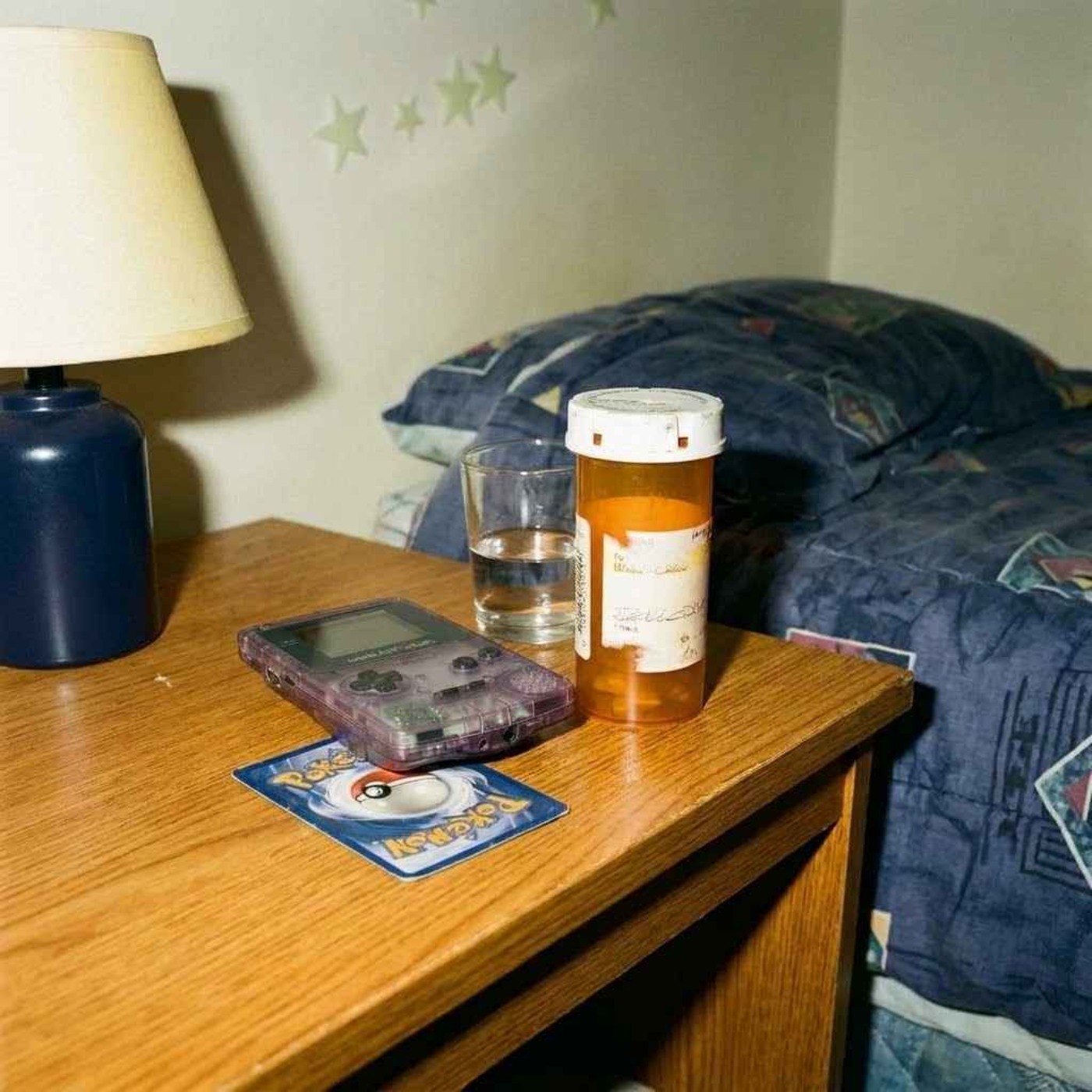
Cameron LaBar was nine years old when he was prescribed Paxil. Twenty-six years later, he’s still taking antidepressants, measuring his daily dose of Lexapro with a tiny oral syringe as he attempts to taper off medication he’s taken for nearly his entire remembered life. He’s thirty-five now, with no previous experience of adulthood without psychiatric drugs. The question he’s been living with now is painfully simple: Who would I have been? Known online as Cold Plunge Cam (https://www.instagram.com/coldplungecam/?hl=en), Cameron has spent years documenting his experience with psychiatric medication and withdrawal. His story raises difficult questions about childhood prescribing, informed consent and the explanations we give people about their own suffering. It also reveals how deeply a medical diagnosis can influence someone’s understanding of themselves, especially when that explanation is introduced before they’re old enough to question it. Joining Cam is Danish clinical psychologist
Are we thinking ourselves into a new dark age? We’ve spent the better part of seventy years trying to understand ourselves through psychology. We know about attachment styles, childhood trauma, unconscious motivations, and all the reasons we supposedly behave the way we do. We’ve diagnosed our exes, analyzed our childhoods, and built an entire industry around the promise that knowing ourselves better will help us live better lives. And yet, despite everything we’ve learned, we seem increasingly unsure about what makes life meaningful in the first place. In 1957, an American psychologist called Ira Progoff wrote an introduction to a medieval Christian mystical text called The Cloud of Unknowing. He was troubled by how readily modern psychology dismissed centuries of knowledge about the human mind simply because that knowledge came from religious traditions. Reading his observations nearly seventy years later, I was struck by how little some of our underlying assumptions have changed, ev