If you are lying awake at 3 a.m., soaked in sweat, or ready to snap at someone for chewing, this one is for you. Neuroscientist and Muse co-founder Ariel Garten explains what happens to sleep when estrogen and progesterone leave the room. They walk through the stages of sleep, why researchers think deep sleep helps the brain clear out the day’s waste, and practical ways to get more of it, from a consistent sleep window to a cooler bedroom to neurofeedback. Then they say the quiet part out loud: female rage. As Ariel puts it: “I’m feeling the sensation not because my husband is being an idiot or because my kids are annoying. I’m feeling the sensation because there is an internal biochemical process happening that is amplifying the world around me.” OUR SPONSORS * PIQUE LIFE (https://piquelife.com/better) - Experience Transformative Results. Start your daily ritual today and elevate your morning and evening routine at https://piquelife.com/better * BEARABY (https://bearaby.com/) - Find a
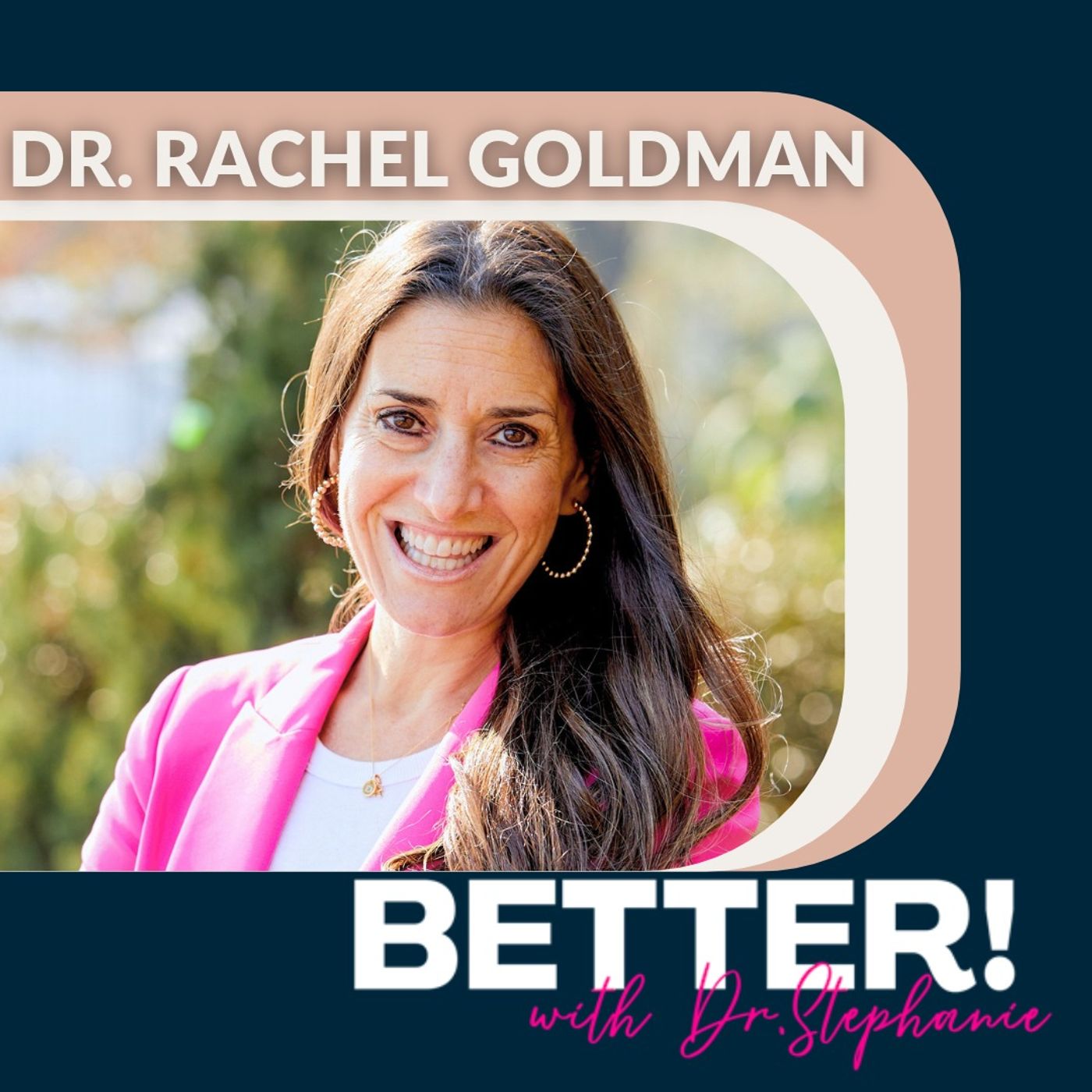
Do you divide carbs, fats, and calories into whether they are “good” and “bad?" This episode with Dr. Rachel Goldman, a clinical psychologist and cognitive behavioural therapy specialist, will separate physiological hunger from emotional hunger and consider why many women carry disordered eating patterns from their teens and 20s—just as those methods lose effectiveness. "It's the thought that follows the behaviour that's more important than the behaviour." The cookie is rarely the problem. The shame spiral after it is. This episode explores reading hunger signals, using a coping toolbox and a 10-minute pause to curb impulsive eating, rejecting food morality, and restoring pleasure via mindful eating and the raisin exercise. It examines when fasting becomes restriction—particularly for perimenopausal women—and addresses food noise, GLP-1s, avoiding speculation on celebrity bodies (and discussing them with children), supporting loved ones, and escaping societal appearance pressures. OUR