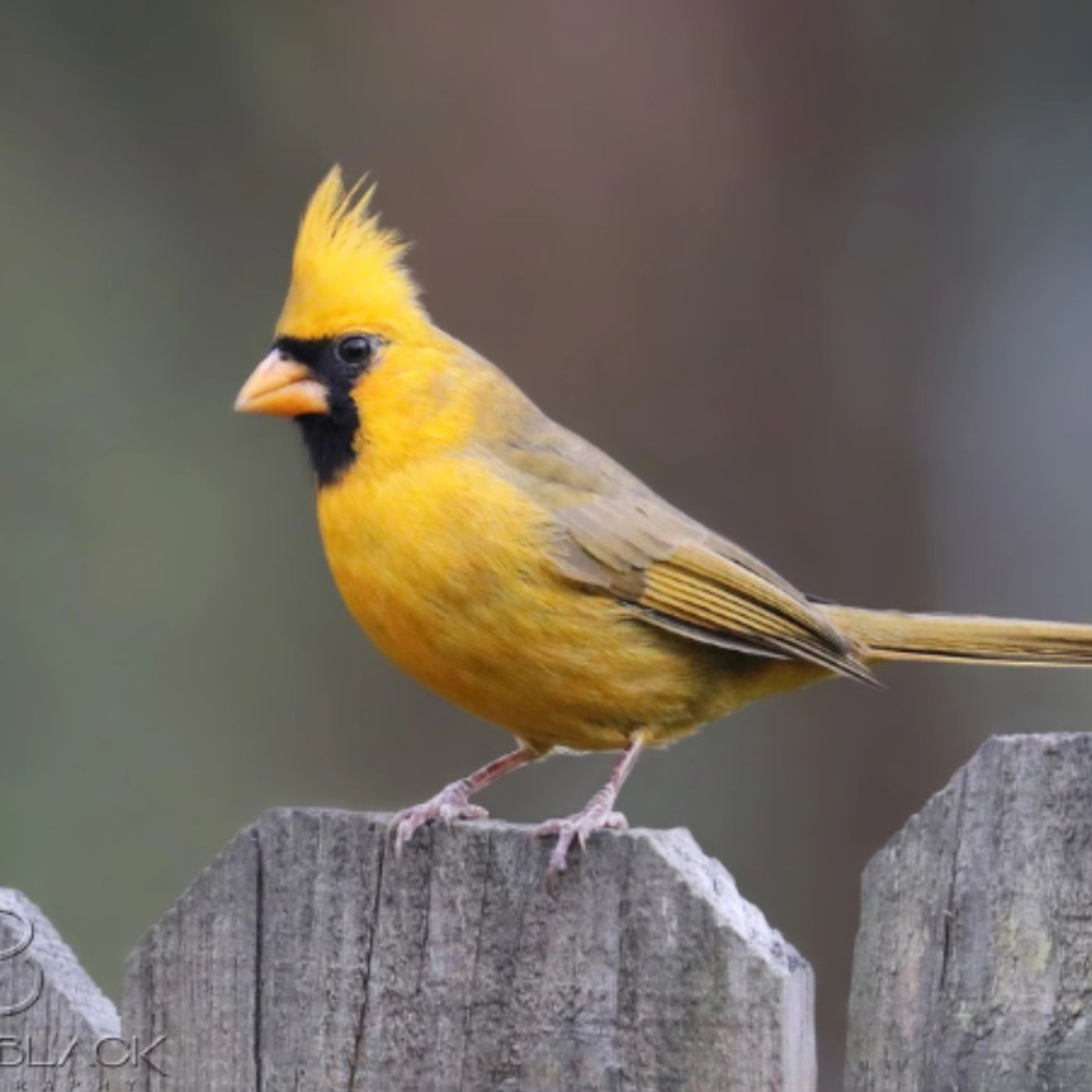
Northern Cardinals are known for their iconic red feathers, yet that scarlet hue is actually derived from yellow pigments in their food. Most cardinals’ bodies transform those yellow pigments into their signature shade of red, but some lack this ability — resulting in a bright yellow bird. House Finches, Red-bellied Woodpeckers, and other notably red species can also develop an unexpectedly golden complexion. So keep an eye out for all the shades of variation in well-known birds. More info and transcript at BirdNote.org (https://www.birdnote.org/podcasts/birdnote-daily/bright-yellow-northern-cardinals). Want more BirdNote? BirdNote is a nonprofit. Hosted by Simplecast, an AdsWizz company.
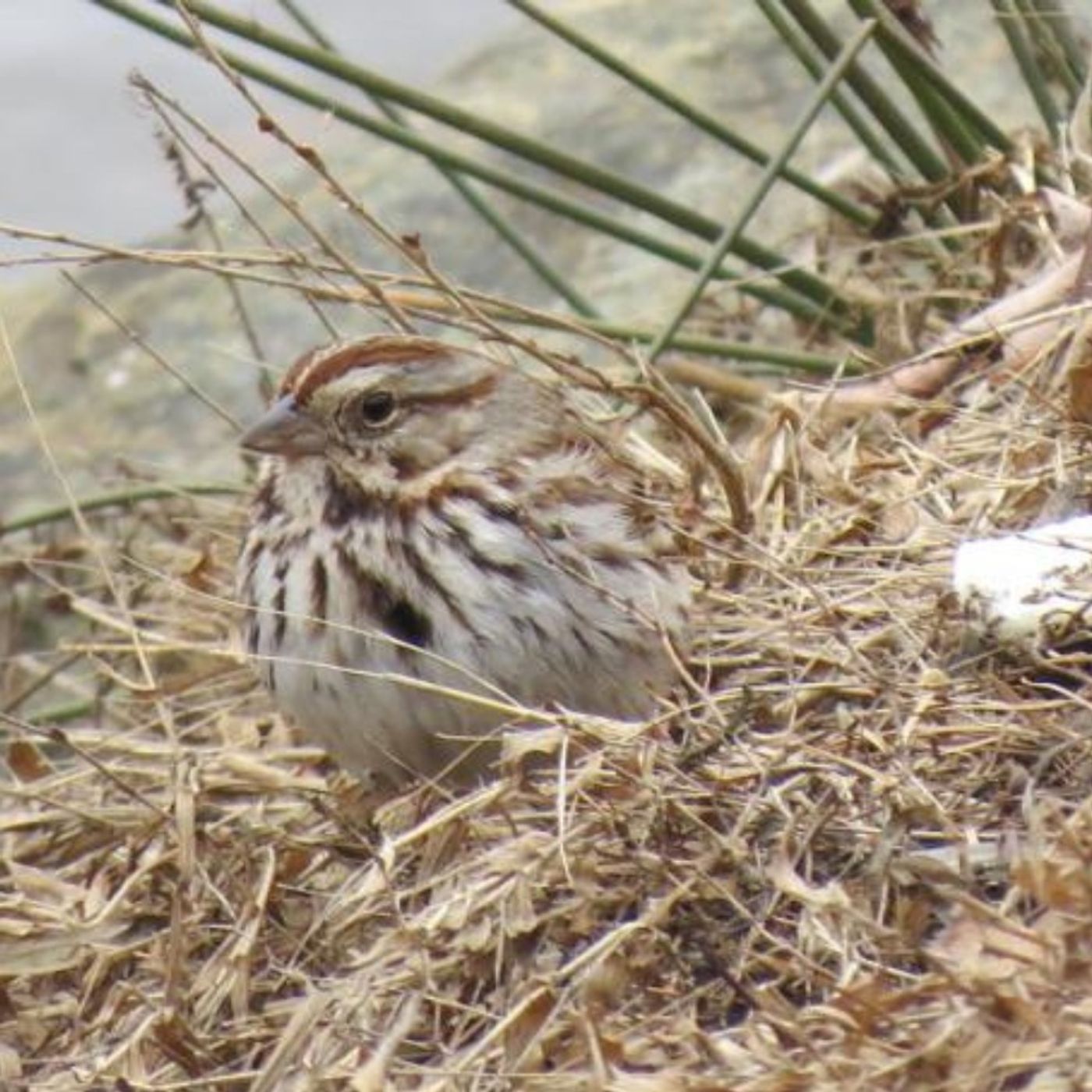
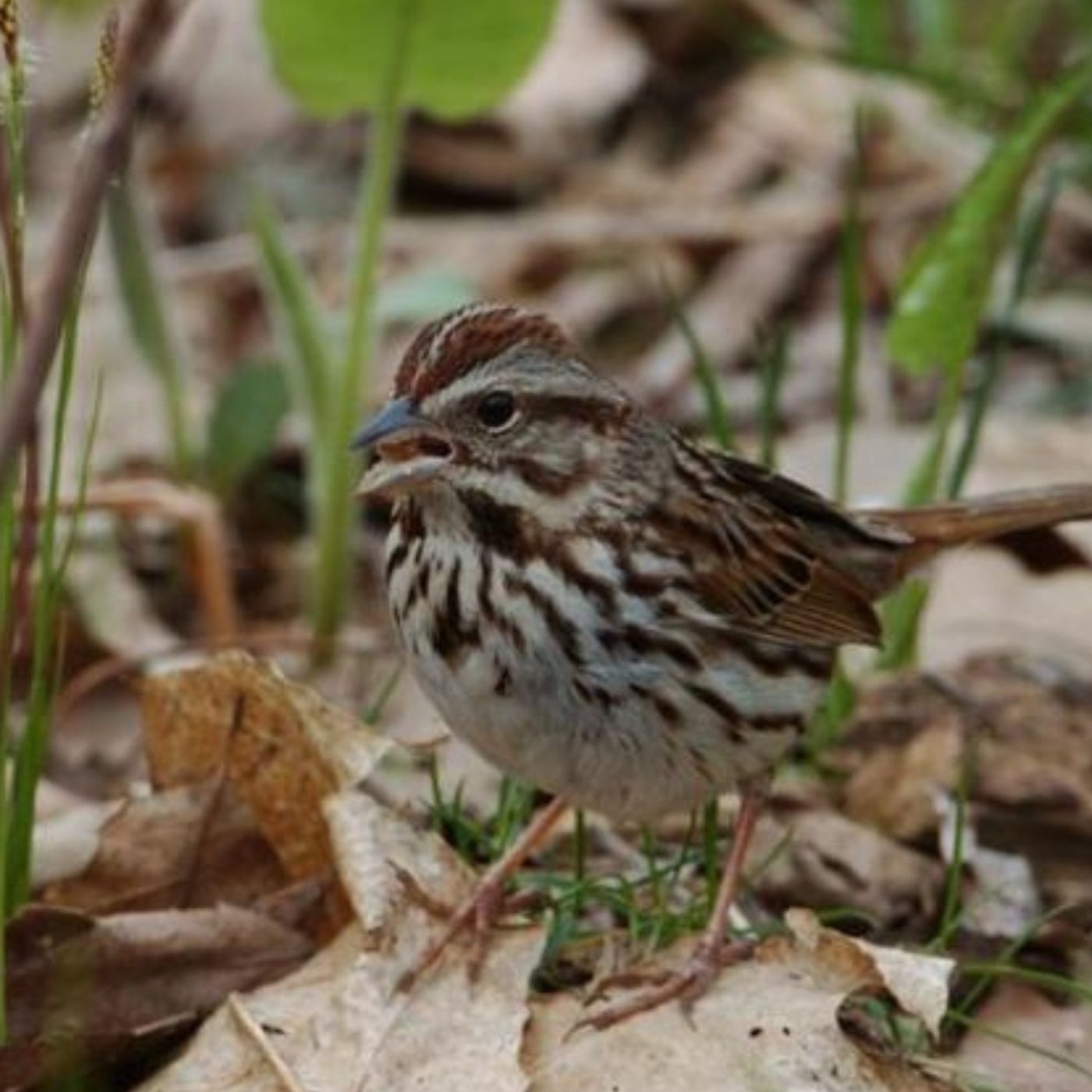
To help backyard birds through the winter, do less. Leave the leaves or rake them under plantings. The tasty insects and spiders underneath will be food for the towhee and this Song Sparrow. Don’t deadhead. Pine Siskins and goldfinches love to snack on dead flowerheads. Make an insect hotel out of natural objects, flower pots, or other “found” items to create hidey holes for insects. They will become food for wrens and other birds. More info and transcript at BirdNote.org (https://www.birdnote.org/podcasts/birdnote-daily/leave-leaves). Want more BirdNote? BirdNote is a nonprofit. Hosted by Simplecast, an AdsWizz company.
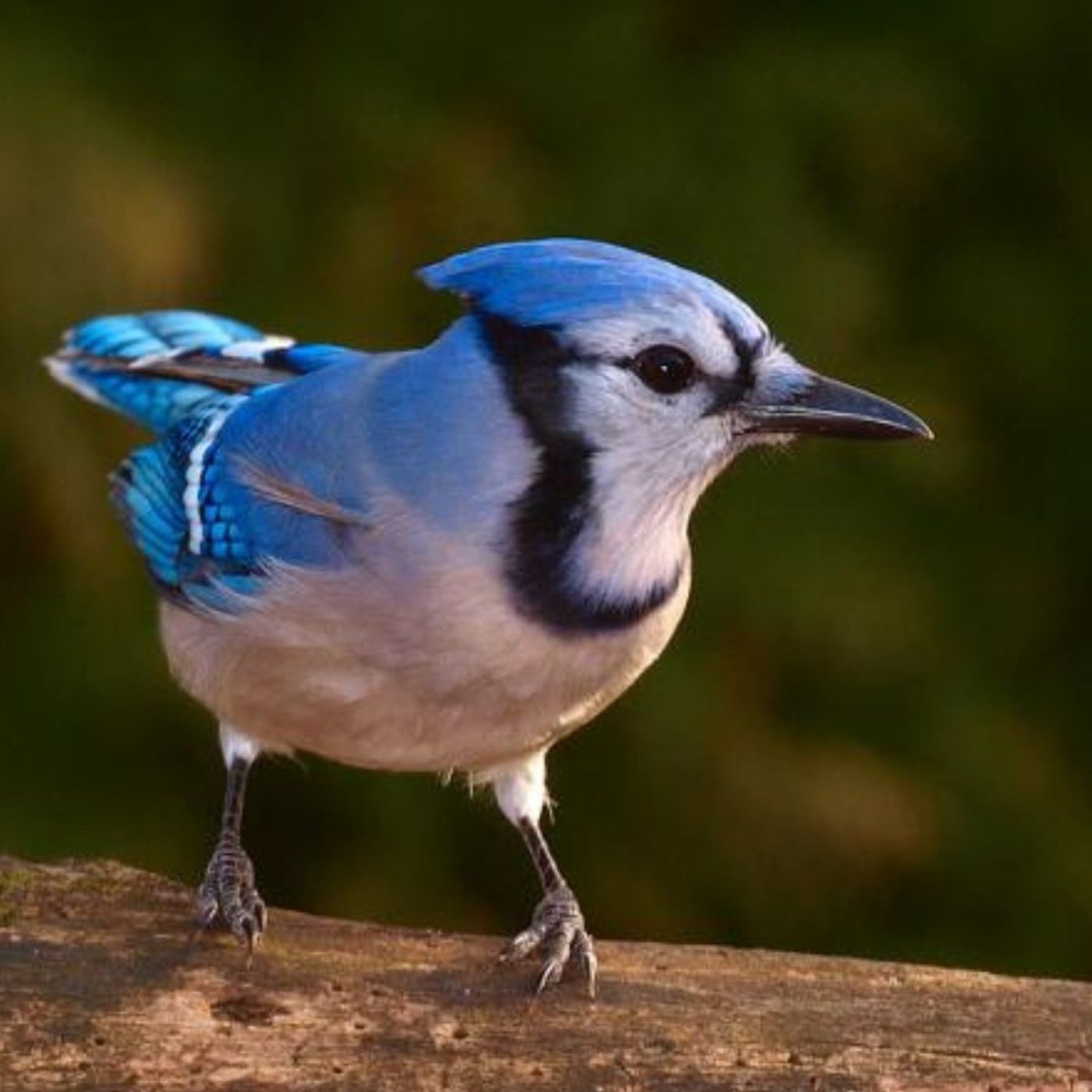
In an ornithology class in college, Corina Newsome was introduced to the Blue Jay. After this, Corina was determined to learn about the world of birds she had never noticed before. She went on to study avian ecology and now works in the field professionally, where she shares her passion with others. More info and transcript at BirdNote.org (https://www.birdnote.org/podcasts/birdnote-daily/spark-bird-corina-newsome-meets-blue-jay). Want more BirdNote? BirdNote is a nonprofit. Hosted by Simplecast, an AdsWizz company.
Put your winter garden to work as a haven for birds. Leaves and brush left to compost provide foraging and roosting places, smother this year’s weeds, and feed next spring’s plant growth. Watch for juncos and towhees in the leaf litter and wrens in the brush. Maybe even a Song Sparrow! With a little planning, your garden can be a haven for birds year round. More info and transcript at BirdNote.org (https://www.birdnote.org/podcasts/birdnote-daily/birds-winter-garden). Want more BirdNote? BirdNote is a nonprofit. Hosted by Simplecast, an AdsWizz company.
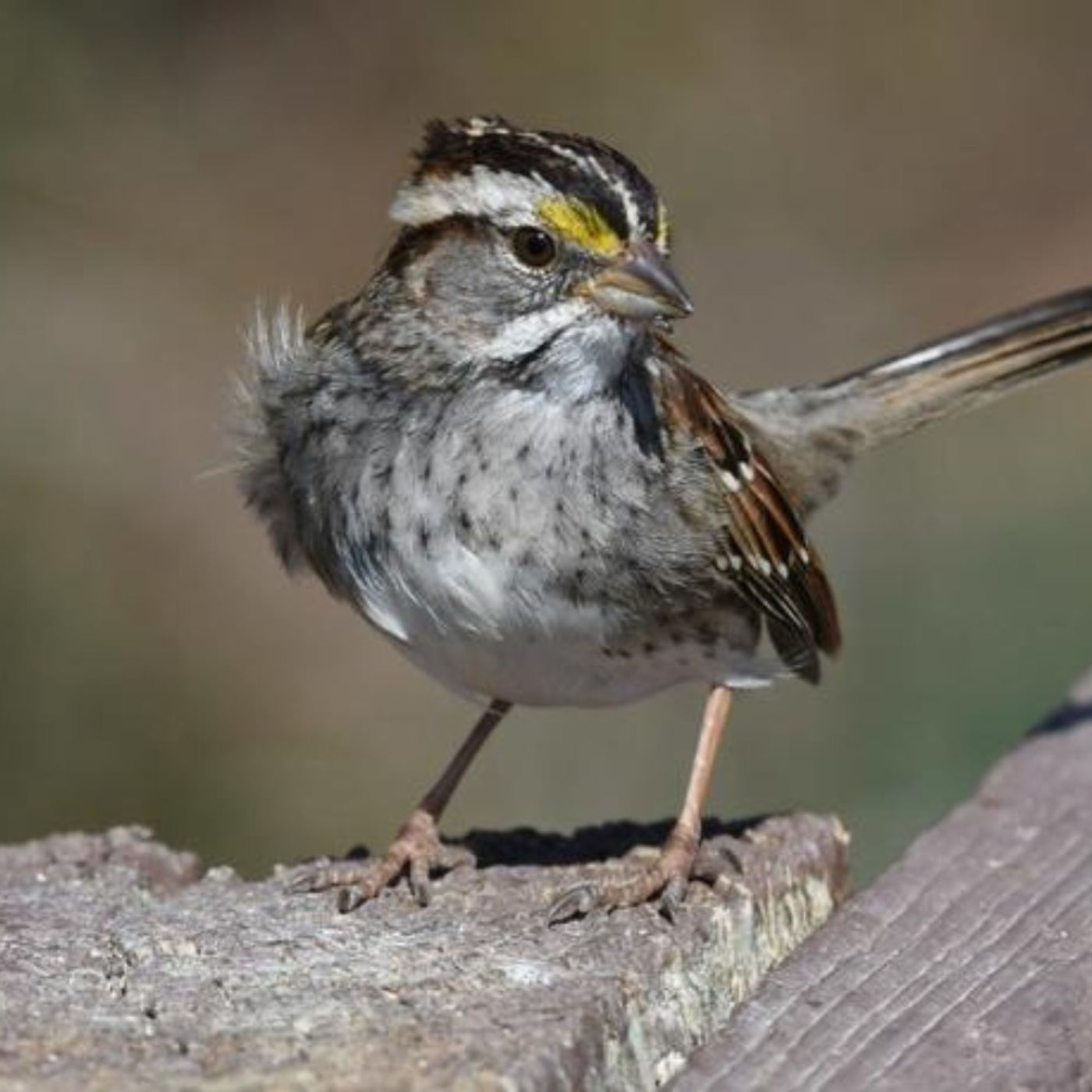
The White-throated Sparrow’s melancholy whistle is hauntingly beautiful. But when you hear an adult sparrow performing, just know that the bird wasn’t always an expert singer. In the fall, listen for White-throated Sparrows rehearsing their song. Inexperienced young birds sometimes begin with disorganized jumbles of notes known as sub-songs. As winter deepens, the first-year birds begin to get the syllables of their songs down, but they might sound shaky and off-key. But by summer, hopefully, all the new adult birds will be virtuosos. More info and transcript at BirdNote.org (https://www.birdnote.org/podcasts/birdnote-daily/hear-white-throated-sparrows-learning-sing). Want more BirdNote? BirdNote is a nonprofit. Hosted by Simplecast, an AdsWizz company.
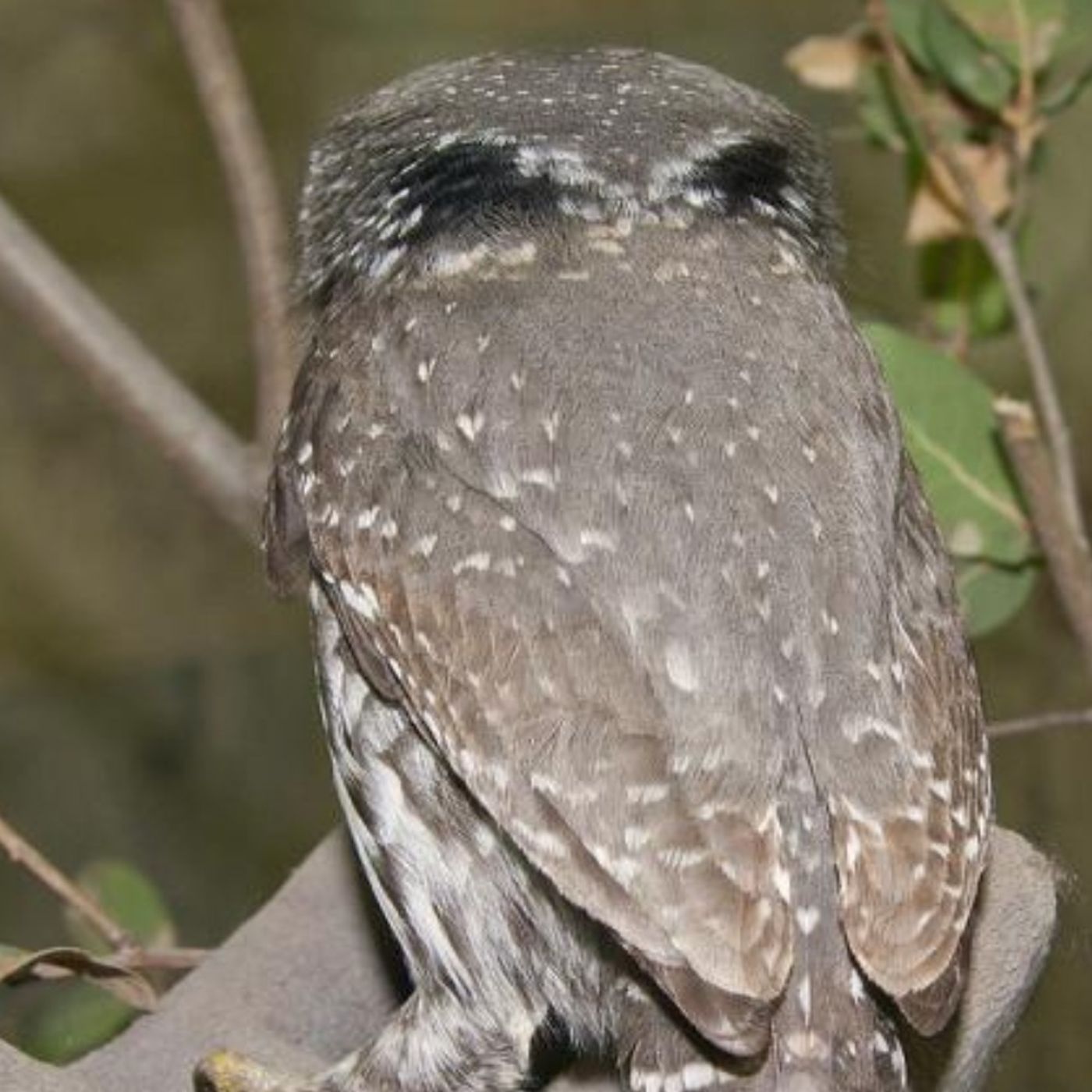
This Northern Pygmy-Owl appears to have eyes in the back of its head. But why? One theory is that large false eyes may create the illusion that the owl is much bigger than its 6 and 3/4-inch size. A more current theory is that the false eyes help protect the pygmy-owl's true eyes. Small birds will mob this diurnal owl, even striking it, directing some attacks at its eyes. If the large false eyes can take the brunt of these attacks, little harm will come to the Pygmy-Owl's vulnerable true eyes. ¡Escuche este episodio en BirdNote en Español (https://www.birdnote.org/podcasts/birdnote-en-espanol/los-ojos-falsos-de-los-tecolotes-serranos)! More info and transcript at BirdNote.org (https://www.birdnote.org/podcasts/birdnote-daily/pygmy-owls-false-eyes). Want more BirdNote? BirdNote is a nonprofit. Hosted by Simplecast, an AdsWizz company.
Everybody’s heard of a gaggle of geese and a covey of quail. But what’s a group of penguins called? And a “conspiracy” of ravens? Maybe the way we label birds says more about us than it does about them. More info and transcript at BirdNote.org (https://www.birdnote.org/podcasts/birdnote-daily/convocations-coveys-and-charms). Want more BirdNote? BirdNote is a nonprofit. Hosted by Simplecast, an AdsWizz company.
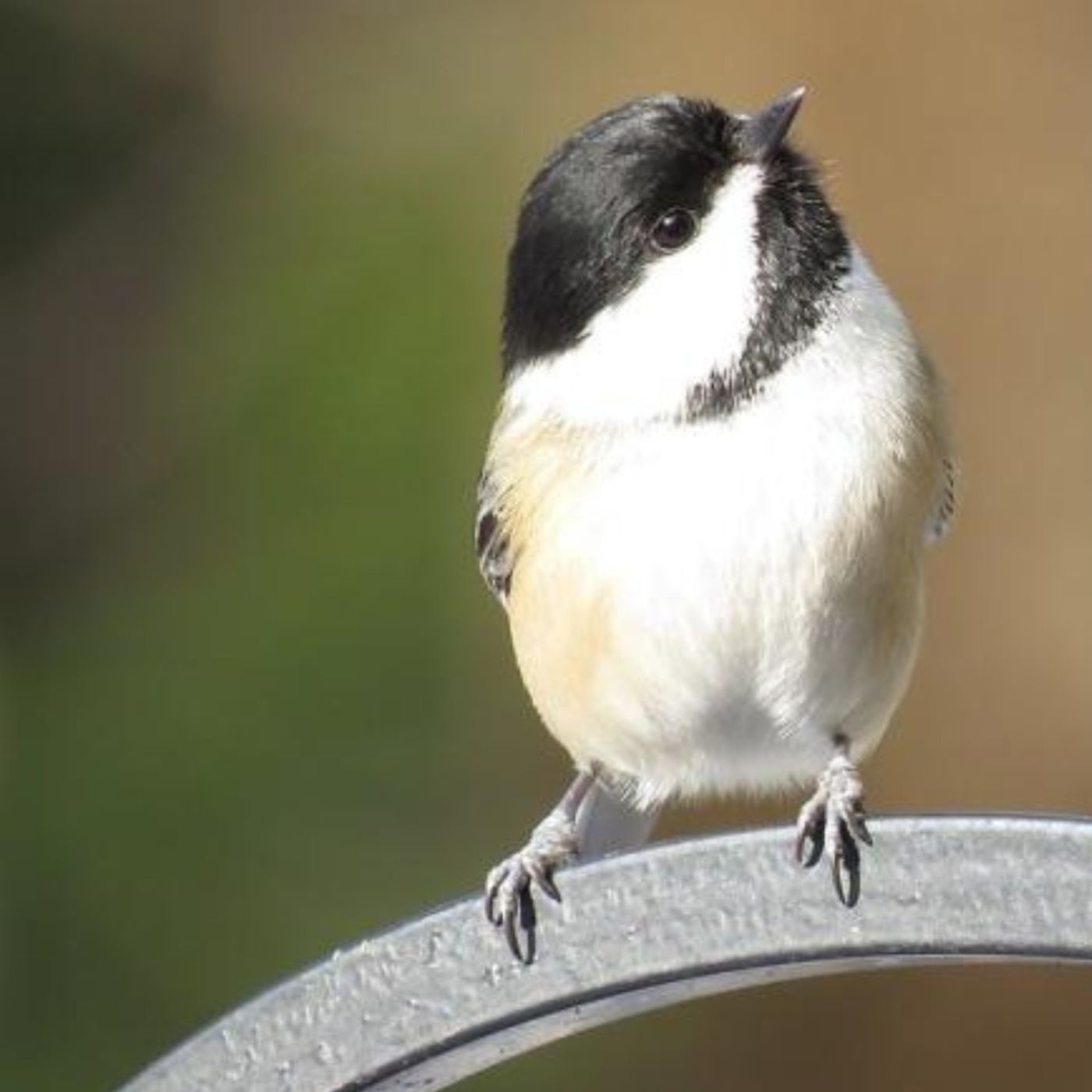
As the colder months arrive, birds that remain in northern climates face the harsh realities of staying warm and finding food. Some birds approach the food problem by storing it in advance — a behavior called caching. Chickadees, nuthatches, jays, and some woodpeckers are known to cache large supplies of seeds in many places. But what enables birds such as this Black-capped Chickadee to find the seeds they’ve stored? They amplify spatial memory. More info and transcript at BirdNote.org (https://www.birdnote.org/podcasts/birdnote-daily/chickadee-brains-are-bigger-cold). Want more BirdNote? BirdNote is a nonprofit. Hosted by Simplecast, an AdsWizz company.
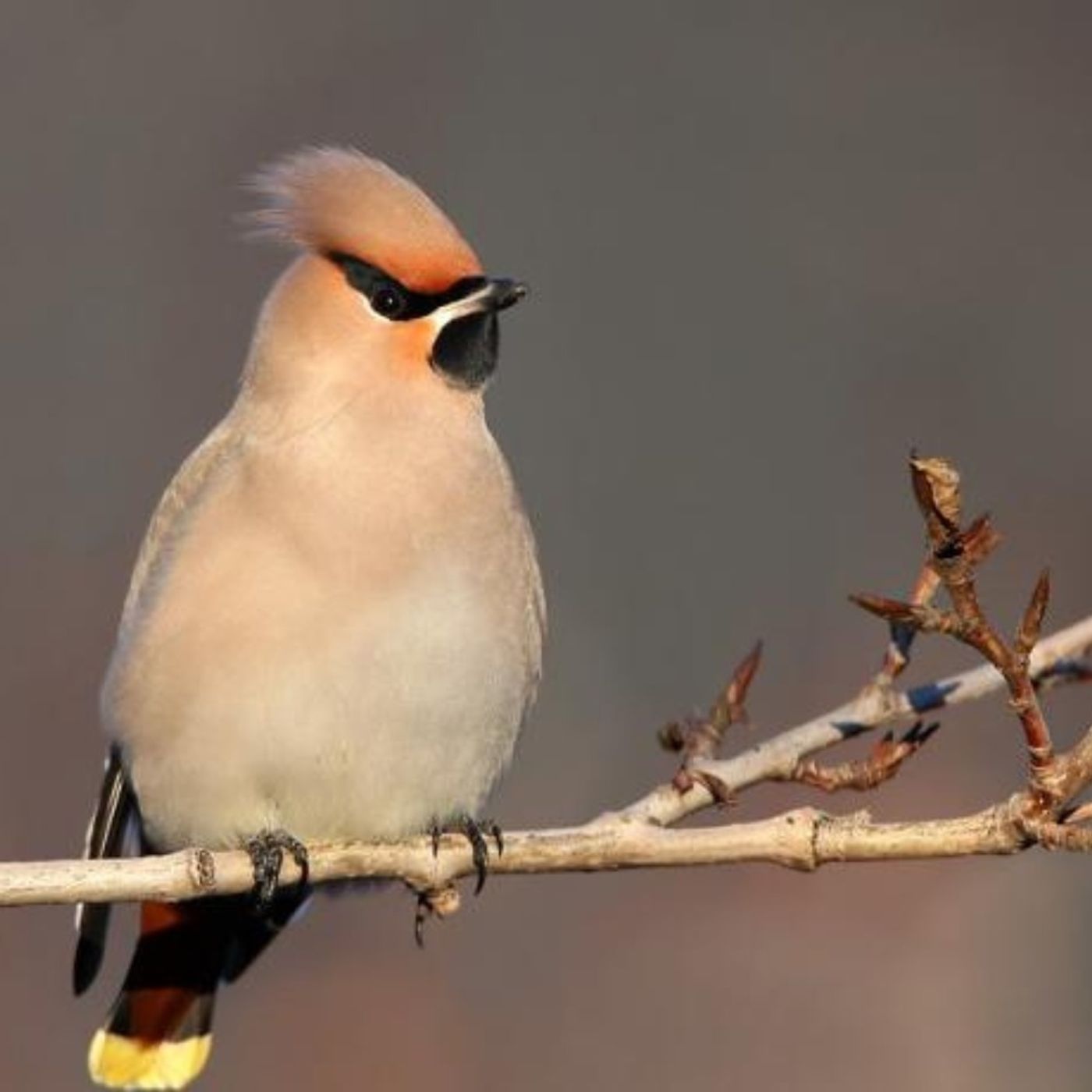
The warm colors and bright accents of the Bohemian Waxwing might make you think it glows in the dark. For the better part of two thousand years, that’s what people believed. Pliny reported that their feathers “shine like flames” in the dark forests of central Europe. The Germans allegedly used captive birds to light their way at night. But at the end of the sixteenth century, the great Italian birdman Ulysses Aldrovandi dismissed the notion that waxwings emit light. Today, we are fortunate that these winter nomads brighten our days. More info and transcript at BirdNote.org (https://www.birdnote.org/podcasts/birdnote-daily/waxwing-nightlight). Want more BirdNote? BirdNote is a nonprofit. Hosted by Simplecast, an AdsWizz company.
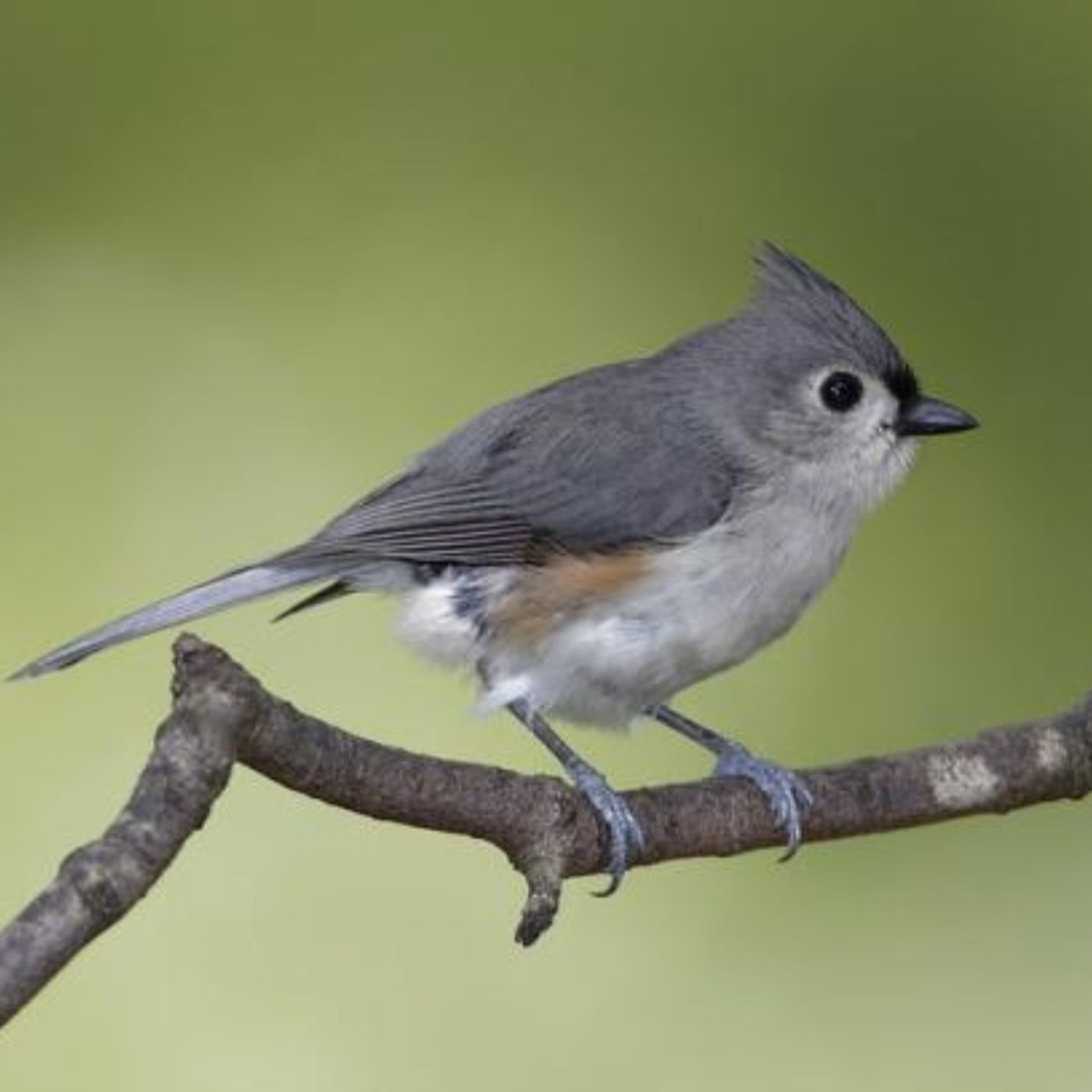
In winter, many songbirds join flocks made up of multiple species that travel around looking for food, benefitting from safety in numbers. But a bird flock that doesn't move in the same direction soon scatters to the wind. It turns out that the Tufted Titmouse, a small gray songbird, is often the one leading the flock. Researchers studying the flight paths of flocks found that the paths taken by the titmice best reflected the direction of the group as a whole, compared to other species in the group. This was especially true when the flock moved quickly between sites, when staying organized is key. More info and transcript at BirdNote.org (https://www.birdnote.org/podcasts/birdnote-daily/titmice-lead-way). Want more BirdNote? BirdNote is a nonprofit. Hosted by Simplecast, an AdsWizz company.
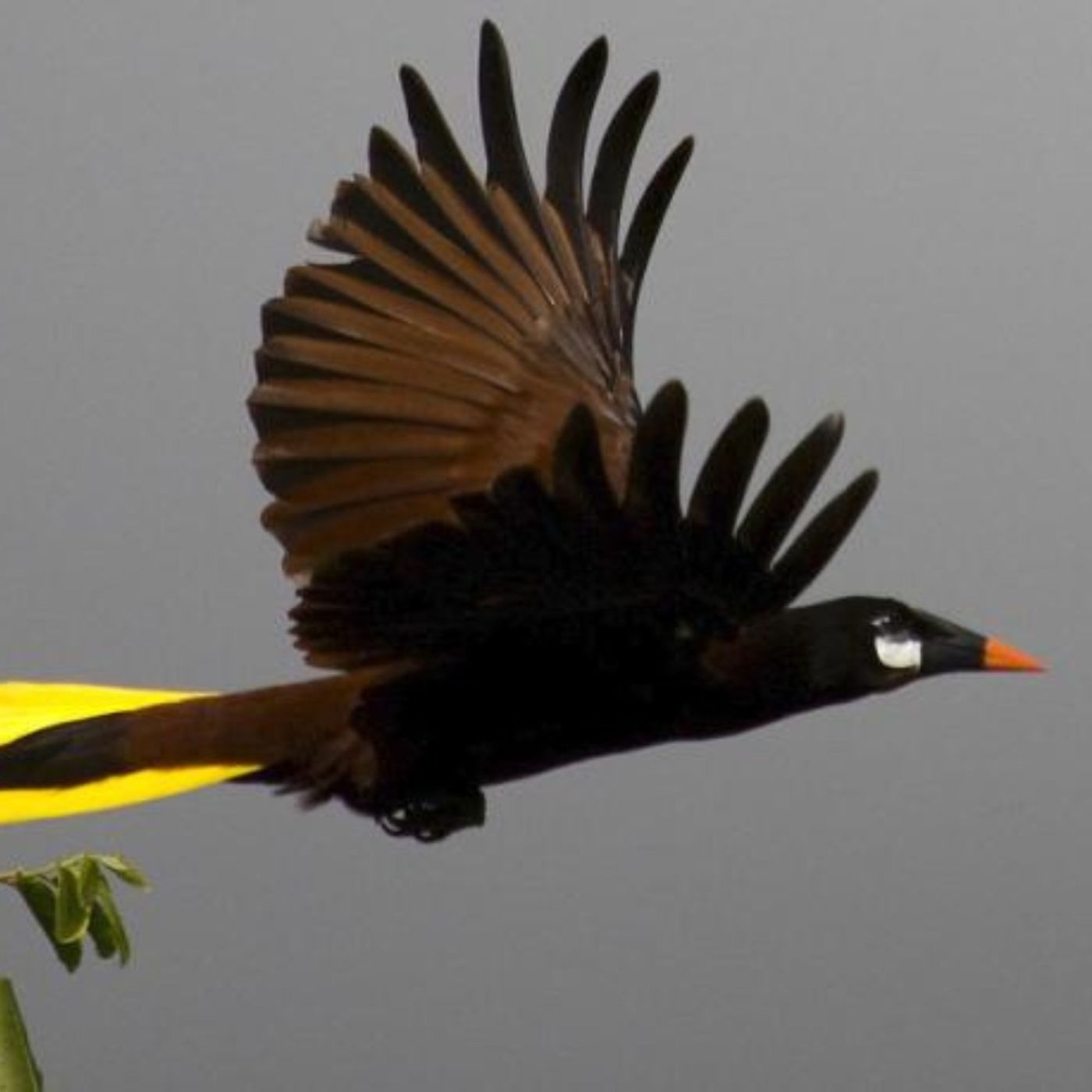
In a clearing where an ancient Mayan city once stood, the Montezuma Oropendola perches and sings. His courtship display is astonishing: he swings by his feet and sings, his tail describing a golden pendulum – the very source of his name in Spanish – oropendola. ¡Esuche este episodio en BirdNote en Español (https://www.birdnote.org/podcasts/birdnote-en-espanol/oropendola-de-moctezuma)! BirdNote is supported by The Cornell Lab of Ornithology (https://allaboutbirds.org/), dedicated to conserving Earth’s biodiversity through education and science. More info and transcript at BirdNote.org (https://www.birdnote.org/podcasts/birdnote-daily/montezuma-oropendola-golden-pendulum). Want more BirdNote? BirdNote is a nonprofit. Hosted by Simplecast, an AdsWizz company.
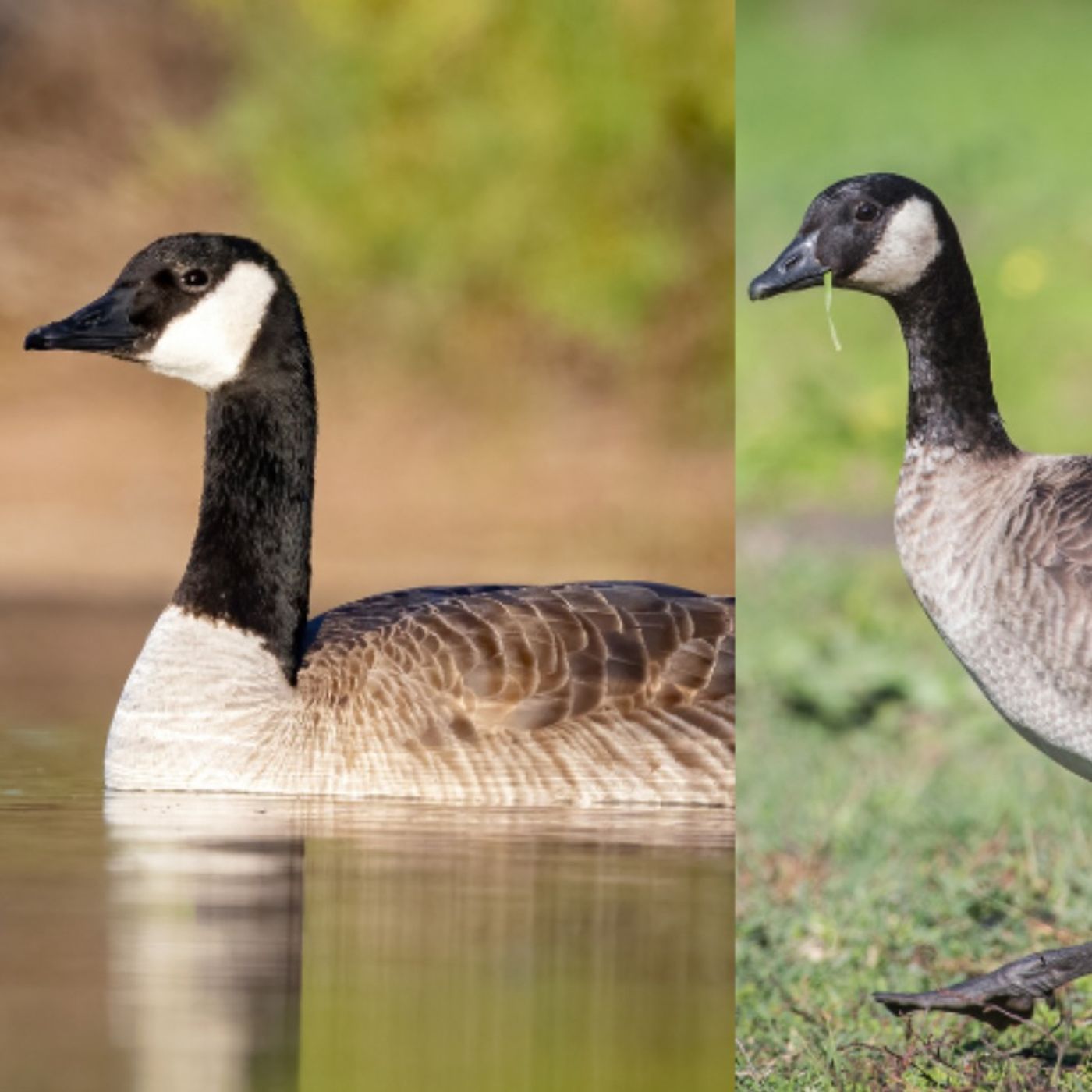
If you’re a new birder and find yourself feeling confused by lookalike birds, don’t be too hard on yourself. Some bird species look almost identical, and some of the most advanced birders get stumped. More info and transcript at BirdNote.org (https://www.birdnote.org/podcasts/birdnote-daily/birding-101-dont-get-discouraged-lookalikes). Want more BirdNote? BirdNote is a nonprofit. Hosted by Simplecast, an AdsWizz company.
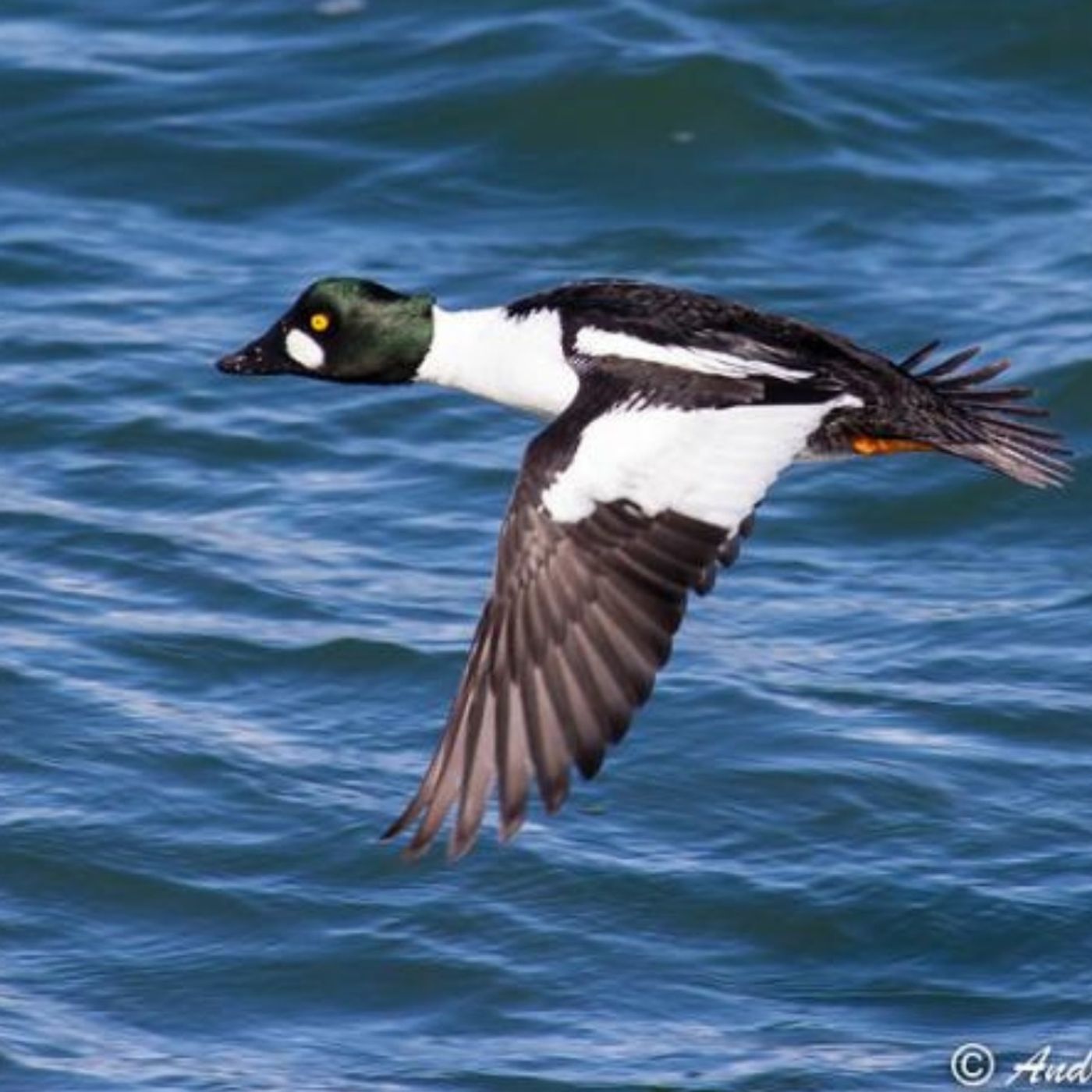
On a still winter afternoon, you may hear Common Goldeneyes flying low across the water. Whistlers, their wings sibilant, make the sound – as Ernest Hemingway wrote – of ripping silk. Common Goldeneyes nest in cavities, in northern boreal forests. More info and transcript at BirdNote.org (https://www.birdnote.org/podcasts/birdnote-daily/goldeneyes-and-whistling-wings). Want more BirdNote? BirdNote is a nonprofit. Hosted by Simplecast, an AdsWizz company.
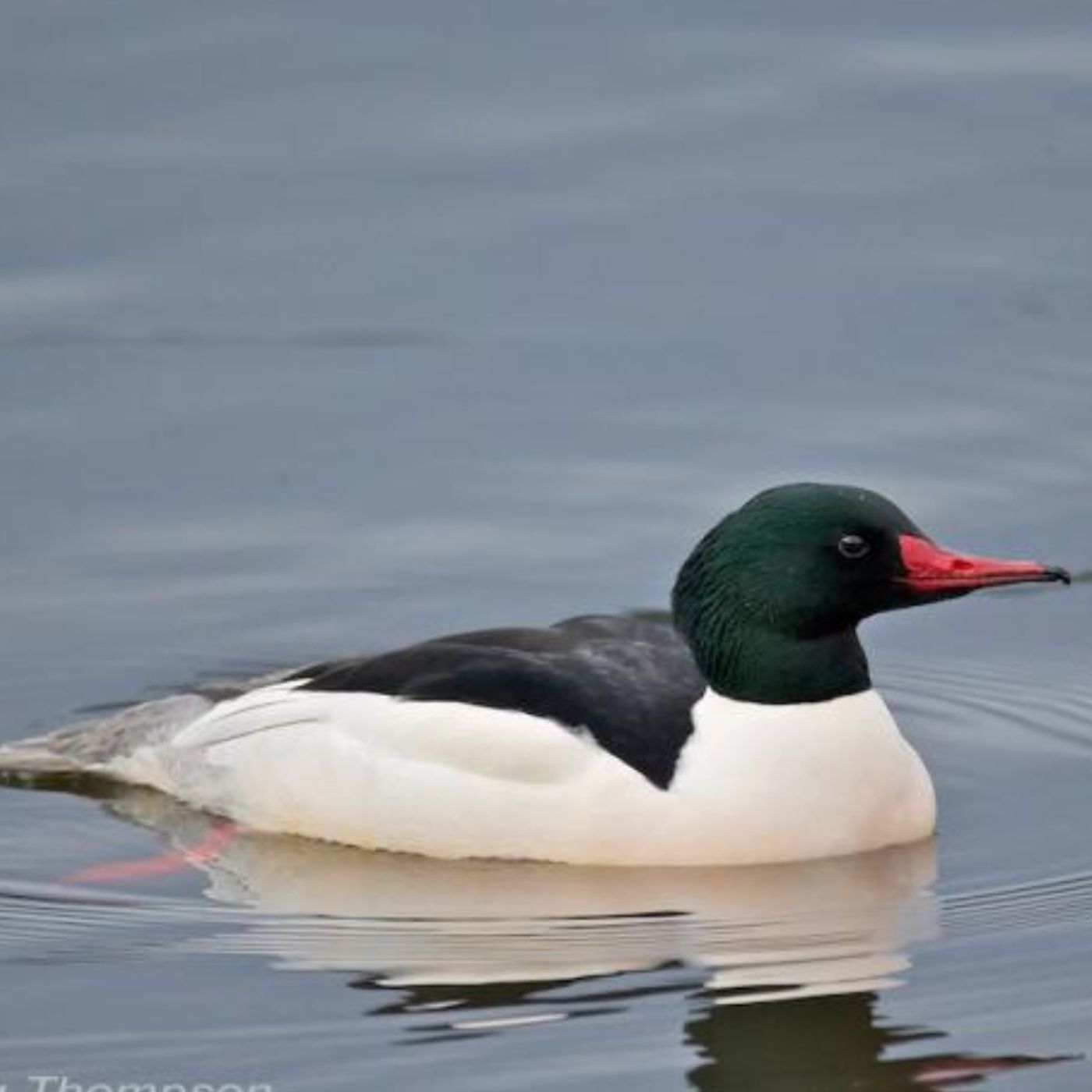
Around this time of year, Common Mergansers cross the U.S.-Canadian border on their way to wintering grounds in the Lower 48. But how do they know when to go? Ducks are well insulated against frigid winter temperatures, but mergansers can find their fishy prey only by diving below the surface of open water. So they’re doing just fine, resting and feeding in southern Canada, until a thin veneer of ice forms on their lake, signaling the time has arrived to head south! More info and transcript at BirdNote.org (https://www.birdnote.org/podcasts/birdnote-daily/common-mergansers-pushed-ice). Want more BirdNote? BirdNote is a nonprofit. Hosted by Simplecast, an AdsWizz company.
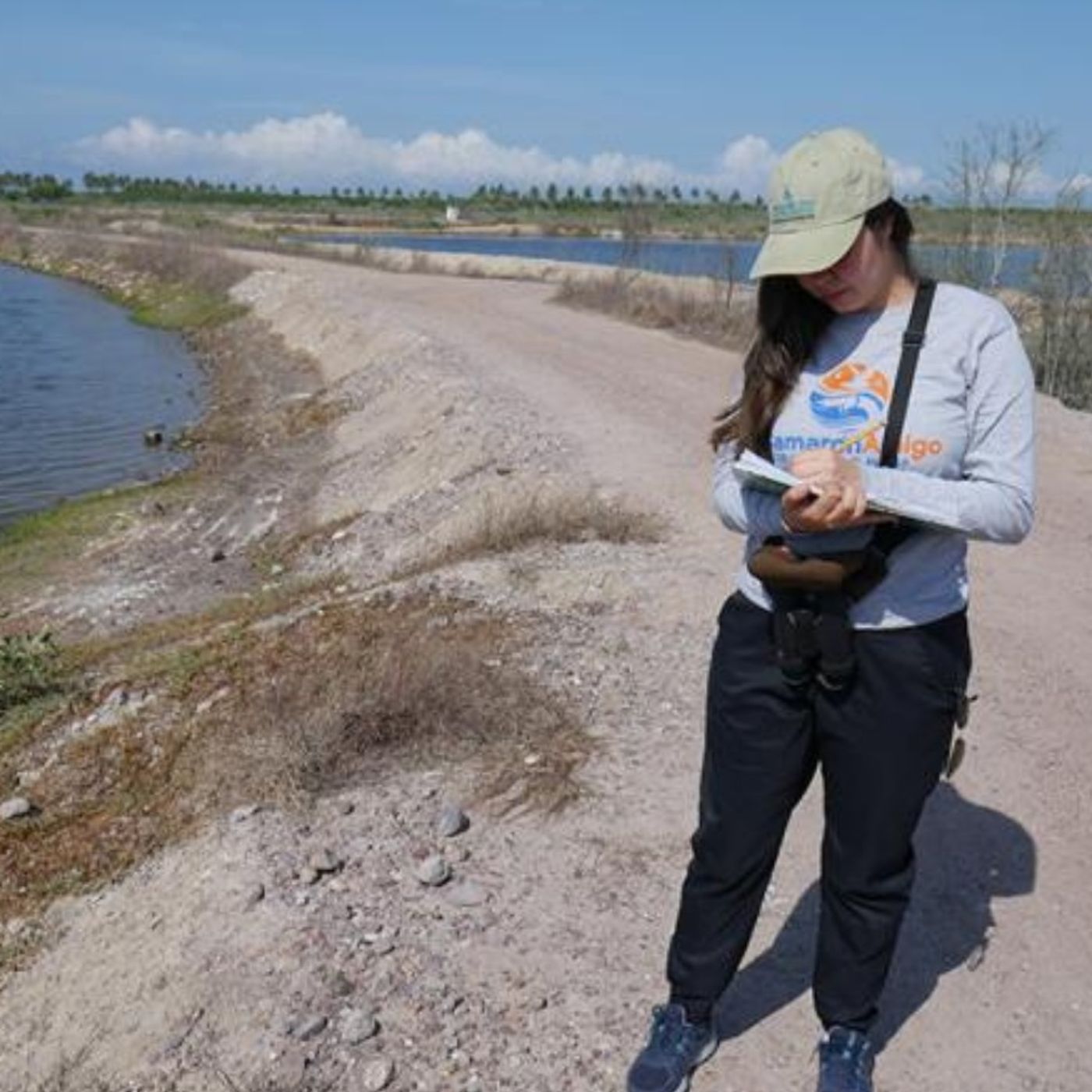
Along the coast of Sinaloa in México, there are species of shorebirds with one of the longest migrations in the Western Hemisphere. One such species is the Western Sandpiper, here known as el playerito occidental, wants to eat. But wetland habitats where they find their food are affected by the shrimp farming industry. Juanita Fonseca works with the Western Hemisphere Shorebird Reserve Network and with Manomet, creating guidelines that help shrimp farmers share the coastline with shorebirds. Listen to this episode in Spanish here (https://www.birdnote.org/podcasts/birdnote-en-espanol/la-migracion-invernal-del-playerito-occidental). More info and transcript at BirdNote.org (https://www.birdnote.org/podcasts/birdnote-daily/western-sandpipers-winter-migration). Want more BirdNote? BirdNote is a nonprofit. Hosted by Simplecast, an AdsWizz company.
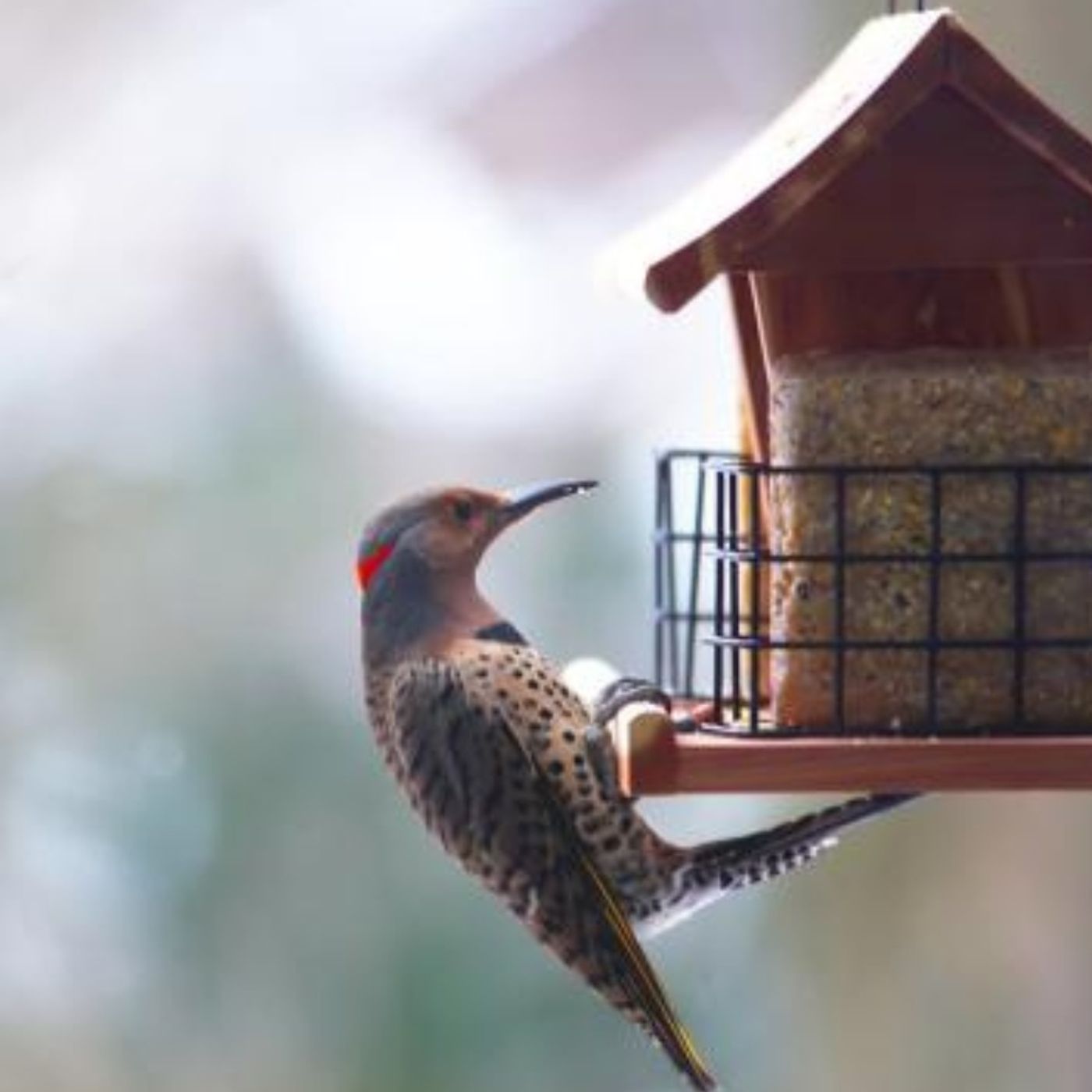
In the opening lines of Moby Dick, the narrator, Ishmael, confesses to "a damp, drizzly November in my soul." One sure way to brighten November's damp and drizzly mood is to welcome birds into your yard with birdfeeders. Black-oil sunflower seed is especially popular. Hang suet in a wire cage to attract a Northern Flicker like this one. Then, just add water, and you're all set. BirdNote is supported by The Cornell Lab of Ornithology (https://allaboutbirds.org/), dedicated to conserving Earth’s biodiversity through education and science. More info and transcript at BirdNote.org (https://www.birdnote.org/podcasts/birdnote-daily/bird-feeders-and-whaling-ships). Want more BirdNote? BirdNote is a nonprofit. Hosted by Simplecast, an AdsWizz company.
Acclaimed ornithologist and writer J. Drew Lanham’s obsession with birds began when he was a kid, when he wished to take flight alongside them. He tried out cardboard wings and an umbrella, trying to defeat gravity. He kept refining his designs and finding better jump-off spots. He eventually gave up on trying to fly, but he never stopped loving birds. More info and transcript at BirdNote.org (https://www.birdnote.org/podcasts/birdnote-daily/spark-bird-drew-lanham-takes-flight). Want more BirdNote? BirdNote is a nonprofit. Hosted by Simplecast, an AdsWizz company.
University of Puget Sound professor and BirdNote science advisor Peter Hodum studies seabird conservation. And he says that if you can’t do something to address a problem, find someone who can. More info and transcript at BirdNote.org (https://www.birdnote.org/podcasts/birdnote-daily/how-help-birds-are-far-away). Want more BirdNote? BirdNote is a nonprofit. Hosted by Simplecast, an AdsWizz company.
Every November, duck callers flock to Stuttgart, Arkansas to compete in the annual World Championship Duck Calling Contest. Hunters traditionally use calls to lure in ducks by imitating the quacks and chattering of wild birds enjoying good habitat. But competition callers demonstrate their skills with a much broader repertoire. In this episode, 2025 World Champion Hayes Kibe describes what it’s like to blow for glory after becoming the youngest person to take first at just 15-years-old. More info and transcript at BirdNote.org (https://www.birdnote.org/podcasts/birdnote-daily/calling-ducks-champ). Want more BirdNote? BirdNote is a nonprofit. Hosted by Simplecast, an AdsWizz company.