My mom was staying with me when I taped this episode last week, and when I came downstairs, she said: "that was a lot of laughing." It's true: when I get together with two of the smartest people writing about television today — people I've known since grad school, when we were just naïfs getting up in the replies of established critics — I'm going to laugh a lot. This episode entertains, but it also allows us to explore the craggy, often crappy depths of the current TV landscape with two critics who spend much more time watching what's available than I do. Have the streamers totally disinvested in writing? Why doesn't Apple TV advertise? Is Netflix just basic cable? Why is the pacing so bad in so many otherwise great shows? And what good stuff are we missing? You're gonna love this one. Thanks to the sponsors of today's episode: Starting November 19, visit AuraFrames.com (https://auraframes.com/) and get up to $50 off select frames, plus an additional $5 off your order with the promo c
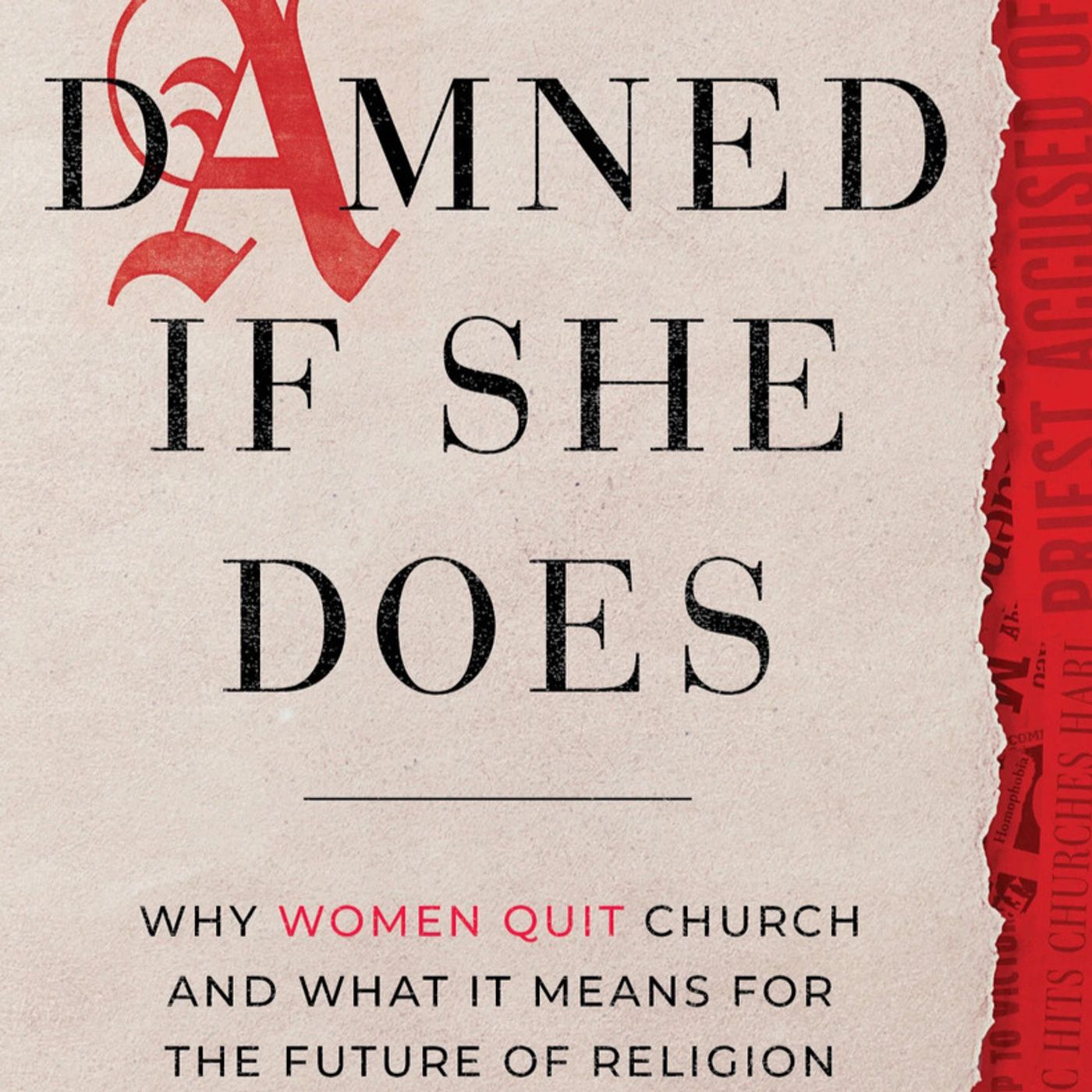
If you've ever attended a Christian church, you know that place might be led by men — but it's run by women. Women making the coffee hour cookies. Women making the felt banners that hang at Easter. Women showing up, tithing, and singing in the choir. Women are the core constituency of the Christian church — and for the first time in history, young women are leaving the church at higher rates than men. Journalist Sarah Stankorb (https://www.sarahstankorb.com/) has spent years talking to women about all the reasons they've left the church. Some left because of how their leaders handled the pandemic. Others left because of Trump, or the refusal to grapple with sexual abuse in the church, or Black Lives Matter — or a dozen reasons that come together into a loss of faith, either in God or the institution of which they'd been a part. For this episode, we explore those reasons for leaving, but also ask: what's the future of the Christian church in America? What becomes of these spaces when an
Last week, Anne went on Slate's podcast about internet culture, ICYMI (https://slate.com/podcasts/icymi). The conversation felt very in line with what we talk about on Culture Study, so we're dropping this episode in your feed as a special weekend treat. Enjoy! The “tradwives” are retreating. Nara Smith went on Call Her Daddy to renounce any association with the term, and has been in the middle of a full-on rebrand as the promotes her new cookbook. Other figureheads, like Hannah Neeleman aka Ballerina Farm, are taking a step back to put their business first. Meanwhile, the actual former tradwives are suffering. On today’s episode, host Kate Lindsay is joined by author and Culture Study host Anne Helen Petersen to talk about why these women are making such public shifts, and what happens when the word “tradwife” loses all meaning. Hosted by Simplecast, an AdsWizz company.
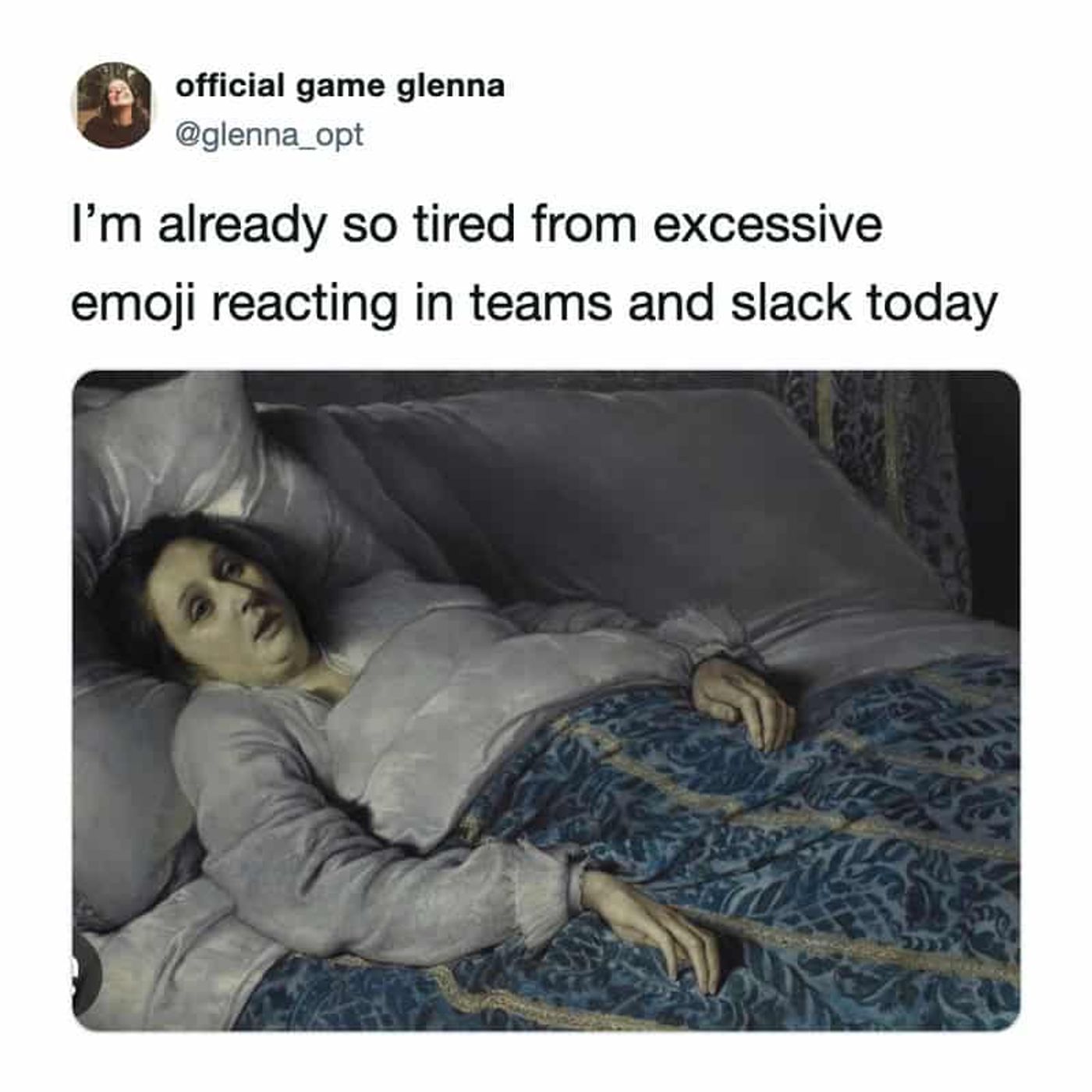
Coworkers using AI to respond to emails written using AI. Coworkers who put the entire email, in caps, in the subject line. Other coworkers who seemingly refuse to use their email at all. Coworkers who send you a Teams Chat, then an email, then a text, then call you on your personal phone. Organization-wide freakouts about moving from Slack to Teams. What made contemporary workplace communication into such a sh*t show — and what can we do about it? Amy Gallo joins us to answer all your questions about annoying, bewildering, and time-sucking coworker comms, and to give some provocative takes on which generation is actually the worst at email. Thanks to the sponsors of today's episode: Don’t miss NOBL’s Biggest Sale of the Year! Thanks to Article for sponsoring this podcast! Article is offering our listeners $50 off your first purchase of $100 or more. To claim, visit ARTICLE.COM/CULTURE (http://article.com/CULTURE) and the discount will be automatically applied at checkout. Taking care