Could a new gene therapy slow the progression of Huntington’s disease? Early results suggested an astonishing 80% reduction in disease progression. But there’s a catch: the evidence comes from just a handful of treated patients, compared with patients from an entirely different study. How can we know whether we're comparing like with like? We dig into the science behind the treatment, the statistical challenges of finding a fair comparison group, and the heated controversy between the drug company and the FDA. Along the way, we take a statistical detour into propensity score matching—and wrestle with a difficult question: How much evidence should we demand when patients are running out of time? Statistical topics External control groups Randomized controlled trials Sham surgery controls Propensity scores Restricted full propensity score matching Inverse probability of treatment weighting (IPTW) Confounding Selection bias Methodologic Morals “Seventeen patients is still 17 patients, no
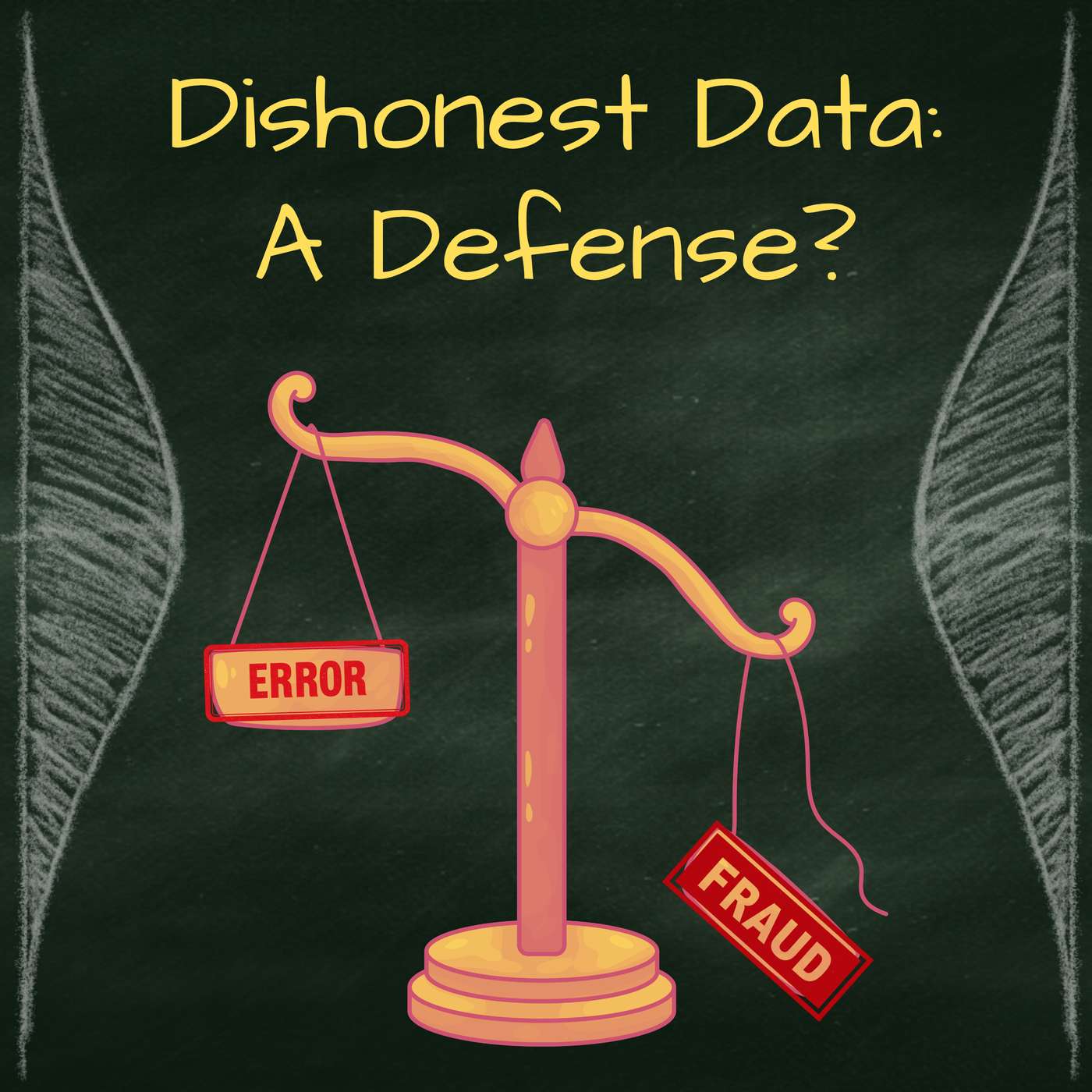
Does cheating make you more creative? A provocative study from Harvard Business School suggested that it does. But data detectives uncovered suspicious patterns in the results, and a Harvard investigation found even more troubling changes in the data. In Part 2 of our investigation into the Francesca Gino research misconduct case, we dig into the now-retracted “Evil Genius” study and the suspicious changes that made its results look better, then turn to Harvard law professor Lawrence Lessig's defense of Gino: Could innocent mistakes by “an army of research assistants” explain what happened? Along the way, we explore the trap of circular reasoning in statistics, why good data management matters, and how much responsibility researchers bear for their data even when it's out of their hands. Statistical topics Statistical sleuthing Data forensics Data integrity Data cleaning Data management Reproducibility Statistical significance Spreadsheets Predictor variables Outcome variables Circular