How do the baffling numbers behind Anthropic’s massive float add up, and can the AI bull market justify a $1.3 trillion valuation? In this episode of The Business, Dominic O’Connell examines the public debut of Anthropic, the company behind the Claude AI assistant, as its shares begin trading on the stock market this week. Joined by veteran analyst Stephen Clapham of Behind the Balance Sheet and Wall Street Journal reporter Corrie Driebusch, we unpack the eye-watering figures inside the prospectus, consider what investors are actually buying into and whether the recent Nvidia scandal will impact demand. “If Anthropic prices it too high – and then the stock market has another bad day on its listing day – shares could fall 10%,” Driebusch said on the show. “As one large fund manager said to me: ‘If we've committed $100 million to Anthropic shares and the stock trades down 10%, there goes my year.’” Clapham stresses the importance of thinking carefully about Anthropic’s corporate strategy
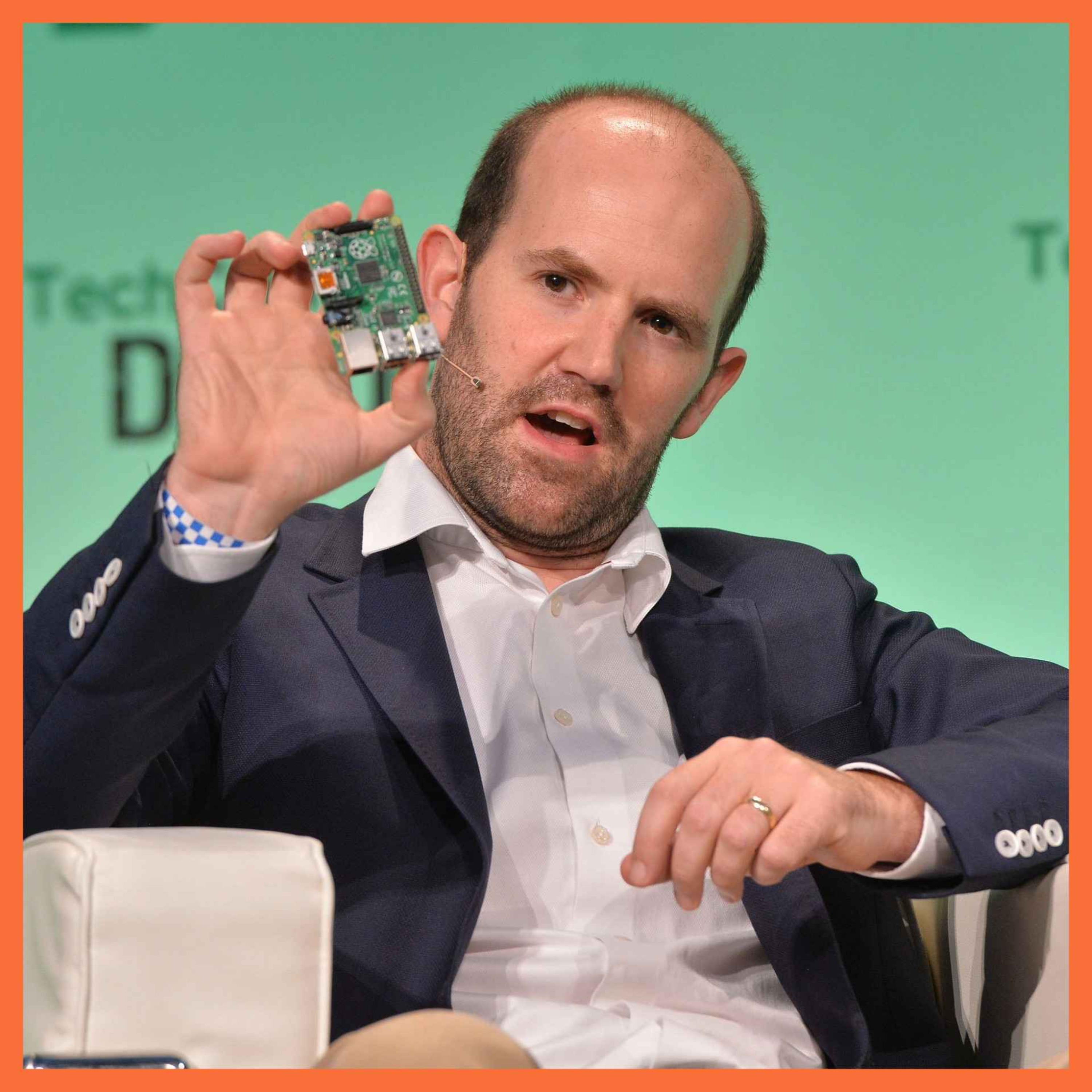
How did Raspberry Pi turn a credit card-sized computer into one of the biggest success stories in British tech business? And has the world jumped to conclusions when it comes to investing in AI data centres? In this episode of The Business, Raspberry Pi co-founder and chief executive Eben Upton joins Hannah Prevett on stage at The Times Tech Summit to discuss why the company chose to manufacture and list in the UK, and what domestic technology firms must consider as they scale. Eben first developed the low-cost computer during his studies at the University of Cambridge to provide hands-on programming experience for computer science students. Fifteen years later, Raspberry Pi has grown into a cornerstone of the UK tech industry. When Raspberry Pi floated on the London Stock Exchange in 2024, Upton went against the grain of UK tech companies listing abroad. He explains why listing on the London stock market was the right strategic move for the business, how UK firms can successfully attr
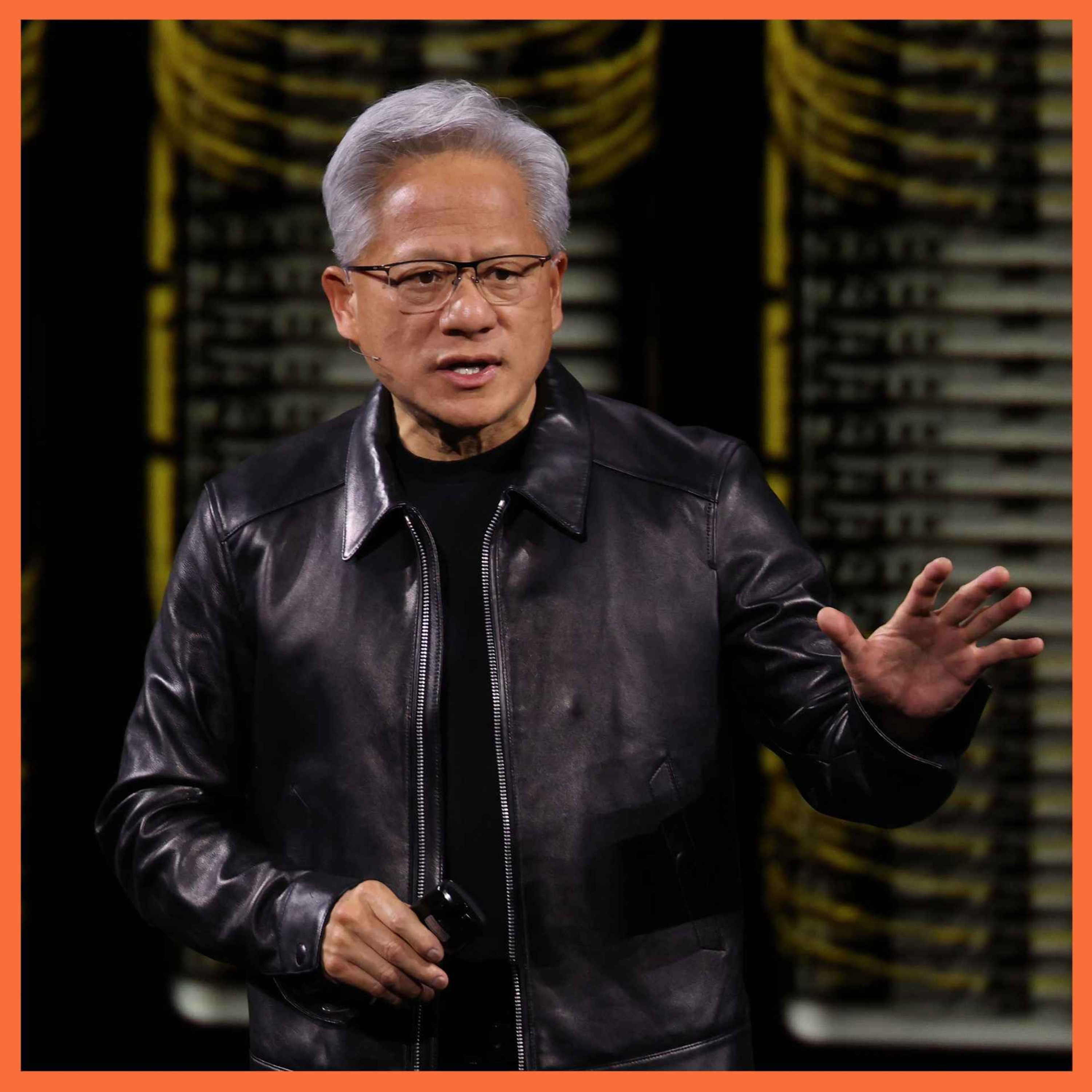
Can Nvidia survive the explosive scandal engulfing chief executive Jensen Huang, or will the fallout trigger a wider crash across the AI boom? In this episode of The Business, Dominic O’Connell looks at the bombshell confession from Nvidia boss Jensen Huang regarding his affair with a businesswoman suspected of being linked to Chinese intelligence services. With the company's board launching an urgent inquiry, we examine whether the silicon giant's leadership is untenable. Dominic is joined by Louisa Clarence-Smith, US business editor for The Times, and Maike Currie, vice-president of personal finance at PensionBee, to break down how volatility at Nvidia could reverberate across the global stock market. Will tremors in the tech industry knock UK investor confidence, affect the FTSE and impact capital flows for British business? Ultimately, they ask: what is next for Huang, and the company he has shepherded to global dominance? "I think what is interesting here is that this is not just
Can the UK lead the world in sustainable aviation fuel? In this episode of The Business, Dominic O’Connell is joined by Andrew Symes, chief executive of British start-up OXCCU, to explore how an old technology could hold the key to the future of flight. Sustainable aviation fuel, made from renewables, waste materials and captured carbon dioxide could play a huge role in air travel’s future and limiting its damage to the environment. The UK government has mandated increasing amounts of sustainable aviation fuel into the standard jet fuel blend, rising to 10 per cent by 2030. Yet today's global supply remains limited, expensive, and dependent on imported waste fats. OXCCU believes it has found an answer. By reviving an old chemical technology, the company bypasses the energy-intensive and costly steps usually associated with synthetic fuel. Andrew Symes explains why commercial aviation cannot rely purely on battery electrification, how their technology unlocks domestic supply for the UK
How did bounce-back loans end up in the hands of fraudsters? And can the government ever recover the lost funds? When the Covid bounce-back loan scheme was launched in May 2020, it was intended as an emergency lifeline for small and medium-sized British businesses. Issuing 1.2 million loans totalling £47 billion, it was the largest of the Covid-related business loan initiatives. While it was rolled out rapidly, it is now embroiled in scandal. The countless cases of fraudulent activity cost billions of taxpayers’ money. In this episode of The Business, James Hurley, The Times assistant business editor, and George Greenwood, The Times investigative reporter, join Hannah Prevett to lift the lid on the bounce-back loans scandal. George and James first broke the bounce-back loans story in 2021, and continue to track the ongoing fallout: from disqualified company directors to criminal convictions. Could these pricey mistakes have been avoided? And what lessons could be learnt? When asked abo