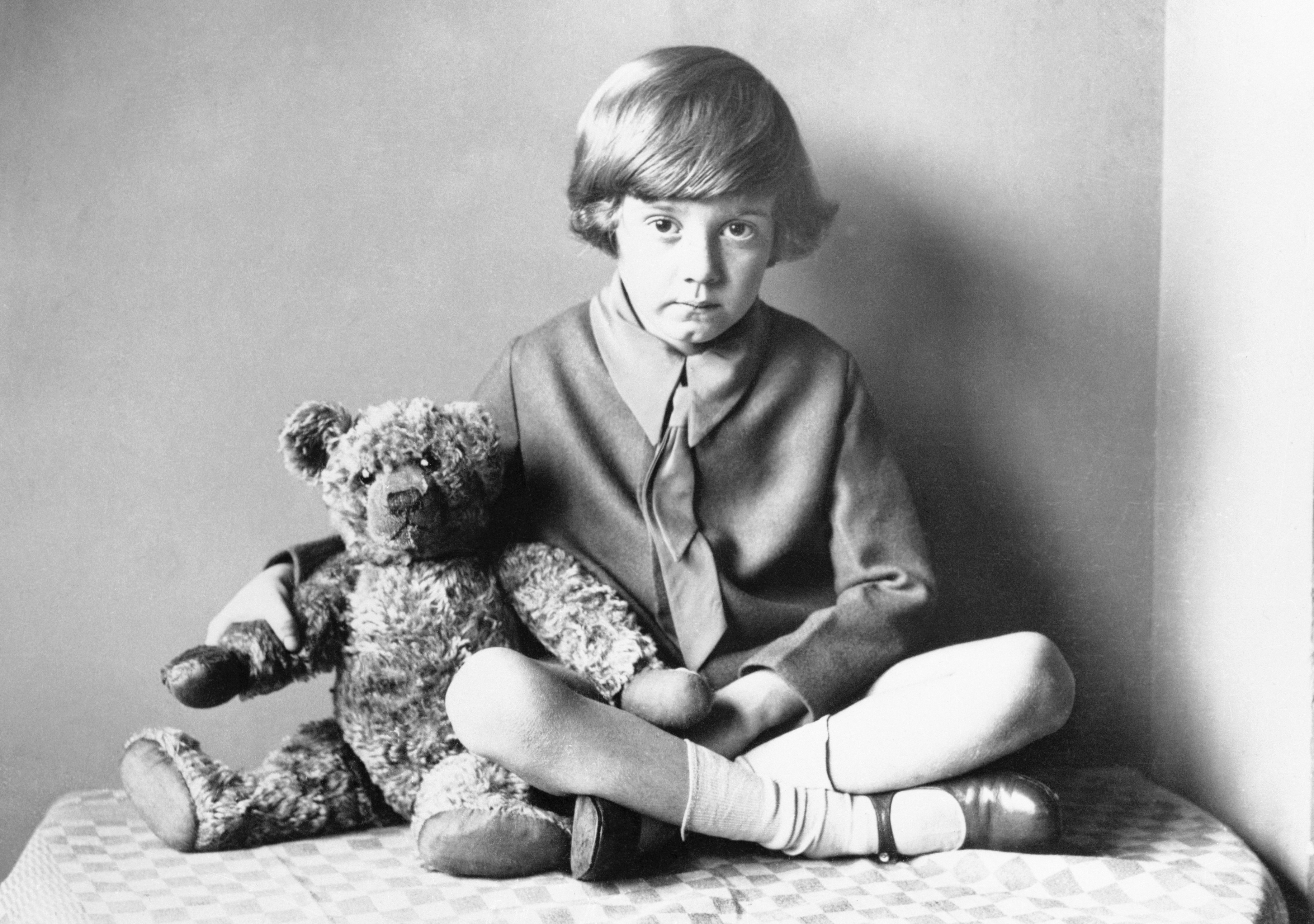
The decade straddling the First World War was a period of unusual brilliance and fecundity in British culture. There were the great formal innovators of literary modernism: Virginia Woolf, Dorothy Richardson, D H Lawrence and E M Forster. But then there were those more closely associated with mass culture, who enjoyed a degree of commercial success as well as cultural influence: Rudyard Kipling, Bernard Shaw, H G Wells, Arthur Conan Doyle, J M Barrie, Agatha Christie, P G Wodehouse, G K Chesterton, Jerome K Jerome, even Charlie Chaplin. Many of these authors moved in the same circles, crossed paths with one another and promoted each other’s work. Indeed, most of the male writers, at one point or another, belonged to an amateur cricket team founded by Barrie — best known as the author of Peter Pan — named “the Allahakbarries” (https://www.bbc.com/news/articles/cgmw4xl0nj1o) (evidently on the basis of the misapprehension that the Arabic phrase Allahu Akbar denotes something like a genera
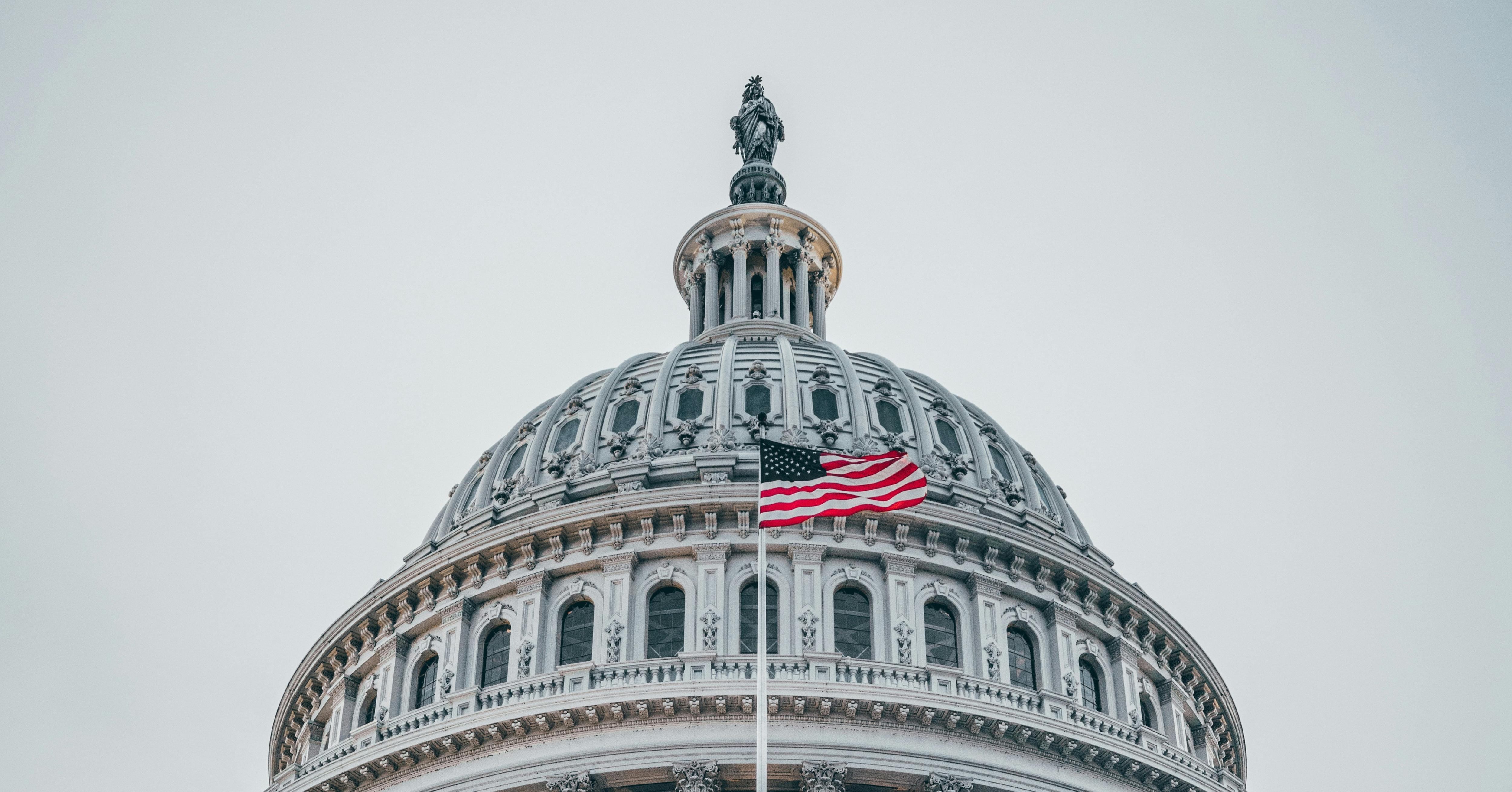
There is something reassuring about the predictability of midterm elections in the United States. In the twenty midterms that have taken place since the end of the Second World War, the party of the sitting president has seen a swing against it in all but two instances. It’s not unusual for the governing party to lose control of one or both Houses of Congress, even when the president is relatively popular. This reflects something of the reactive nature of modern democratic politics. Voters overwhelmingly tend to rebuke rather than reward — and midterm elections are an effective way of communicating their grievances or their sense of the unresponsiveness of the sitting government. But the 2026 midterm elections did not just “send a message” to the Trump administration. The size and extent of the swing against the Republican Party represents as thoroughgoing a repudiation of the first two years of a presidency as we’re likely to see. The Democratic Party, which was decimated and demorali