Travis Lee hunts the late rut in Crenshaw County, Alabama, and for the past 15 years he's built his season around one kind of sign: chase tracks. When a buck tears up a road or the edge of a cutover chasing a doe, Travis figures that buck is bedded within a few hundred yards, and he hunts him that same day. We talked about what chasing tracks look like, where they show up, how far back he sets up from the bedding cover, and the grunt and snort-wheeze sequence he calls with when he gets there. In this episode: - How Travis switches from trail cameras to buck sign around Christmas - What chase tracks look like compared to normal tracks - Finding chase sign in leaves and on rocky ground - When to start looking for chase sign before the rut - Where chase sign shows up most - Why most food plot chase sign is made at night - How to tell which thick cover is bedding cover - Scouting every day around a full-time job - Why you can't wait until the weekend to hunt it - Using everyday deer traffi
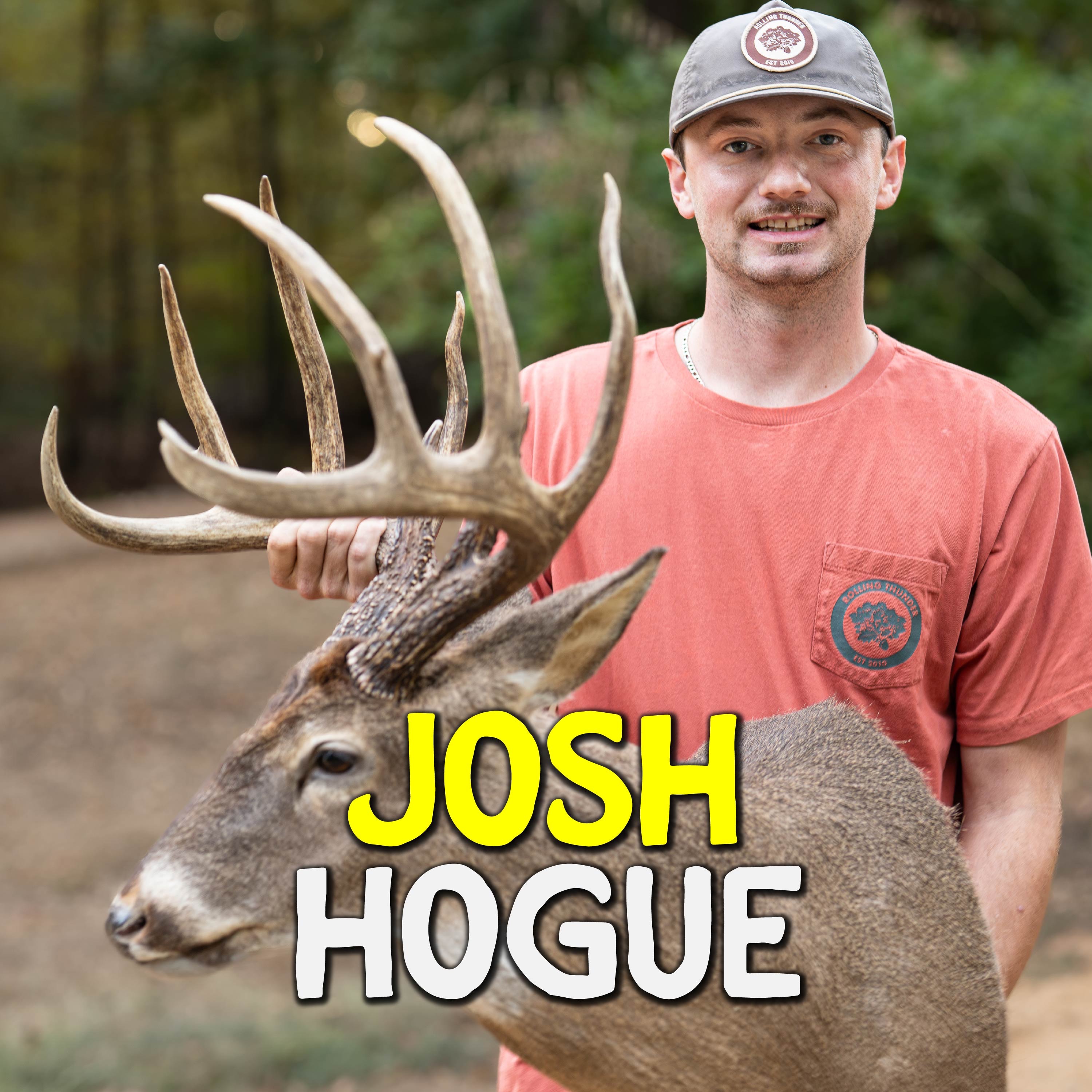
Josh Hogue has spent more than a decade bowhunting the river bottoms of Arkansas public land, and lately he's been taking what he learned there to the hill country of the Midwest. We sat down with him at his house to talk about why he quit hunting open timber, how he finds the thickets bucks live in, why he ignores buck sign during the rut and hunts the does instead, and why a cold front matters more to him than any rut date on the calendar. In this episode: - Why he got caught up in seeing deer instead of killing them - Open timber vs. thick cover in flat river bottoms - Why deer live in the water when the pressure hits - Hunting the edge of a thicket vs. getting inside it - How he uses cell cameras without stinking up a spot - Waiting on the weather instead of hunting every day off - Hot feed trees during the rut - Why he doesn't care about buck sign in November - Moving from river bottoms to hill country - Old homesteads, bluff gaps, and pine transitions - Why deer travel the pine s
It's a Thursday Q&A, and we're answering your Circle and email questions before we head to the Midwest. We get into finding deer on flat, thick public land, the faint trail bucks use to check bedding areas (and the scrape where it crosses the big trails), how far a buck can really scent-check, and some hot takes from y'all. Then hunt stories: Jacob had 11 deer around him in a tree by the road, and Andrew built a ground blind on the edge of a food plot and had two spikes feed to 8 yards. In this episode: - A listener kills his biggest buck after our Asher Kight episode - Finding bedding on flat, thick public land, and whether thermals matter - Drive the dirt roads: the most underrated way to find deer trails - Walk the creek drainages when the map all looks the same - Hound pressure and baited neighbors on coastal North Carolina public land - Micro funnels: beaver dams, slough heads, pond edges, and fallen trees - How far can a buck scent-check a bedding area? - The faint buck trail aro
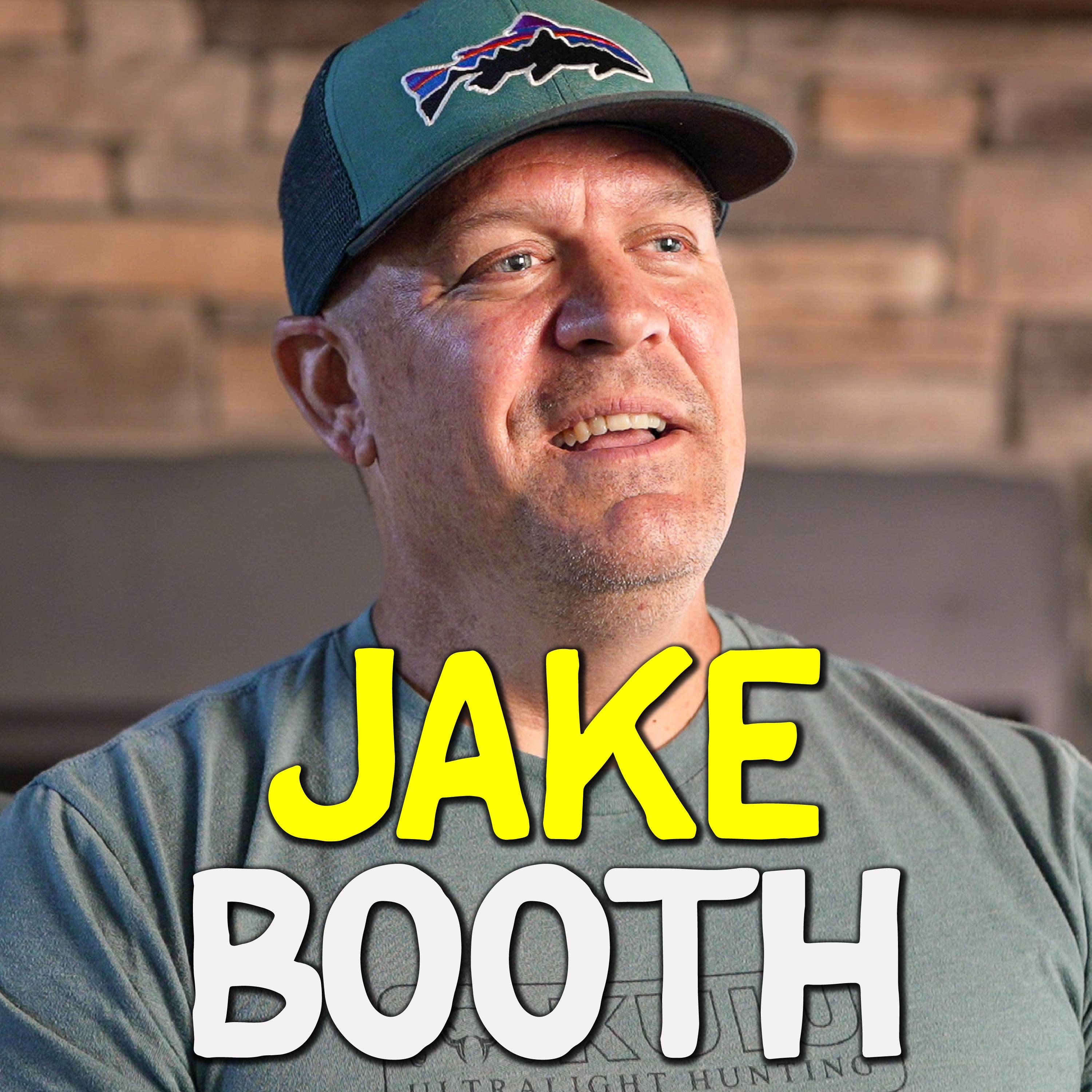
Jake Booth has spent more than two decades hunting the mountains of Alabama and Kentucky, and he figures over half the bucks on his wall came from stalking the rut on the ground. We sat down with him in his trophy room to talk about how he finds rut funnels on a map, why he hunts the days most hunters stay home, why he stopped letting the wind control where he hunts, and how mature bucks scent-check saddles and ridge-top hubs from downwind instead of walking through them. Jake's YouTube channel: https://www.youtube.com/@UCNbMAvDm86eov16PFoihcGw In this episode: - Why his biggest bucks come on days most hunters stay home - The Kentucky buck that came back to him a week later - How he learns a new area and finds rut funnels on the map - Picking saddles: topo lines first, then habitat edges - Hogback ridges and where mountain bucks bed - Keeping tabs on doe groups through the rut - The mast year that moved the deer off the mountain - Why he stopped worrying about scent control - How wind
We're still in early season here in Alabama while most of y'all are hunting the rut, so this week we answer your Circle and email questions and tell some stories. Andrew went back to a water oak bottom with the recurve, shook the acorns out of his tree, and heard footsteps 30 seconds later. A doe walked to 13 yards, and then it all went wrong. We also get into food plots that hold mature deer, bucks that jump fences wherever they want, map pins vs. following fresh sign, crossing water quietly, and the dumbest hunts we had when we were starting out. In this episode: - Hot take: should a buck's score matter as much as it does? - Aging deer on the hoof, and where to send off a tooth - What a 3½-year-old buck looked like in Iowa - Rattling for 30 minutes straight on our Iowa hunt - Food plots that hold mature deer: cover, travel routes, and pressure - Why oaks don't pull deer very far in pine country - Bucks jumping the fence anywhere: hunt the crossing or the sign? - Map pins vs. followin
Dr. Stephen Ditchkoff has studied whitetails since 1992 and has spent the last 26 years as a professor at Auburn University, where his team runs a 430-acre deer research facility built to follow which bucks actually breed, which does they breed, and how that changes over a deer's life. We sat down with him for the second time to talk about the rut: why the peak is the worst time to hunt, why the Southern rut runs longer, what does are looking for in a buck, and how mature bucks change the whole breeding season. Our first episode with Dr. Ditchkoff - https://youtu.be/QZncXOxHpfI In this episode: - Why the peak of the rut is the worst time to hunt - 26 years at Auburn and the 430-acre deer research facility - Are antlers an honest signal of a buck's quality? - How many does one buck can breed in a season - Why Boone and Crockett symmetry isn't what a deer sees - Do does choose which buck breeds them? - Why bucks may be choosy too - Do mature bucks get harder to kill in the rut? - The win