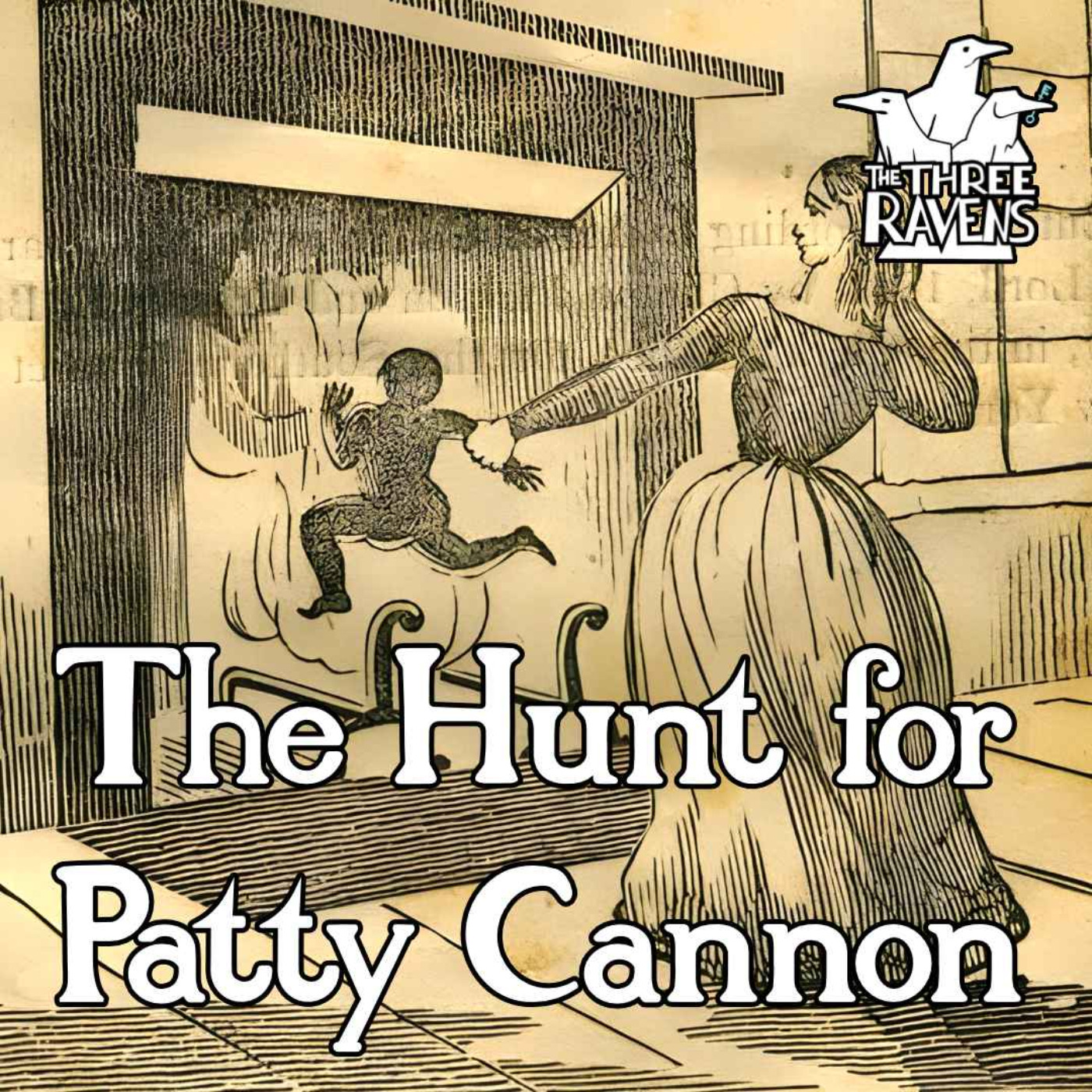
This week's story is a dark one, rooted in a period of Delaware's history that has been subject to erasure, obfuscation, and wilful misinterpretation... Unlike some of our folk tale retellings, this one is rooted in a deep bed of facts, and is in part a response to some of the fictions inspired by them. A 'True Crime' tale in some senses, a horror story in others, the villainous life of Patty Cannon has fallen out of view in recent times. For this one, Martin takes the broken, buried pieces, unearths them from the archive, and does his best to reconnect them, telling the story of how America's first serial killer was caught, and how some of her brave victims, abducted in childhood, managed to slip their bonds and help to break the Cannon Gang's grip on the Reverse Underground Railroad which plagued not just Sussex County, Delaware, but Philadelphia, Maryland, Virginia, Alabama, Mississippi, Louisiana and beyond. For further information about the complex topics covered in the story, and
This week we're riding in thunderstorms, sploshing through marshes and fearing phantom lights as we discover the history and folklore of Delaware! We start with Delaware's contested history between the Swedes, the Dutch, the indigenous Lenni Lenape and Nanticoke tribes, and, latterly, the British. With the whole state being pretty dinky and named after an English aristocratic family from our home county of Sussex, we also start to notice many similarities and parallels between our own local folklore and that of the 'First State.' Featuring extracts from this Saturday's upcoming Local Legends interview with Delaware-born folklorist and author Josh Hitchens, we dig into legends of the headless ghost of a British soldier, the state's most famous cryptid, The Selbyville Swamp Monster, dissect the story of the Zwaanendael Merman, recount the Lenape myth of how the Rainbow Crow turned black, and a whole buch more. With some wonderful candidates for Delaware's folk hero, and a sumptuous state
On this week's episode of Local Legends Eleanor is chatting with former State Folklorist of Rhode Island, Dr Michael Bell. Michael has a PhD in Folklore, as well as an MA in Folklore and Mythology and a BA in Anthropology and Archaeology. Folklore is really his passion, rather than archaeology, though, and he’s embarked on a long and impressive career. Michael worked extensively with the Rhode Island Historical Preservation and Heritage Commission on projects to document folklife, gather oral history and stories, and has contributed hugely to the state archive. As a scholar, he’s worked on numerous projects concerned with folk art, oral history and humanities programmes, and has conducted tons of fieldwork, created exhibits, given lectures, designed school curricula…you name it, Michael has probably done it! As if all that wasn’t interesting enough, Michael is also an expert in New England vampire legends and ritual burial practices. His most well known books on the subject are Vampire
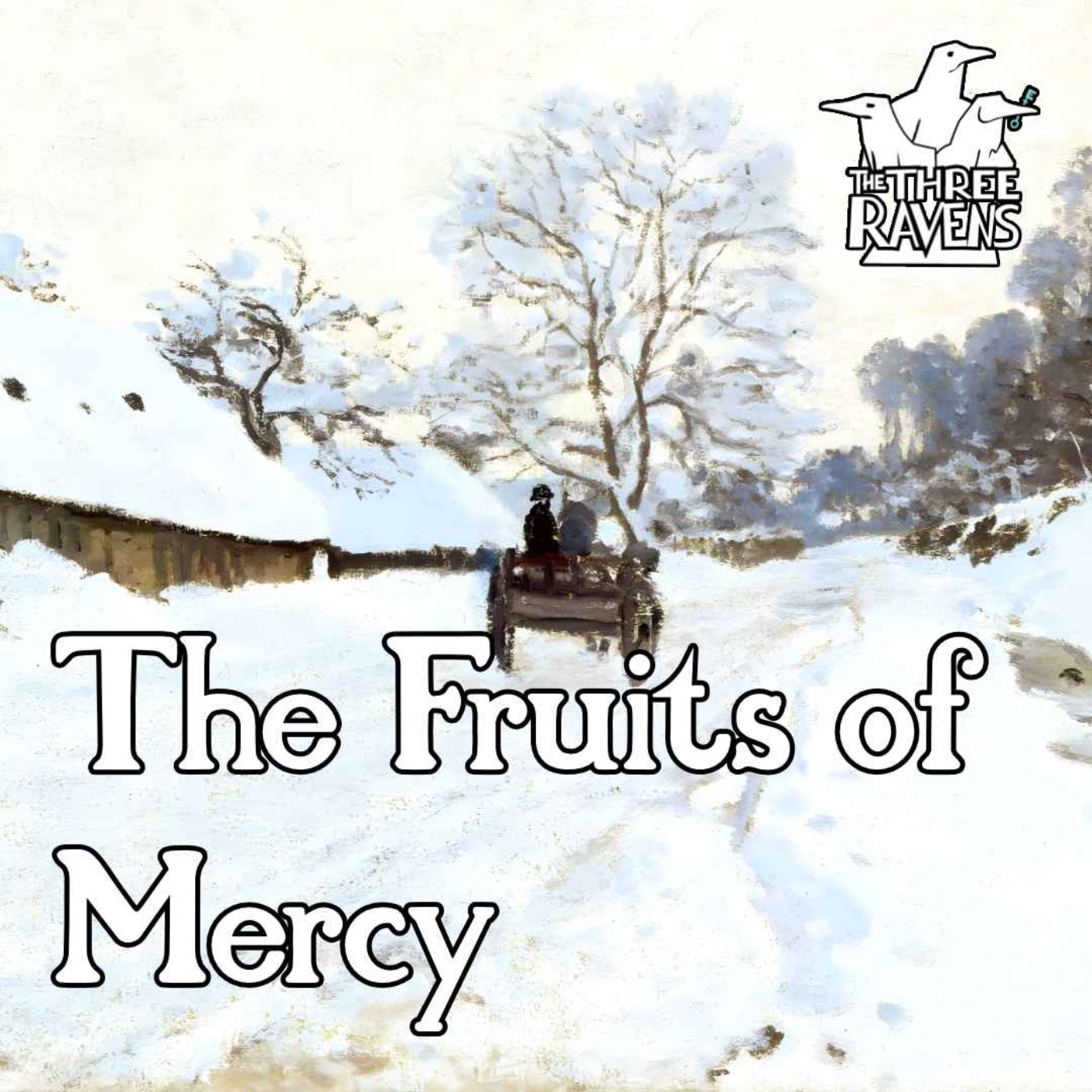
For this week's story we couldn't resist a cheeky vampire tale - it is Rhode Island week, after all - the heart of the supposed 'New England Vampire Panic!' Combining the legends of Mercy Brown and Dolly Cole, it's a wintry, snowbound confessional from the pen of a woman who, like her many stories, won't stay dead... We really hope you enjoy the story, and we'll be back on Saturday with our Local Legends interview for this week with Dr Michael Bell! About Three Ravens Join the Conspiracy of Ravens Hosted on Acast.
In today's episode we're discussing the history and folklore of Rhode Island! We start with the story of Mercy Lena Brown and the roots of the New England 'vampire.' Then we talk about Roger Williams and his departure from the Massachusetts Bay Colony to form a utopian colony under the principles of separating church and state, his treaties and relationships with Canonicus and the Narragansett peoples, and disagreements over patents in Rhode Island's beginnings. Featuring extracts from this week's Local Legends interview with Dr Michael Bell, we meet various monsters and cryptids, try not to get haunted too horrifyingly, and continue our unbroken streak of slithery serpents - all before going on a fictional food tour for our State Dinner, and coming up with some contenders for RI's folk hero. We really hope you enjoy the episode, and we will be back on Thursday, when Eleanor's leaning into the vampire angle... About Three Ravens Join the Conspiracy of Ravens Hosted on Acast.
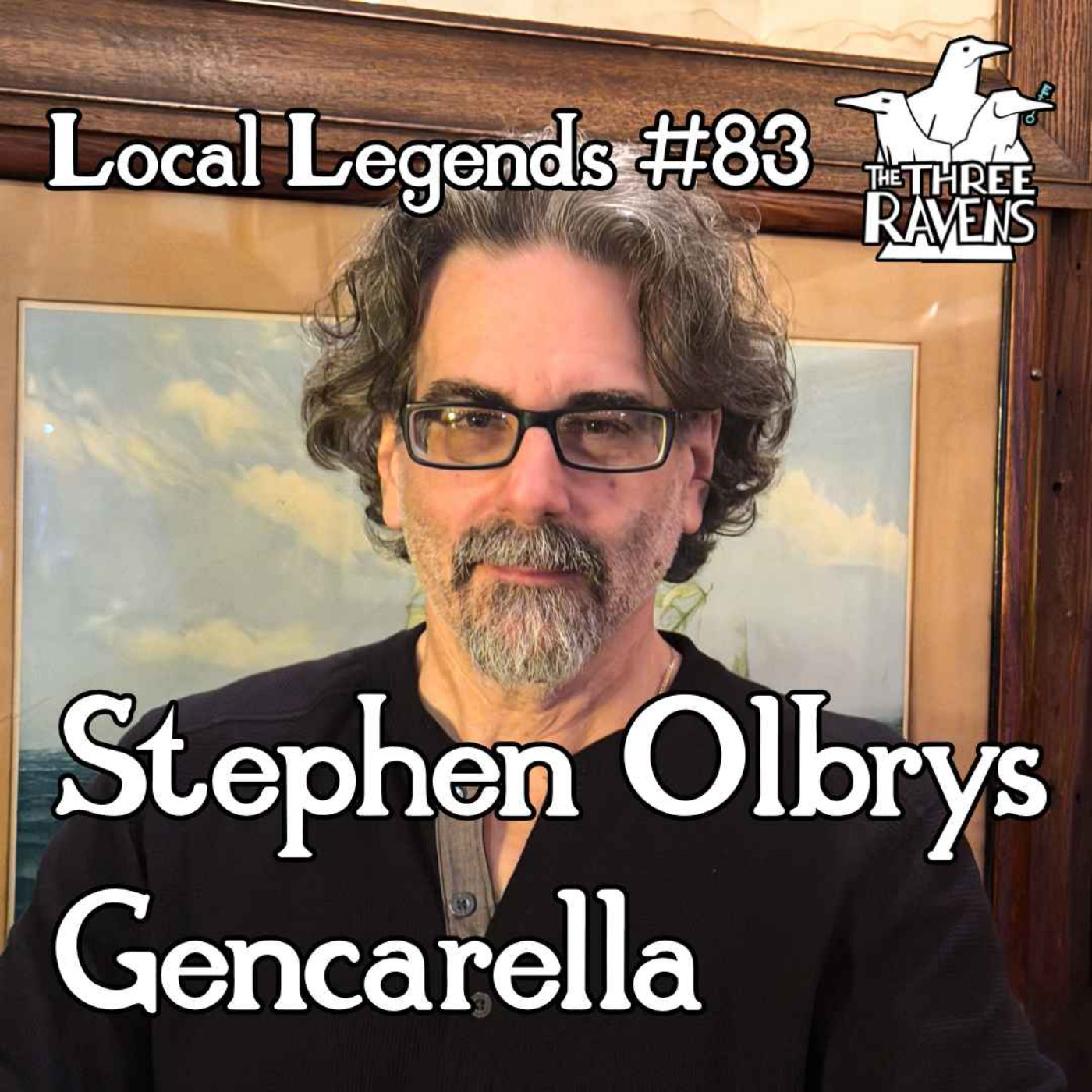
On this week's episode of Local Legends Martin chats with a champion of Connecticut, folklorist, scholar, author, and tenured Professor of Communication at the University of Massachusetts Amherst, Stephen Olbrys Gencarella. Stephen’s work explores the intersection of folklore studies, rhetorical criticism, and performance studies, with a strong emphasis on the cultural history, legends, and eccentricities of New England. At UMass Amherst, his research advocates for "critical folklore studies" using the analysis of expressive culture to examine and address social injustice, critique anti-democratic behaviour, and explore political anxieties across time and place. He serves as the Resident Folklorist at the Connecticut River Museum in Essex, Connecticut, and has authored several books including, “Wicked Weird & Wily Yankees: A Celebration of New England's Eccentrics and Misfits” published in 2018, “Spooky Trails and Tall Tales Connecticut" from 2019, and “Spooky Trails and Tall Tales Mas
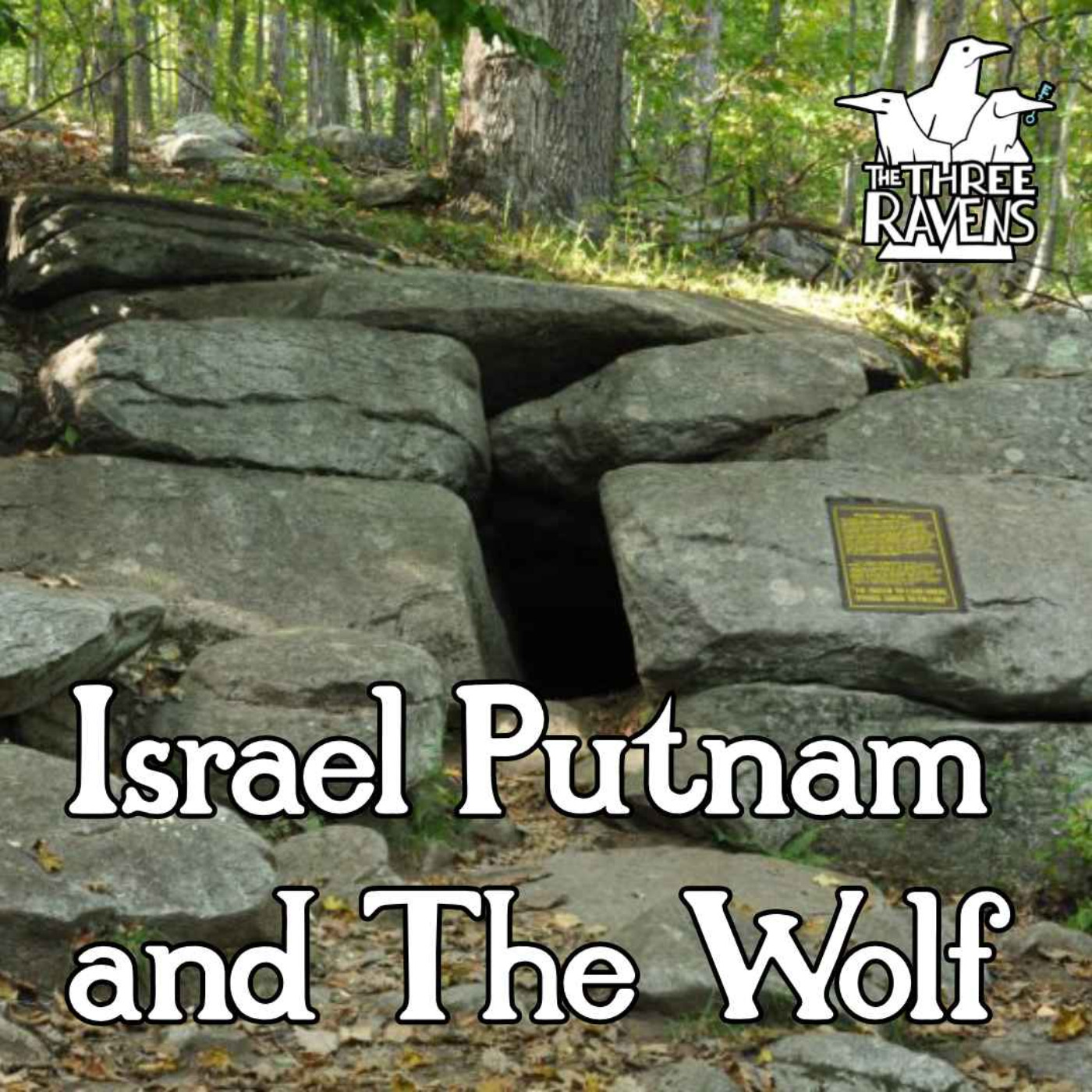
For this week's story we're retelling one of the great American myths, from the perspective of the man who made it famous... Written by Martin, Israel Putnam and The Wolf follows the life of a real person, presented to the world as a frontiersman and scion of virtue. Yet, to make his story effective, 'the writer' must make choices about which truths to include, which to omit, and which to fabricate entirely. A tale as much about the making of myths as a particular myth itself, this one spans the Seven Years War, the American Revolution, and the time immediately afterwards, through Shays Rebellion and that fearful period where it looked like the experiment of the United States might fall apart before it really began. Drawing on historian Robert Ernest Hubbard's book Major General Israel Putnam: Hero of the American Revolution, it welcomes you to crawl into the dark and witness the eye shine face-to-face. And to ask the question "What makes a hero?" About Three Ravens Join the Conspiracy