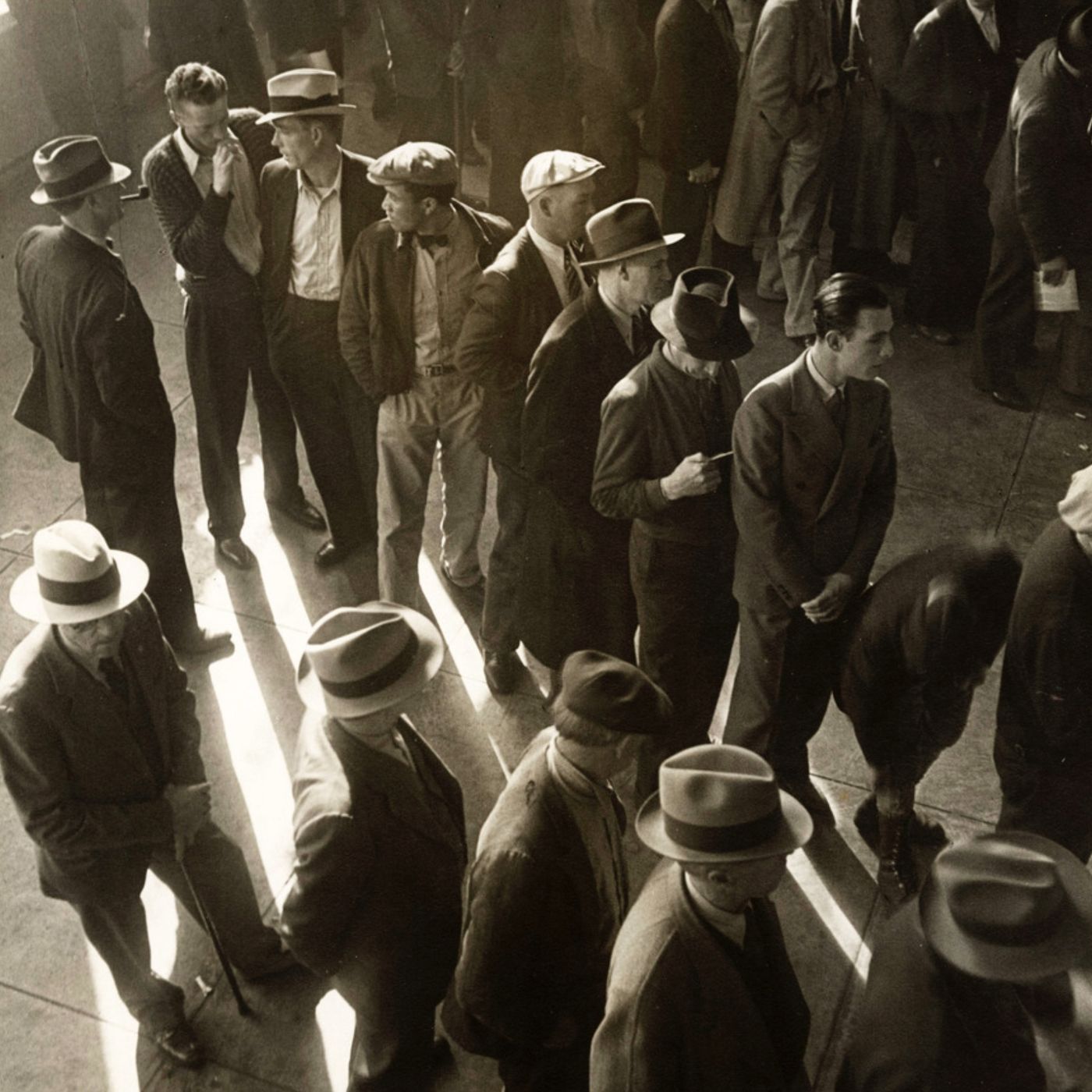
1936 UNEMPLOYMENT & SOCIAL SECURITY Fiscal Realities and Social Security Reform Véronique de Rugy outlines Social Security’s impending fiscal cliff, explaining how past trust fund surpluses were absorbed into general government spending. She warns against the political refusal to reform benefits for wealthy retirees, noting that unaddressed shortfalls will inevitably lead to massive tax hikes on workers or unprecedented national debt. (16)
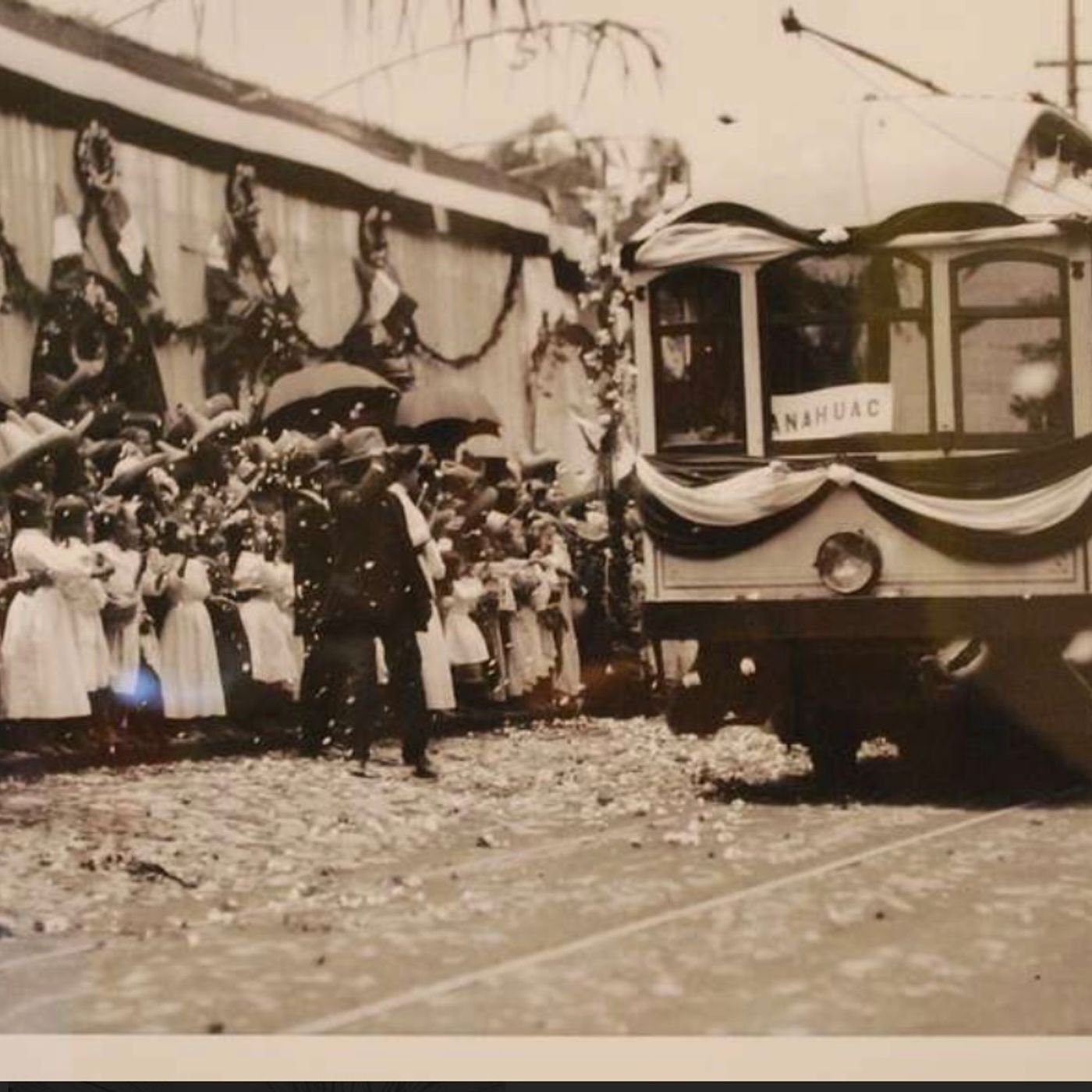
1900 MEXICO CITY Cross-Border Trade and Environmental Disputes Mary Anastasia O’Grady examines the emergence of Ciudad Juárez, Mexico, as a high-tech manufacturing hub partnering with Taiwanese and US firms to supply server hardware and medical equipment. She critiques plans by Representative Veronica Escobar and the GSA to close the Bridge of the Americas to trucks, arguing it harms regional competitiveness. (15)
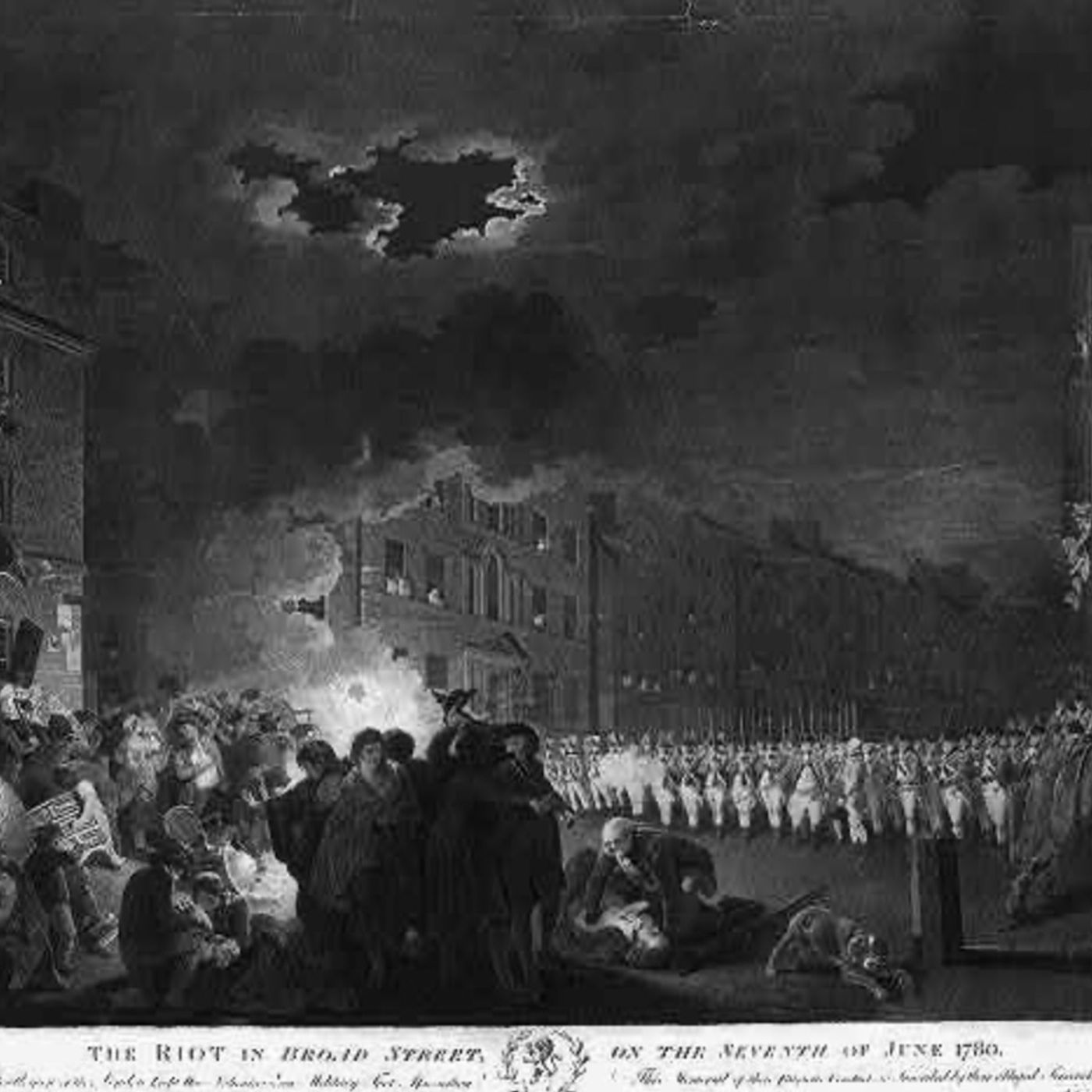
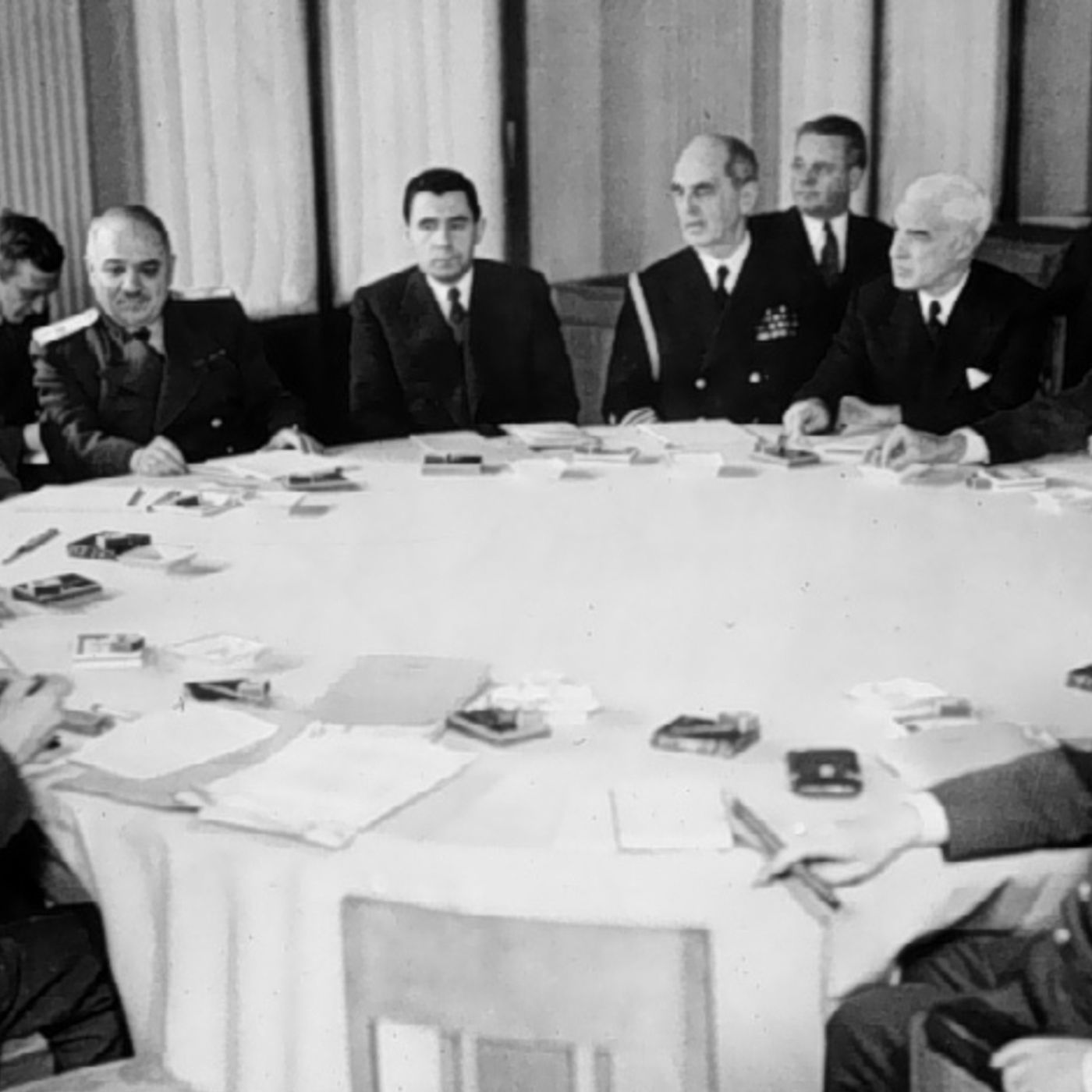
1780 GORDON RIOTS Geopolitical Summit Dynamics and Strategic Alliances — Part Two Simon Constable and Lance Gatling evaluate the regional fallout from the Shenzhen summit of Trump, Putin, and Xi. Constable addresses European fears of Russian aggression and nuclear rhetoric, while Gatling details the Quad meetings in Manila, Japanese concerns over seized corporate assets in Russia, and historical echoes of the Yalta Conference. (14)
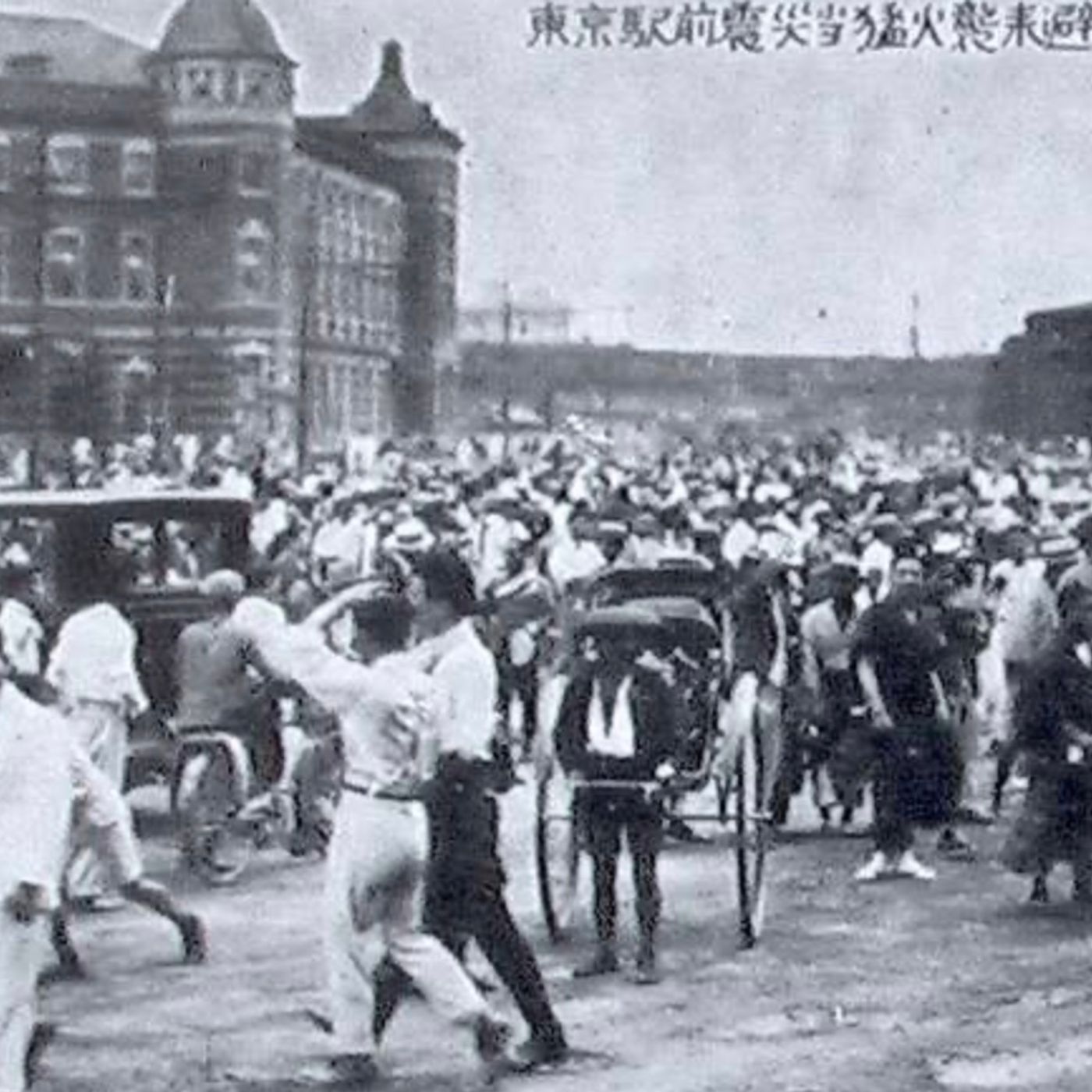
1923 AFTER KANTO QUAKE Global Commodity Dynamics Across Multiple Continents — Part One Simon Constable and Lance Gatling analyze international commodity prices across Europe and Asia, discussing fluctuations in Brent crude, European electricity, and agricultural products after the Kerch Bridge attack. Gatling explains Japanese fuel subsidies, currency depreciation pressures, and the rising energy demands of advanced semiconductor and AI infrastructure. (13)
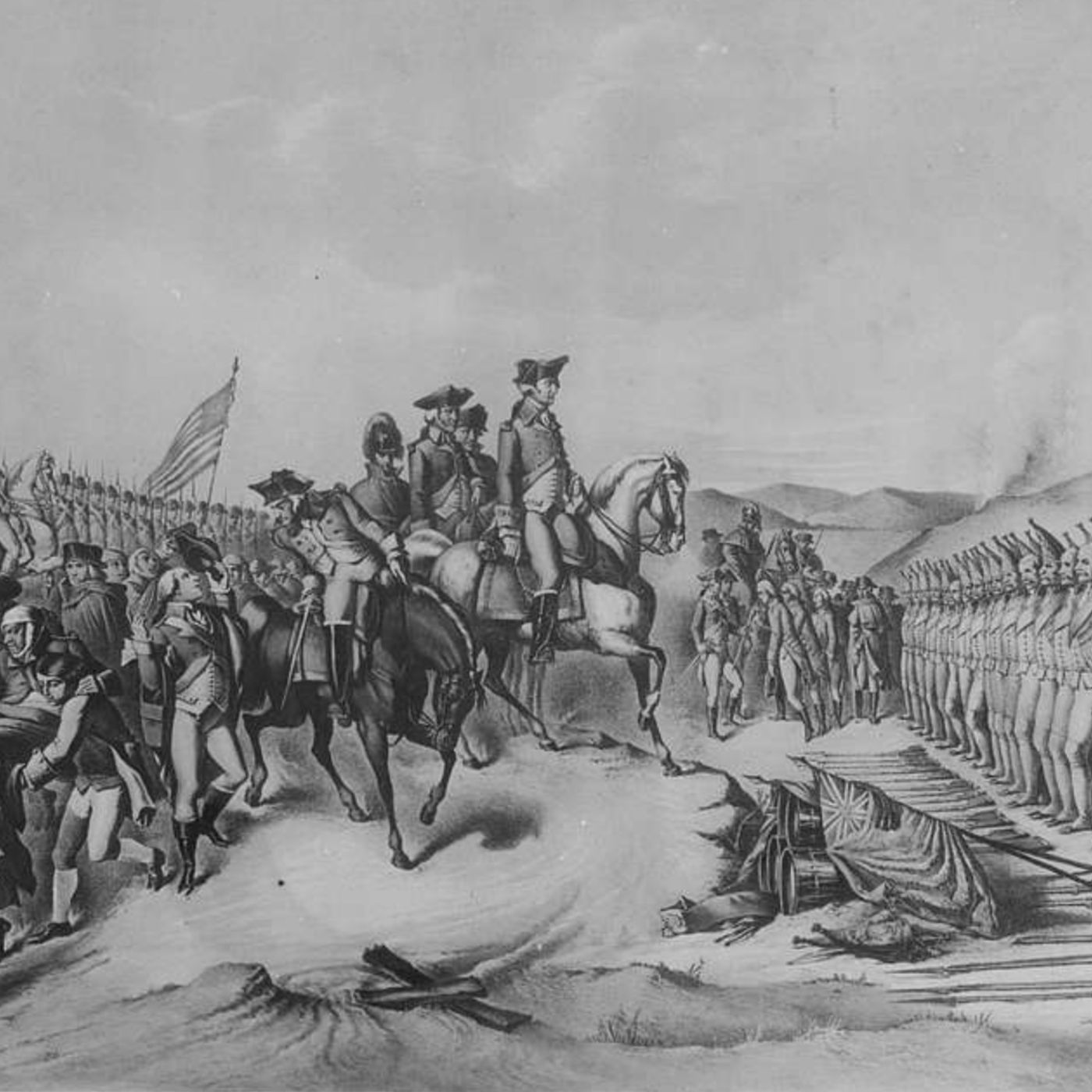
1936 RANGER, LEXINGTON, SARATOGA AT HONOLULU Daniel Morgan and Saratoga Battlefield Innovations — Part Four Patrick K. O’Donnell, author of Revolutionary Snipers, chronicles Daniel Morgan’s rise to lead Washington’s elite Rifle Corps. Sent north to counter Burgoyne’s invasion, Morgan’s sharpshooters worked with Henry Dearborn’s light infantry to establish disciplined combined-arms marksmanship, severely disrupting British command and securing victory at Saratoga. (12)
1777 ASSSSUNPINK BRIDGE Combined Arms Tactics and Forage Warfare — Part Three Patrick K. O’Donnell, author of Revolutionary Snipers, highlights the Battle of Assunpink Creek, where snipers delayed Cornwallis’s advance, enabling Washington’s successful flank march on Princeton. He details the tactical innovation of combined arms, pairing slow-loading riflemen with bayonet-armed musketmen, and explains how riflemen crippled British logistics during the 1777 Forage War in New Jersey. (11)
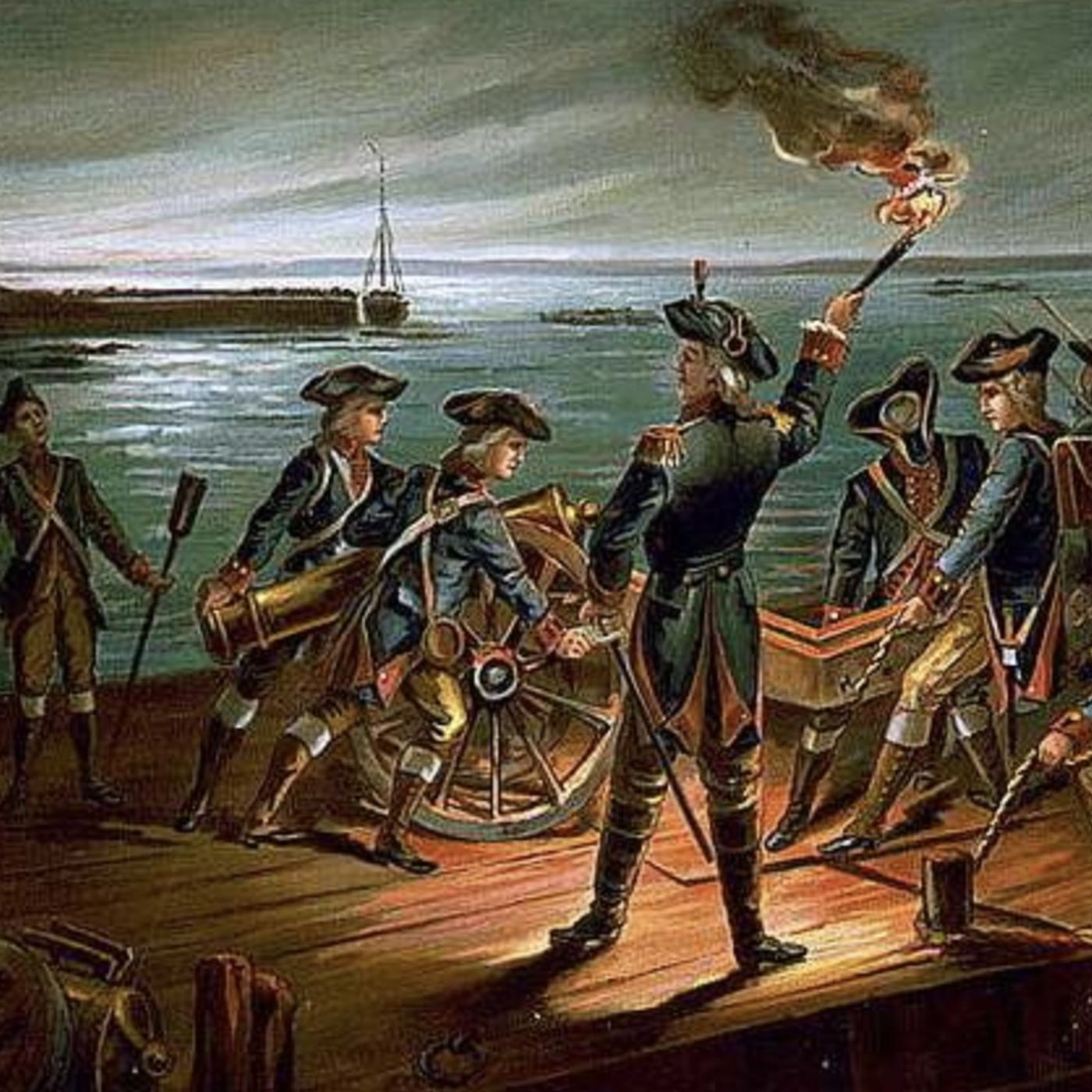
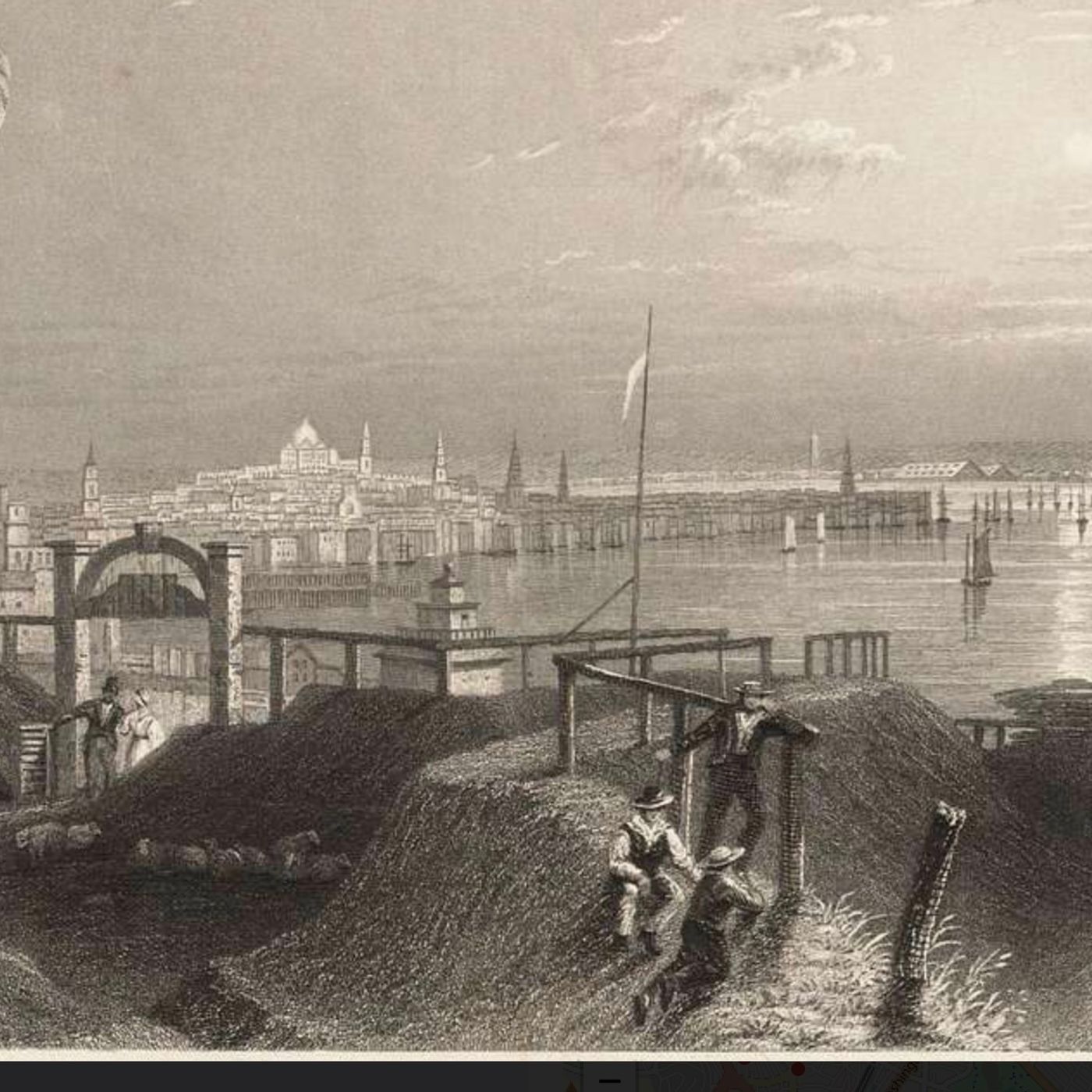
1930 Continental Army Discipline and Strategic Evacuations — Part Two Patrick K. O’Donnell, author of Revolutionary Snipers, describes George Washington’s integration of unruly frontier riflemen into the Continental Army to compensate for severe gunpowder shortages. During the Battle of Brooklyn, these marksmen suppressed British pickets, providing crucial cover while the Marblehead mariners carried out a daring night evacuation across the East River. (10)
How do we make sense of the unseen? For centuries, the supernatural has offered ways to understand misfortune, find comfort and live with uncertainty. But its history is not simply a story of superstition giving way to reason. Why did people seek evidence in witchcraft trials? Can science and supernatural belief exist alongside one another? And what might today’s encounters with frontier technologies reveal to us about the persistence of the uncanny? In this episode, Margherita Volpato speaks with Malcolm Gaskill about his new book, Worlds of Fear and Wonder: Living with the Supernatural, Past and Present. Together, they explore the emotions behind supernatural beliefs that have shaped culture. They discuss Puritans searching for signs from God, the persistence of enchantment in the modern world and the uneasy relationship between technology and the uncanny. Malcolm Gaskill is Emeritus Professor of Early Modern History at the University of East Anglia and the author of seven books, inc
1963 DORCHESTER HEIGHTS Frontier Technology and Early Special Operations — Part One Patrick K. O’Donnell, author of Revolutionary Snipers, details the development of the American long rifle in Lancaster, Pennsylvania. Lighter, more accurate, and longer-ranged than smoothbore muskets, this frontier weapon allowed Washington’s riflemen to pioneer early special operations tradecraft, including long-range precision sniping, scouting, camouflage, and ambushes against British forces (9)
The Second String by Eider_Down — Chapter 21: The Tale of the Three Sisters Harry stands at Aberforth Dumbledore's funeral in Godric's Hollow, surrounded by mourners who barely knew the man he loved. Grief, anger, and a sharp streak of dry humour fight for space in his head as the eulogies roll on and the wrong people pretend to care. Hiding in a tree in the Forbidden Forest, Harry is unexpectedly visited by Hippia George, who reveals a family story he never knew. Old wounds surface, and a hard-won promise from a friend sets his next steps in motion. About This Production This episode is part of a faithful reading of The Second String by Eider_Down. Pertinent Links Read the original work (https://archiveofourown.org/works/15465966/navigate) Join the community on Discord (https://discord.gg/kzBu88rZzz)
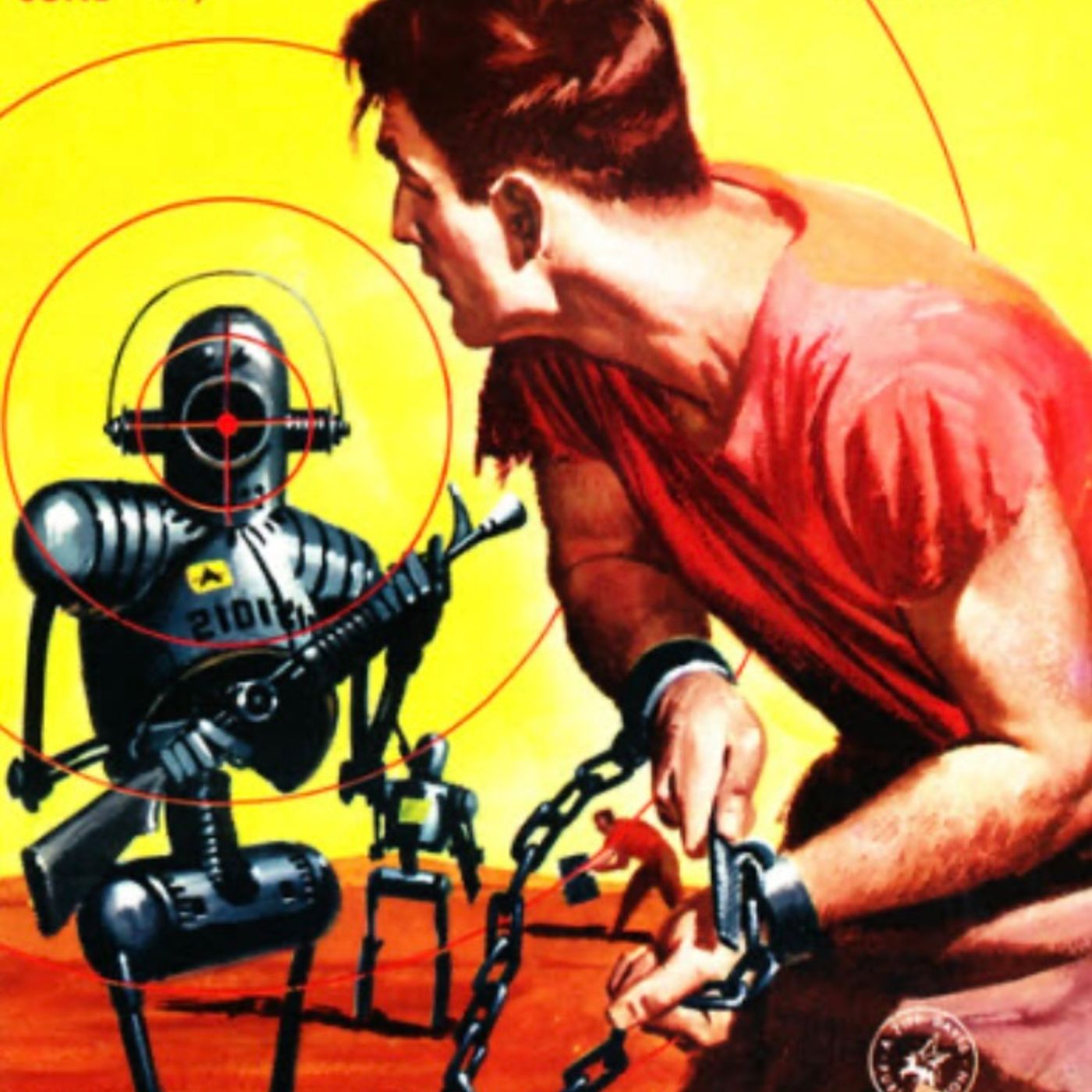
JUNE 1957 Technological Ambition and Modern Corporate Hubris — Part Four Arthur Herman, author of Founders’ Fire: From 1776 to the Age of Trump, examines Nvidia CEO Jensen Huang, connecting his AI hardware innovations to Robert Noyce’s pioneering silicon microchip. Drawing on Greek tragedy, Herman illustrates how extraordinary entrepreneurial success and media veneration can breed hubris, leading even visionary founders to miscalculate on fast-evolving technological frontiers. (8)
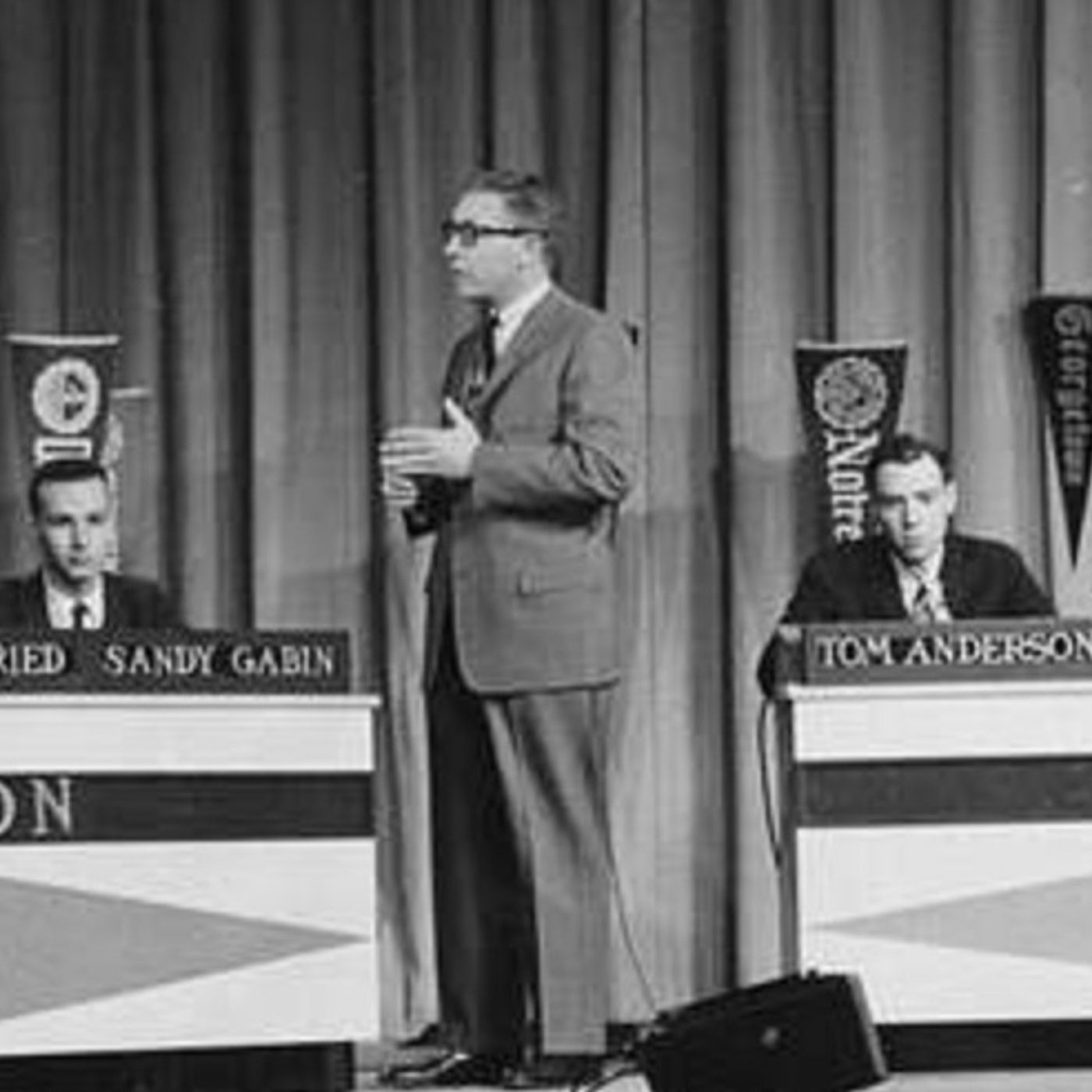
1959 COLLEGE BOWL PRINCETON VS GEORGETOWN Visionary Leadership from Lincoln to Ford — Part Three Arthur Herman, author of Founders’ Fire: From 1776 to the Age of Trump, traces Scottish Enlightenment principles through Abraham Lincoln’s principled opposition to slavery and commitment to preserving the Union. He connects this mindset to industrial visionaries Henry Ford and Steve Jobs, showing how transformative founders treat early failures as experience while creating technologies that empower human progress. (7)
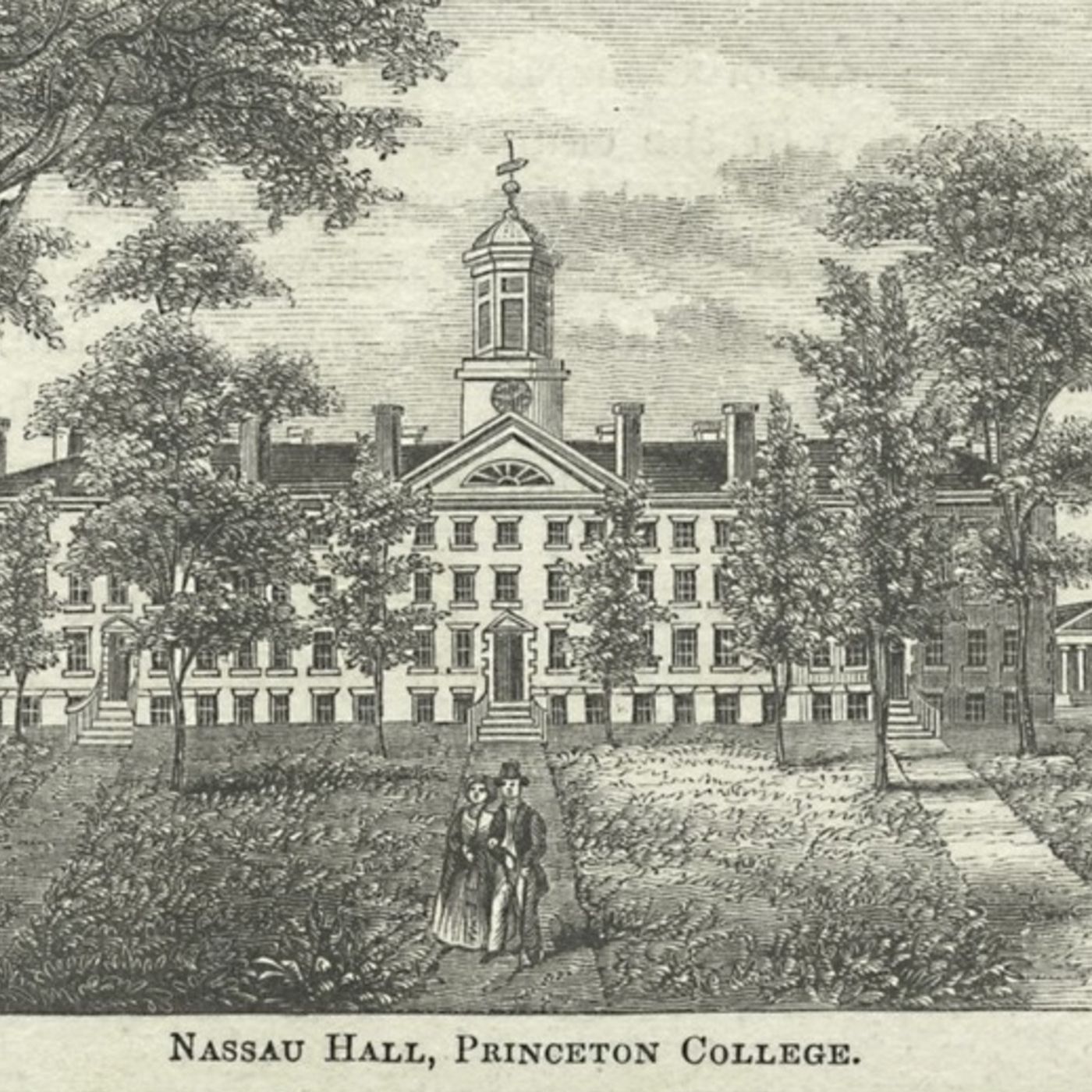
1850 NASSAU HALL Common Sense Philosophy Shaping American Education — Part Two Arthur Herman, author of How the Scots Invented the Modern World, explores Thomas Reid’s common-sense philosophy, which holds that humans possess innate moral and empirical judgment. Brought to America by PrincetonPresident John Witherspoon, this tradition integrated the arts, philosophy, and sciences, forming the educational foundation of revolutionary leaders and shaping early American civic thought. (6)
1648 Scottish Reformation Literacy and Enlightenment Thinking — Part One Arthur Herman, author of How the Scots Invented the Modern World, examines 18th-century Scotland’s transformation from an impoverished, religiously dogmatic society into a global intellectual leader. Widespread literacy, instituted by the Presbyterian Church for the study of scripture, enabled thinkers like Francis Hutcheson and Adam Smith to challenge orthodoxy and spark the sudden genius of the Scottish Enlightenment. (5)RR
The Second String by Eider_Down — Chapter 20: Much Less the World I Knew Became A late afternoon meeting at the Hog's Head is meant to be a formality, but Harry arrives to find the pub silent and the Ministry visitors nowhere to be seen. Whatever waits behind the bar will change everything he thought he could hold onto in this earlier world. Harry is forced to face a trap built to draw him in, and every choice he makes now carries a cost. The chapter moves between grief and cold resolve as he tries to hold his nerve in a battle he never agreed to fight. About This Production This episode is part of a faithful reading of The Second String by Eider_Down. Pertinent Links Read the original work (https://archiveofourown.org/works/15465966/navigate) Join the community on Discord (https://discord.gg/kzBu88rZzz)
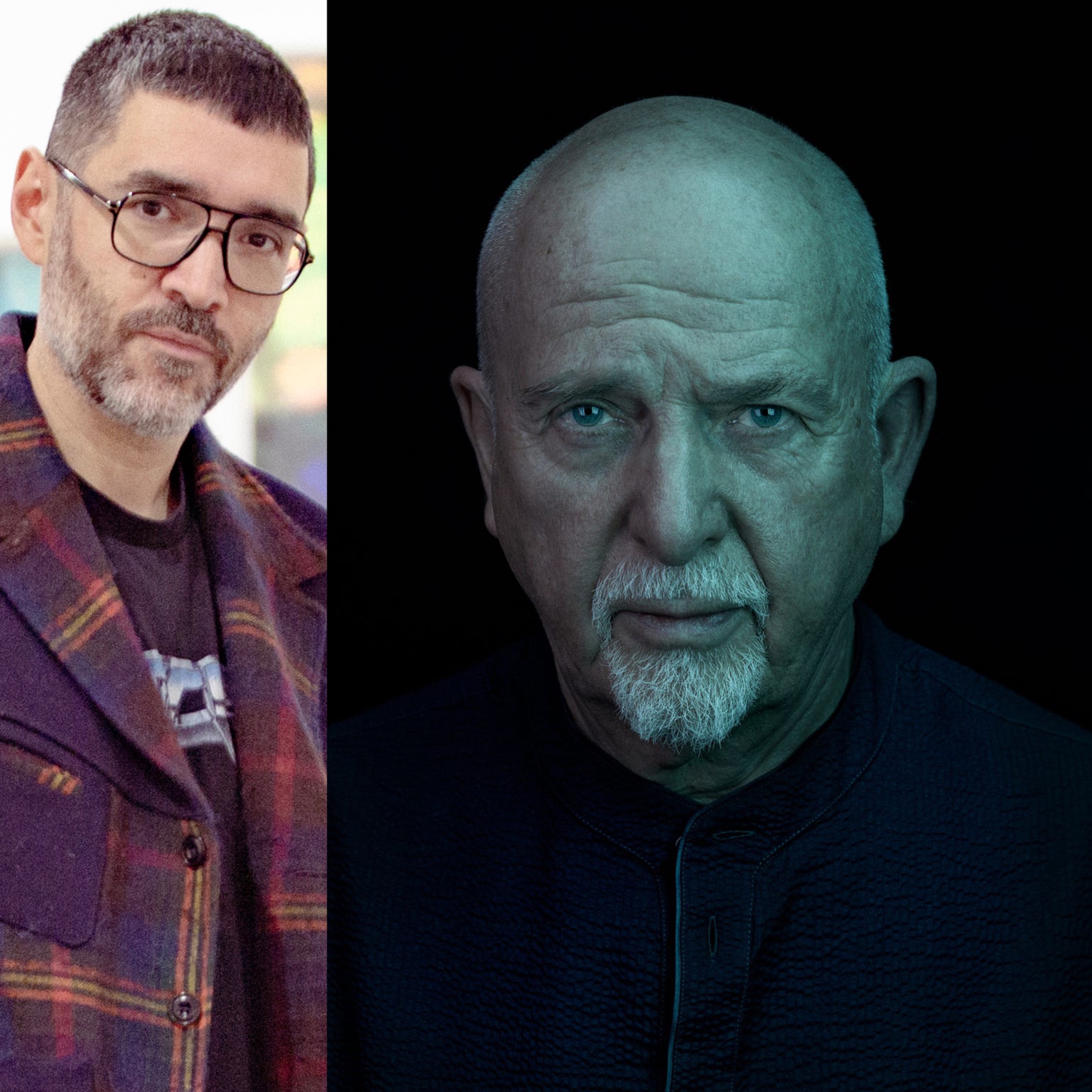
It’s episode 400 of @TalkArt podcast! To celebrate Robert meets PETER GABRIEL, singer, songwriter, producer, musician… ICON! We discuss his inspiring new album o\i and his lifelong passion for art and collaborating with visual artists across six decades including Helen Chadwick, Cathy de Monchaux, Nadav Kander, Ai Weiwei, Cornelia Parker and more. Following a year in which Peter Gabriel has released a new song on every full moon, the 27 November sees the release of his new studio album, o\i, the follow up to his critically acclaimed album of 2023, i/o, a number 1 in the UK album chart. Peter Gabriel returns with a brand-new collection of songs after a mere three years – his shortest gap between studio albums since the early 1980s. o\i is a companion piece to its reflected name-sake i/o expanding on many of the same themes: our relationship with nature, the passing of time, the increasing influence of technology in our lives and our place in the world; “Trying to get a handle on where y
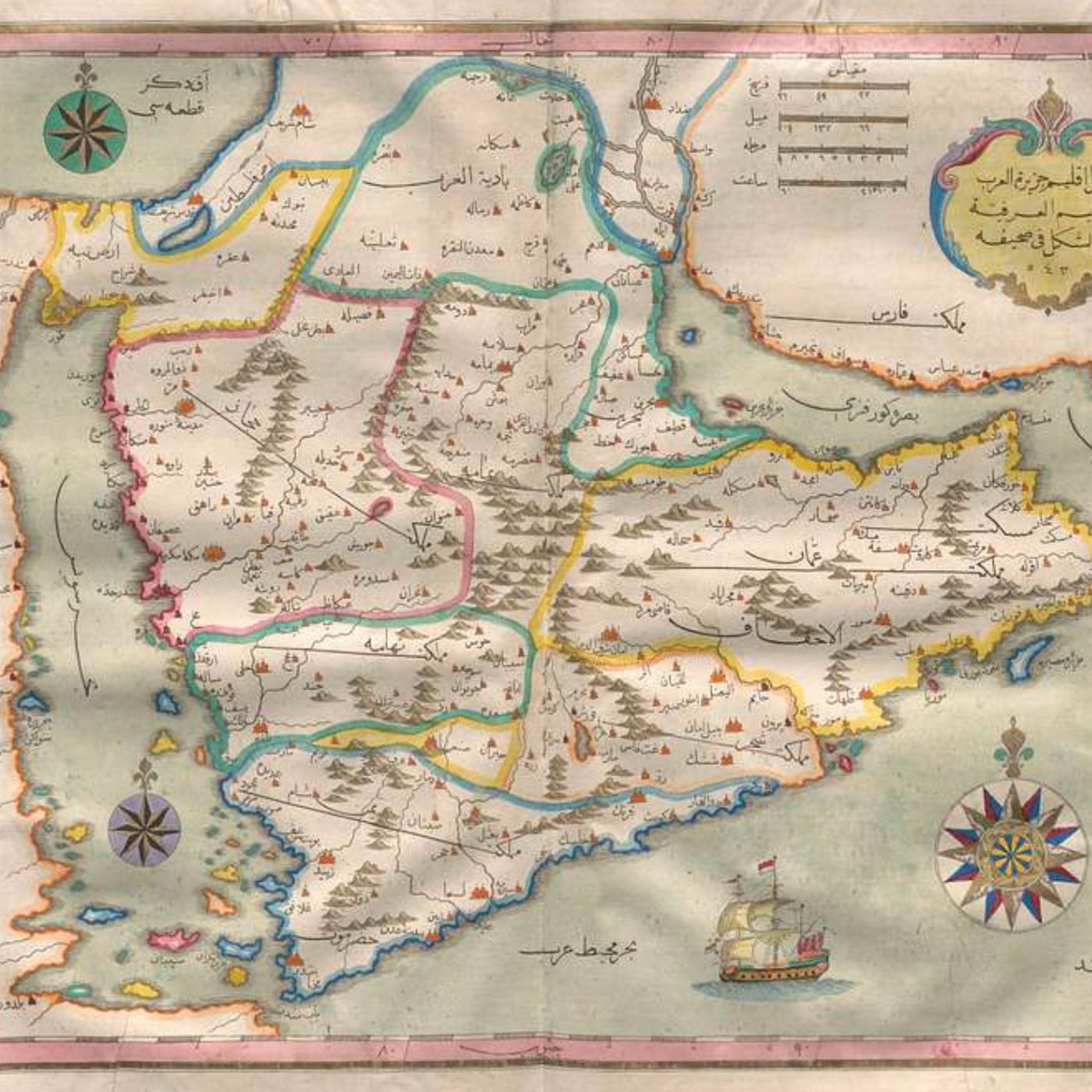
1802-3 Regional Instability and Internal Iranian Resistance — Part Two Jonathan Schanzer outlines potential Israeli targets, including Iranian energy infrastructure, IRGC leadership, and the domestic repression apparatus. He highlights growing resistance among marginalized minorities such as the Baluch, Kurds, and Arabs, and warns that rising Houthi control near the Bab el-Mandeb threatens critical international shipping routes. (4)
1585 Asymmetric Warfare and Threats from Iran — Part One Jonathan Schanzer evaluates the ongoing asymmetric conflict with Iran following military strikes and regional retaliation. He details threats targeting US officials in Washington, notes Ayatollah Mojtaba Khamenei’s secluded bunker command alongside IRGC hardliners, and warns that current low-level exchanges could easily escalate into a broader regional conflagration. (3)
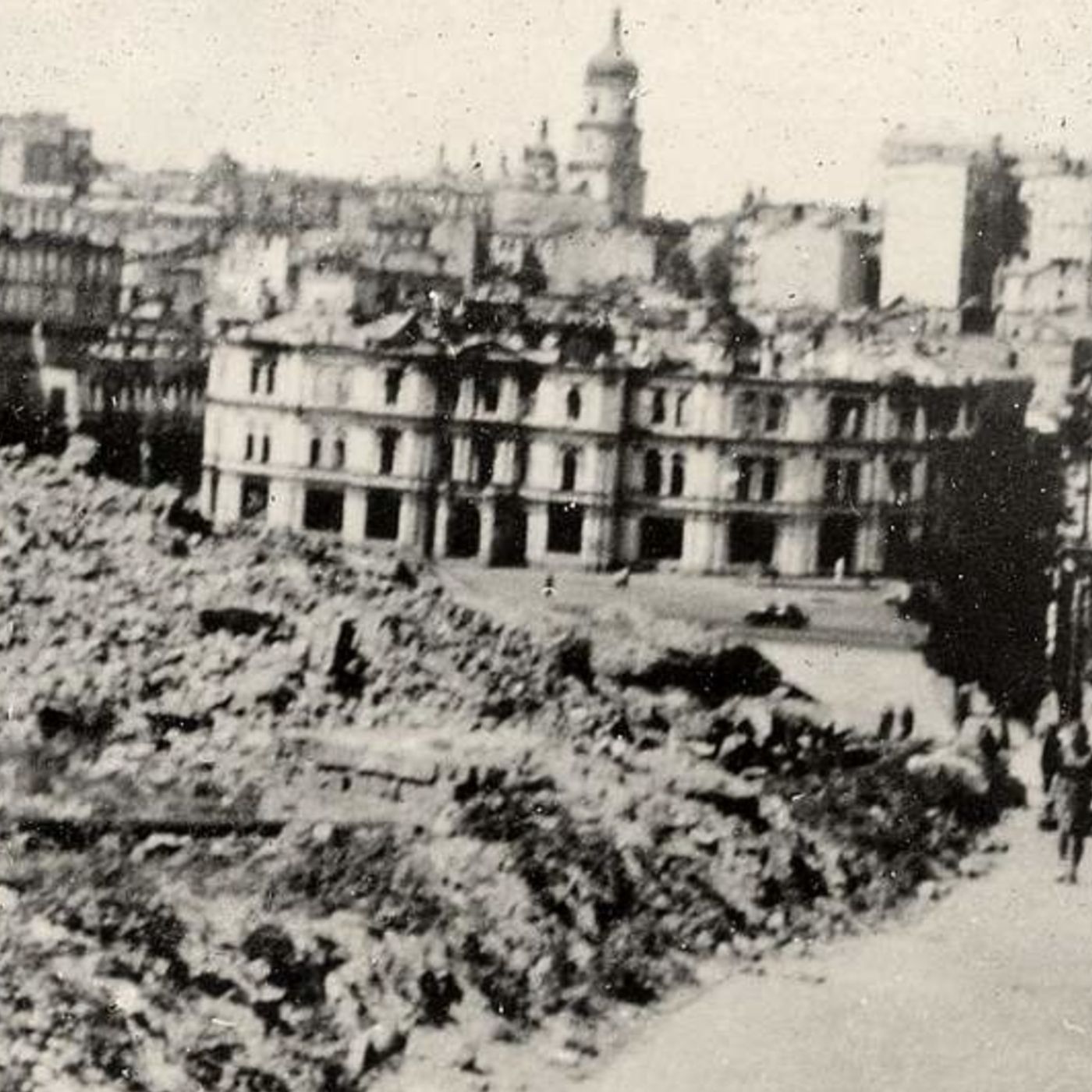
1941 KYIV Navigating Peace Frameworks and Energy Security — Part Two Anatol Lieven addresses the economic toll of the Ukraine war, including surging energy prices and destroyed infrastructure like the Kerch Bridge. He outlines the essential elements of a viable European security architecture, noting that while reciprocal troop adjustments are possible, Russian demands for Ukrainian territorial withdrawal remain unacceptable barriers to peace. (2)
1945 YALTA Great Power Summitry and Nuclear De-escalation — Part One Anatol Lieven analyzes the Shenzhen summit of Donald Trump, Vladimir Putin, and Xi Jinping. While immediate breakthroughs were absent, Lieven emphasizes that Cold War precedents show great-power communication is vital for reducing direct nuclear risk and establishing de-confliction channels despite ongoing proxy warfare. (1)
It’s the quarter finals! Only 5 talented bakers remain to bake it out during Caramel Week. Treacle tarts, nougat, praline and a very sticky technical keep the finalists on their toes (and doughs!). Kimberly, Katie and Jake have watched their teams dwindle but its still a fairly even playing field for who will take home the coveted Bake Off platter! And in this classically difficult week, who will get stuck in the weeds and who will crystallize into the star baker du jour? On your mark…get set…A DATE WITH THE BAKE!
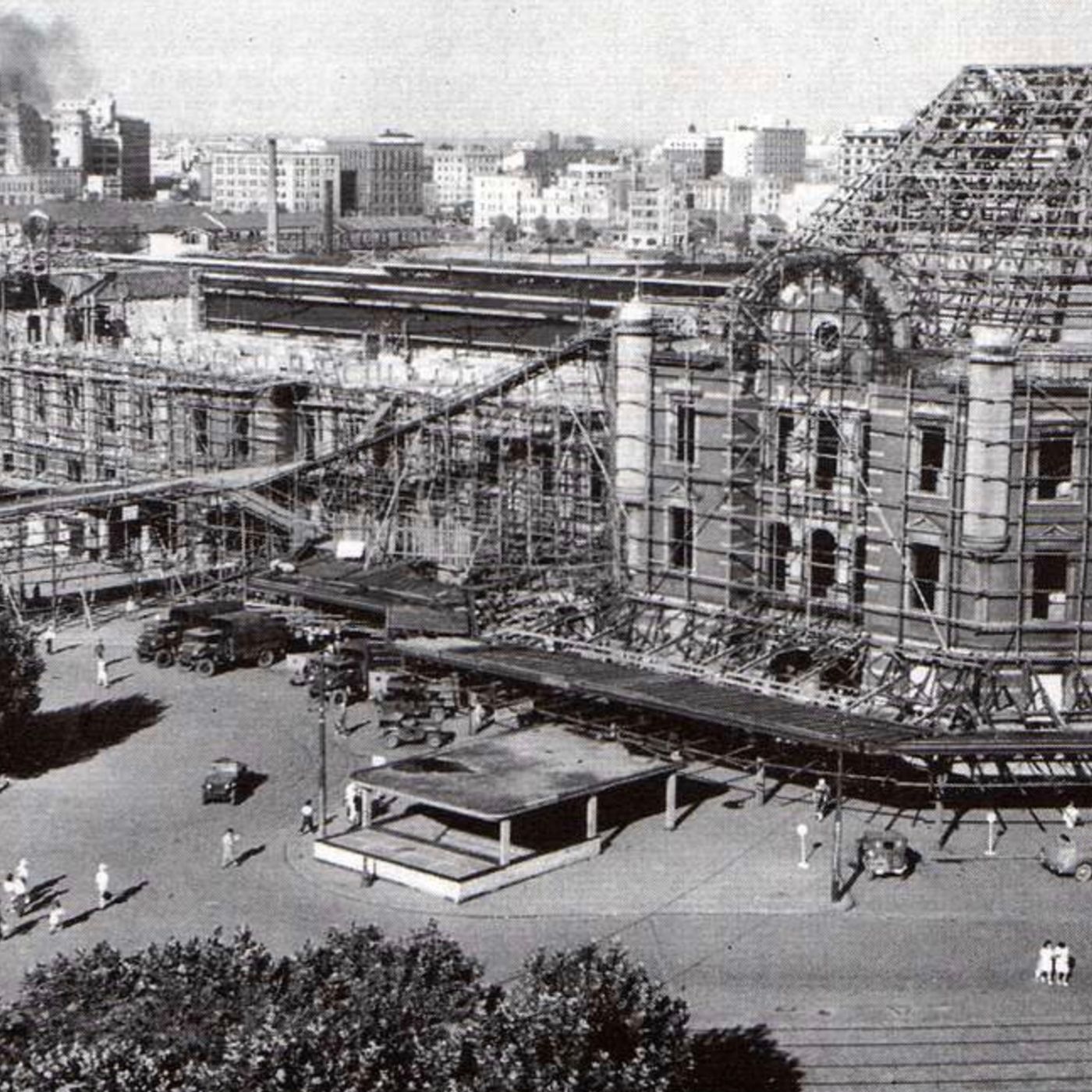
1946 TOKYO TRAIN STATION STREAMING-MAKING THE JOHN BATCHELOR SHOW-11-19-2026 This source features a global panel discussion hosted by John Bachelor, connecting experts across three continents to analyze current geopolitical conflicts, economic data, and international relations. The conversation covers the ongoing asymmetric Iran war, potential threats from proxy groups like the Houthis, and regional insurgencies involving minorities such as the Baluch. In addition to Middle Eastern instability, the participants discuss the weather, commodity prices, and currency fluctuations affecting everyday life in Europe and Asia. Lance Gatling provides economic and diplomatic insights from Tokyo, while Simon Constable evaluates European agricultural markets and energy costs from the south of France. Finally, the panel critiques recent diplomatic meetings in Shenzhen, drawing historical parallels to the Yalta Conference regarding the shifting balance of power among global superpowers.
Baking timers are officially counting down to the finale and our remaining bakers are being put to the test in a week that is all about which many traditional baking ingredients are verboten. But this year, The Great British Baking Show has taken the idea of free-from desserts and made it a party affair! Kimberly, Katie and Jake have their party hats firmly positioned at a jaunty angle and opinions firmly positioned on who is struggling without butter, eggs, gluten… whatever the case may be. And while the challenges seemed to center on children themed events, the level of skill required to make tasty bakes is an experienced adults only affair! Is there a gluten-free genius, a plant-based Picasso or a dairy-free dynamo in the tent? On your mark…get set….A DATE WITH THE BAKE!
The Gilded Age is back! I’m not just talking about the billionaires of today, or the hit HBO series (https://news.artnet.com/art-world/john-singer-sargent-the-gilded-age-hbo-2660432), but a new exhibition (https://www.metmuseum.org/exhibitions/designing-the-gilded-age-drawings-from-the-studios-of-louis-c-tiffany) at the Metropolitan Museum of Art dedicated to the spectacular designs of Louis Comfort Tiffany (https://news.artnet.com/art-world/louis-comfort-tiffany-met-nassau-market-2799918). That name will ring a bell for anyone with a passion for decorative arts. Around the turn of the 20th century, Tiffany and his studio revolutionized the field, creating dazzling stained-glass windows, lamps, and other decorative objects. These works were marvels of their time, transforming private homes and public buildings. Today, they’re touchstones of American decorative arts and remain highly sought-after by collectors. The Met's exhibition takes us behind the scenes of these enduring designs. I