Join Anne Karber, Cameron Karber, Brittany Karber, and Thomas Carpaneto as they dive deep into the art of intergenerational communication, tackling emotionally charged topics like trans rights and abortion. This episode showcases a raw, honest family conversation, providing a blueprint for discussing sensitive issues with respect and a commitment to understanding. Discover practical strategies for navigating generational divides and fostering healing within your own relationships. Learn how to move from reactive arguments to productive dialogue, finding common ground even on the most contentious subjects. A must-watch for anyone looking to improve family communication and bridge societal divides. What You'll Learn: The importance of setting ground rules and intentions for difficult conversations. Practical tools like 'triggerfish' (to pause conflict) and 'odd man out' (to encourage self-reflection). How personal triggers and past traumas influence communication on sensitive subjects. D
You don't have to be fast, experienced, or perfectly prepared to become a triathlete. But if you've ever felt overwhelmed by swim workouts, bike skills, training plans, or the idea of your first race, you're definitely not alone! In Episode 169 of the Find Your Edge Podcast, Coach Chris Newport sits down with triathlon coach and author Alison Freeman to discuss her new book, Unlocking Triathlon, and how athletes can approach the sport with more confidence. Alison shares why triathlon training should reflect your individual experience in swimming, cycling, and running—not a generic plan that assumes everyone starts at the same level. In this episode, you'll learn: How to start triathlon training without getting overwhelmed Why preseason fitness matters before jumping into a race plan How to develop confidence with cycling and other technical skills Why strength training belongs in a triathlete's routine How to build fitness gradually while reducing unnecessary injury risk Why there's no
Andreas Almgren has set records in the European road 10K and half marathon, but hadn't run a marathon until this year's New York City race. Which he won. He talks to Dr. Sanjay Gupta about how data and training give him confidence Madeleine Thompson and Sofia Sanchez produced this episode. Video production by Jilanne Doom, with assistance from Jasmine Brooks and Andrew Quimby. Andrea Kane is the medical writer. Dan Dzula is the technical director, and Dan Bloom is the showrunner. Ben Tinker is vice president of news at CNN, and Zach Goldbaum is senior director of podcasts at CNN.
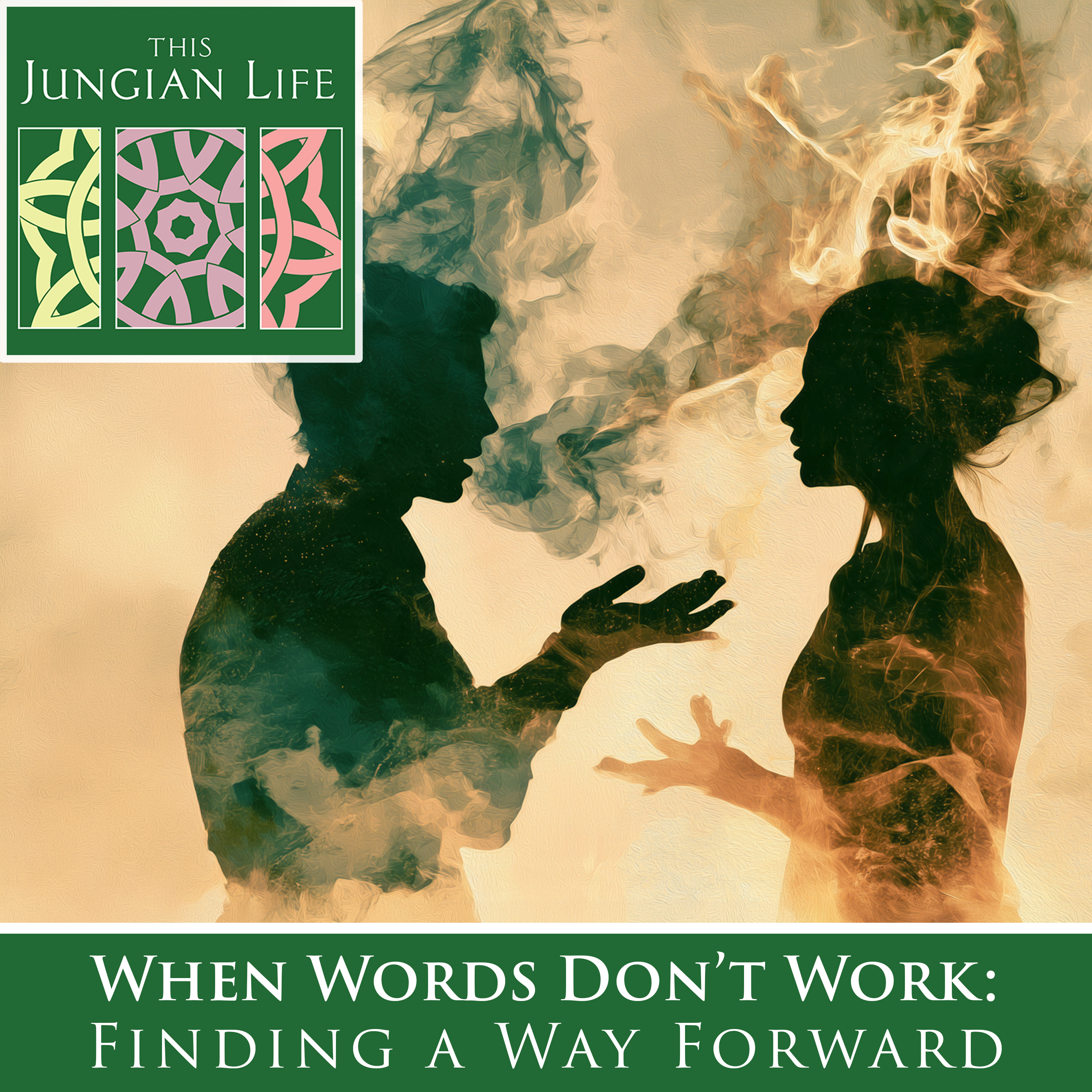
Whether it’s an intractable dispute at the United Nations or a teenager’s dirty clothes on the floor, some conflicts are impossible to solve with words. When we raise difficult issues in our relationships, such as whether to have a child, address a partner’s alcohol consumption, or negotiate spending, we may discover that the other person stonewalls. A refusal to engage can take us from one difficult question to another: what does obstruction say about the relationship? Are we strong enough to handle difficult conversations? When repeated attempts at communication fail, a different approach may be needed. Deb shares her mentor’s rule: if you have clearly raised an issue three times without a meaningful response, it is time to step back and find support, perhaps from a friend, a therapist or a lawyer. This can lead to self-examination, a new perspective, or facing a painful reality and developing the strength to act. The famous conflict between Jung and Freud proved unresolvable, leadin
Dendritic cell vaccines for cancer have mostly failed for decades. PhD immunologist Dr. Matt Halpert explains why: dendritic cells, the cells that give your immune system its orders, need two matching signals before they switch on. Gary and Dr. Halpert break down why the immune system often ignores tumors, how a personalized vaccine is built from a patient’s own tumor and blood, why to save tumor tissue before treatment, and what his FDA trials are testing. Don’t guess, test. Connect with Dr. Matt Halpert Website: https://bit.ly/3WF2zxw Instagram:https://bit.ly/4zeYDku Facebook: https://bit.ly/4kaIFEr LinkedIn: https://bit.ly/4iEcXyg Thank you to our partners BREW: THE ULTIMATE COFFEE: https://bit.ly/4elHM82 COLD LIFE: THE ULTIMATE HUMAN PLUNGE: https://bit.ly/4eULUKp GENETIC METHYLATION TEST (UK ONLY): https://bit.ly/48QJJrk GENETIC TEST (USA ONLY): https://bit.ly/3Yg1Uk9 GOPUFF: GET YOUR FAVORITE SNACK!: https://bit.ly/4obIFDC SNOOZE: LET’S GET TO SLEEP!: https://bit.ly/4pt1T6V WHOOP
A hypnosis session built on movie metaphors for anyone standing at the edge of something new. Hear the call to adventure and find the courage to answer it. In this session: Why every great story begins with a call to adventure Recognising the call in your own life, even when it feels uncomfortable Moving past the hesitation that makes us refuse or delay Borrowing the courage of film heroes as you step into the unknown Leaving with a clear sense of your next brave step FREE STUFF AND DISCOUNTS: Get $25 to Spend at The Hypnotist Store Find the Hypnosis Session You Need No more scrolling through hundreds of podcast episodes. What's Your Hypnotic Type? About 4 minutes. Take the test (https://adamcox.co.uk/suitability-test/) Work With Adam Directly Trusted by CEOs, celebrities, and royalty worldwide. Connect With Adam All links (https://adamcox.co.uk/links/) | [email protected] | @adamcoxofficial (https://www.instagram.com/adamcoxofficial/) Tags: Movie Metaphors, The Call to Adventure, her
Independent. Unfiltered. Yours. For the full episodes please subscribe to either: In this episode we cover: Dr Scott Mitchell was an A&E doctor on the frontline throughout the pandemic. When he raised concerns about COVID era policies and the vaccines, particularly vaccinating children, he found out very quickly what happens to doctors who ask the wrong questions. In this episode we discuss critical thinking in medicine, how a study can be designed to fail, the danger of groupthink, and the damage lockdowns did to mental health and non COVID illness. We talk about the suspension of cardiologist Dr Dean Patterson, the double standards of the GMC, the ineffectiveness of the BMA, and the isolation doctors face when they speak out. At the heart of it all: informed consent, coercion, and the loss of medical confidentiality at work. Scott now lives and works in China. Is it the social credit dystopia we’re told it is, or something else entirely? Listen and make up your own mind. This episode
If you go on the internet, you'll find a lot of experts using the internet to tell us why the internet is destroying our kids' mental health. But Ginny Yurich, the founder of 1000 Hours Outside and author of Until the Streetlights Come On, says the decline in kid and teen mental health started in the sixties, and is more linked to kids having less autonomy and time outside, and too much structure with school and extracurriculars. Michael speaks with Ginny about where the 1,000-hour number comes from, how busy families fit it in, how to handle screens without banning them, why bad weather and a little discomfort are good for kids, and where any family, or any adult, can start. They discuss: (00:00) Cold open (00:47) Where 1,000 hours comes from (05:32) Her first good day as a mom (09:25) Minutes outside, hours on screens (11:21) When both parents work (14:56) It works for adults too (17:48) Getting screen-loving kids outside (23:29) Screen time without saying no (25:56) Why play takes 4
On this episode of Peak Human, Brian sits down with Dr. Andrew Ross, a DO and collagen expert at Darling Ingredients. Before medicine, he trained to be a professional hockey player, and he later did a residency in orthopedic surgery. Dr. Ross explains that collagen does a lot more than help your hair, skin and nails. Its small peptides survive digestion and send signals to your cells, telling them to rebuild cartilage, bone, skin and the extracellular matrix, the collagen framework all your cells live on. Brian and Dr. Ross talk about why plant-based "collagen" isn't real collagen, and about a specific collagen peptide blend that gets your body to release more of its own GLP-1 and GIP before a meal. They also cover how collagen compares with whey, what it does for tendons, gut health and aging bones, why vitamin C matters (that's why pirates lost their teeth to scurvy), and what to look for when you buy a collagen supplement. Underneath it all is one idea: our bodies work best on natur
Shannon Moore (@theshannonmoore (https://www.instagram.com/theshannonmoore/)) is a professional wrestler best known for his time in WCW, WWE and TNA. He sits down with Chris Van Vliet in Orlando, FL to discuss his time in WCW in 3 Count, being at the final Nitro, how he got signed by WWE, being a follower of Matt Hardy V1, taking a painful bump from Brock Lesnar, how he returned to WWE after getting released, overcoming addiction, helping others with their addiction battles, and more! Please support our sponsors: Max $20 discount HELIX SLEEP: Flash sale! PURE PLANK: The future of core fitness! Follow CVV on social media:
Morgan seeks Dr. Laura’s guidance on how she can best support her mother as a daughter while witnessing her father’s treatment of her mother, who is experiencing physical or cognitive decline. Got a dilemma? Follow on social media: Facebook.com/DrLaura (http://facebook.com/DrLaura) YouTube.com/DrLaura (http://youtube.com/DrLaura) Join the Dr. Laura Family!! >> Receive my weekly newsletter, perks, and more! Sign up now, it's FREE > DrLaura.com (https://www.drlaura.com/) Hosted by Simplecast, an AdsWizz company.
You know that uneasy feeling when someone or something gives you the creeps? Is your brain picking up on a hidden danger, or is something else going on? There's some fascinating science behind what makes things creepy and why certain people and situations trigger that feeling. https://www.smithsonianmag.com/science-nature/science-creepiness-180957093/ The world doesn't smell the way it used to. Some odors that were once part of everyday life have disappeared, while others have taken their place. But did people in the past actually smell worse than we do today? What did cities and homes smell like centuries ago? And why haven't we figured out how to eliminate unpleasant smells? Will Tullett, a historian and senior lecturer at the University of York, has spent years studying the history of smell. He joins me to reveal how smells have changed over time, how they shape our lives, and why the history of odors is surprisingly fascinating. He is the author of Sniff: A History of Smells (https
New research on supplements and red yeast rice. Upcoming webinar: How to Prevent and Treat Migraines Naturally. Register here (https://nutritionfacts.app.neoncrm.com/forms/web-1120-podcast). This episode features audio from: Why I Don’t Recommend Policosanol Cholesterol-Lowering Supplements (https://nutritionfacts.org/video/why-i-dont-recommend-policosanol-cholesterol-lowering-supplements/) Why I Don’t Recommend Red Yeast Rice Cholesterol-Lowering Supplements (https://nutritionfacts.org/video/why-i-dont-recommend-red-yeast-rice-cholesterol-lowering-supplements/) How to Lower Cholesterol with Supplements That Actually Work (https://nutritionfacts.org/video/how-to-lower-cholesterol-with-supplements-that-actually-work/)
Patrick Coles “I think it’s very important to differentiate between defence mechanisms and actual diseases.” – Patrick Coles Patrick obtained his PhD in Chemical Engineering at Berkeley and his MPhil in Biochemistry at Cambridge. He has co-authored over 170 research papers in physics and computer science. He invented the Toxin Sequestration Theory (TST) of cancer, and he is currently rewriting the theory of disease in terms of toxicity. Patrick’s Top Tips Trust your body. Don’t try to attack your body’s defences. Things like fever, allergies and inflammation are your body protecting you. Give it a healthy, nourishing diet and it’ll do the rest. Carnivore is the diet lowest in toxins. Keto is very good too, because it cuts out sugar, fructose and seed oils. Carnivore just takes it one step further. Keep an open mind and question things. Don’t take things at face value. Trust your own ability to think logically, because you might reason things through better than your doctor Resources Me
Our General Surgery Oral Board Review material includes: 123 audio scenarios 10 interactive video scenarios 97 operative descriptions Oral Board Simulator credits Audio: Each scenario includes two parts. Part A is a perfectly executed general surgery board scenario that mimics the real thing. Scenarios are 5 to 7 minutes long and include a variety of tactics and styles. If you are able to achieve this level of performance in your preparation you are sure to pass the oral exam with flying colors. Part B introduces high-yield commentary to each scenario. This commentary includes tips and tricks to help you dominate the most challenging scenarios in addition to practical, easy-to-understand teaching that covers the most confusing topics we face as general surgeons. We are confident you will find this unique, dual format approach a highly effective way to prepare for the general surgery oral board exam. Please check out the preview episodes below that include Parts A and B, with and withou
Get the 200+ Page Optimal Living Daily Workbook (PDF) - Free. Want to turn today's episode into an actionable plan? Episode 3603: Rachel Trotta explains how running form contributes to injuries, starting with the most important rule of all: listen to your body instead of running through pain. She shares a set of simple, time-tested guidelines, including short fast strides, an energetic gait, breathing on odd numbers, a forward lean, level hips, dynamic warm-ups and knowing when to stop a run. It is practical fitness advice for running longer and staying healthy. Read along with the original article(s) here: https://racheltrotta.com/fitness/why-do-runners-get-injured-running-form/ Quotes to ponder: "If you want to run faster, further, and longer throughout your lifespan, it pays to listen to your body!" "In other words, what feels right is usually right!" "Keeping the foot strike under the knee upon landing automatically fixes heel strike issues."
What if the key to building better relationships, making meaningful connections, and changing your life starts with mastering the art of conversation? In this episode, I share five simple ways to turn small talk into genuine connection, from asking better follow-up questions and embracing vulnerability to knowing when to leave people wanting more. You'll learn how to break out of awkward conversations, connect with anyone, and create relationships that could change your life. break through what’s keeping you from your next level. Get $100 off your ticket: direction, and focus in life. Rich Roll, and Dr. Steven Gundry. Hosted by Simplecast, an AdsWizz company. See https://pcm.adswizz.com advertising.
You know the moment. You step up to the start line of a race, go to present a pitch at work, or sit down for an important interview or test, something you’ve rehearsed so many times you could do it in your sleep. And yet, on the biggest stage, with people watching, it doesn’t feel so automatic anymore. Your heart’s beating out of your chest. Your voice gets shaky. You think about bowing out entirely. Maybe your performance even falls apart. You choked. Why? Surprisingly, it has nothing to do with how much you care or your skill level. In fact, it’s sometimes the ones who care or prepare the most that choke the hardest. Understanding why this happens, how to prevent the choke, and, if you can't, what to do in the moments during and after, is the key to performing well when the pressure is on. Thanks! Spotify (https://open.spotify.com/show/08qLiDYVaUURcOD7MmsQBf) PocketCasts (https://pca.st/94v1jrn2)
Dr. Will Cole, Emily, and Andrea answer three listener questions on this Ask Me Anything: the truth about tonsil stones and recurring respiratory infections, a deep dive into microdosed nicotine patches for long COVID and chronic fatigue, and whether parasites can be behind intrusive, OCD-like thoughts. For all links mentioned in this episode, visit www.drwillcole.com/podcast (http://www.drwillcole.com/podcast) If you’ve been waiting for the right moment, this is it. Head to WaldenU.edu (http://waldenu.edu/) and take that first step. Go to HANSforDogs.com/WILLCOLE (http://hansfordogs.com/WILLCOLE) and make sure to use the code WILLCOLE get $30 off your first month. https://www.joincrowdhealth.com/ Use code DOCTORCOLE to become a CrowdHealth member for just $99 per member, per month for your first three months. Take a quick style quiz and be sure to select WILLCOLE when prompted to unlock this offer. Don’t wait to start checking everyone off your list. Produced by Dear Media. (https://d
Paula, Eric, and Nick are back for episode 243, working through a big stack of listener questions. We dig into where each of us started in the sport, Eric’s hip ahead of the Pacific Trails 50K, and a few debates that got a little heated. We also get into some Ironman, Kona, and short course vs long course talk. This week we discussed: How fit were we when we started? Our first triathlon swim, bike, and run numbers Eric’s hip, seven months post-surgery, and how Nick should pace Pacific Trails Bilateral breathing and unilateral breathing for adult-onset swimmers Short course athletes like Taylor Knibb and Vincent Luis taking on Kona Our 2026 New Year’s resolutions, and how they’re going Staying mentally checked in late in an Ironman, and whether walking is okay Ironman recovery timelines A hypothetical: Olympic cycling spot vs another shot at Kona Do you need a warm-up before racing? Eric in the Sweet 16 of the On-Yer-Left Hottest Man in Triathlon poll Will Ironman world records keep fal
EP. 290: Check out my NEW community for Gen X ladies. We are doubling down over the next 90 days on all things GLP1s: https://www.skool.com/drtyna Do women’s metabolisms really slow down in midlife? I sat down with Dr. Alyssa Olenick, PhD in exercise physiology, to talk through what the research shows about metabolism across the menopause transition, and why so many women feel like their bodies changed overnight anyway. We get into fat distribution, insulin resistance, cortisol, and why muscle and conditioning are the levers that move everything else. We also talk about the gap between the data and women’s lived experience, why fit women still get hit hard by menopause, and how to start building capacity wherever you are today. Topics Discussed: → Does metabolism slow down in menopause, or is something else going on? → Why does fat shift to the midsection as estrogen declines? → How should strength training and cardio work together for metabolic health? → Why do strength and power matt
Welcome to this week’s Midlife Minute episode! In this episode, we take a closer look at continuous glucose monitors (CGMs) for individuals without diabetes. Stay tuned to learn what the latest research says, when using a CGM might be worthwhile, and how to interpret your results to understand your own metabolic health—without unnecessary worry. IN THIS EPISODE, YOU WILL LEARN: What the research reveals about CGMs for people without diabetes How CGMs can influence people’s everyday health choices Why glucose responses to the same foods can vary between individuals Why glucose spikes can cause unnecessary anxiety How to approach a CGM trial with a clear plan What to look for when reviewing CGM data Why the gut microbiome matters for personalized nutrition How to decide whether a CGM is worth trying Connect with Cynthia Thurlow Cynthia’swebsite (https://cynthiathurlow.com/). Submit your questions to [email protected] The Midlife Pause Supplement Line (https://themidlifepause.com
"How much weight do I actually have to gain to get my period back?" is easily one of the most common, anxiety inducing questions anyone asks when navigating Hypothalamic Amenorrhea (HA) recovery. When you are putting in the work to restore your cycle, having a clear finish line or a target number on the scale feels like the only way to find control in an unpredictable process. In this episode, Jenna and Lilly unpack the biological reality behind recovery weights, addressing why fixing your sights on a predetermined number or an arbitrary BMI chart often does more harm than good. They explain why two athletes in the same sport might require completely different needs to restore ovulation, digging into the critical role that nervous system safety, energy availability, and the set point weight play in the recovery timeline. Tune in for an honest conversation on how to navigate body changes, let go of rigid scale expectations, and build the physical baseline your hormones actually need.
Can chronic stress make you sick? And is it possible to feel calmer in just 30 seconds? Rip sits down with Dr. Robyn Tiger, a physician, lifestyle medicine expert, and founder of StressFreeMD (https://www.stressfreemd.net/), to explore the powerful connection between chronic stress, burnout, sleep, nutrition, and overall health. Dr. Tiger spent years experiencing migraines, anxiety, digestive problems, and poor sleep while working as a radiologist. Despite seeking help from multiple specialists, she struggled to find answers. Her turning point came when she recognized the role chronic stress was playing in her symptoms. Today, she helps others develop practical strategies for stress management using meditation, breathing exercises, yoga therapy, and lifestyle medicine. In this conversation, Rip and Dr. Tiger discuss: How chronic stress can affect your physical and emotional health Why stress can make healthy eating, exercise, and sleep more difficult Physician burnout and the pressure