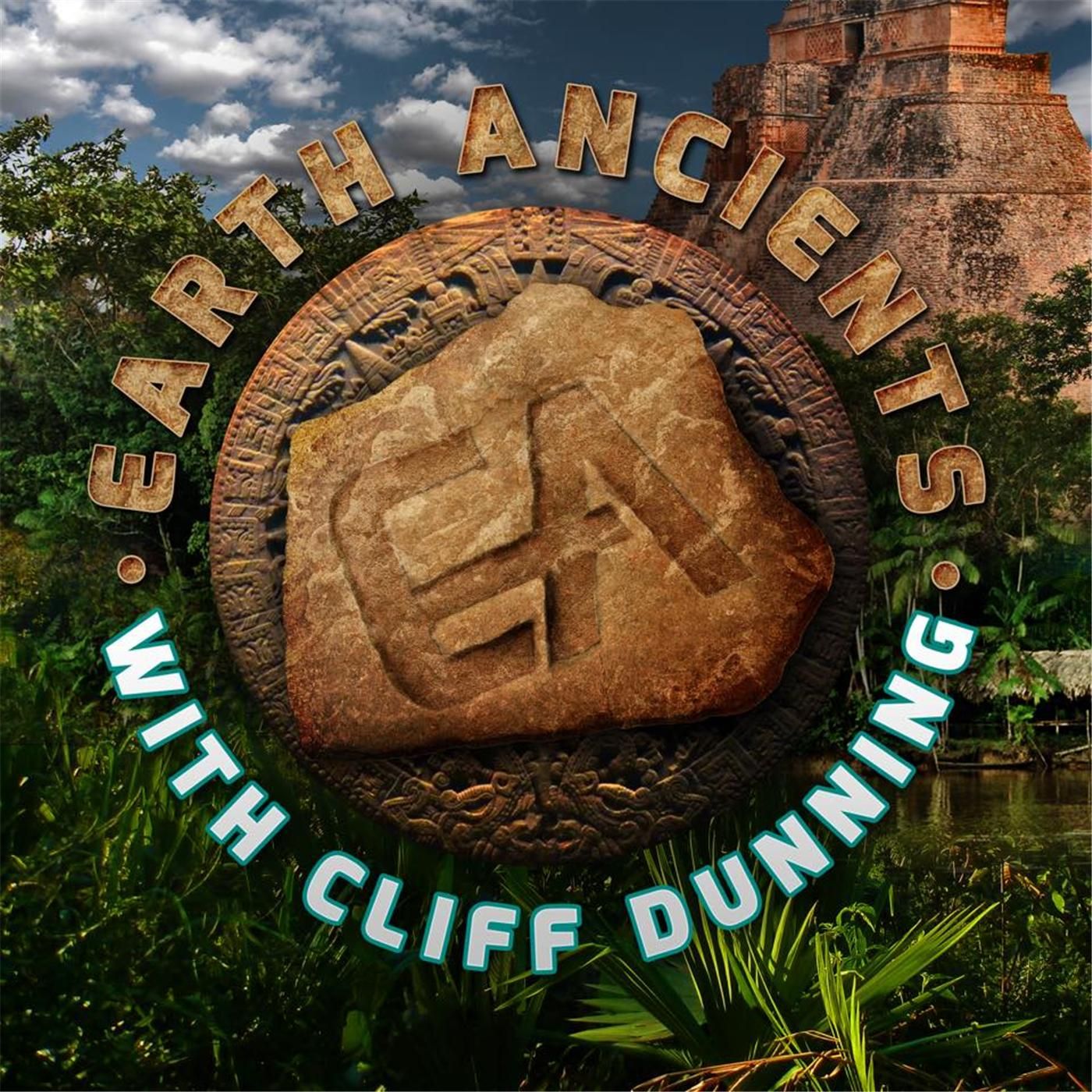
Could Viking mythology preserve memories of ancient technology, flying machines, and encounters with beings from beyond Earth? On this episode of Earth Ancients, Cliff Dunning welcomes Australian author, artist, and researcher David Lovegrove to explore his book, Viking Superpowers—Way of Asgard, and his unconventional interpretations of the Norse gods and their mysterious homeland. Drawing on his study of Old Norse and Icelandic, Lovegrove reexamines the Icelandic sagas, the Eddas, Bronze Age Scandinavian rock carvings, and unusual artifacts. He proposes that descriptions of Asgard, celestial bridges, and powerful supernatural beings could reflect encounters with advanced civilizations. We explore his interpretations of apparent flying craft, orbital stations, ancient artificial intelligence, and humanoid robotics—and ask how these readings compare with familiar understandings of Viking mythology. Who were the Aesir, and why did medieval historian Snorri Sturluson connect their origin
Dig into how scientists are attempting to revive the functionally extinct northern white rhino through artificial reproduction. Uploaded 13-08-20 -- In the savannahs of Kenya, two female northern white rhinos, Nájin and Fatu, munch contentedly on grass. They are the last two known northern white rhinos left on Earth. Their species is functionally extinct— without a male, they can’t reproduce. And yet, there’s still hope to revive the northern white rhino. How can that be? Jan Stejskal dives into the science of reviving a dying species. Lesson by Jan Stejskal, directed by Denis Chapon. Animator's website: http://denischapon.com/ Producer's website: https://animationworkshop.via.dk/ Sign up for our newsletter: http://bit.ly/TEDEdNewsletter Support us on Patreon: http://bit.ly/TEDEdPatreon Find us on Twitter: http://bit.ly/TEDEdTwitter Peep us on Instagram: http://bit.ly/TEDEdInstagram View full lesson: https://ed.ted.com/lessons/the-last-living-members-of-an-extinct-species-jan-stejskal
Today we're going to talk about how and why floods happen both in spite of, and because of, us. Specifically, we'll take a closer look at the island of Java, and its largest city, Jakarta, and explain the factors that lead to serious flooding almost annually. We'll also show you how mangroves can help protect us from flooding, and how wetlands along floodplains act like the kidneys of the Earth filtering out impurities and pollutants. Watch our videos and review your learning with the Crash Course App! Download here for Apple Devices: https://apple.co/3d4eyZo Download here for Android Devices: https://bit.ly/2SrDulJ Crash Course is on Patreon! Thanks to the following patrons for their generous monthly contributions that help keep Crash Course free for everyone forever: Toni Miles, Oscar Pinto-Reyes, Erin Nicole, Steve Segreto, Michael M. Varughese, Kyle & Katherine Callahan, Laurel A Stevens, Evan Lawrence Henderson, Vincent, Michael Wang, Krystle Young, Michael Dowling, Alexis B, Rene
Today we're going to talk about SPAAAAAACE, but not like stars and satellites and stuff. Instead, we're going to talk about geographic space. In geography, we can look at the world and the places and spaces we inhabit with four distinct lenses: space as a container, topologically, socially, and how we perceive it. On this journey, we'll make stops in Antarctica, Haiti, and China as we introduce the tools you'll need from surveying and remote sensing to community-created maps to help us better understand and navigate our world. If you want to help create maps for your community visit: https://www.openstreetmap.org (https://www.openstreetmap.org/) https://tasks.hotosm.org (https://tasks.hotosm.org/) Watch our videos and review your learning with the Crash Course App! Download here for Apple Devices: https://apple.co/3d4eyZo Download here for Android Devices: https://bit.ly/2SrDulJ Crash Course is on Patreon! Thanks to the following patrons for their generous monthly contributions that he
In this episode of Crash Course Astronomy, Phil takes you through the cause and name of the Moon's phases. Check out the Crash Course Astronomy solar system poster here: http://store.dftba.com/products/crashcourse-astronomy-poster -- Chapters: Why does the Moon Have Phases? 00:00 New Moon 2:26 Waxing Crescent 4:17 First Quarter 4:35 Waxing Gibbous 5:15 Full Moon 5:32 Waning Gibbous, Third Quarter, and Waning Crescent 6:26 Earthshine 7:20 Review 8:58 -- PBS Digital Studios: http://youtube.com/pbsdigitalstudios Follow Phil on Twitter: https://twitter.com/badastronomer Crash Course is on Patreon! Want to find Crash Course elsewhere on the internet? Facebook - http://www.facebook.com/YouTubeCrashCourse Twitter - http://www.twitter.com/TheCrashCourse Instagram - https://www.instagram.com/thecrashcourse/ CC Kids: http://www.youtube.com/crashcoursekids -- PHOTOS http://en.wikipedia.org/wiki/Moon#mediaviewer/File:FullMoon2010.jpg (http://en.wikipedia.org/wiki/Moon) http://en.wikipedia.org/wiki
Discover how alcohol impacts your body’s processes and causes hangovers, and find out what causes the most common hangover symptoms. -- The molecule responsible for hangovers is ethanol, which we colloquially refer to as alcohol. Ethanol is present in all alcoholic beverages, and generally speaking, the more ethanol, the greater the potential for a hangover. So, how exactly does alcohol cause a hangover— and is there any way to prevent one? Judy Grisel explores the surprising ways that alcohol affects the body. Lesson by Judy Grisel, directed by Anton Bogaty. Support Our Non-Profit Mission ---------------------------------------------- Support us on Patreon: http://bit.ly/TEDEdPatreon Check out our merch: http://bit.ly/TEDEDShop ---------------------------------------------- Connect With Us ---------------------------------------------- Sign up for our newsletter: http://bit.ly/TEDEdNewsletter Find us on Twitter: http://bit.ly/TEDEdTwitter Peep us on Instagram: http://bit.ly/TEDEdInsta
In this second of three conversations, Jiang and Robinson discuss secret societies, conspiracy theories, and the relationship between money and political power. They talk about Donald Trump, Elon Musk, Mark Zuckerberg, and Sam Altman, as well as capitalism, the Opium Wars, the Spanish conquest of Mexico, and Sabbatean Frankism. Throughout the conversation, Robinson challenges Jiang on the evidence for his claims, the limits of historical analogies and thought experiments, and what would distinguish a plausible story from an established explanation.Jiang’s YouTube: https://www.youtube.com/@PredictiveHistoryJiang’s Substack: https://predictivehistory.substack.com/OUTLINE00:00 Introduction09:10 Who Can Tell the President No?18:50 The Bank of England and the British Empire26:20 Conquistadors and the Opium Wars36:09 What Counts as Historical Evidence?43:33 Elites and Counterelites48:25 Secret Societies and the Rothschilds55:54 Jiang’s Account of the Sabbatean Frankists1:05:35 Sabbatai Zevi
"The Big Sink" In this episode, John and Katie take a break from talking through the universe's timeline to focus on a mystery of our cosmos: black holes. Head to https://policygenius.com/crashcourse to get your free life insurance quotes and see how much you could save. *** Support us for $5/month on Patreon to keep Crash Course free for everyone forever! https://www.patreon.com/crashcourse Or support us directly: https://complexly.com/support Join our Crash Course email list to get the latest news and highlights: https://mailchi.mp/crashcourse/email Get our special Crash Course Educators newsletter: http://eepurl.com/iBgMhY Thanks to the following patrons for their generous monthly contributions that help keep Crash Course free for everyone forever: Forrest Langseth, Emily Beazley, Neeloy Gomes, oranjeez, Rie Ohta, Jack Hart, UwU, Leah H., David Fanska, Andrew Woods, Stephen Akuffo, Ken Davidian, Toni Miles, AmyL, Steve Segreto, Kyle & Katherine Callahan, Laurel Stevens, Krystle Youn
In which Jacob and Adriene teach you about the evils of fiscal policy and stimulus. Well, maybe the policies aren't evil, but there is an evil lair involved. In this episode we learn how government use taxes and spending influence the economy. Sometimes the government gives, and sometimes it takes. And the giving and the taking can have a profound effect on how economies behave. Crash Course is on Patreon! Thanks to the following Patrons for their generous monthly contributions that help keep Crash Course free for everyone forever: Mark , Elliot Beter, Moritz Schmidt, Jeffrey Thompson, Ian Dundore, Jacob Ash, Jessica Wode, Today I Found Out, Christy Huddleston, James Craver, Chris Peters, SR Foxley, Steve Marshall, Simun Niclasen, Eric Kitchen, Robert Kunz, Avi Yashchin, Jason A Saslow, Jan Schmid, Daniel Baulig, Christian , Anna-Ester Volozh Want to find Crash Course elsewhere on the internet? Facebook - http://www.facebook.com/YouTubeCrashCourse Twitter - http://www.twitter.com/TheCr
Another "slow news week" Originally streamedLive on YouTube! (https://www.youtube.com/live/Na1_oPL8Jyk) The blue tsunami: why the election results were a surprise, and why incumbents tend to lose The political pendulum: voters keep choosing “shake it up” candidates who can’t deliver Obamacare as a Heritage Foundation blueprint that expanded access but never tackled cost Tariffs, the war with Iran and whether Hegseth should be impeached or resign Impeachment fatigue and why divided government may let Trump make deals RFK Jr., food system reform and special interests Populism on both sides: Abdul El-Sayed and Talarico Doctors who go into politics, including Amy Acton, Nirav Shah and Richard Pan Why healthcare is unsolvable inside its current paradigm Peptides, drug approval and the FDA approving things that don’t work Whether AI and drug discovery could be the paradigm shift Pluto, new dwarf planets and Neil deGrasse Tyson Better doctors or better technology? Why outcomes improved since
In this episode of Crash Course Art History, we’ll keep digging into the myth of the Great Artist, with whether we can—or should—separate artists’ personal actions and beliefs from the art they create. Art historians are exploring new ways to think about artists’ relationship to their work and how to talk about controversial art. Introduction: Great Artists or Monsters? 00:00 "Great Artists" 00:48 The Romantics & Self-Portraits 01:53 The Avant-garde & Surrealism 03:10 Van Gogh & Gaugin 04:59 Artistic Collaboration 06:39 Separating Art from the Artist 07:48 Review & Credits 10:07 Image Descriptions: https://docs.google.com/document/d/1ETiCxe4GrVzFii7dBhF42oHx1EUCCh5y12wbtUjsH8A/edit Sources: https://docs.google.com/document/d/1GW2NKzhpMNMmRyAFJVhFJG9cSfUOMRL-QrcWuHcWcIA/edit?usp=sharing *** Crash Course is on Patreon! Thanks to the following patrons for their generous monthly contributions that help keep Crash Course free for everyone forever: Leah H., David Fanska, Andrew Woods, DL Sin
View full lesson: http://ed.ted.com/lessons/why-does-ice-float-in-water-george-zaidan-and-charles-morton Uploaded 22-10-13 Water is a special substance for several reasons, and you may have noticed an important one right in your cold drink: ice. Solid ice floats in liquid water, which isn't true for most substances. But why? George Zaidan and Charles Morton explain the science behind how how hydrogen bonds keep the ice in your glass (and the polar ice caps) afloat. Lesson by George Zaidan and Charles Morton, animation by Powerhouse Animation Studios Inc.
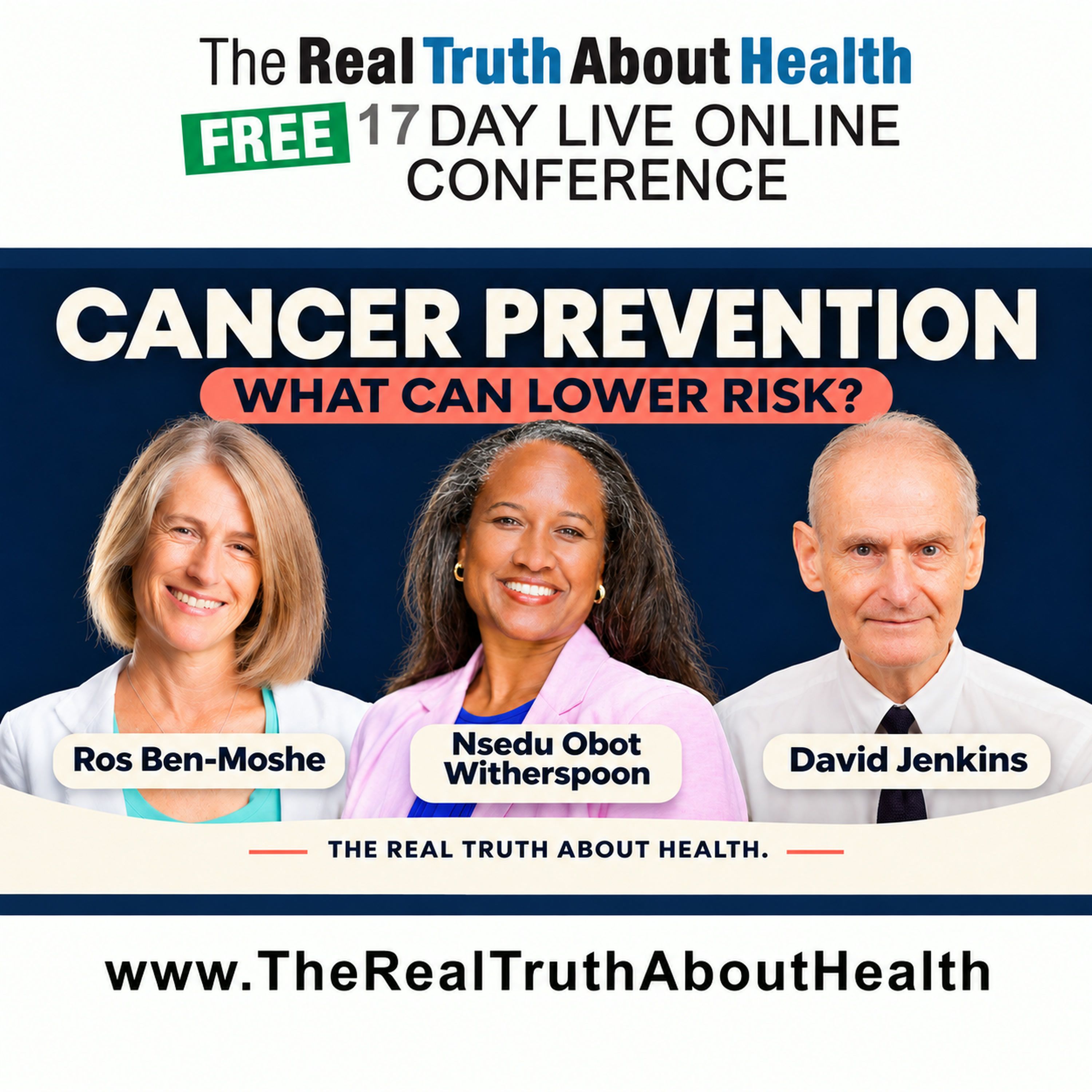
Cancer Prevention: What the Evidence Says About Lowering Risk Ros Ben-Moshe, MPH, Nsedu Obot Witherspoon, MPH, and David Jenkins, M.D., explore what the evidence says about lowering cancer risk. Learn how lifestyle, nutrition, environment, stress, and prevention-focused choices may help support healthier outcomes. #CancerPrevention #LifestyleMedicine #Health
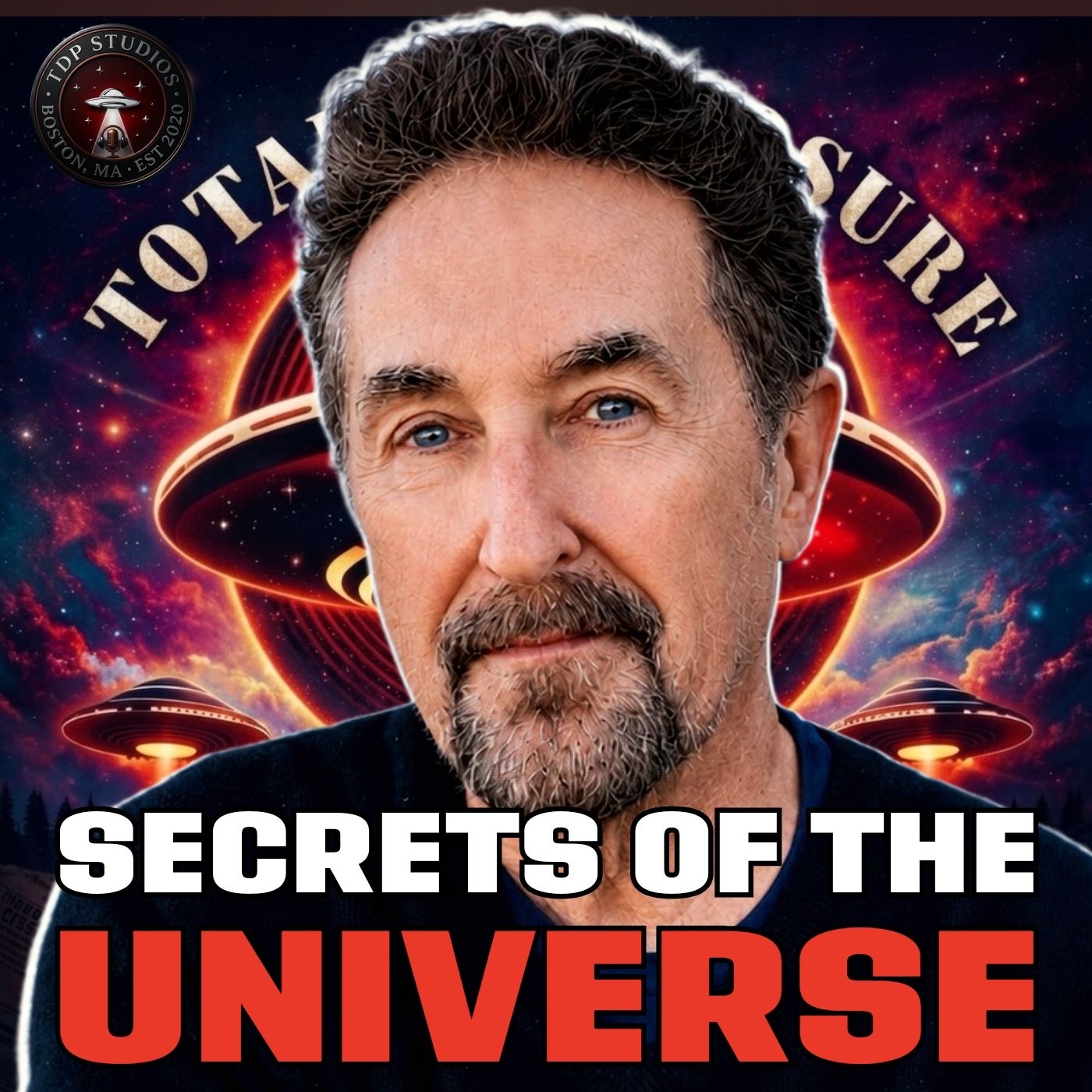
A man from the Office of Naval Intelligence crashed the premiere party for Dark Skies, told Bryce Zabel and Brent Friedman "you got a lot right," and drew something on the back of a bank envelope he called "the secrets of the universe: sound, light and frequency." They kept it in a safe deposit box for nearly 30 years. This year, they released it. Emmy-winning television creator, former CNN investigative correspondent, and former Chairman of the Television Academy Bryce Zabel joins Ty Roberts in person at The Safehouse (Waltham, MA) to talk about the ONI approach and the formula, the 1995 "WE ARE WATCHING YOU" postcard, why he believes the U.S. government has craft and bodies, the former Secretary of Energy who said he'd seen the aliens and cried himself to sleep, Dr. Phil's box of UFO documents from President Trump, A.D. After Disclosure with Richard Dolan, near-death experiences — including his own... Bryce Zabel: brycezabel.com (https://www.brycezabel.com/) • hollywoodufos.com (http
In which John Green ACTUALLY teaches about the Civil War. In part one of our two-part look at the US Civil War, John looks into the causes of the war, and the motivations of the individuals who went to war. The overarching causes and the individual motivations were not always the same, you see. John also looks into why the North won, and whether that outcome was inevitable. The North's industrial and population advantages are examined, as are the problems of the Confederacy, including its need to build a nation at the same time it was fighting a war. As usual, John doesn't get much into the actual battle-by-battle breakdown. He does talk a little about the overarching strategy that won the war, and Grant's plan to just overwhelm the South with numbers. Grant took a lot of losses in the latter days of the war, but in the end, it did lead to the surrender of the South. If you want to learn more about the Civil War, we recommend these books: Battle Cry of Freedom by James McPherson: https
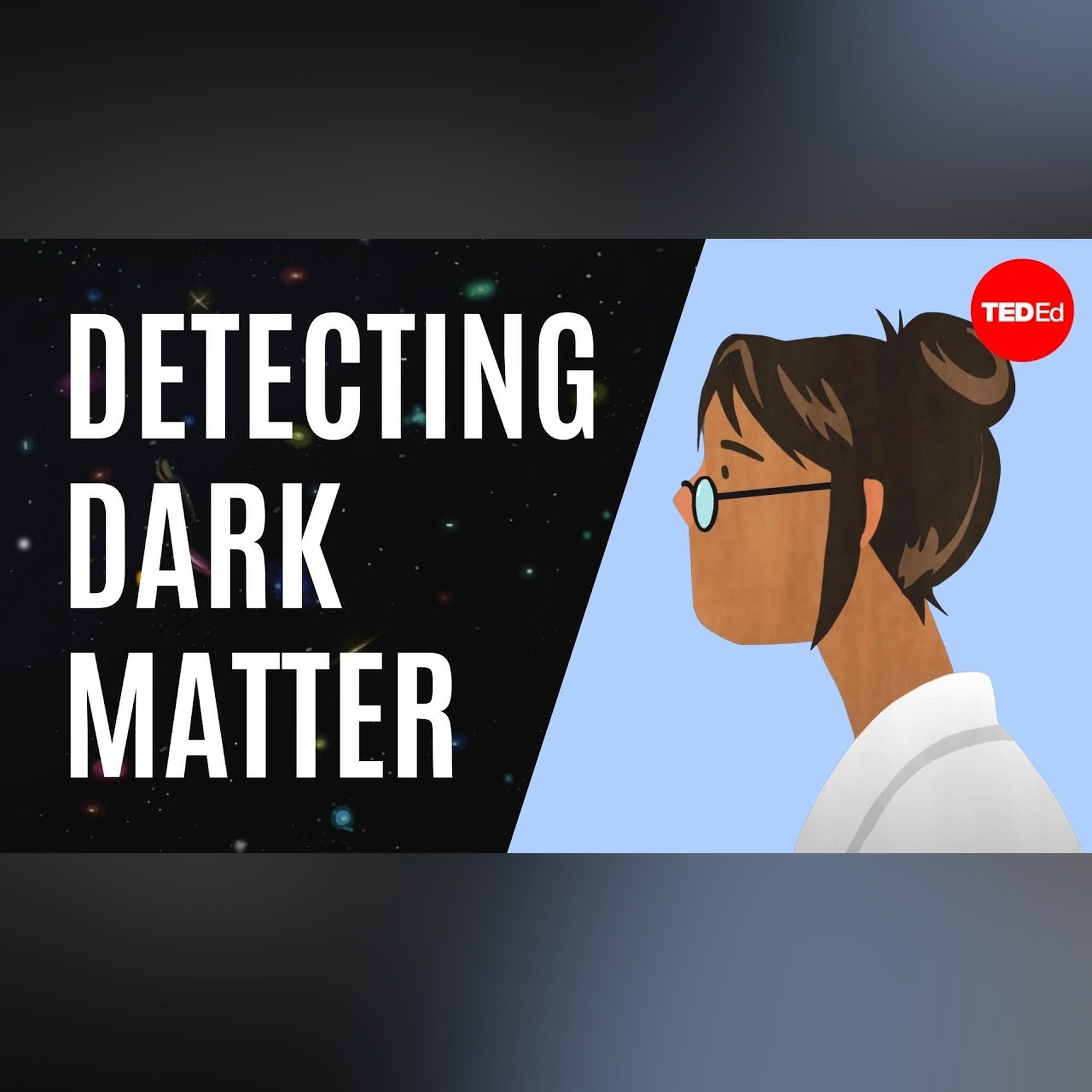
Uploaded 01-05-18 View full lesson: https://ed.ted.com/lessons/how-to-build-a-dark-matter-detector-jenna-saffin More than 2 kilometers below the surface of northern Ontario, suspended in 345,000 liters of ultra-pure water, there’s a perfect sphere. Scientists continuously monitor this chamber, looking for a glimmer of light in the darkness. Why? Because that light would indicate the presence of one of the universe’s greatest mysteries: dark matter. Jenna Saffin describes how this dark matter detector works. Lesson by Jenna Saffin, animation by TED-Ed. Thank you so much to our patrons for your support! Without you this video would not be possible! Jordan Tang, Christopher Jimenez, Juan, Tracey Tobkin, Sid, emily lam, Elliot Poulin, Noel Situ, Oyuntsengel Tseyen-Oidov, Latora Slydell, Sydney Evans, Victor E Karhel, Bernardo Paulo, Eysteinn Guðnason, Andrea Feliz, Natalia Rico, Josh Engel, Bárbara Nazaré, Gustavo Mendoza, Zhexi Shan, Hugo Legorreta, PnDAA, Marcel Trompeter-Petrovic, Sandr
Throughout this series we’ve mostly talked about pairs of electrons, but electrons don’t always have a buddy. An atom or group of atoms with a single unpaired electron is called a radical. In this episode of Crash Course Organic Chemistry, we’ll learn all about radicals including the three key steps in a radical reaction and Hammond’s Postulate, an important tool to help us understand these reactions. We’ll also see ways radicals can react with alkanes, alkenes, and alkynes. Episode Sources: Davies, K. J., & Doroshow, J. H. (1986). Redox cycling of anthracyclines by cardiac mitochondria. I. Anthracycline radical formation by NADH dehydrogenase. Journal of Biological Chemistry, 261(7), 3060-3067. Ball, P. (Interview with Nick Lane) Yes, life in the fast lane kills you. May 5, 2016. Bond Dissociation Energies https://chem.libretexts.org/Bookshelves/Physical_and_Theoretical_Chemistry_Textbook_Maps/Supplemental_Modules_(Physical_and_Theoretical_Chemistry)/Chemical_Bonding/Fundamentals_of_C
In which John Green teaches you about the Industrial Economy that arose in the United States after the Civil War. You know how when you're studying history, and you're reading along and everything seems safely in the past, and then BOOM you think, "Man, this suddenly seems very modern." For me, that moment in US History is the post-Reconstruction expansion of industrialism in America. After the Civil War, many of the changes in technology and ideas gave rise to this new industrialism. You'll learn about the rise of Captains of Industry (or Robber Barons) like Cornelius Vanderbilt, Andrew Carnegie, John D Rockefeller, and JP Morgan. You'll learn about trusts, combinations, and how the government responded to these new business practices. All this, plus John will cover how workers reacted to the changes in society and the early days of the labor movement. You'll learn about the Knights of Labor and Terence Powderly, as well as Samuel Gompers and the AFL. Chapters: Introduction: American
As winter approaches, many people wonder which plants they should move inside and which should be left out. Don’t worry, we’ve got you! Learn the do’s and don’ts of bringing plants inside, which plants to move in and which to leave out, and how best to care for your new roommates.
View full lesson: http://ed.ted.com/lessons/the-cancer-gene-we-all-have-michael-windelspecht Uploaded 19-05-14 Within every cell in our body, two copies of a tumor suppressor gene called BRCA1 are tasked with regulating the speed at which cells divide. Michael Windelspecht explains how these genes can sometimes mutate, making those cells less specialized and more likely to develop into cancer. Lesson by Michael Windelspecht, animation by Zedem Media.
A young couple with a baby needed a place to live, and an isolated house on the outskirts of town seemed like an opportunity they couldn't pass up. But the owner had an unusual question before they moved in: Were they sure they wanted to live there? It didn't take long for the family to understand why he might have asked. The mother reported seeing an angry stranger outside and hearing people arguing in the house when nobody else was there. Other relatives experienced strange activity, too, and the atmosphere became so frightening that she was afraid to leave her husband's side at night. Then, during a violent thunderstorm, the father went to check on their crying baby and discovered something he couldn't explain. What he saw moments later sent the family running into the storm. Whatever happened in that house, they refused to spend another night there. #RealGhostStoriesOnline #TrueGhostStories #HauntedHouse #FamilyHaunting #GhostlyApparitions #ShadowFigures #ParanormalEncounters #Terr
This is a Grave Talks CLASSIC EPISODE! PART TWO Growing up surrounded by paranormal books and ghost stories, Tim Woolworth never viewed the unseen world with fear. Instead, curiosity took hold early, pushing him to question what spirits are, where they exist, and why they remain. That fascination followed him into adulthood, shaping years of research and firsthand experiences in the paranormal. Rather than focusing on isolated hauntings, Tim has spent his time examining patterns—how spirits behave, what draws them to certain places, and what their continued presence might suggest about the nature of death itself. Along the way, his work led him to a deeply unsettling question: what if not all ghosts ever truly “die”? In this classic episode of The Grave Talks, Tim shares the path that led him from childhood curiosity to serious paranormal research, along with the conclusions he’s reached about the spirits that may still be walking among us. It’s a conversation that challenges assumptio
Mark visits Mar Lodge on Deeside to take a look at work that has been done on the river bank to restore the natural floodplain. Rachel is in Fife at Reediehill Deer Farm, where owners John and Nichola Fletcher have launched a major nature restoration project involving SSEN Transmission and Scotland: The Big Picture which will see 18 hectares of the farm transformed. In our Scotland Outdoors podcast this week, Helen Needham meets author Rosie Steer to chat about her latest book, Gloaming, a cosy guide to winter which has been inspired by stories and traditions from Scottish folklore. Recently, the Cairngorm National Park launched a consultation on the next five-year National Park Partnership Plan. Mark chats to park convenor Sandy Bremner about what they want to hear from people and what kind of thing the plan covers. We are joined live by Ellie Owen, a senior seabird officer at the National Trust for Scotland, to talk about a major project which has seen 40 Manx Shearwaters moved from
From sunsets to double rainbows, nature’s full of beautiful things. So it’s not surprising that artists have found inspiration in Mother Nature for millennia. What is surprising is the wide variety of human concerns that nature art has been used to convey. In this episode of Crash Course Art History, we’ll learn about the ways artists use nature to make arguments about the world around us, and our place within it. Introduction: The Nazca Plateau 00:00 The Hidden Meanings in Nature Art 01:04 Social Issues in Nature Art 03:39 Humans & the Environment 07:33 Review & Credits 10:16 Image Descriptions: https://docs.google.com/document/d/1ETiCxe4GrVzFii7dBhF42oHx1EUCCh5y12wbtUjsH8A/edit Sources: https://docs.google.com/document/d/1GW2NKzhpMNMmRyAFJVhFJG9cSfUOMRL-QrcWuHcWcIA/edit?usp=sharing *** Support us for $5/month on Patreon to keep Crash Course free for everyone forever! https://www.patreon.com/crashcourse Or support us directly: https://complexly.com/support Join our Crash Course email