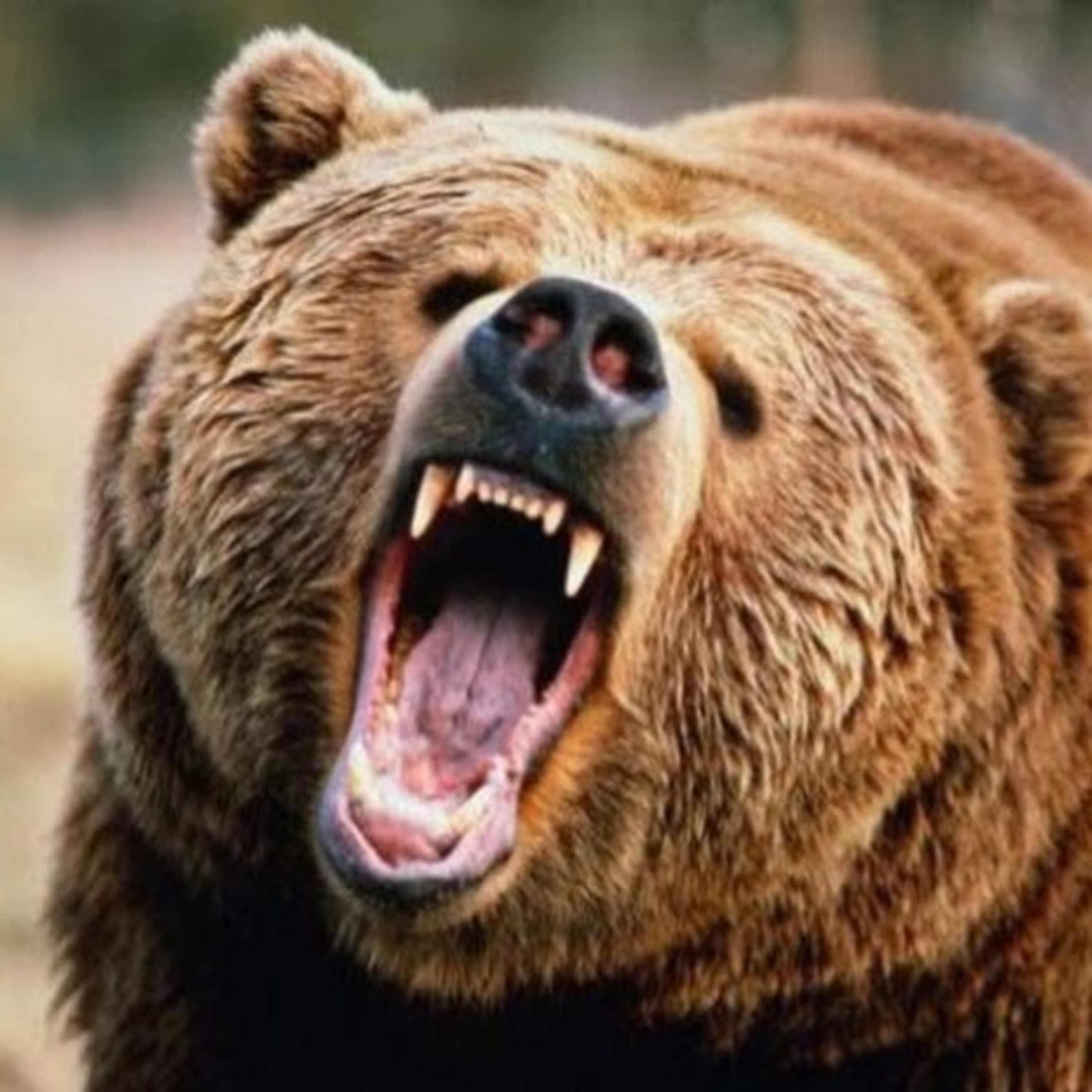
Colorado's had a record year for bear conflicts — over 6,000 sightings and confrontations reported by mid-August, nearly double where the state stood at this point last year, driven by a drought that's stripped the berry crop bears depend on. These four attacks span the state, from a legendary grizzly killing decades ago to a home invasion caught on record this year. View pictures and support us at Patreon: https://www.patreon.com/user?u=737873790:00 Intro0:10 Ed Wiseman Killed The Last Grizzly In Colorado5:18 John Richardson Black Bear Attack Colorado11:42 Black Bear Mauls Man In New Castle, Colorado19:04 Four Black Bears Invaded This Colorado Man's HouseFor more TRUE educational and entertaining content like this, subscribe: youtube.com/@scarybearattacks
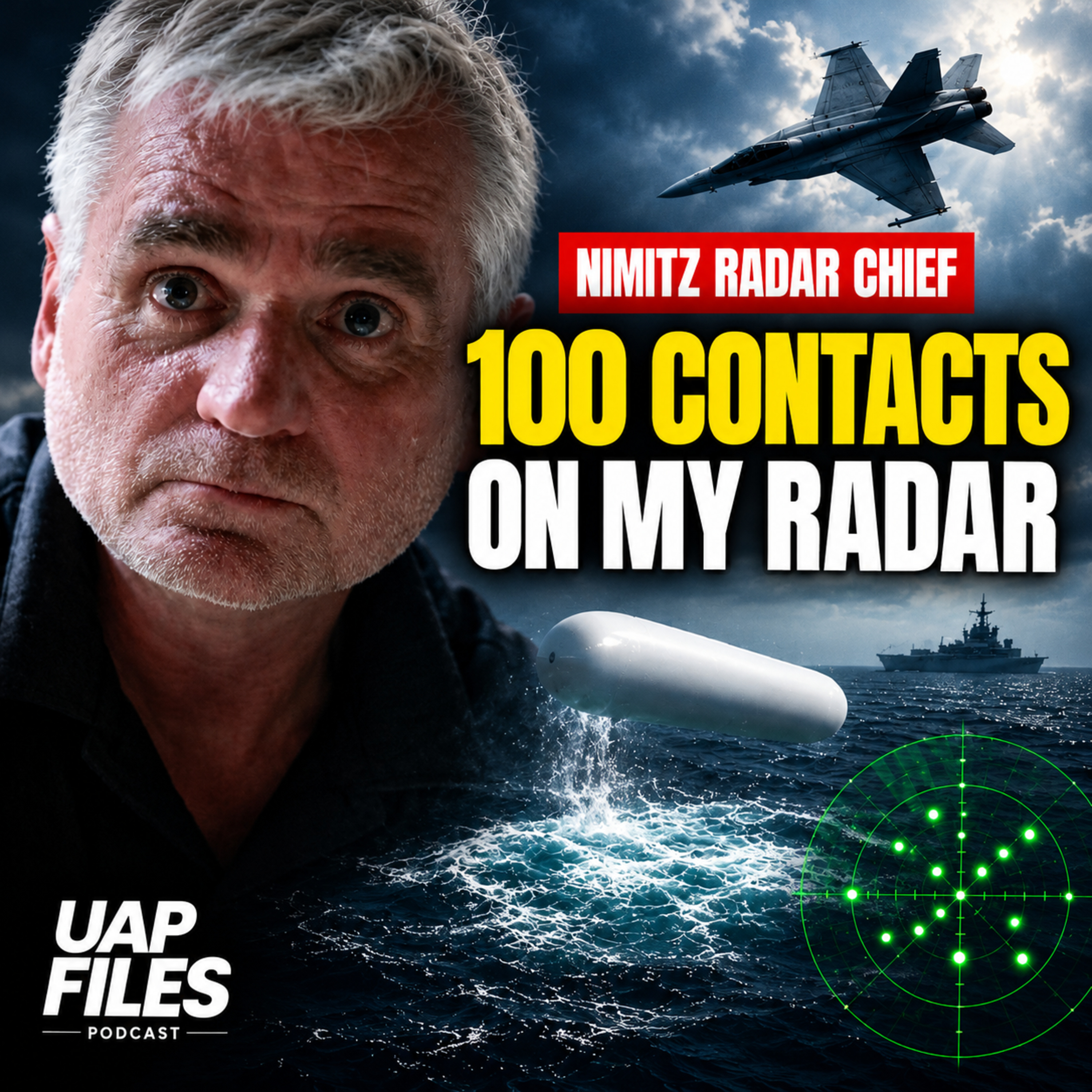
Kevin Day was a Top Gun air intercept controller with hundreds of intercepts under his belt, and everything he’d ever tracked was explainable. Then, in November 2004, odd tracks started coming down from around 80,000 feet off Catalina Island. Over 10 days, about a hundred separate contacts. Then Commander David Fravor’s flight went to intercept one, and it dropped from 20,000 feet to 50 feet above the ocean in 0.78 seconds. And the next morning, Kevin says, the data was gone. In this clip: • From Art Bell fan to radar expert who’d never seen anything he couldn’t explain • Odd tracks coming down from around 80,000 feet in groups of five to ten, then dropping to 20,000–28,000 feet off Catalina Island • About a hundred separate contacts over 10 days, all disappearing in the same spot north of Guadalupe Island • Cancelling the air defence exercise and sending Commander David Fravor’s flight to intercept • The drop from 20,000 feet to 50 feet above the ocean in 0.78 seconds, with no sonic b
As he waited Jerry noticed a few bushes jostling a short distance away from him, so he let out another mew. The animal in the bush seemed to respond to the call and headed toward him through the brush. A little over thirty yards away, a sow emerged, stepping forward as her cubs, small but alert, hung back. The hunter, surprised, brought up his rifle, but as he searched for a shot, the bear began bounding toward him. He fired one defensive shot before the bear slammed him to the ground. If the shot he fired struck the sow, she showed no signs of it. She swatted Jerry to the ground and pressed him flat beneath her bulk and power. Reigning down swats and bites from above the man, she tore gashes and punched holes in his flesh at any place she could contact. After several seconds of unrelenting violence, the sow seemed to tire and took a few steps away. As Jerry waited for a renewed attack from her, he could hear the cubs growling and squealing from the brush several yards away. It seemed
You may not realize it, but your body is like a fortress, designed to defend you from tiny foreign invaders known as pathogens. This seemingly small world is actually super diverse, and sometimes super dangerous too. That’s why in this episode of Crash Course Outbreak Science, we’re going to get familiar with all different types of pathogens like viruses, bacteria, fungi, and more! This episode of Crash Course Outbreak Science was produced by Complexly in partnership with Operation Outbreak and the Sabeti Lab at the Broad Institute of MIT and Harvard—with generous support from the Gordon and Betty Moore Foundation. Sources: https://www.ncbi.nlm.nih.gov/books/NBK209710/#:~:text=Microorganisms%20capable%20of%20causing%20disease,be%20transmitted%E2%80%94by%20several%20routes. (https://www.ncbi.nlm.nih.gov/books/NBK209710/) https://www.ncbi.nlm.nih.gov/pmc/articles/PMC4788752/#:~:text=Viruses%20initially%20stick%20to%20cell,the%20cell%20membrane%20(4). (https://www.ncbi.nlm.nih.gov/pmc/art
As they performed the tasks of unpacking and getting comfortable along the lake shore, a black bear appeared about a hundred yards from them, rustling the bushes as it emerged. Now, it wasn’t unusual to see black bears around the cabin. Most often when they saw one the bear would leave hastily, sometimes even in a hurried state, but this bear seemed different. It wasn’t afraid of the MacDonald’s as they stood in the open and likely waved their arms to show the bear that they were people, and nothing to take interest in. That is when the bear's behavior shifted a bit. Its careless stride fell into a deliberate route directly toward the couple. Its eyes were fixed on the couple and its head was low as it stalked toward them. It isn’t clear if the MacDonald’s yelled or threw things at the bear, but one thing is certain, it seemed like nothing was going to discourage it as it boldly approached the elderly couple. Once the bear had closed to within about thirty yards, it began loping, as th
As the three fishermen chatted, they watched the dark water in the ice hole they had carved out. The winter gusted often and lifted clouds of snow, which obscured their vision and shortened their ability to see to only a few yards. Consuming food kept their spirits up and warmed their bodies, chasing away the chill until the next gust of wind.Like a harbinger of things to come, a particularly strong wind blew across the bay, whipping the snow into a cloud and blinding their view. As the wind died down and the snow settled, a ghostly shape emerged from the cloud, headed directly for the group.A few facts about polar bears will convey the predicament the fishermen found themselves in. Polar bears are designed to swim in icy Arctic waters with a dense layer of fur surrounding a thick layer of buoyant blubber. They are not efficient running across land or ice, as the insulating layer of blubber and fur preserves body heat, preventing them from cooling off, even over a short pursuit. They a
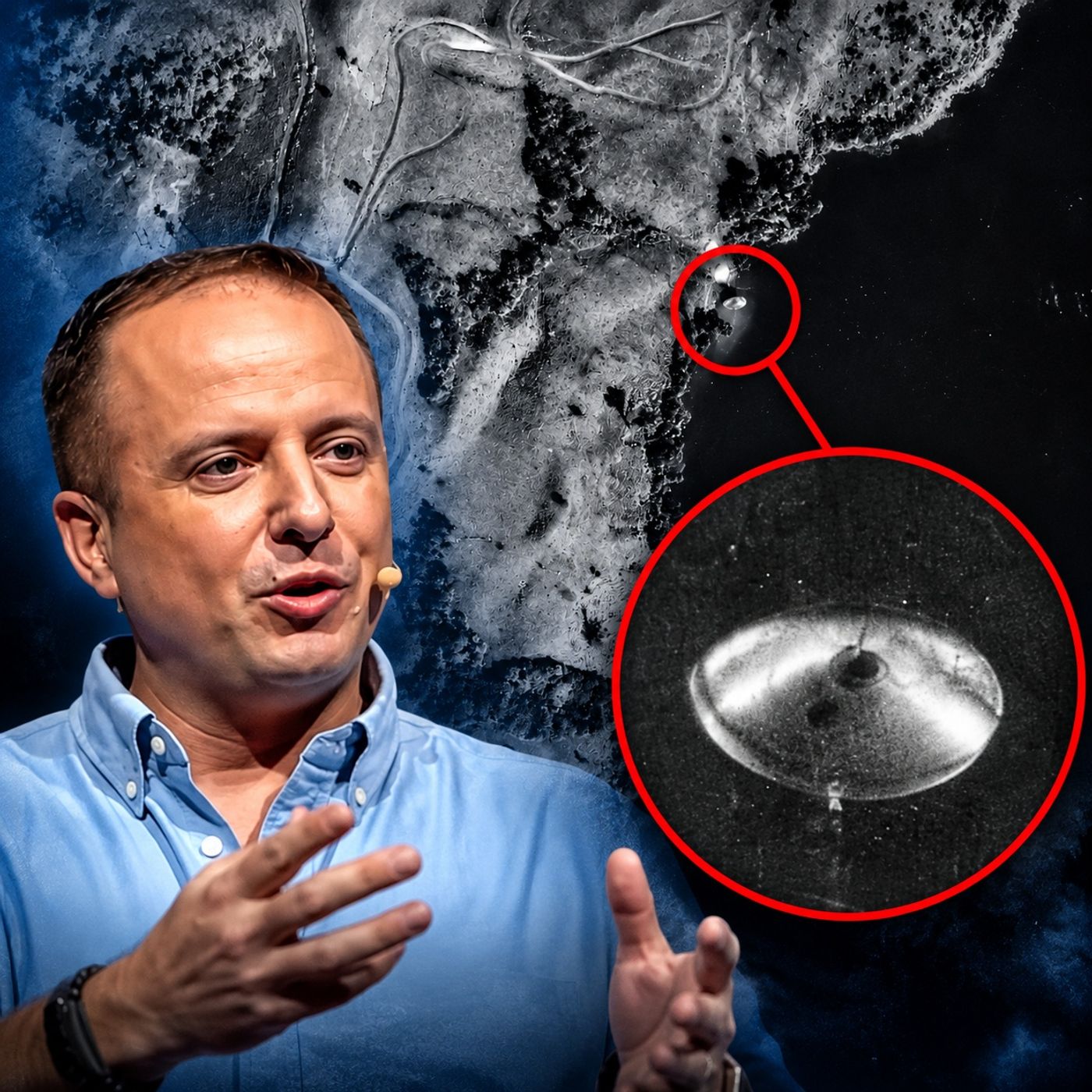
Martin Willis welcomes Costa Rican attorney and UFO researcher Esteban Carranza and filmmaker Adam Pillon to discuss The Cote Photo, a documentary investigating the mysterious disc-shaped object photographed by a government mapping aircraft over Costa Rica's Lake Cote in 1971. They explore the remarkable history of the photograph, Esteban's discovery of a rare contact copy of the original negative, a new unretouched high-resolution drum scan, and earlier investigations by Jacques Vallée and Dr. Richard Haines. The conversation also examines possible photographic explanations, witness accounts around Lake Cote and Arenal Volcano, and why this decades-old image continues to intrigue UFO researchers. Learn more and watch the documentary at https://thecotephoto.com/. SHOW NOTES (https://podcastufo.com/show-797-notes-cote-photo-esteban-carranza-adam-pillon/) CONTACT AND SUPPORT Our Website: https://podcastufo.com (https://podcastufo.com/) Twitter (X): https://x.com/PodcastUFO Facebook: http
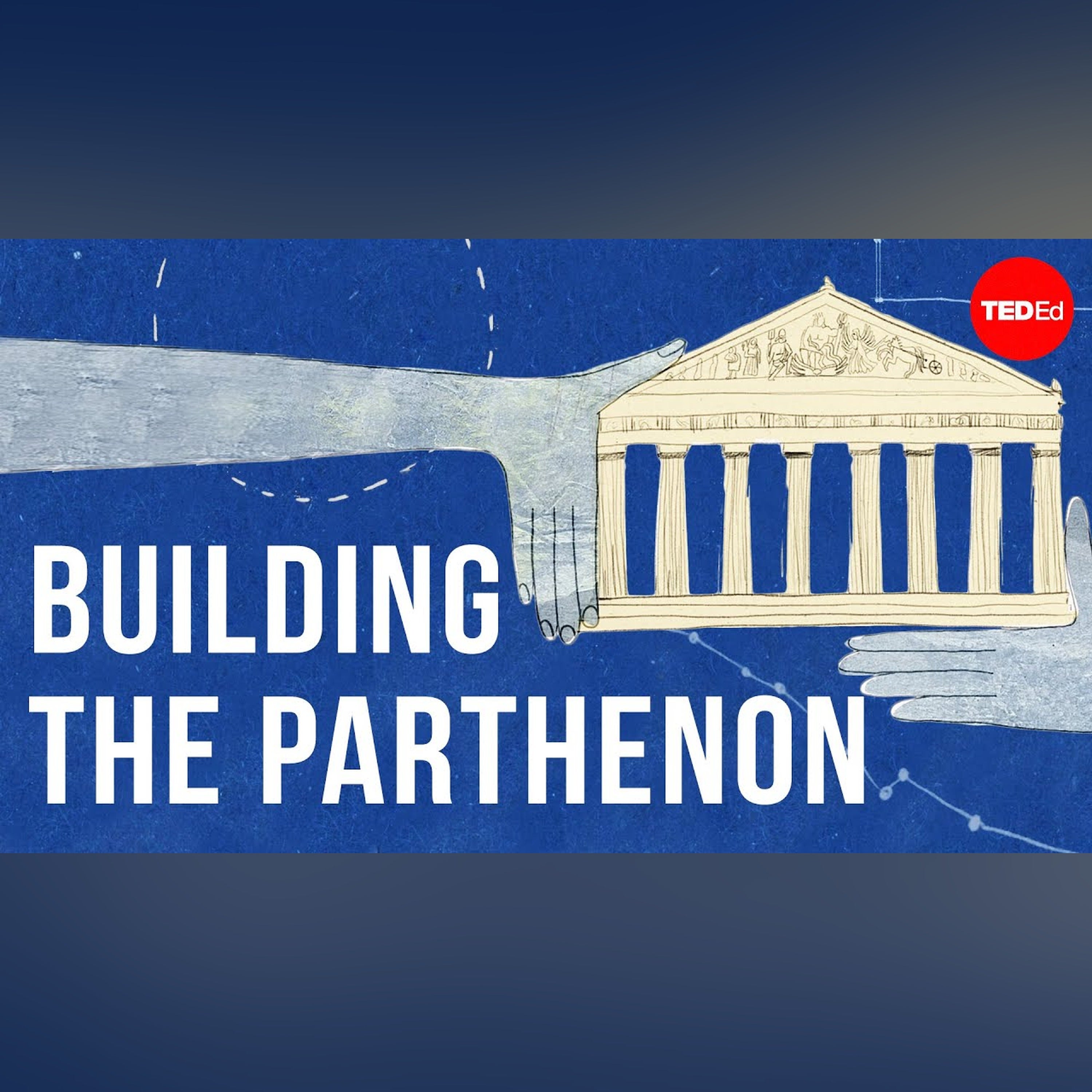
Follow Pheidias, the chief builder for the Parthenon, as he supervises the construction of the new temple and faces charges of embezzlement. Uploaded 15-09-20 -- The year is 432 BCE. As dawn breaks over Athens, Pheidias is already late for work. He is the chief builder for the Parthenon — Athens’ newest and largest temple— and when he arrives onsite, city officials accuse him of embezzling gold from the temple’s sacred central statue. He has until sundown to prove his innocence or face the courts. Mark Robinson outlines a day in the life of a Greek architect. Lesson by Mark Robinson, directed by Hana Tintor and Laura Martinović. Animator's website: http://adriaticanimation.hr (http://adriaticanimation.hr/) Sign up for our newsletter: http://bit.ly/TEDEdNewsletter Support us on Patreon: http://bit.ly/TEDEdPatreon Find us on Twitter: http://bit.ly/TEDEdTwitter Peep us on Instagram: http://bit.ly/TEDEdInstagram View full lesson: https://ed.ted.com/lessons/a-day-in-the-life-of-an-ancient-g
On the morning of October 18, 2025, Halloran set out shortly after dawn. The air was cold enough to bite and clear enough to see the first hints of snow on the higher peaks. He ran alone, headphones on, utilizing the rhythm of the music to help him pace his breathing. His pace carried him deep into the forest, several miles from the nearest road.As Billy rounded a bend in the trail, two dark shapes moved ahead of him, only a few yards away. At first, he assumed they were wild boars, common in the region. Then one of them stood upright. Billy stopped in the trail, frozen by the realization that the shapes were bears. The creature was an adult Asiatic black bear, thick-shouldered and nearly as tall as he was. Behind it, a second bear shifted in the brush.Following his training and instinct, he slowly backed away, speaking firmly to announce his presence. Hearing the man’s voice, the first bear lowered its head and lunged.Halloran raised his right arm to protect his face. The bear clamped
We might agree religious freedom is a good thing—but can we agree on what it really means? This episode of Crash Course Religions explores ongoing debates over where the limits of religious freedom lie. We’ll discover why this ideal enshrined as a constitutional right proves so tricky to apply in the real world. Introduction: The Limits of Religious Freedom 00:00 History of Religious Freedom 1:34 Belief-Action Dichotomy 5:57 Compelling Interest 7:20 Religious Freedom Restoration Act 8:23 When Freedoms Clash 9:36 Review And Credits 11:33 *** Support us for $5/month on Patreon to keep Crash Course free for everyone forever! https://www.patreon.com/crashcourse Or support us directly: https://complexly.com/support Join our Crash Course email list to get the latest news and highlights: https://mailchi.mp/crashcourse/email Get our special Crash Course Educators newsletter: http://eepurl.com/iBgMhY Thanks to the following patrons for their generous monthly contributions that help keep Crash C
In which John Green kicks off the Crash Course Literature mini-series with a reasonable set of questions. Why do we read? What's the point of reading critically. John will argue that reading is about effectively communicating with other people. Unlike direct communication though, the writer has to communicate with a stranger, through time and space, with only "dry dead words on a page." So how's that going to work? Find out with Crash Course Literature! Also, readers are empowered during the open letter, so that's pretty cool. Crash Course Literature 100 Reading List: Romeo and Juliet by William Shakespeare The Great Gatsby by F. Scott Fitzgerald Catcher in the Rye Complete Poems of Emily Dickinson Consider supporting local bookstores by purchasing your books through our Bookshop affiliate link https://bookshop.org/shop/complexly or at your local bookseller. Crash Course is on Patreon! Want to find Crash Course elsewhere on the internet? Facebook - http://www.facebook.com/YouTubeCrashC
To get some of the old episodes heard. ~~~ Tonight our guest is Dr Tony Cicoria, from the state of Maine. In 1994, when he was 42 years old, lightning struck him while on a public telephone. He recalled seeing his own body on the ground during his near-death experience, surrounded by a bluish-white light. Tony’s heart had stopped, but a woman resuscitated him, coincidentally an intensive-care nurse, who was waiting to use the telephone. He acquired an unusual affinity for piano music after being struck by the lightning. Neurologist Oliver Sacks featured him in his book “Musicophilia: Tales of Music and the Brain” (2007). MORE ON THIS EPISODE SHARE YOUR ENCOUNTER Apply to be a guest: Record Your Encounter: SUPPORT UFO CHRONICLES PODCAST Ko-fi: Podcast Merchandise: Follow and subscribe on X: All podcast links: Keep Watching The Skies.
View full lesson: http://ed.ted.com/lessons/become-a-slam-poet-in-five-steps-gayle-danley View original lesson: http://ed.ted.com/lessons/become-a-slam-poet-in-five-steps-gayle-danley Uploaded 20-07-13 Slam poetry packs an emotional punch by using powerful verbal metaphors; animation can do the same using visual tools. TED-Ed animators show how two separate techniques -- rotoscoping and more traditional hand-drawn animation -- bring to life the multilayered process of becoming a slam poet. Lesson and animation by TED-Ed.
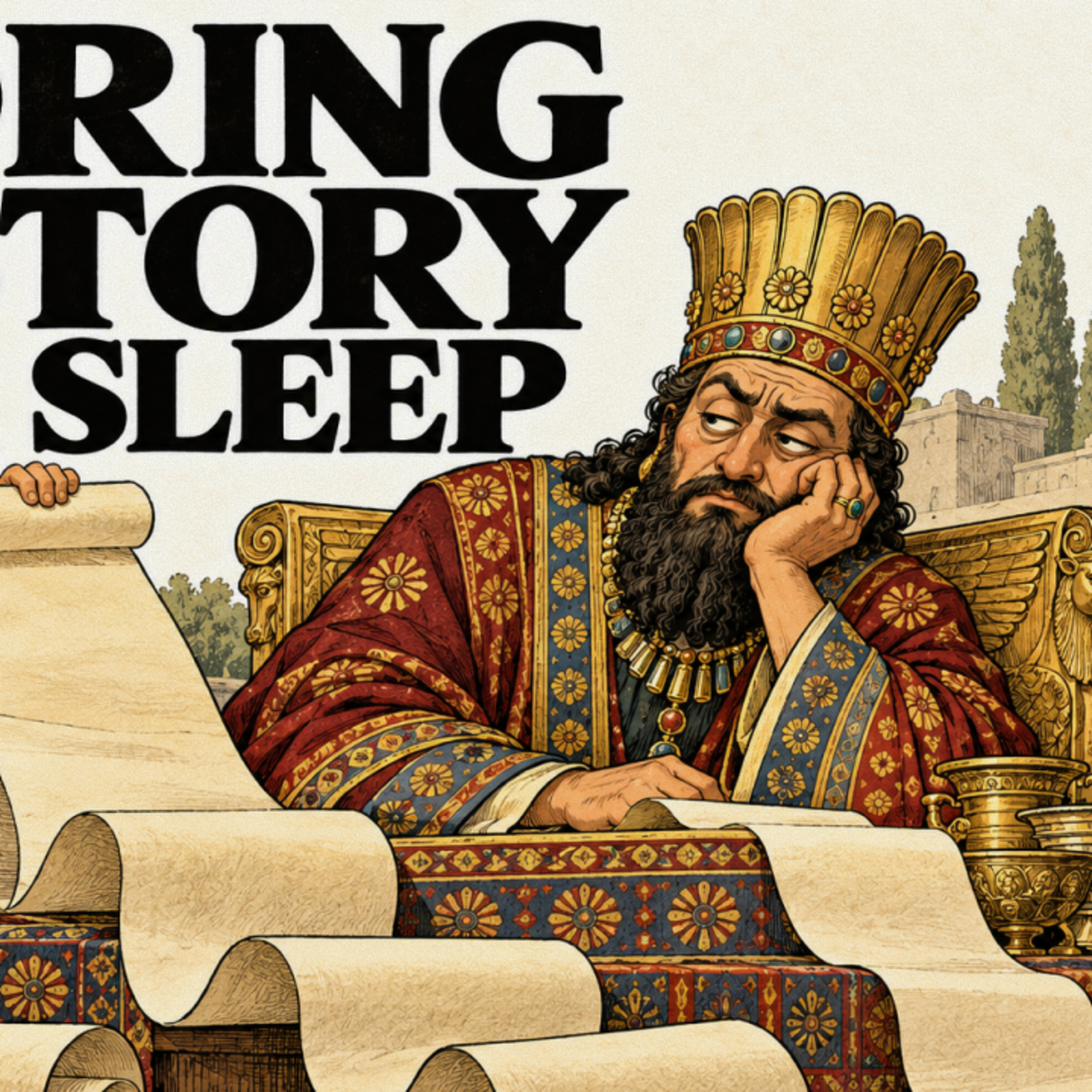
At its height, the Achaemenid Persian Empire stretched across vast territories, connecting diverse peoples, cultures, and civilizations under the rule of powerful kings. Founded by Cyrus the Great in the sixth century BC, this extraordinary empire grew through conquest, diplomacy, and effective administration, becoming one of the largest empires of the ancient world. Tonight, we journey through the history of Achaemenid Persia, from the rise of Cyrus and the reigns of Darius and Xerxes to the royal intrigues, ambitious campaigns, and conflicts that shaped its destiny. Discover the empire’s magnificent capitals, sophisticated road networks, and lasting influence before its final defeat by Alexander the Great in 330 BC. Boring History for Sleep — Soft stories about ancient empires, forgotten rulers, and the civilizations that shaped our world.
Planets come in an impressive variety of sizes, temperatures, and compositions. This episode explores what makes a planet a planet, how planets form, and the different types of worlds found throughout our solar system and beyond. Along the way, you’ll hear about rocky planets, gas giants, planetary orbits, and the strange conditions that make each world a little different from its neighbors. Happy sleeping! Read with permission from Planet, Wikipedia, licensed under CC BY-SA 4.0: https://en.wikipedia.org/wiki/Planet
Fall asleep to this quiet science story. A Boring Science For Sleep episode about Why Rainbows Separate Sunlight Into Colours. Why Rainbows Separate Sunlight Into Colours Settle in for a quiet exploration of Why Rainbows Separate Sunlight Into Colours. This episode follows A Globe Of Water; Spheres Prisms And Patient Hands; The Path Through A Drop; The Extra Arches; Bows In Fog Moon And Lakes. Listen closely or let the details drift past. If you enjoy this quiet science bedtime pace, you might also like Nature Documentary for Sleep on Spotify — same quiet rhythm, different night. Search Spotify for Nature Documentary for Sleep.
Is Star Wars a religion? What about belief in UFOs or QAnon? In our final episode of Crash Course Religions, we’ll explore how religion shapes pop culture, and pop culture shapes religion right back. Introduction: Star Wars as Religion 00:00 Religion & Pop Culture 2:02 Representation 3:19 The Rapture 4:27 UFO Religions 5:15 Jediism 6:19 Hyperreal Religions 8:25 Review & Credits 10:03 *** Support us for $5/month on Patreon to keep Crash Course free for everyone forever! https://www.patreon.com/crashcourse Or support us directly: https://complexly.com/support Join our Crash Course email list to get the latest news and highlights: https://mailchi.mp/crashcourse/email Get our special Crash Course Educators newsletter: http://eepurl.com/iBgMhY Thanks to the following patrons for their generous monthly contributions that help keep Crash Course free for everyone forever: Shruti S, Quinn Harden, Spilmann Reed, Brandon Thomas, Emily Beazley, Forrest Langseth, Rie Ohta, oranjeez, Jack Hart, UwU,
In this episode of The Carbon Removal Scoop, Eve Tamme and Sebastian Manhart sit down with Danny Cullenward, Senior Fellow at the University of Pennsylvania's Kleinman Center for Energy Policy, on his second visit to the Scoop. The conversation grew out of a remark Danny made at Carbon Gap's Carbon Removal Policy Summit in Brussels in September, and it lands on an issue the carbon removal community has barely started to absorb: how the Greenhouse Gas Protocol will count the carbon in forests. Danny, who resigned from the Protocol's Independent Standards Board over the dispute, argues the stakes reach far beyond forestry. At the centre are two competing proposals. Scientists on the technical working group backed activity-based accounting, which compares a harvest with what would have happened without it, much as voluntary market forest methodologies do. Industry voices backed the managed land proxy, borrowed from how countries report to the UN climate convention, which Danny says would
Get to know the extraordinary, bald and buck-toothed naked mole rats and how their traits make them suited to survive harsh conditions. Uploaded 29-05-18 -- What mammal has the social life of an insect, the cold-bloodedness of a reptile, and the metabolism of a plant? Bald and buck-toothed, naked mole-rats may not be pretty, but they are extraordinary. Thomas Park explains how mole rats' peculiar traits have evolved over millions of years to make them uniquely suited to survive harsh conditions - especially long periods without oxygen. Lesson by Thomas Park, animation by Chintis Lundgren. Sign up for our newsletter: http://bit.ly/TEDEdNewsletter Support us on Patreon: http://bit.ly/TEDEdPatreon Find us on Twitter: http://bit.ly/TEDEdTwitter Peep us on Instagram: http://bit.ly/TEDEdInstagram View full lesson: https://ed.ted.com/lessons/are-naked-mole-rats-the-strangest-mammals-thomas-park Visit TED-Ed's shop to pick up t-shirts, totes, mugs and more featuring characters from your favori
During a conversation with Angella Nazarian on what it means to be a visionary and a volunteer, Sadhguru looks at how the key to taking charge of your life is to become willing - to become an absolute YES to life! Sadhguru App (Download): https://onelink.to/sadhguru__app Inner Engineering Link: isha.co/ieo-podcast
Population ecology is the study of groups within a species that interact mostly with each other, and it examines how they live together in one geographic area to understand why these populations are different in one time and place than they are in another. How is that in any way useful to anyone ever? Hank uses the example of the West Nile virus outbreak in Texas to show you in this episode of Crash Course: Ecology. Table of Contents 1) Density & Dispersion 02:03 2) Population Growth 03:07 3) Limiting Factors 03:45 a) Density Dependent 06:16 b) Density Independent 07:11 4) Exponential & Logistical Growth 08:04 5) How to Calculate Growth Rate 09:33 References: Campbell Biology 9th ed. Crash Course is on Patreon! Want to find Crash Course elsewhere on the internet? Facebook - http://www.facebook.com/YouTubeCrashCourse Twitter - http://www.twitter.com/TheCrashCourse Instagram - https://www.instagram.com/thecrashcourse/ CC Kids: http://www.youtube.com/crashcoursekids
CMS Fellowship Stories: Dr. David Benavides Zora Dr. David Benavides Zora joins our interviewer Maddie Teeven to discuss his experience since completing the CMS fellowship program in simulation. Highlights include the fact that the bonds he built at CMS were strong enough that CMS faculty attended his recent wedding; that the fellowship program made him a more attractive candidate for additional fellowships in anesthesia for programs looking to increase the robustness of their own simulation-based training programs; and that he can see the difference with his residents, fellows, and even with attendings when he uses the techniques of teaching that he learned while at CMS. Learn more about the fellowship program: https://harvardmedsim.org/simulation-fellowship-and-international-scholars-program/ #simulationfellowships #healthcaresimulation #education
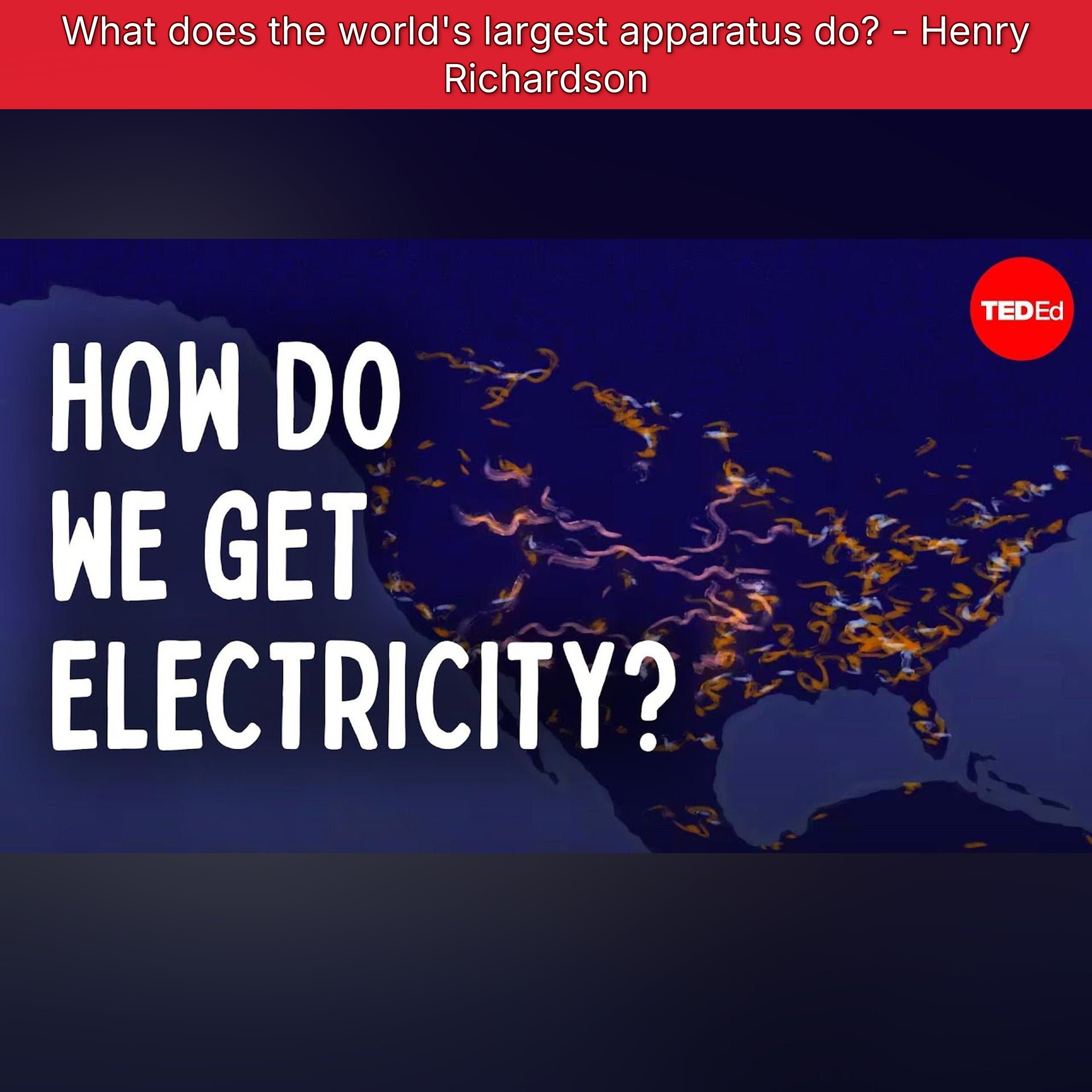
Dig into the delicate balancing act of how power grids supply energy to the world and how renewable energy factors into this process. -- In 1967, Homer Loutzenheuser flipped a switch and connected the power grids of the United States, forming one interconnected machine. Today, the US power grid is the world’s largest machine, containing more than 7,300 electricity-generating plants. So how exactly do these power plants work? Henry Richardson digs into the delicate balancing act of how power grids supply us energy. Lesson by Henry Richardson, directed by Anna Benner. Support Our Non-Profit Mission ---------------------------------------------- Support us on Patreon: http://bit.ly/TEDEdPatreon Check out our merch: http://bit.ly/TEDEDShop ---------------------------------------------- Connect With Us ---------------------------------------------- Sign up for our newsletter: http://bit.ly/TEDEdNewsletter Find us on Twitter: http://bit.ly/TEDEdTwitter Peep us on Instagram: http://bit.ly/TED
During a youth group mission trip, a group of teenage girls and their adult chaperones spent the night sleeping in a church fellowship hall. It seemed like a perfectly safe place to stay, and after a long day of activities, everyone eventually settled down for the night. But several hours later, they were awakened by a series of terrifying, almost animalistic screams. The sounds seemed to be coming from somewhere inside the room, yet nobody could identify who was making them. Some of the girls later described seeing shadowy figures standing in the darkness, while others remembered an overwhelming feeling that something was terribly wrong. Despite numerous witnesses, no one ever admitted to screaming, and the source remained a mystery. Was it a nightmare, an elaborate prank, or had something unexplained made its presence known inside the church? #RealGhostStoriesOnline #TrueGhostStories #HauntedChurch #ParanormalEncounters #ShadowPeople #GhostlyScreams #ChurchHaunting #UnexplainedPhenom