Sam Harris speaks with Sherry Turkle about her new book, Artificial Intimacy (https://link.amazon/B0dKdRCEn). They discuss the early optimism of the internet, the attention economy, the loss of solitude and boredom, the decline of empathy, whether the performance of empathy can ever be enough, AI as therapist, the first-person pronoun as the "original sin" of generative AI, humanoid robots and consciousness, loneliness among older people, and other topics.
Hank introduces us to ecology - the study of the rules of engagement for all of us earthlings - which seeks to explain why the world looks and acts the way it does. The world is crammed with things, both animate and not, that have been interacting with each other all the time, every day, since life on this planet began, and these interactions depend mostly on just two things... Learn what they are as Crash Course Biology takes its final voyage outside the body and into the entire world. Can't wait to learn more about ecology? Good news! Crash Course Ecology has 12 episodes you can watch right here: https://www.youtube.com/watch?v=P3wP8v84uqs&list=PL8dPuuaLjXtNdTKZkV_GiIYXpV9w4WxbX (https://www.youtube.com/watch?list=PL8dPuuaLjXtNdTKZkV_GiIYXpV9w4WxbX&v=P3wP8v84uqs) Table of Contents 1) Ecological Hierarchy 02:01:2 a) Population 02:12 b) Community 02:26:1 c) Ecosystem 02:50 d) Biome 03:22:1 e) Biosphere 03:51 2) Key Ecological Factors 04:07 a) Temperature 05:06:1 b) Water 05:37 3) Biome
Diseases of the body garner sympathy, says comedian Ruby Wax -- except those of the brain. Why is that? With dazzling energy and humor, Wax, diagnosed a decade ago with clinical depression, urges us to put an end to the stigma of mental illness. Talk by Ruby Wax.
Matthew’s guest this month is the great Martin Simpson who is celebrating 50 years since the release of his first album with a brilliant new one called “Some Kind of Jubilee”. There’s also music from Richard Thompson, Stornoway, The Wran, Lady Nade, Izzie Walsh, Sairie and Sam Sweeney and Grace Smith. Lucy Shields has the album release and gig news and Matthew reveals the legendary performer who will be joining him on Folk on Foot’s 100th walk. --- We rely on support from our listeners to keep this show on the road. If you like what we do please either... Become a member and get great rewards: patreon.com/folkonfoot (https://www.patreon.com/folkonfoot) Or just buy us a coffee: ko-fi.com/folkonfoot (https://www.ko-fi.com/folkonfoot) Sign up for our newsletter at www.folkonfoot.com (http://www.folkonfoot.com/) Hosted on Acast. See acast.com/privacy (https://acast.com/privacy) for more information.
For a time during the 19th and 20th centuries, gray wolves were practically extinct across Western and Central Europe. Now, thanks to strict protection measures in countries across the region, their populations have risen over the past couple of decades — including a reported surge of 58% (https://www.smithsonianmag.com/science-nature/why-have-european-wolves-recovered-so-much-in-the-past-decade-180986436/) between 2012 and 2022. On the one hand, this is a conservation success story. On the other, however, it amplifies long-standing sociocultural challenges (https://www.science.org/content/article/wolves-are-reconquering-europe-can-people-learn-live-them), namely human-wildlife coexistence with farmers. Wolves sometimes prey on livestock, which can cause financial harm to farmers. Joining the Newscast this week to unpack these sociocultural challenges is social scientist Emu-Felicitas Ostermann-Miyashita, from the Tokyo University of Agriculture and Technology. Ostermann-Miyashita has
Insects can communicate with each other about all kinds of things, but instead of using words, they use… you guessed it! Organic Chemistry! Insects can send signals to each other by secreting compounds, and one such compound used by termites contains the functional group we’re going to learn all about in this episode: enones! In this episode of Crash Course Organic Chemistry, we’ll learn about crossed aldol reactions, the formation of kinetic and thermodynamic enolates, hard and soft nucleophiles, conjugate addition, and of course, enones! Series Penicillin References: Nicolaou, K. C., & Sorensen, E. J. (1996). Classics in total synthesis: targets, strategies, methods. John Wiley & Sons. Sheehan, J. C. (1982). The enchanted ring: the untold story of penicillin. Primary literature for Sheehan’s penicillin synthesis: Sheehan, J.C. & Izzo, P.T. J. Am. Chem. Soc. 1948, 70, 1985; Sheehan, J.C. & Izzo, P.T. J. Am. Chem. Soc. 1949, 71, 4059; Sheehan, J.C. & Bose A.K. J. Am. Chem. Soc. 1950, 7
What does it mean to transition? In this episode of Crash Course Sex Ed, we’ll uncover the differences between sex and gender, and explore what it looks like when the gender assigned to a person doesn’t match who they really are. Introduction: Being Transgender 00:00 Sexual Development 0:36 Gender Identity 2:54 Gender Norms 4:36 Transition & Trans Healthcare 6:07 Transness Today 9:23 Review & Credits 10:07 Sources: For more information on the topics in this episode, check out this resource from our partners at the Kinsey Institute (https://kinseyinstitute.org/): https://drive.google.com/drive/folders/1mSu0MerCwVUmNpya61JVIE4Wdsdkrgbk Read more about these topics here: A resource for learning more about gender identity (Planned Parenthood) - https://www.plannedparenthood.org/learn/gender-identity A resource for learning more about what "intersex" means (Cleveland Clinic) - https://my.clevelandclinic.org/health/articles/16324-intersex *** Support us for $5/month on Patreon to keep Crash
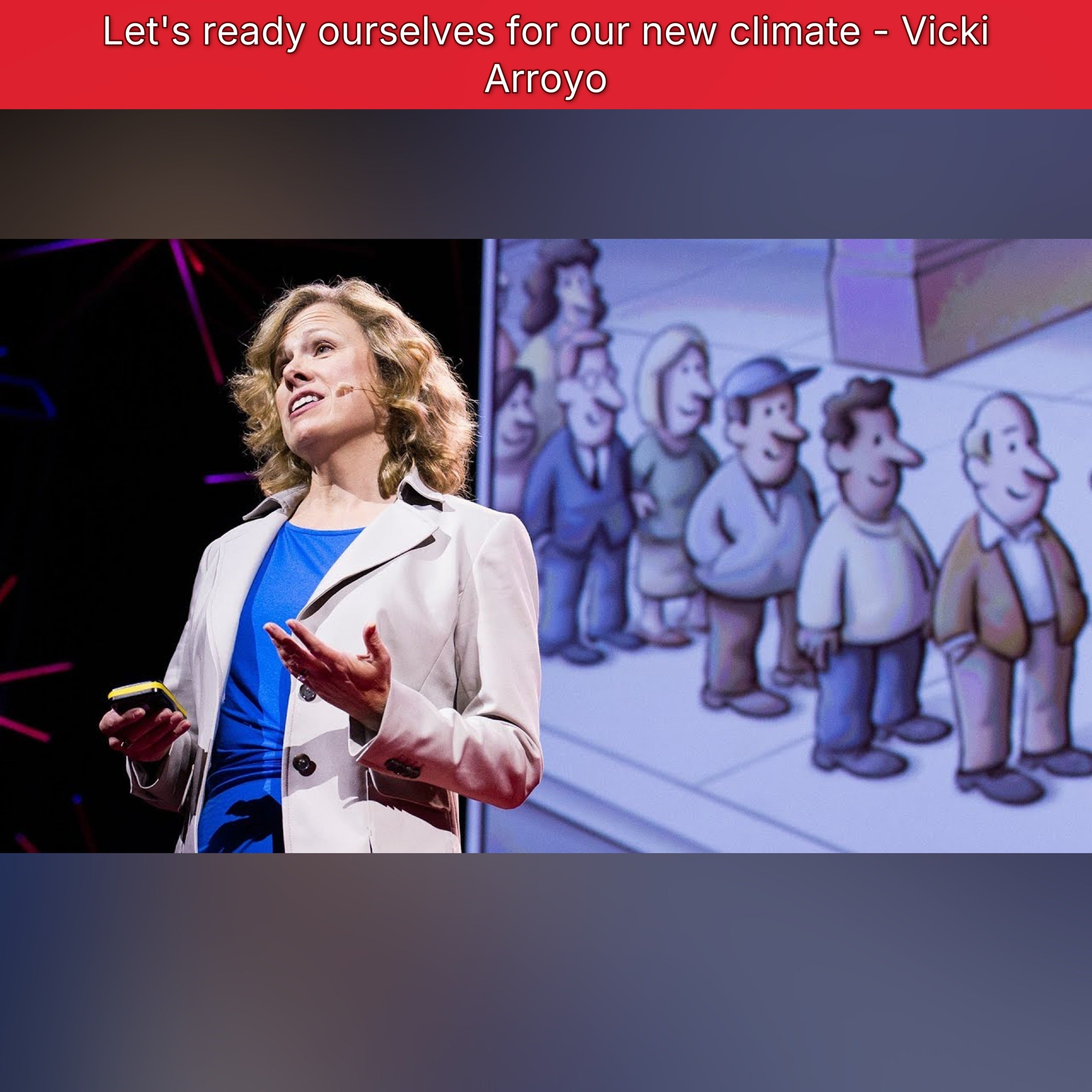
As Vicki Arroyo says, it's time to prepare our homes and cities for our changing climate, with its increased risk of flooding, drought and uncertainty. She illustrates this inspiring talk with bold projects from cities all over the world -- local examples of thinking ahead. Talk by Vicki Arroyo.
This is a Grave Talks CLASSIC EPISODE! PART TWO As a child, Christie Williams found herself drawn to stories of the unexplained, fueled by late-night television and the unsettling narration of Unsolved Mysteries, hosted by Robert Stack. What began as curiosity soon became a lifelong pursuit of answers about whether ghosts—and darker forces—could truly exist. Over time, Christie moved beyond investigation and into immersion, taking on the responsibility of owning a notoriously haunted house and operating an oddities museum filled with objects said to carry their own histories. One question loomed large: what happens when haunted objects are placed inside a building that’s already active? Christie talks about her experiences navigating both the light and dark sides of the paranormal—what she’s witnessed, what she’s learned, and how living among the unexplained changed her understanding of the supernatural. #TheGraveTalks #HauntedObjects #ParanormalPodcast #OdditiesMuseum #HauntedHouses #
It's the incursion we've been dreading. H5N1 bird flu has arrived in Australia. But this strain circulated the globe for decades before it landed on our shores. How has the risk to humans changed since the virus emerged? And what aren't we prepared for? Got feedback? Email us [email protected] Guests: Dr Jarrod HodgsonWildlife biologist, Australian Antarctic Division Dr Vidya BhardwajResearch scientist in emergency animal disease, Australian Centre for Disease Preparedness Professor Kirsty ShortProfessor of Virology, University of Queensland Dr Jason LombardVeterinary epidemiologist, Colorado State University Additional audio of Heard Island courtesy of the Australian Antarctic Division. Presenter: Belinda Smith Producer: Shelby Traynor Senior Producer: James Bullen Executive Producer: Petria Ladgrove Sound Engineer: Tim Jenkins
In which John Green teaches you about the post-World War II breakup of most of the European empires. As you'll remember from previous installments of Crash Course, Europeans spent several centuries sailing around the world creating empires, despite the fact that most of the places they conquered were perfectly happy to carry on alone. After World War II, most of these empires collapsed. This is the story of those collapses. In most places, the end of empire was not orderly, and violence often ensued. While India was a (sort of) shining example of non-violent change, in places like The Congo, Egypt, Rwanda, Vietnam, Cambodia, and Laos, things didn't go smoothly at all. John brings you all this, plus pictures of Sea Monkeys. Sadly, they don't look anything like those awesome commercials in the comic books. Chapters: Introduction: Decolonization 00:00 What Happens When Empires Fall? 0:33 Post-WWII Decolonization 2:24 Decolonization in India 3:14 Mohandas K. Gandhi 3:47 An Open Letter to H
Why do we like who we like? In this episode of Crash Course Sex Ed, we explore the many facets and variations of sexual orientation, and trace the history of homosexuality to the modern day LGBTQIA+ community. Introduction: My First Crush 00:00 Sexual Orientation 0:41 The History of Sexual Orientation 2:02 Dr. Anonymous 2:59 Homosexuality & Genetics 4:42 Homosexuality & Evolution 5:42 The LGBTQIA+ Community 6:39 Review & Credits 8:59 Sources: For more information on the topics in this episode, check out this resource from our partners at the Kinsey Institute (https://kinseyinstitute.org/): https://drive.google.com/drive/folders/1mSu0MerCwVUmNpya61JVIE4Wdsdkrgbk Read more about these topics here: Planned Parenthood - https://www.plannedparenthood.org/learn/sexual-orientation Cleveland Clinic - https://health.clevelandclinic.org/types-of-sexual-orientation Bedsider - https://www.bedsider.org/features/2488-questioning-your-sexuality-here-are-some-things-to-keep-in-mind *** Support us for
Death is what fungi are all about. By feasting on the deceased remains of almost all organisms on the planet, converting the organic matter back into soil from which new life will spring, they perform perhaps the most vital function in the global food web. Fungi, which thrive on death, make all life possible. Table of Contents 1) Biolography 02:07 2) Structure 04:53 3) The Decomposers 06:10 4) The Mutualists 06:38 5) The Predators 07:23 6) The Parasites 07:35 7) Reproduction 08:24 References http://www.oup.com/us/catalog/general/subject/Reference/Subjectareareference/?view=usa&ci=9780195367133 (http://www.oup.com/us/catalog/general/subject/Reference/Subjectareareference/?ci=9780195367133&view=usa) Crash Course is on Patreon! Want to find Crash Course elsewhere on the internet? Facebook - http://www.facebook.com/YouTubeCrashCourse Twitter - http://www.twitter.com/TheCrashCourse Instagram - https://www.instagram.com/thecrashcourse/ CC Kids: http://www.youtube.com/crashcoursekids
AI can help scientists write code, analyze data, and draft papers. But can it generate the ideas that lead to new discoveries? Richard Socher, former chief scientist at Salesforce, founder of You.com, and co-founder of Recursive, joins us to explore the move from AI assisting researchers to AI conducting research. Starting with AI improving AI, we examine what it takes to propose ideas, run experiments, and validate results, and how those capabilities could eventually accelerate discovery across biology, chemistry, and physics. The conversation covers Recursive’s reported results in model training and GPU kernel optimization, why fast verification matters, and how reward hacking complicates the search for real improvements. We also discuss the data and experimental infrastructure needed for broader scientific discovery, whether commercial incentives can keep increasingly capable systems aligned, and Richard’s vision for a “Eureka machine.” ️ Full show notes: https://twimlai.com/go/783.
Hank tries not to stress you out too much as he delves into the functions and terminology of your sympathetic nervous system. Pssst... we made flashcards to help you review the content in this episode! Find them on the free Crash Course App! Download it here for Apple Devices: https://apple.co/3d4eyZo Download it here for Android Devices: https://bit.ly/2SrDulJ Chapters: Introduction: Physiology of Stress 00:00 How Signals Travel to Effectors 1:48 Hormones & Neurotransmitters Communicate Stress 2:15 Preganglionic Fibers Release Acetylcholine (ACh) 3:42 Postganglionic Fibers Release Norepinephrine 4:34 Adrenal Glands Release Norepinephrine and Epinephrine as Hormones 5:10 Neurotransmitters vs. Hormones 6:01 How Norepinephrine Works: Alpha and Beta Receptors 6:29 Review 9:29 Credits 10:18 *** Thanks to the following Patrons for their generous monthly contributions that help keep Crash Course free for everyone forever: Mark Brouwer, Simun Niclasen, Brad Wardell, Roger C. Rocha, Jan Schmid
Is virginity really a thing? In this episode of Crash Course Sex Ed, we’ll bust virginity myths and learn why women have traditionally faced stronger pressure to remain virgins. We’ll explore the ways social scripts guide what we think about sex—but aren’t the final word on how we live our lives. Introduction: Like a Virgin 00:00 The History of Virginity 0:59 The Hymen 2:17 Culture & Sexual Scripts 4:10 Impacts of Sexual Scripts 5:43 Write Your Own Story 8:17 Review & Credits 8:57 Sources: For more information on the topics in this episode, check out this resource from our partners at the Kinsey Institute (https://kinseyinstitute.org/): https://drive.google.com/drive/folders/1mSu0MerCwVUmNpya61JVIE4Wdsdkrgbk Read more about these topics here: Planned Parenthood - https://www.plannedparenthood.org/learn/teens/sex/virginity Cleveland Clinic - https://my.clevelandclinic.org/health/body/22718-hymen Bedsider - https://www.bedsider.org/features/962-5-myths-about-virginity-busted *** Support
One day, Ed Gavagan was sitting on the subway, watching two young med students practicing their knots. And a powerful memory washed over him -- of one shocking moment that changed his life forever. An unforgettable story of crime, skill and gratitude. Talk by Ed Gavagan.
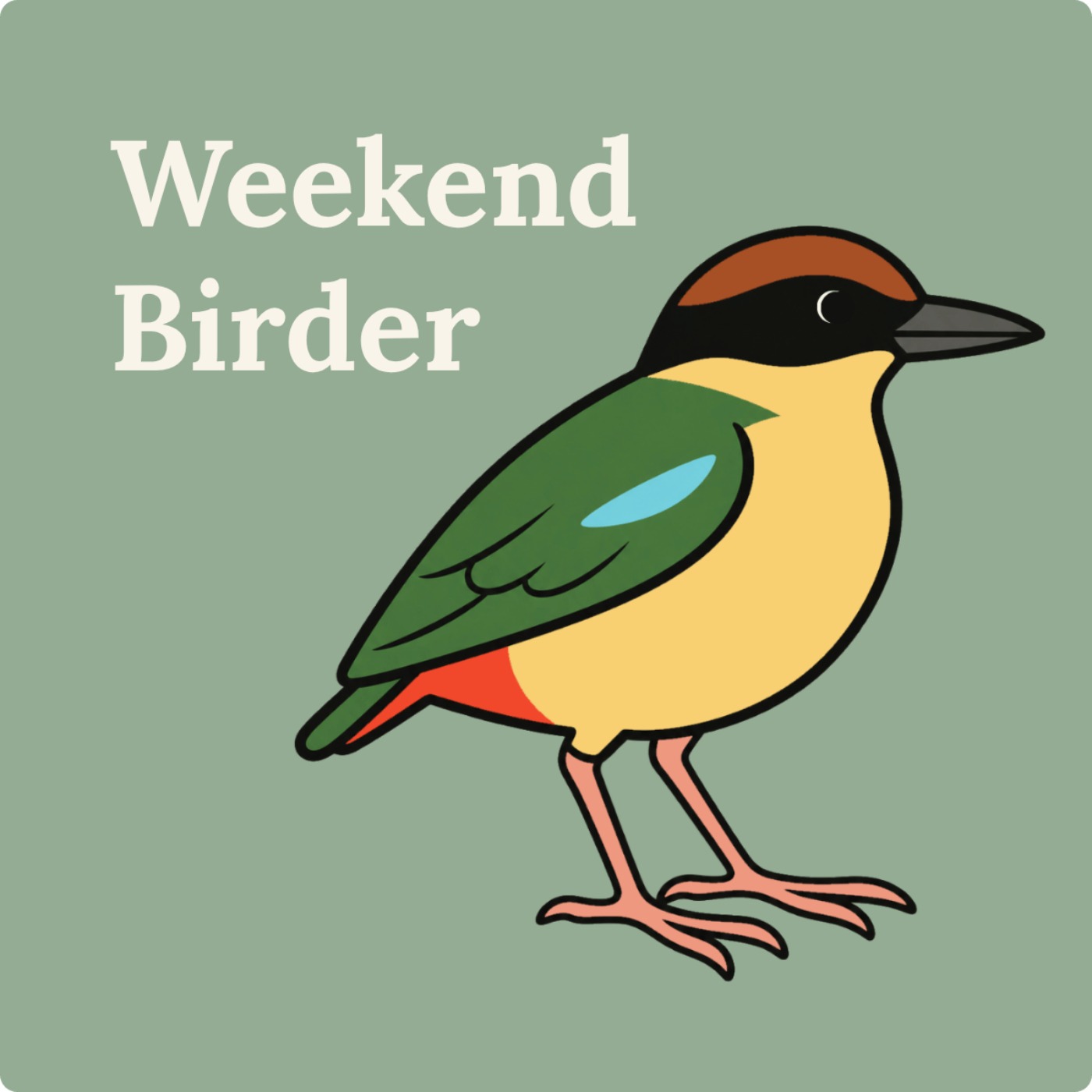
One look through binoculars changed how Rosie Morley sees the world. The creator of Rosie's Bird Files shares how birdwatching has led to new adventures and unexpected discoveries, including a colourful rainforest bird hiding in the middle of Brisbane. Birds featured: Noisy Pitta, Silvereye Episode illustration: Noisy Pitta Facebook - https://facebook.com/weekend.birder Theme music is Swing Joyful Tune by Audiosphere -- Hosted on Acast.
In which John Green teaches you about the Cold War, which was occasionally hot, but on average, it was just cool. In the sense of its temperature. It was by no means cool, man. After World War II, there were basically two big geopolitical powers left to divide up the world. And divide they did. The United States and the Soviet Union divvied up Europe in the aftermath of the war and then proceeded to spend the next 45 years fighting over the rest of the world. It was a great ideological struggle, with the US on the side of capitalism and profit, and the USSR pushing Communism, so-called. While both sides presented themselves as the good guy in this situation, the COLD reality is that there are no good guys. Both parties to the Cold War engaged in forcible regime changes, built up vast nuclear arsenals, and basically got up to dirty tricks. If you had to pick a bad guy though, we would point out that the USSR had no intention of bringing Laika the Cosmonaut Dog home alive. That poor dog
For most of human history, humans have fed ourselves by foraging, with a little bit of hunting when we were lucky—think more gatherer than hunter. Picking edible greens, nuts, fruits, roots, and mushrooms kept us alive before the advent of farming and, scientists think, helped make us who we are. So why did we stop eating wild foods? And how did an arrest in Central Park, Martha Stewart, and COVID make foraging cool again? Listen in this episode as we head out into the park to find dinner, explore the unexpected connections between foraging and ADHD, Jim Crow, and Grape Nuts, and enjoy a delicious wild feast full of flavors we've been missing out on.
Finally, after what seems like eons and eons, the end is nigh. We're talking not only about the end of Crash Course Big History but also the end of everything. The end of humanity and the end of the universe. John and Hank Green will teach you about what the future holds for humanity and the universe. Spoiler alert: in the long, long, long, long, long, long term, it doesn't look good. In the short term though, it's not too bad. But don't lose hope, there is an upside. You'll have to watch the video to find out. Learn more about Big History here: http://www.bighistoryproject.com (http://www.bighistoryproject.com/) Crash Course is on Patreon! Want to find Crash Course elsewhere on the internet? Facebook - http://www.facebook.com/YouTubeCrashCourse Twitter - http://www.twitter.com/TheCrashCourse Instagram - https://www.instagram.com/thecrashcourse/ CC Kids: http://www.youtube.com/crashcoursekids
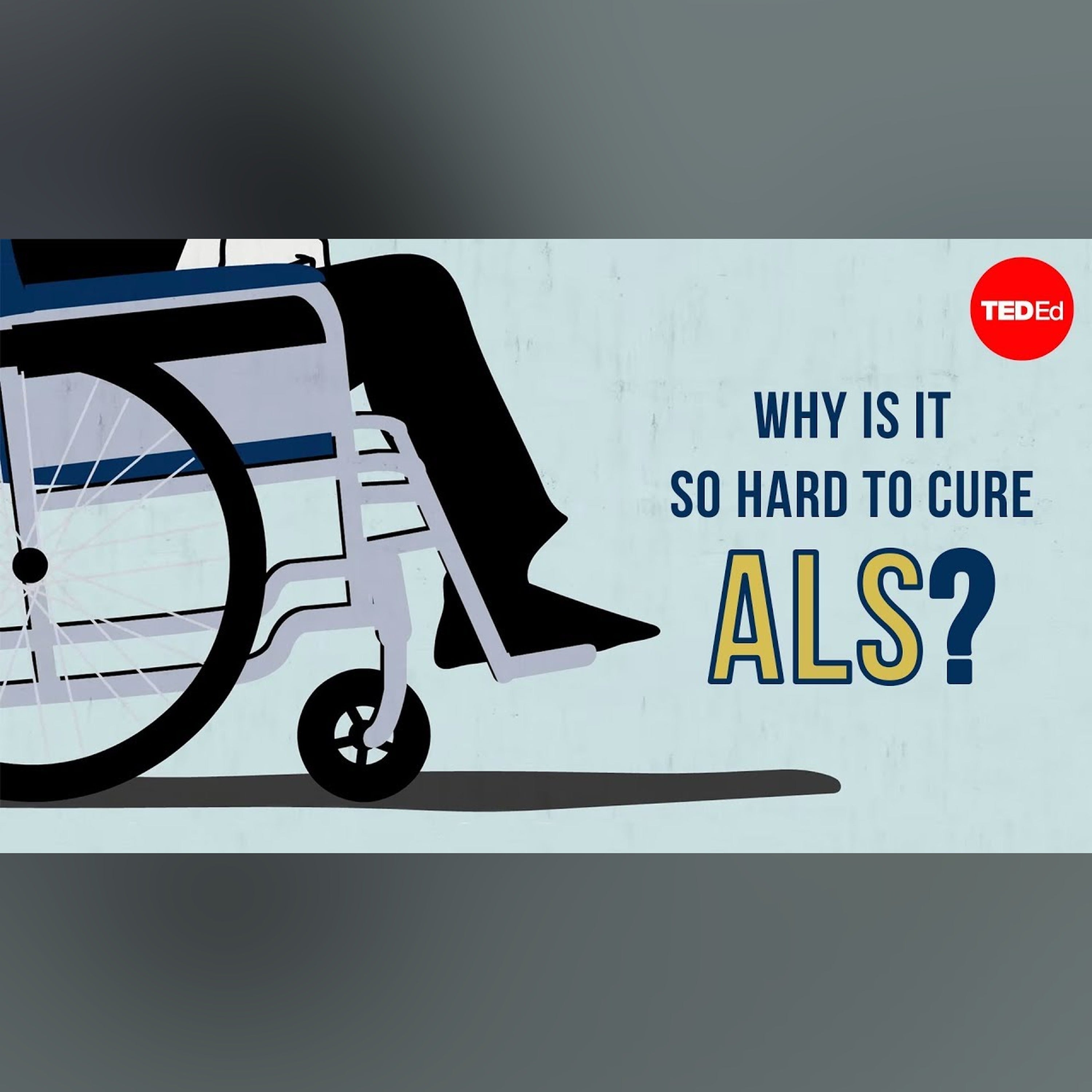
Uploaded 31-05-18 View full lesson: https://ed.ted.com/lessons/why-is-it-so-hard-to-cure-als-fernando-vieira Amyotrophic Lateral Sclerosis (ALS), also called motor neuron disease and Lou Gehrig’s Disease, affects about two out of every 100,000 people worldwide. When a person has ALS, their motor neurons - the cells responsible for all voluntary muscle control in the body - lose function and die. Fernando G. Vieira shares what we know (and don't know) about ALS. Lesson by Fernando G. Vieira, animation by Artrake Studio. Thank you so much to our patrons for your support! Without you this video would not be possible! Jordan Tang, Christopher Jimenez, Juan, Tracey Tobkin, Sid, emily lam, Kathryn J Hammond, Elliot Poulin, Noel Situ, Oyuntsengel Tseyen-Oidov, Latora Slydell, Sydney Evans, Victor E Karhel, Bernardo Paulo, Eysteinn Guðnason, Andrea Feliz, Natalia Rico, Josh Engel, Bárbara Nazaré, Gustavo Mendoza, Zhexi Shan, Hugo Legorreta, PnDAA, Sandra Tersluisen, Ellen Spertus, Fabian Amels
Where there’s sex, there’s the possibility for STIs. In this episode of Crash Course Sex Ed, we unpack the most common sexually transmitted infections and how to prevent and treat them. Turns out, sexual responsibility is a lot easier than you think. Introduction: Not the End of the World 00:00 What's an STI? 0:27 Bacterial STIs & Barrier Methods 1:14 Viral STIs 4:02 HIV 6:04 Review & Credits 8:52 Sources: For more information on the topics in this episode, check out this resource from our partners at the Kinsey Institute (https://kinseyinstitute.org/): https://drive.google.com/drive/folders/1mSu0MerCwVUmNpya61JVIE4Wdsdkrgbk Read more about these topics here: Planned Parenthood - https://www.plannedparenthood.org/learn/stds-hiv-safer-sex Cleveland Clinic - https://my.clevelandclinic.org/health/diagnostics/std-testing Bedsider - https://www.bedsider.org/features/1097-let-s-talk-about-safer-sex *** Support us for $5/month on Patreon to keep Crash Course free for everyone forever! https:/
Hank gets into the dirty details about vascular plant reproduction: they use the basic alternation of generations developed by nonvascular plants 470 million years ago, but they've tricked it out so that it works a whole lot different compared to the way it did back in the Ordovician swamps where it got its start. Here's how the vascular plants (ferns, gymnosperms, and angiosperms) do it. Table of Contents 1) Sporophyte Dominance 01:55 2) Ferns 02:14 3) Gymnosperms 03:35 4) Angiosperms 05:33 5) Truth or Fail: Fruit Edition! 08:28 References: http://www.youtube.com/watch?v=AykzPemLs7Q&feature=relmfu (http://www.youtube.com/watch?feature=relmfu&v=AykzPemLs7Q) Crash Course is on Patreon! Want to find Crash Course elsewhere on the internet? Facebook - http://www.facebook.com/YouTubeCrashCourse Twitter - http://www.twitter.com/TheCrashCourse Instagram - https://www.instagram.com/thecrashcourse/ CC Kids: http://www.youtube.com/crashcoursekids