Increasingly Verbose Bot with GPT-3 - Expand any word or phrase into a whole paragraph Episode release date: 2 Jun 2022 Core Ideas: Metamodernism: Narratives and emergence view of reality - Reduce suffering - Increase prosperity - Increase understanding mantra: Seek knowledge. DISCLAIMER: This is a community-driven show. ----- Keywords: openai, ai consciousness, ai safety, artificial general intelligence, heuristic imperatives, post labor economics, artificial intelligence
Intelligence Release Strategy and Full Invasion — Part Two Serhii Plokhy explains how, before 2022, US intelligence declassified Russia’s invasion plans, yet Western military aid stayed limited because of miscalculations about Kyiv’s durability. Grounding his assault in 19th-century imperial history, Putin tried to overthrow Ukraine’s government, but persistent Ukrainian resistance defied Russian expectations and forced a prolonged war. (8)
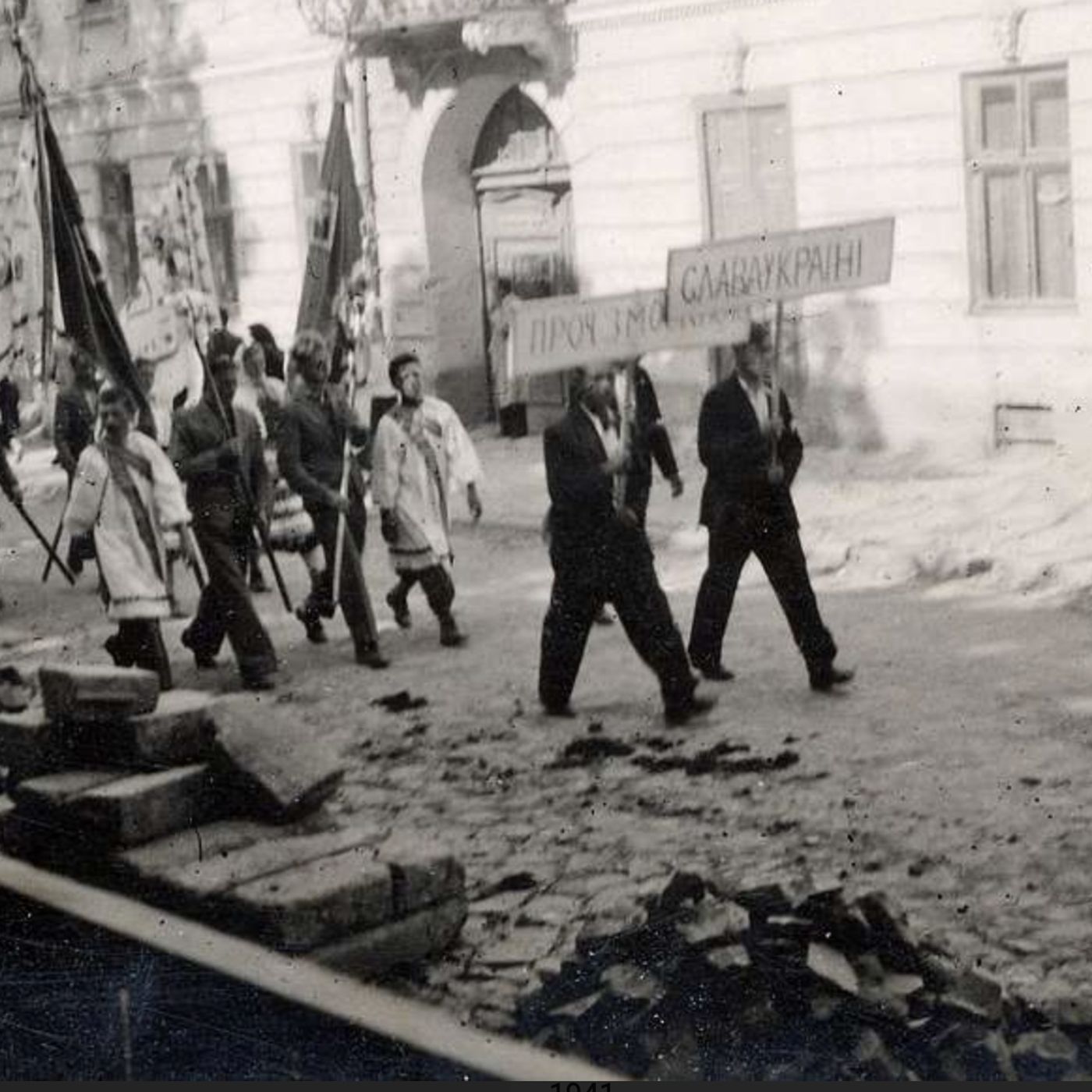
1920 Western Response Shortfalls and Donbas Conflict — Part Two Serhii Plokhy argues that after the 2014 annexation of Crimea, Western hesitation and economic dependencies such as Nord Stream 2 encouraged further Kremlin aggression. Russian intervention sparked prolonged war in the Donbaswhile NATO members lacked immediate regional defenses, and Moscow pushed flawed diplomatic agreements to undermine Ukraine’s long-term sovereignty. (7)
DISCOVER GRAD SCHOOL: https://nci.university/home-v2?utm_source=chase_youtube&utm_medium=social_video&utm_campaign=nci4_promo (https://nci.university/home-v2) Uploaded 02-05-26 LEARN ABOUT NCI LEVEL 2: https://nci.university/nci-2?utm_source=chase_youtube&utm_medium=social_video&utm_campaign=nci2_promo (https://nci.university/nci-2) There’s a moment in every conversation where everything gets decided. It happens before logic. Before persuasion. Before anyone thinks they’re “in control.” And most people miss it completely. That’s why conversations feel unpredictable… Why people react in ways that don’t make sense… Why you can say the right thing — and still lose the room. Because the outcome was already set. This video breaks down the hidden structure behind human interaction: * how conversations organize themselves before words matter * how frames control behavior without force * how categories decide what’s allowed (and what isn’t) * how identity and metaphor quietly shape every respo
Diplomatic Summit Failures and Euromaidan Revolution — Part Two Serhii Plokhy describes Vladimir Putin expanding presidential power in Russia while opposing Western integration for neighboring former Soviet states. The compromise reached at Bucharest in 2008 left Ukraine’s security status unresolved and exposed it to future aggression, while internal turmoil culminated in 2013 as Ukrainians protested Yanukovych’s pro-Russian pivot. (6)
Autocratic Power Shift and Society Resilience — Part Two Serhii Plokhy revisits the late-night Kremlin meeting of February 2014 that showed Putin’s absolute personal authority in ordering the annexation of Crimea. Russia’s political system had moved from early post-Soviet democratic hopes to strict authoritarian rule, yet its imperial overreach failed, as aggression consolidated broad Ukrainian national solidarity. (5)
Pre-Invasion Buildup and Imperial Delusions — Part One Serhii Plokhy explains how, during 2021, Russia massed forces on the border while Western intelligence correctly predicted an invasion yet misjudged Ukraine’s ability to defend itself. President Volodymyr Zelensky tried to negotiate, but Putin held imperial beliefs denying Ukrainian nationhood, and after Zelensky rejected Russian terms in Paris, Putin launched the full-scale invasion of 2022. (4)
ACE Paper is Published! Repo tour! Get involved! Episode release date: 20 Sep 2023 Core Ideas: Metamodernism: Narratives and emergence view of reality - Reduce suffering - Increase prosperity - Increase understanding mantra: Seek knowledge. DISCLAIMER: This is a community-driven show. ------------- Keywords: gpt, superintelligence, ai future, agi, ai consciousness, future technology, ai research
KYIV Crimean Annexation Appeasement and Minsk Agreements — Part One Serhii Plokhy describes how, in 2014, Russian forces covertly seized Crimea while Western powers responded with weak appeasement reminiscent of 1938. Moscow then manufactured a proxy war in the Donbas that cost some 14,000 lives, and exploited the flawed Minsk II framework as a Trojan horse to destabilize Ukraine’s sovereign politics. (3)
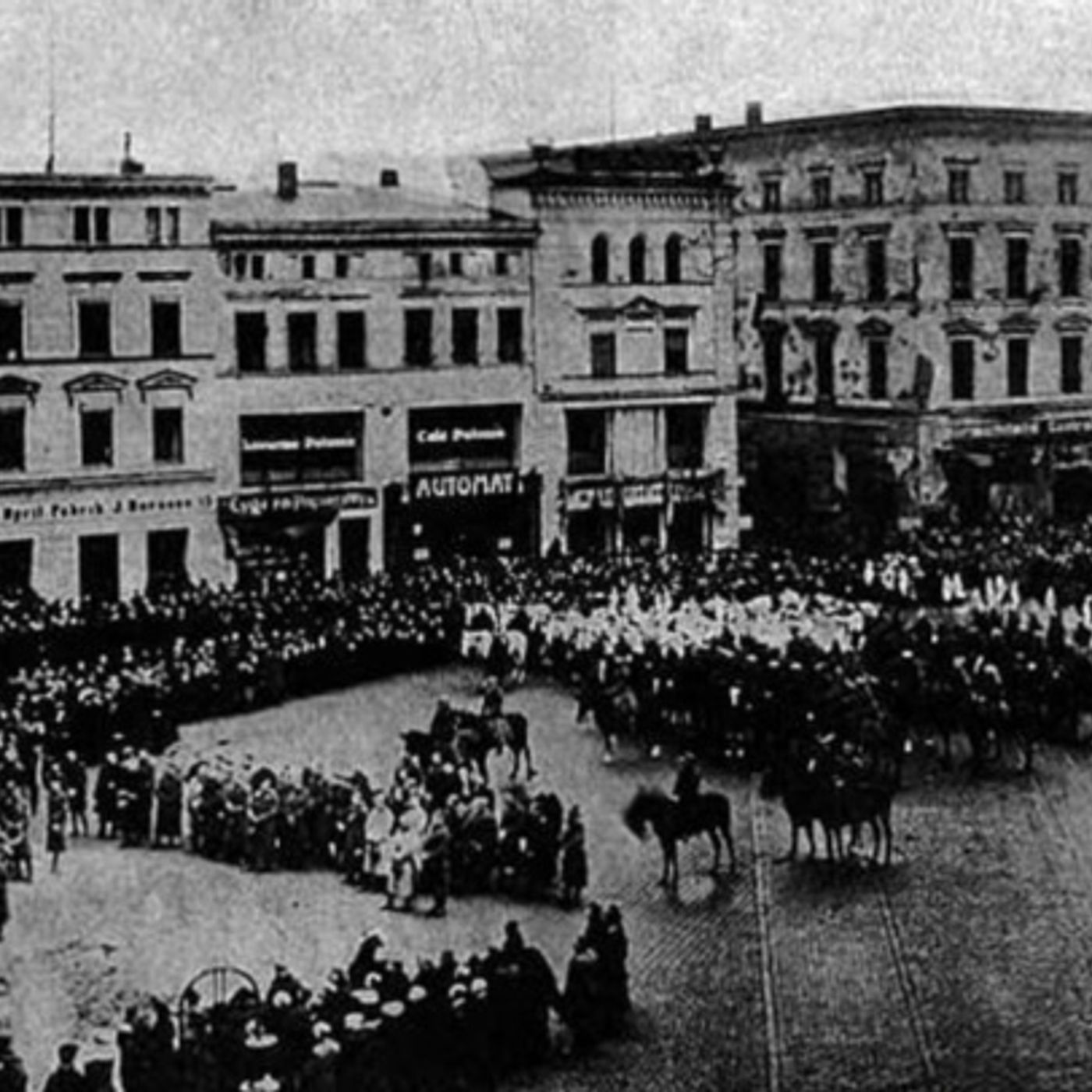
1942 NATIONALISTS Bucharest NATO Summit and European Crisis — Part One Serhii Plokhy traces how Vladimir Putin consolidated executive authority after taking office in 2000. At the 2008 Bucharest NATO summit, allied divisions denied Ukraine and Georgia a clear path to membership, preceding Russia’s invasion of Georgia. Later, Viktor Yanukovych rejected a European Union agreement under Russian pressure, triggering the 2013 Euromaidan protests. (2)
For his wife's birthday, Egyptology professor Ramsey West brings home a life-size, gold-painted reproduction of the pharaoh Seti I that a junk dealer practically gave away, and within minutes its bent right arm is hanging straight at its side. Then, with his wife out of town, he walks in to find the statue running the vacuum cleaner and telling him, "I am making this house ready for the long journey." CHAPTERS & TIME STAMPS (All Times Approximate)… 00:00:00.000 = Show Open 00:01:30.028 = CBS Radio Mystery Theater, “Messenger From Yesterday” (May 16, 1979) ***WD 00:46:06.916 = Night Beat, “Somebody Stop Ann” (August 07, 1952) ***WD 01:16:02.404 = Author’s Playhouse, “The Inexperienced Ghost” (December 04, 1944) ***WD 01:44:46.723 = Box 13, “Sealed Instructions” (April 17, 1949) 02:12:36.277 = Casey, “King of Apes” (May 01, 1947) ***WD 02:43:31.234 = Chet Chetter, “Interface To Terror” (1992) ***WD 03:11:10.971 = “The Lobomoter” by Static Wax (SONG), based on “Interface To Terror” 03:17:
Tasmanian historian James Boyce unravels the story of colonisation you think you know. He says these two groups learned from and influenced each other — in amongst the violence and war — to build an early cultural adaptation. James is concerned with the stories we haven’t heard. For his new book, he went behind the cliches of colonial history to show how dispossessed convicts and First Nations people were the true founders of Australia. This story is much stranger, and more hopeful, than we usually think. James grew up in a safe and verdant part of Hobart and was shocked at a deep level by his family’s move to Brisbane when he was at the end of primary school. He became mute, almost for a year, as he tried to navigate his new rugby-obsessed school, while he pined for the safety and familiarity of his home in Tasmania. James had learned about frontier violence between Indigenous groups and colonialists while at school in Hobart, then was taught nothing further on the topic in high schoo
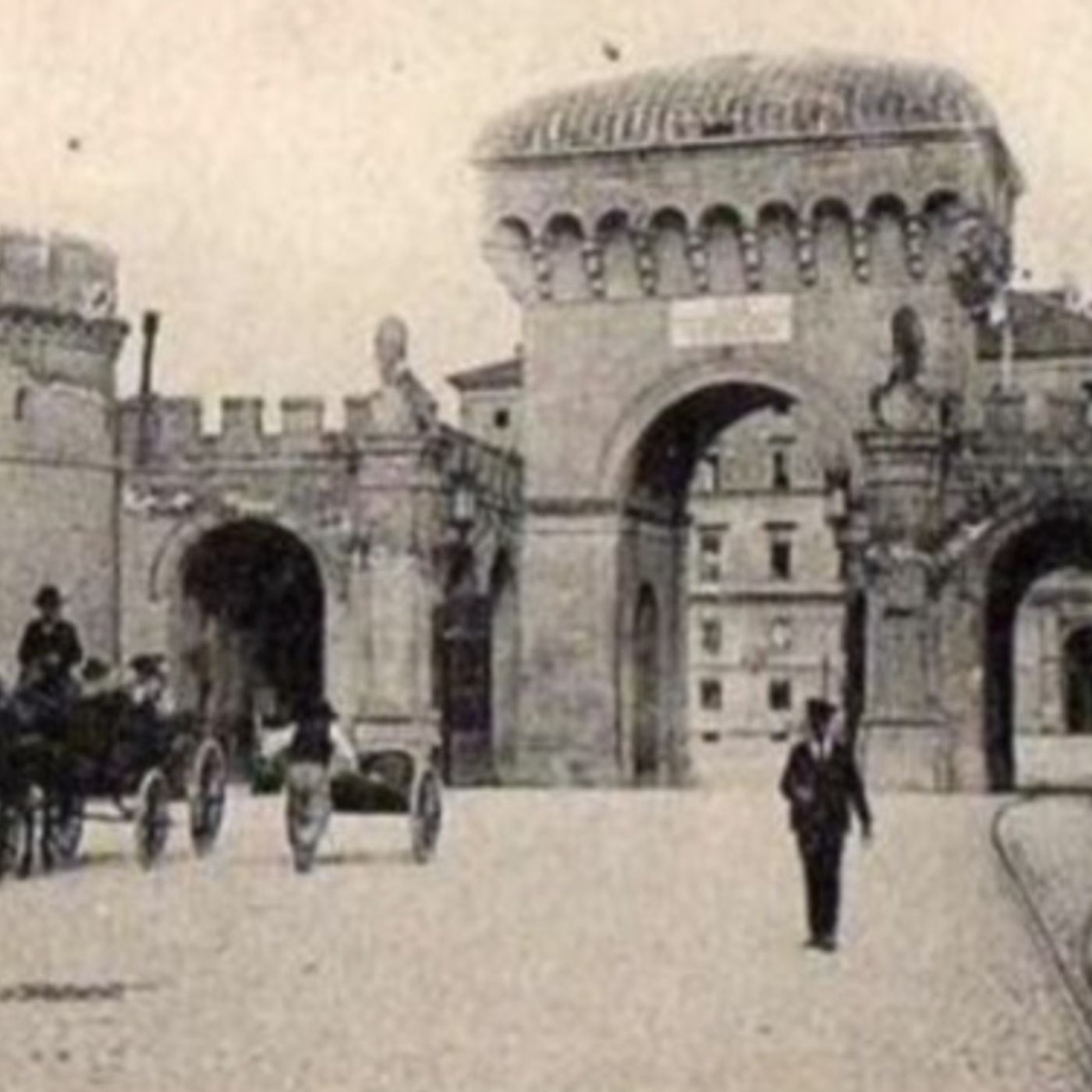
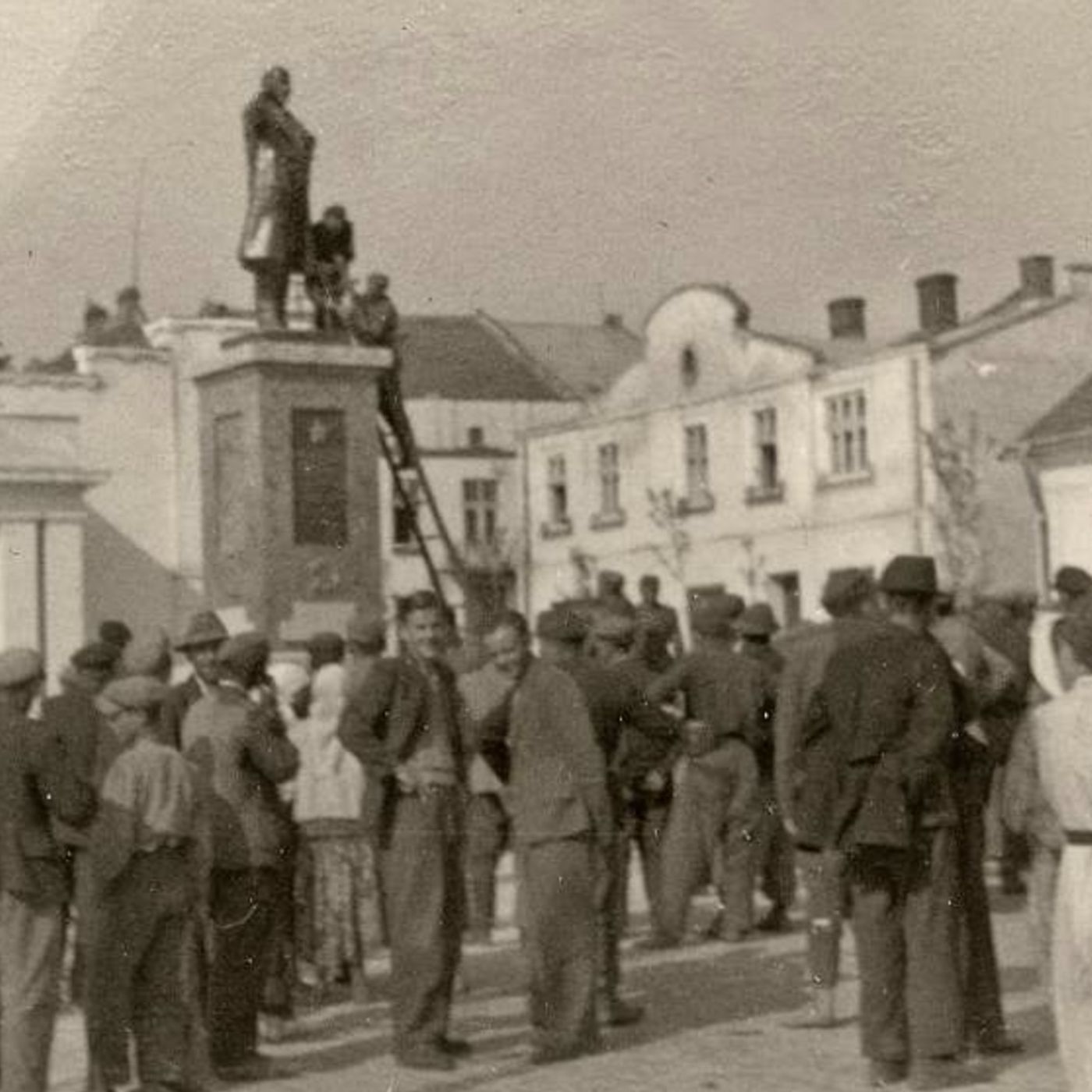
1942 LENIN STATUE KYIV Kremlin Dictatorship and Ukrainian National Unity — Part One Serhii Plokhy recounts how, in February 2014, Vladimir Putin decided with his security chiefs to annex Crimea. This autocratic move showed Russia’s transformation into a dictatorship, building on Boris Yeltsin’s constitutional expansion of presidential power. Though the Kremlin expected a divided nation, Russian aggression instead united Ukrainian society around its democratic leadership. (1)
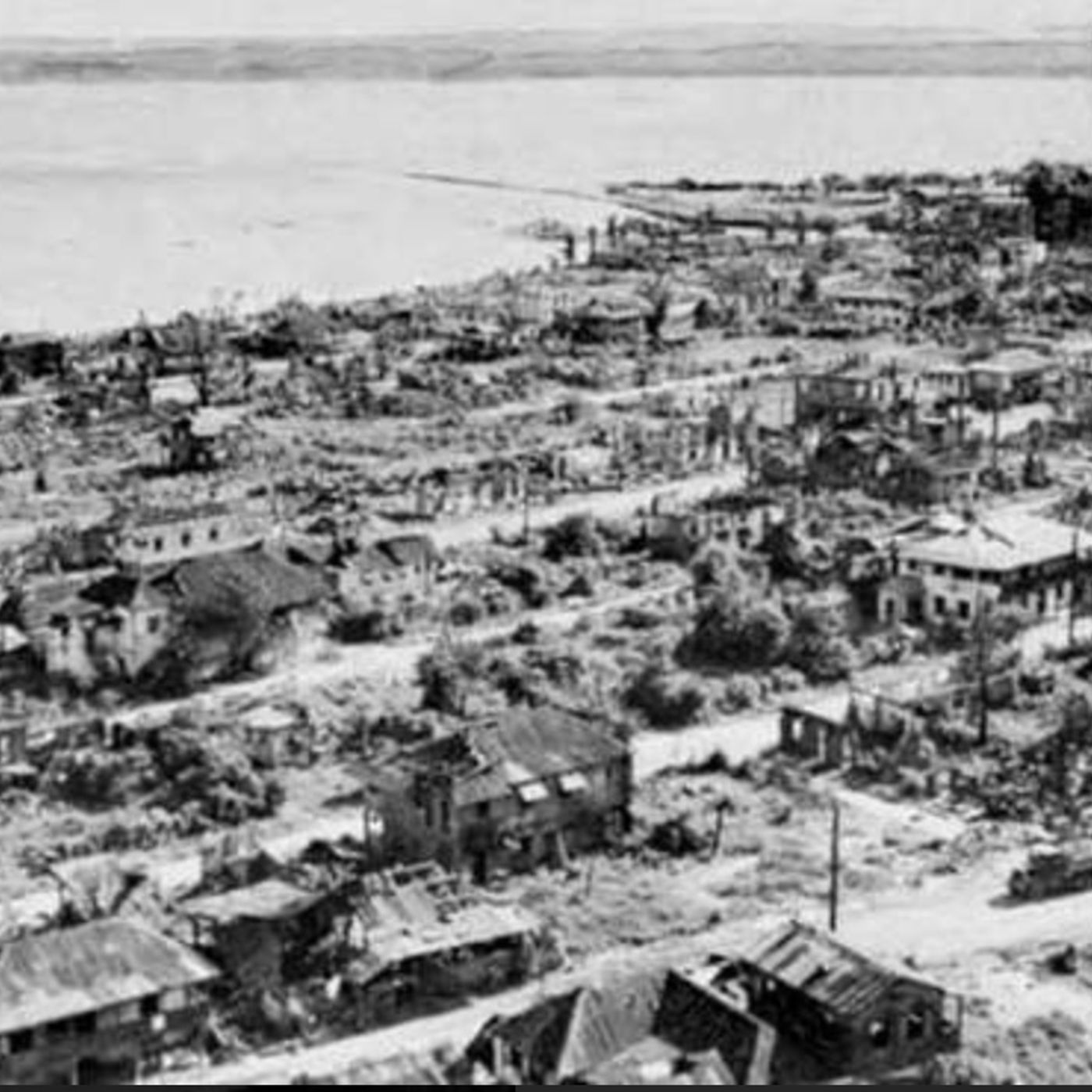
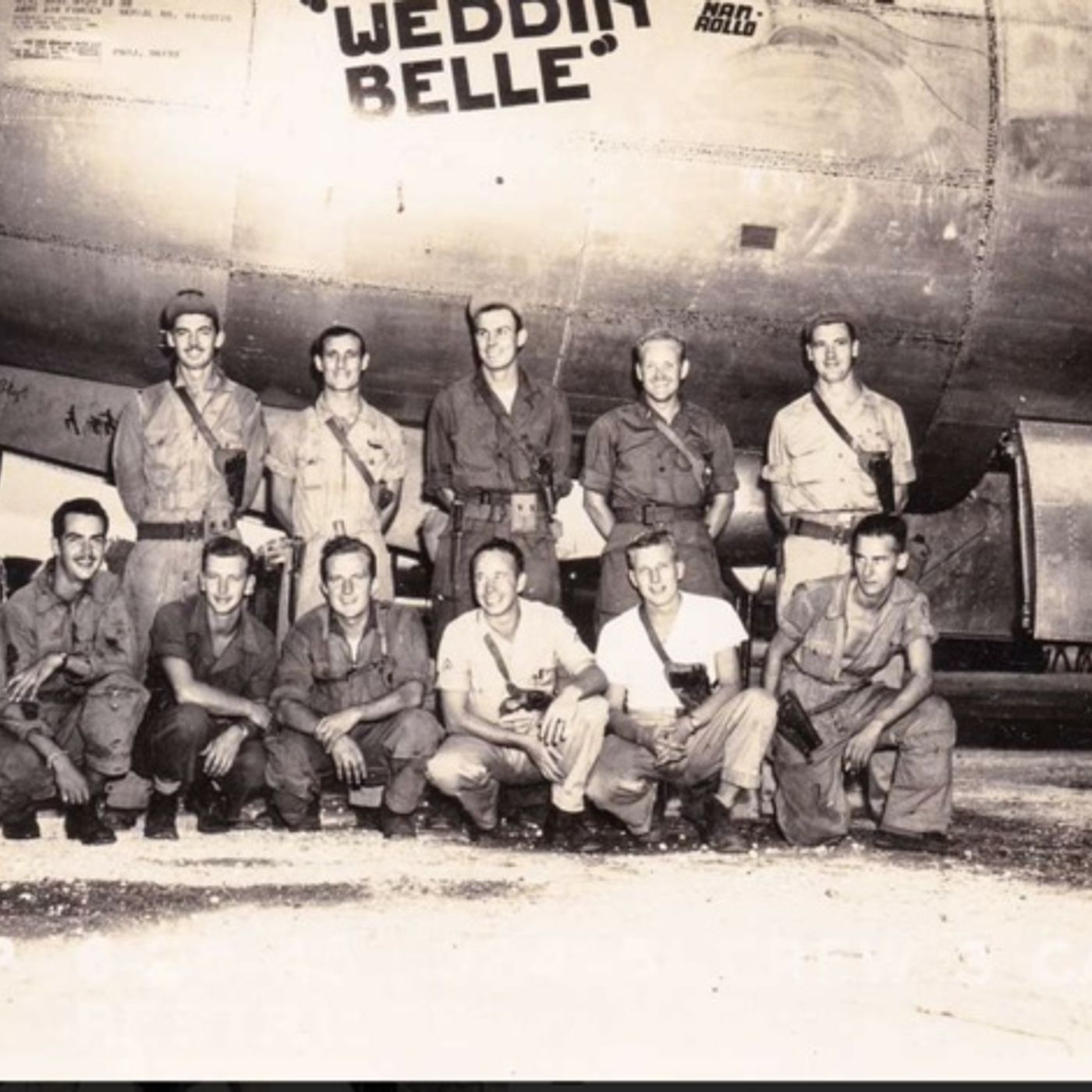
1944 SAIPAN LeMay Postwar Career and Controversial Legacy — Part Two James M. Scott, author of Black Snow: Curtis LeMay, the Firebombing of Tokyo, and the Road to the Atomic Bomb, follows LeMay after the war as he built Strategic Air Command into a powerhouse but struggled in political Washington. His aggressive rhetoric during the Vietnam War made him a public caricature, and, never expressing remorse for Tokyo, he joined George Wallace’s 1968 ticket as vice-presidential candidate, a move he conceded permanently tarred his reputation. (8)
Master the skills that change lives — enroll in your free human behavior course today: https://nci.university/learn Uploaded 01-03-26 Iran didn’t slowly become what you see on the news — it was psychologically taken. In this episode, I break down the real mechanism behind Iran’s transformation: the difference between a people and the system that cages them, how revolutions don’t shift power but shift who gets to use violence, and why fear — not religion — became the enforcement tool. From a modern, secular Iran in the 60s and 70s to a regime sustained by narrative control, surveillance, and compliance rituals, this is a case study in how educated civilizations get hijacked without realizing it. We’ll dissect the psychological trap that started in 1979, why today’s protests are memory colliding with fear, and the three paths Iran is likely to take next. This isn’t just about Iran — it’s a preview of what happens anywhere belief becomes mandatory and truth becomes a liability. Please not
Tammie Jo Shults dreamed of flying fighter jets. But sexism meant she was rejected repeatedly by the military. She persisted and, eventually, a US Navy recruiter gave her the chance to become one of their first female fighter pilots. She spent 10 years flying fighter jets and training other pilots, honing the skills and composure that, one day, would allow her to land a beleaguered passenger plane on a wing and a prayer. After leaving the US Navy Tammie Jo joined Southwest Airlines as a civilian pilot. On 17 April, 2018 she was the captain of a routine passenger flight when debris from a catastrophic engine failure smashed a hole in a passenger window at 30,000 feet. In cockpit recordings from the incident Tammie Jo sounds cool, calm and precise, just relaying the facts. The plane was flying sideways on one engine. Harnessing all the skills she gained from training the Navy’s fighter pilots she managed to wrestle the aircraft safely onto the runway in Philadelphia. After the window bro
Methane emissions from farm waste and landfill sites are being turned into fuel in Chile. Jane Chambers visits a bio-gas plant and a landfill harvesting methane from waste, examining how the sector is attracting foreign investment and generating revenue through carbon credits.
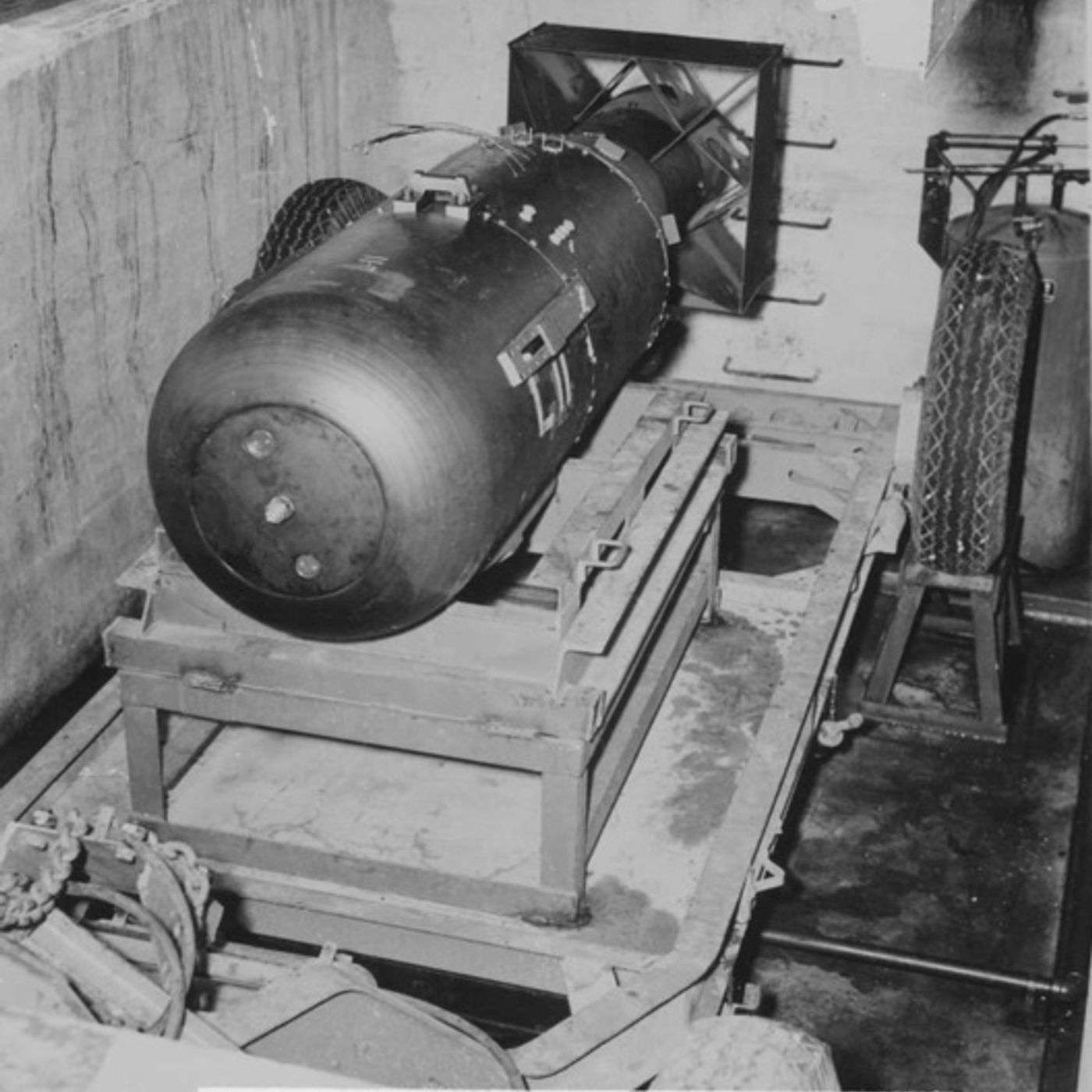
1945 LITTLE BOY FOR HIROSHIMA Devastating Aftermath and Sustained Firebombing Campaign — Part Two James M. Scott, author of Black Snow: Curtis LeMay, the Firebombing of Tokyo, and the Road to the Atomic Bomb, explains that the raid of March 9–10 killed an estimated 105,000 people, reducing Tokyo to an ash-covered wasteland. Despite light American losses and the vindication of LeMay’s tactics, Japan’s leaders refused to surrender, and LeMay extended incendiary strikes to Nagoya, Osaka, and secondary cities, crippling Japan’s urban industry before the atomic bomb was ready. (7)
Catastrophic Firestorm Devastates Densely Populated Tokyo — Part Two James M. Scott, author of Black Snow: Curtis LeMay, the Firebombing of Tokyo, and the Road to the Atomic Bomb, describes how, after midnight on March 10, napalm bombs punctured roofs and ignited Tokyo’s wooden buildings, creating a firestorm that destroyed sixteen square miles. Fleeing residents faced hurricane-force winds, suffocating heat, and spontaneous ignition, as primitive shelters failed and superheated air turned even concrete buildings into deadly traps. (6)
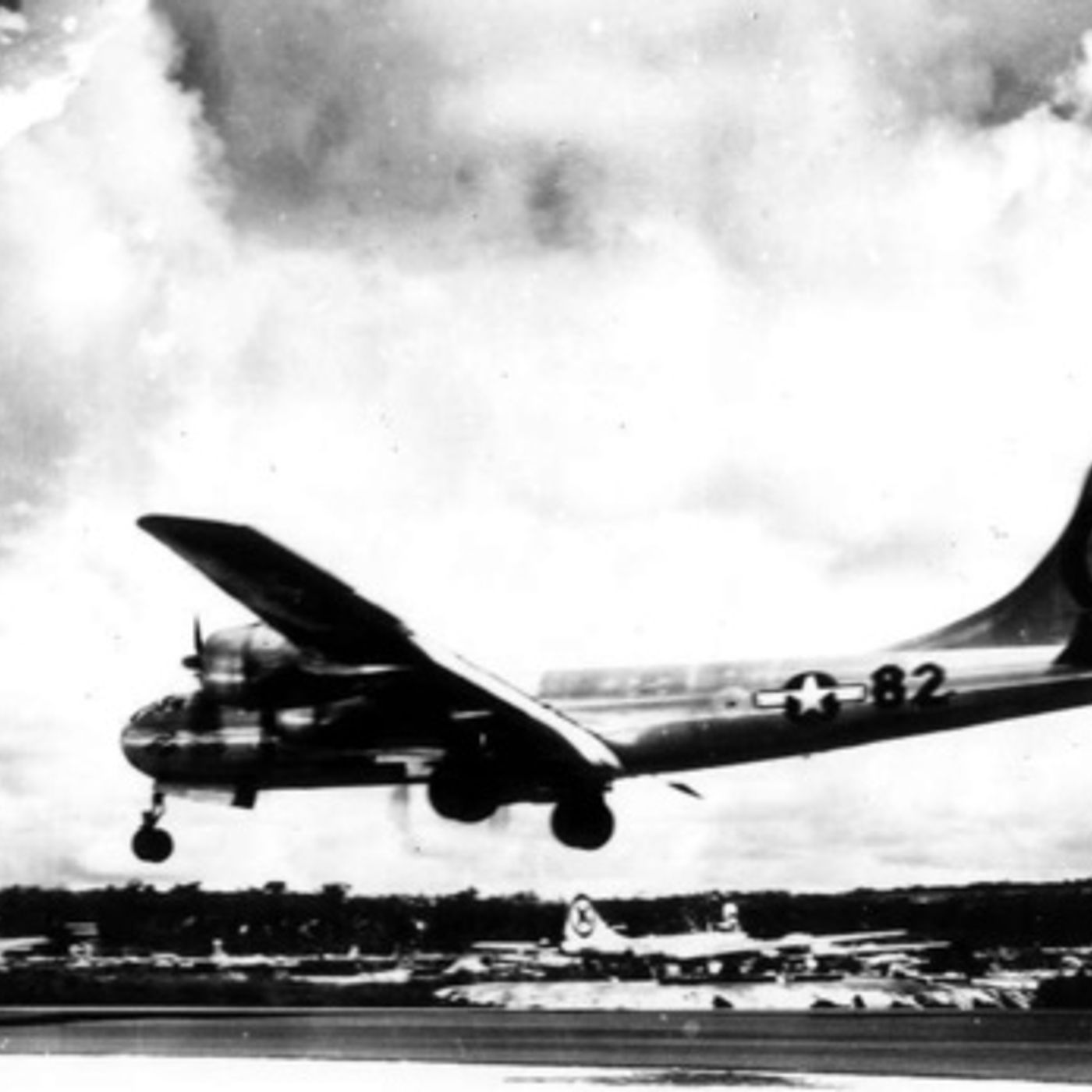
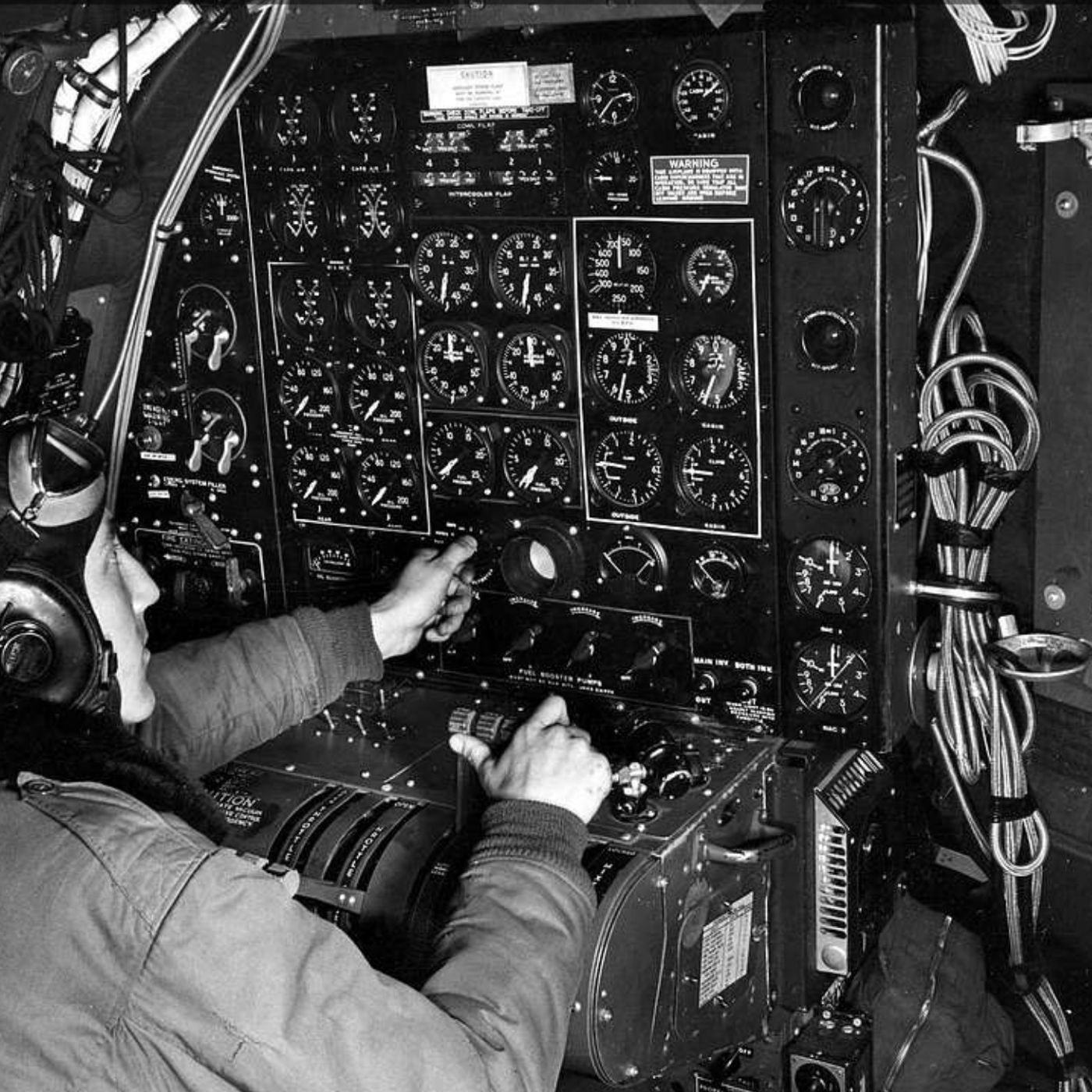
B-29 LANDING Preparation for Massive Tokyo Incendiary Strike — Part Two James M. Scott, author of Black Snow: Curtis LeMay, the Firebombing of Tokyo, and the Road to the Atomic Bomb, describes how, on March 9, 1945, LeMay ordered more than 300 B-29s stripped of guns to maximize incendiary loads. Overriding warnings of catastrophic losses, he targeted Asakusa and Tokyo’s densest residential districts, and with Hap Arnold recovering from illness, gambled his career on unleashing a firestorm. (5)
1945 B-29 SUPER WEAPON LeMay Plans Radical Low-Altitude Night XRaid — Part One James M. Scott, author of Black Snow: Curtis LeMay, the Firebombing of Tokyo, and the Road to the Atomic Bomb, recounts how LeMay, fearing dismissal, secretly devised a perilous plan for low-altitude night bombing without first seeking Washington’s approval. Drilling his aircrews hard for flights at about 5,000 feet and exploiting Tokyo’s flammable wood-framed architecture, LeMay prepared a dramatic change in tactics. (4)
1945 TINIAN LANDING Curtis LeMay Takes Command in Pacific — Part One James M. Scott, author of Black Snow: Curtis LeMay, the Firebombing of Tokyo, and the Road to the Atomic Bomb, profiles pragmatic problem-solver Curtis LeMay, who replaced Hansell after unsatisfactory results. Concluding that high-altitude bombing was an unsolvable equation in Pacific conditions, LeMay lowered altitudes, improved maintenance, and embraced radar, as American planners developed napalm and tested incendiaries on mock Japanese villages in the Utah desert. (3)
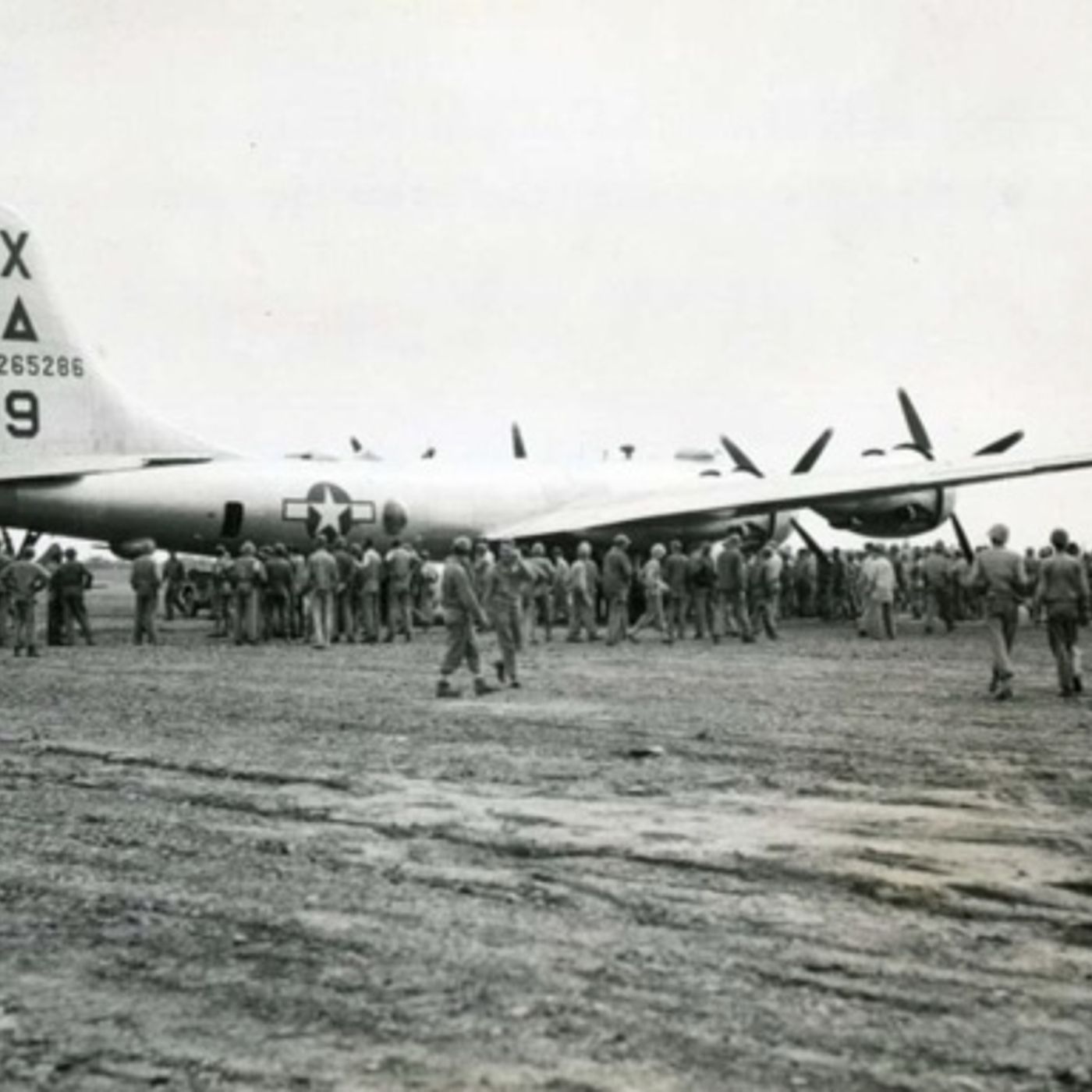
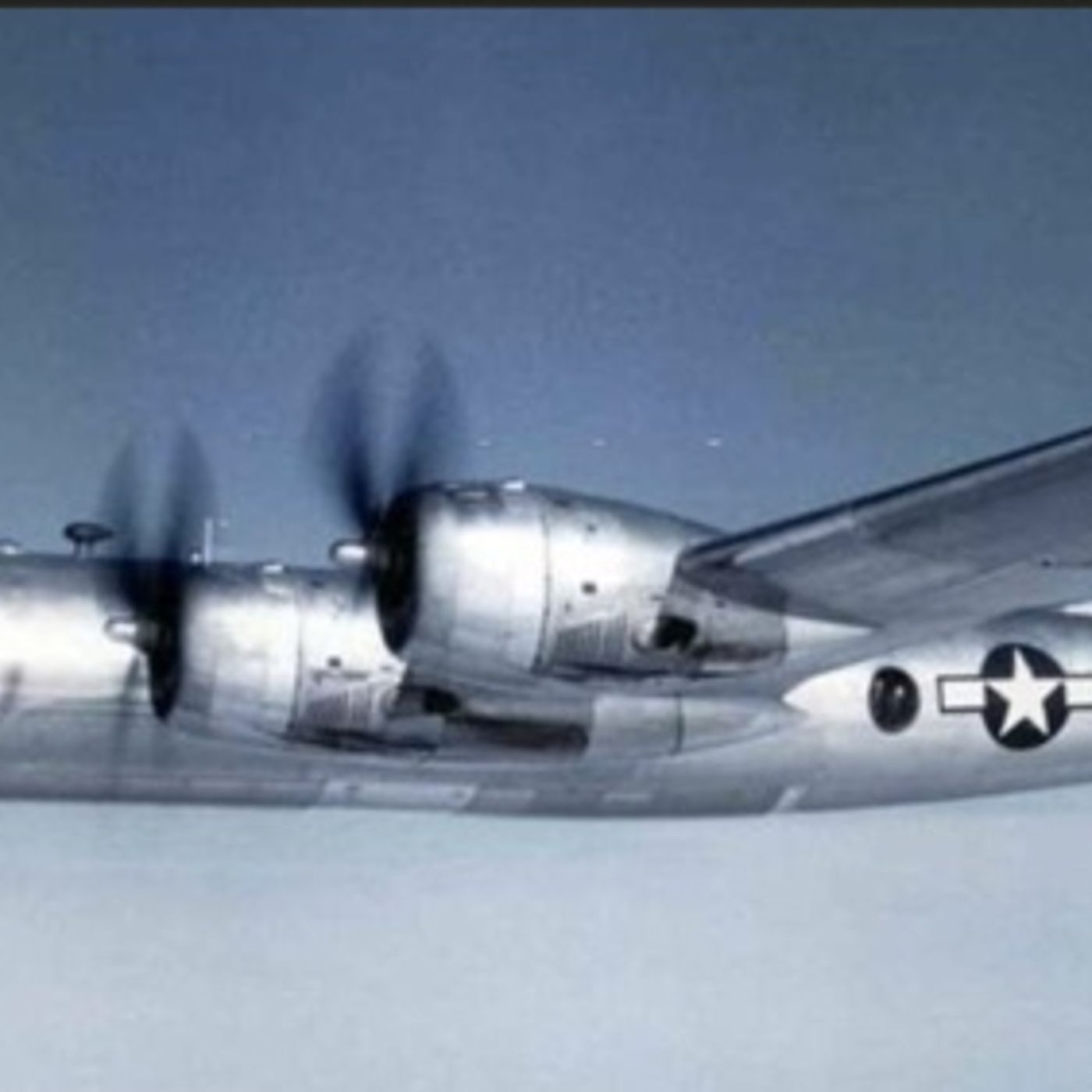
1945 B-29 Pacific Weather Sabotages High-Altitude Precision Bombing — Part One James M. Scott, author of Black Snow: Curtis LeMay, the Firebombing of Tokyo, and the Road to the Atomic Bomb, explains how high-altitude precision bombing failed over Japan because of cloud cover, 230 mph jet streams, and chronic B-29 engine trouble. Round-trip missions of more than 3,000 miles produced poor results, with early raids destroying only one percent of target factories amid heavy anti-aircraft fire, fueling debate over firebombing Japanese cities. (2): Curtis LeMay, the Firebombing of Tokyo, and the Road to the Atomic Bomb, explains how high-altitude precision bombing failed over Japan because of cloud cover, 230 mph jet streams, and chronic B-29 engine trouble. Round-trip missions of more than 3,000 miles produced poor results, with early raids destroying only one percent of target factories amid heavy anti-aircraft fire, fueling debate over firebombing Japanese cities. (2)