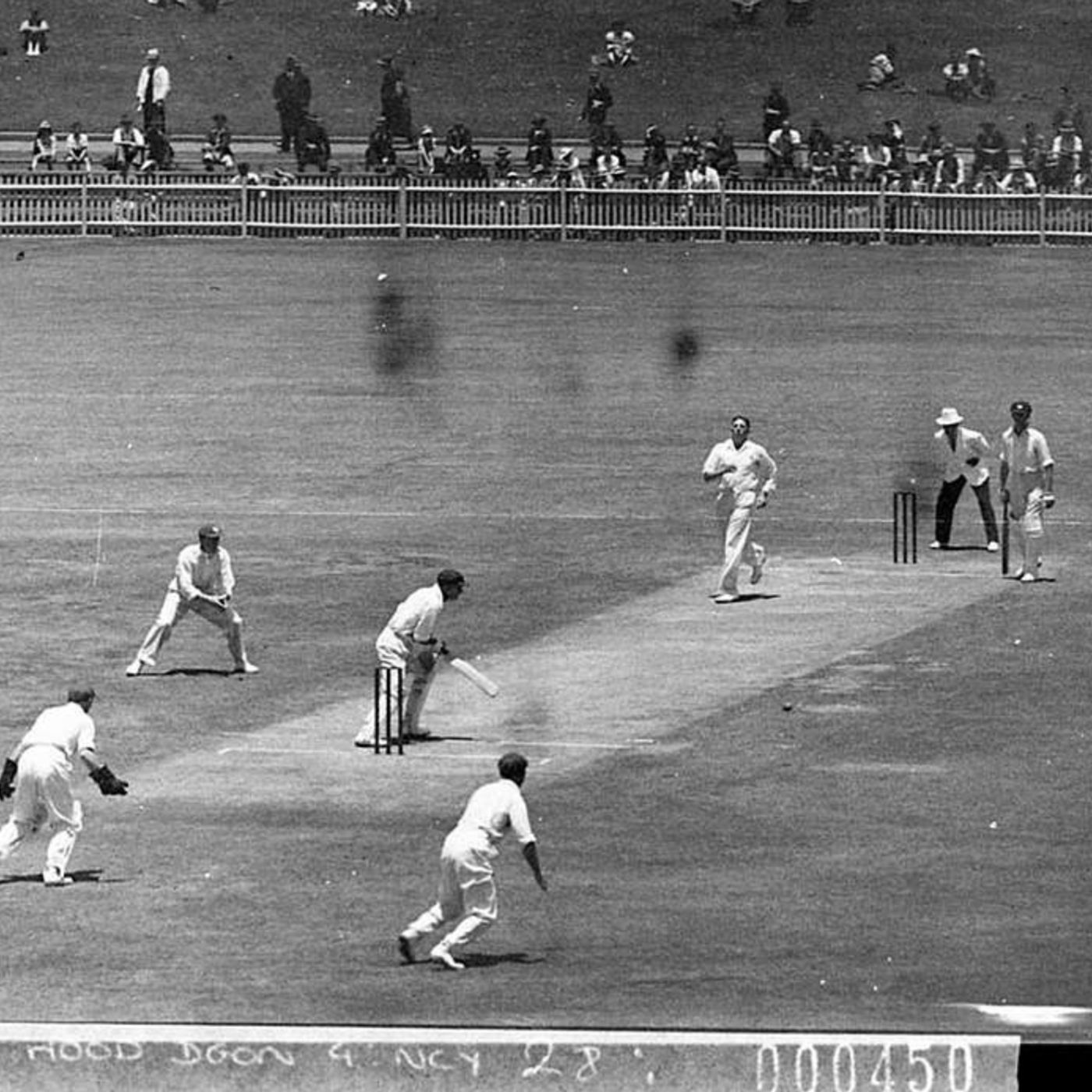
1937 Deceptive Cheating Methods Exposed in Cricket John Batchelor and Jeremy Zakis analyze athletic dishonesty in cricket, detailing a scandal in which a player used subtle finger clicks to mimic bat contact, deceiving umpires into calling batters out. They also examine ball tampering, match-fixing tactics, and how modern broadcasting technology inevitably exposes hidden misconduct. (3)
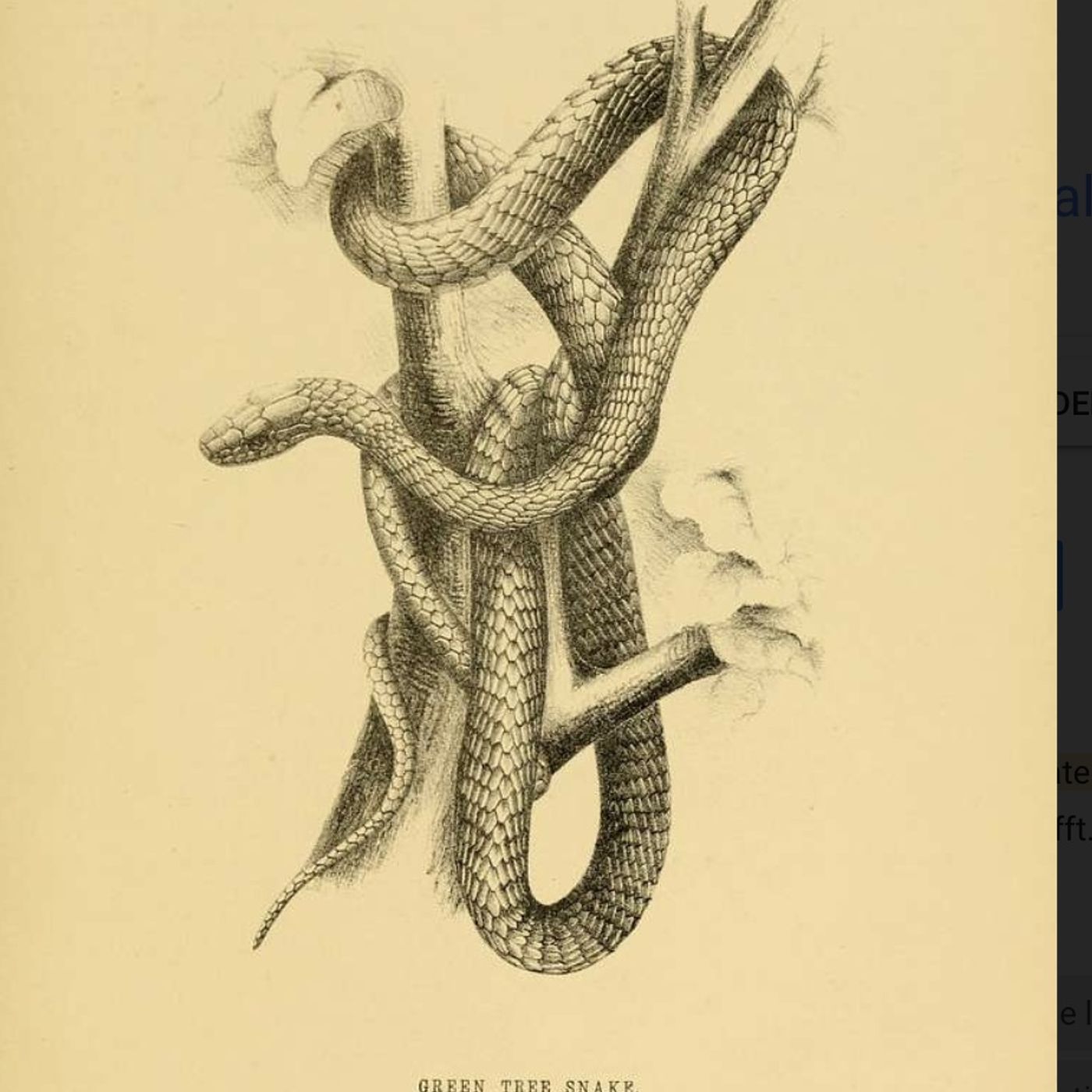
Venomous Snake Booms Threaten Australian Pets John Batchelor and Jeremy Zakis highlight pet risks during an unprecedented boom in venomous eastern brown snakes following erratic spring weather. Authorities advise clearing dark mulch, tall grass, and lavender bushes where sluggish reptiles hide. The conversation also notes local cockatoo behavior, friendly magpie encounters, and airport lounge safety. (3)
1927 QUEENSLAND El Niño Triggers Unpredictable Australian Weather John Batchelor and Jeremy Zakis discuss Australia’s chaotic springtime weather, driven by intensifying El Niñopatterns. Antarctic cold blasts bring freezing temperatures, severe winds, and mountain snow to New South Wales. Simultaneously, heatwaves scorch the western deserts while Queensland endures severe supercells, damaging hail, and infrastructure-overwhelming floods. ()1
Metabolism is a complex process that has a lot more going on than personal trainers and commercials might have you believe. Today we are exploring some of its key parts, including vital nutrients -- such as water, vitamins, minerals, carbs, fats, and proteins -- as well as how anabolic reactions build structures and require energy, while catabolic reactions tear things apart and release energy. Pssst... we made flashcards to help you review the content in this episode! Find them on the free Crash Course App! Download it here for Apple Devices: https://apple.co/3d4eyZo Download it here for Android Devices: https://bit.ly/2SrDulJ -- Chapters: Introduction: Metabolism 00:00 Metabolism, Anabolism, & Catabolism 2:30 Essential Nutrients: Water, Vitamins, Minerals 3:47 Carbohydrates 4:44 Lipids 5:53 Proteins 7:15 Review 9:22 Credits 9:57 *** Crash Course is on Patreon! Thanks to the following Patrons for their generous monthly contributions that help keep Crash Course free for everyone foreve
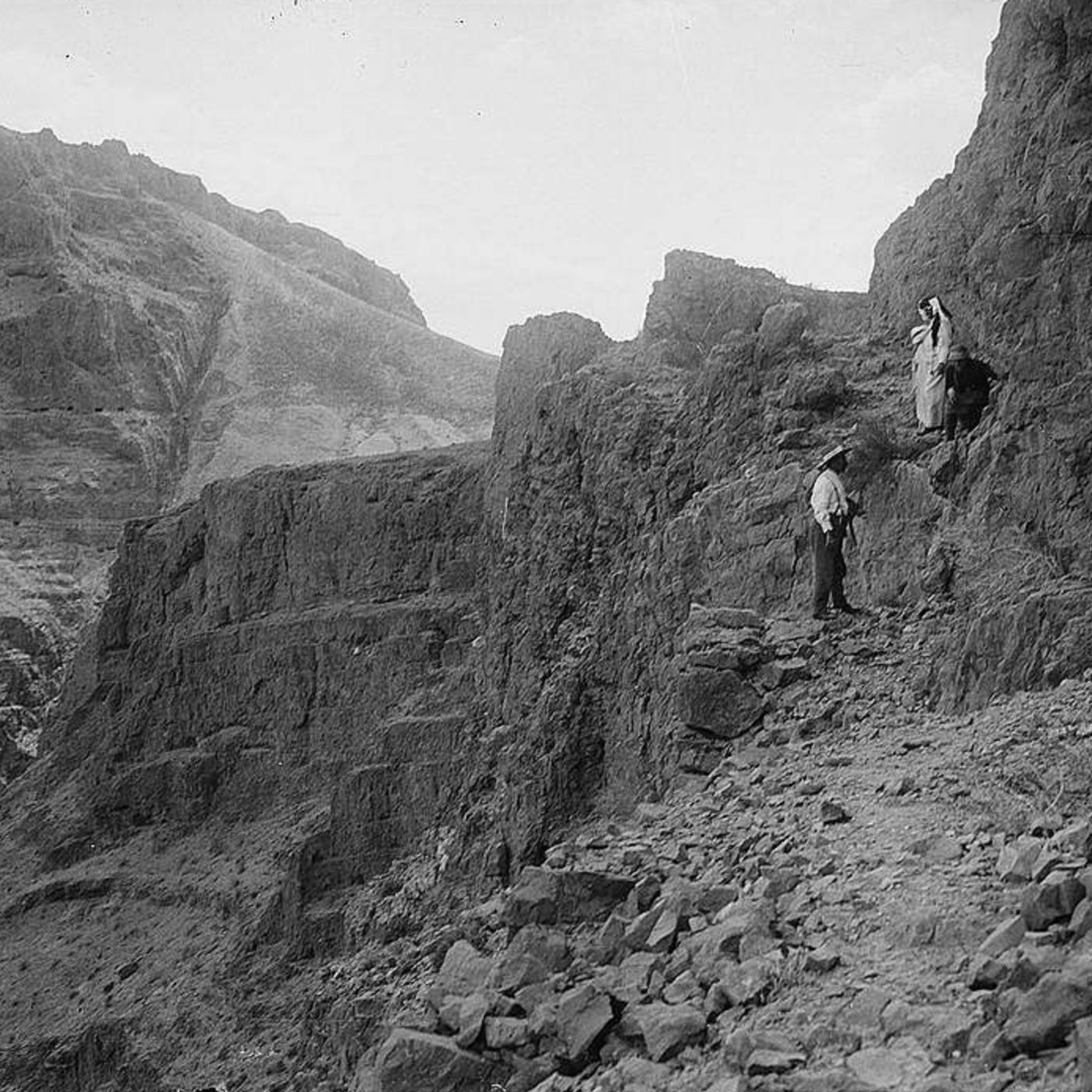
1920 MASADA Decade of Israeli Security and Politics Peter Berkowitz, author of Explaining Israel: The Jewish State, the Middle East, and America, analyzes Israeli policy, national security, and domestic political shifts from 2014 through 2024. He evaluates Israel’s defense response following the October 7 attacks, the strategic significance of the Abraham Accords, controversial judicial reforms, Supreme Court activism, and key arguments countering modern anti-Semitism and anti-Israel protests. (4)
From cave paintings to public murals, humans have told stories with art for thousands of years. In this episode of Crash Course Art History, we discover that visual storytelling is elementally human — and so is competing over whose story is told. Introduction: Narrative Art 00:00 History as Story 00:55 Contradictory Stories 04:10 Official & Unofficial Stories 07:01 Review & Credits 08:51 Image Descriptions: https://docs.google.com/document/d/1ETiCxe4GrVzFii7dBhF42oHx1EUCCh5y12wbtUjsH8A/edit Sources: https://docs.google.com/document/d/1GW2NKzhpMNMmRyAFJVhFJG9cSfUOMRL-QrcWuHcWcIA/edit?usp=sharing *** Crash Course is on Patreon! Thanks to the following patrons for their generous monthly contributions that help keep Crash Course free for everyone forever: Leah H., David Fanska, Andrew Woods, DL Singfield, Ken Davidian, Stephen Akuffo, Toni Miles, Steve Segreto, Kyle & Katherine Callahan, Laurel Stevens, Burt Humburg, Perry Joyce, Scott Harrison, Mark & Susan Billian, Alan Bridgeman, Breann
A gift from a narcissist usually carries a hook. The insulting present, clothes that never fit, the boomerang gift, the identity eraser and the Trojan horse are seven gifts that are really insults dressed up as generosity. Chapters 00:00 Unmasking Fake Generosity 01:12 Introduction to Narcissistic Gift-Giving 01:55 Gift 1: The Insulting Present 03:43 Gift 2: Clothes That Don't Fit 04:52 Gift 3: The Boomerang Gift 06:09 Gift 4: The Identity Eraser 07:29 Gift 5: The Trojan Horse 08:33 Gift 6: Cheap Trash After Self-Indulgence 09:41 Gift 7: The Public Performance 11:03 Conclusion and Final Thoughts Is this narcissistic abuse? Watch this episode on YouTube: youtu.be/4CDONbnSECM (https://youtu.be/4CDONbnSECM)
He loves hearing stories of ghosts, unexplained encounters, and possible messages from people who have died. But there’s one belief he was raised with that makes listening to those experiences a little more complicated. As a Christian, he was taught that ghosts aren’t actually the spirits of the dead. Instead, what appears to be a deceased loved one could be something far darker using a familiar face to deceive the living. That leaves him with an unsettling question. What about the encounters that seem loving, comforting, or even protective? Are people truly being visited by those they’ve lost—or could something else know exactly who we most want to see? And if something looks, sounds, and behaves like someone you loved, how would you ever know the difference? #RealGhostStoriesOnline #Ghosts #FamiliarSpirits #Paranormal #SpiritCommunication #Afterlife #DemonicEntities #ChristianityAndTheParanormal #Supernatural #TrueGhostStories Love real ghost stories? Want even more? Want even more?
In which John Green teaches you about the Progressive Era in the United States. In the late 19th and early 20th century in America, there was a sense that things could be improved upon. A sense that reforms should be enacted. A sense that progress should be made. As a result, we got the Progressive Era, which has very little to do with automobile insurance, but a little to do with automobiles. All this overlapped with the Gilded Age and is a little confusing, but here we have it. Basically, people were trying to solve some of the social problems that came with the benefits of industrial capitalism. To oversimplify, there was a competition between the corporations' desire to keep wages low and workers' desire to have a decent life. Improving food safety, reducing child labor, and unions were all on the agenda in the Progressive Era. While progress was being made, and people were becoming freer, these gains were not equally distributed. Jim Crow laws were put in place in the south, and i
Oxidation-reduction reactions are going on around us, and inside us, all the time, and we can make redox reactions in organic chemistry easier to understand by tracking carbon-oxygen bonds. In this episode of Crash Course Organic Chemistry, we’ll focus on alkene redox reactions and revisit our 3-part secret handshake to help us better understand patterns and predict the products of these reactions. Series Sources: Brown, W. H., Iverson, B. L., Ansyln, E. V., Foote, C., Organic Chemistry; 8th ed.; Cengage Learning, Boston, 2018. Bruice, P. Y., Organic Chemistry, 7th ed.; Pearson Education, Inc., United States, 2014. Clayden, J., Greeves, N., Warren., S., Organic Chemistry, 2nd ed.; Oxford University Press, New York, 2012. Jones Jr., M.; Fleming, S. A., Organic Chemistry, 5th ed.; W. W. Norton & Company, New York, 2014. Klein., D., Organic Chemistry; 1st ed.; John Wiley & Sons, United States, 2012. Louden M., Organic Chemistry; 5th ed.; Roberts and Company Publishers, Colorado, 2009. McM
Dave Collum is a professor of organic chemistry at Cornell University. He joins Rudy Havenstein to discuss the midterms, AI bubble, Kevin Warsh, CPI, if Trump will finish his term and much more. PLEASE SUBSCRIBE LIKE AND SHARE THIS PODCAST!!! Follow Me X- https://x.com/CoffeeandaMike IG- https://www.instagram.com/coffeeandamike/ Facebook- https://www.facebook.com/CoffeeandaMike/ YouTube- https://www.youtube.com/@Coffeeandamike Substack- https://coffeeandamike.substack.com/ Gab- https://gab.com/CoffeeandaMike Locals- https://coffeeandamike.locals.com/ Website- www.coffeeandamike.com (http://www.coffeeandamike.com/) Email- [email protected] Support My Work Venmo- https://www.venmo.com/u/coffeeandamike Paypal- https://www.paypal.com/biz/profile/Coffeeandamike Substack- https://coffeeandamike.substack.com/ Patreon- http://patreon.com/coffeeandamike Locals- https://coffeeandamike.locals.com/ Cash App- https://cash.app/$coffeeandamike Buy Me a Coffee- https://buymeacoffee.com/coffeeand
On this week’s edition of Le Show, Harry brings us regular features like News of Smart World, ICE, ICE Baby, News of the Godly, News of A.I., News of NiceCorps, News of the Atom, News of Microplastics, News of Forever Chemicals, Let Us Try, and The Apologies of the Week. He also acknowledges Stephen Miller’s new role in the Trump administration and bids farewell to Tesla’s Cybertruck, which ceased production this past week.
In which John Green teaches you about the massive immigration to the United States during the late 19th and early 20th centuries. Immigrants flocked to the US from all over the world in this time period. Millions of Europeans moved to the US where they drove the growth of cities and manned the rapid industrialization that was taking place. In the western US many, many Chinese immigrants arrived to work on the railroad and in mines. As is often the case in the United States, the people who already lived in the US reacted kind of badly to this flood of immigrants. Some legislators tried to stem the flow of new arrivals, with mixed success. Grover Cleveland vetoed a general ban on immigration, but the leadership at the time did manage to get together to pass an anti-Chinese immigration law. Immigrants did win some important Supreme Court decisions upholding their rights, but in many ways, immigrants were treated as second-class citizens. At the same time, the country was rapidly urbanizin
In which John Green teaches you how the Civil War played a large part in making the United States the country that it is today. He covers some of the key ways in which Abraham Lincoln influenced the outcome of the war, and how the lack of foreign intervention also helped the Union win the war. John also covers the technology that made the Civil War different than previous wars. New weapons helped to influence the outcomes of battles, but photography influenced how the public at large perceived the war. In addition, John gets into the long-term effects of the war, including the federalization and unification of the United States. All this plus homesteading, land grant universities, railroads, federal currency, and taxes. Check out the US National Archives Flickr. They have an awesome collection of Matthew Brady Civil War photography here: http://www.flickr.com/photos/usnationalarchives/collections/72157622495226723/ Hey teachers and students - Check out CommonLit's free collection of re
So we've been talking about civil rights for the last few episodes now, and we're finally going to wrap this discussion up with the rather controversial topic of affirmative action. We'll explain what exactly affirmative action is, who it is for, and why it still exists. Now, affirmative action is a pretty problematic concept. So we'll get into the court's rationalization for it in the 70s as well as its fall from favor in more recent years. Now, people tend to have pretty strong, and varying opinions, about this stuff - so we'll start talking about how these opinions are informed next week when we start our discussion on politics. Produced in collaboration with PBS Digital Studios: http://youtube.com/pbsdigitalstudios Support is provided by Voqal: http://www.voqal.org (http://www.voqal.org/) All attributed images are licensed under Creative Commons by Attribution 4.0 Want to find Crash Course elsewhere on the internet? Facebook - http://www.facebook.com/YouTubeCrashCourse Twitter - ht
Europe has long relied on America's tech giants to power its digital economy. Now, as geopolitical tensions rise, it is seeking greater control over its digital future through a push for digital sovereignty. We examine what is driving the push and what it could mean for businesses and consumers.
Nearly 15 years after Michelle Parker vanished from Orlando, Florida, on the same day her explosive appearance with ex-fiancé Dale Smith Jr. aired on The People’s Court, investigators have finally made an arrest—and newly unsealed court documents reveal shocking details about the case. In this Hidden True Crime investigation, Lauren Matthias breaks down the 46-page arrest affidavit, including explosive private text messages between Michelle and Dale involving sex, money, jealousy, custody battles, and disturbing exchanges in the days before she disappeared. We examine newly analyzed cellphone records, deleted text messages, surveillance footage, suspicious injuries, conflicting timelines, and the chilling evidence investigators say led them to charge Dale Smith Jr. with second-degree murder in October 2026. What really happened after Michelle dropped off her twins at her ex-fiancé’s condo on November 17, 2011? Who sent the mysterious “Waterford” text? And what did investigators uncover
The press called Aileen Wuornos America's first female serial killer, and in 1998 an FBI profiler went further, saying there were no female serial killers at all. Jack the Ripper's own countrywoman, Mary Ann Cotton, had already claimed three or four times as many victims as he did, most of them children, and historians still chase the Ripper's identity while almost never mentioning her. READ or DOWNLOAD the full transcript of this episode: https://weirddarkness.tiny.us/mw3nzvbk FEATURED STORIES IN THIS EPISODE: Female serial killers… they are a lot more common than you think. (We’re Surrounded by Female Serial Killers) *** The founder of the website Chicago Hauntings, Ursula Bielski, shares how the paranormal first invaded her life. (My Paranormal Life) *** The death of Thomas Becket shook the middle-ages. It’s believed his assassination in Canterbury Cathedral on December 29th, 1170 changed the course of history. (The Assassination of Thomas Becket) *** We’ll take a humorous look at t
Cressida and Isabella are joined by entrepreneur and founder of Boden, Johnnie Boden. Johnnie reflects on his relationship with his own parents, sharing what it was like growing up in a family where affection was rarely shown, why he was always seeking approval, and how those experiences influenced the way he chose to raise his own children. He also shares the lessons he took from his mother, from her warmth, kindness and sense of humour. Plus, we hear about his journey to building Boden and how he has learnt to be more self-aware as a leader. Join Cressida Bonas and Isabella Branson as they explore how maternal figures have shaped the lives of their guests. Each episode delves into the valuable lessons they've carried forward, those they've left behind, and the profound impact maternal figures have had throughout their lives. ️ Anhttps://www.ogpodcasts.co.uk/OG Podcasts (https://www.ogpodcasts.co.uk/) production. Hosted on Acast. See acast.com/privacy (https://acast.com/privacy) for m
Martin Luther King III joins Don for a conversation about the historic 2026 midterm elections, his father's enduring legacy and what this defining moment means for the future of America. As the nation reflects on the election results, King discusses the significance of Black political representation, the generations who fought to break down barriers and the extraordinary progress made in the struggle for equality. What would Dr. Martin Luther King Jr. make of this moment in American history? How much closer are we to realizing his dream? And what challenges remain in the fight for justice and equal opportunity? In a moving conversation, Don and King explore the significance of these electoral milestones, the power of political representation and why Dr. King's vision remains as relevant today as ever. GUEST: Martin Luther King III
Why does listening to No Stupid Questions feel like you’re hanging out with your best friends? Why did the whole world take it personally when Princess Diana died? And how do “parasocial relationships” affect your mental health? This episode originally aired on May 22nd, 2022. Hosted by Simplecast, an AdsWizz company. See pcm.adswizz.com (https://pcm.adswizz.com/) for information about our collection and use of personal data for advertising.
If cells and organs never talked to each other, an animal would fall apart faster than a boy band after the popular one goes solo. Thankfully, that’s where the nervous and endocrine systems come in! In this episode of Crash Course Biology, we’ll learn how they use neurons, hormones, and more to keep animals’ bodies coordinated. Introduction: Internal communication in animals 00:00 Why communication matters 01:01 The nervous system 01:58 What happens when you step on a Lego? 03:48 Hormones 06:19 Fight or Flight 08:01 Review & Credits 09:07 This series was produced in collaboration with HHMI BioInteractive, committed to empowering educators and inspiring students with engaging, accessible, and quality classroom resources. Visit https://BioInteractive.org/CrashCourse (https://biointeractive.org/CrashCourse) for more information. Are you an educator looking for what NGSS Standards are covered in this episode? Check out our Educator Standards Database for Biology here: https://www.thecrashc
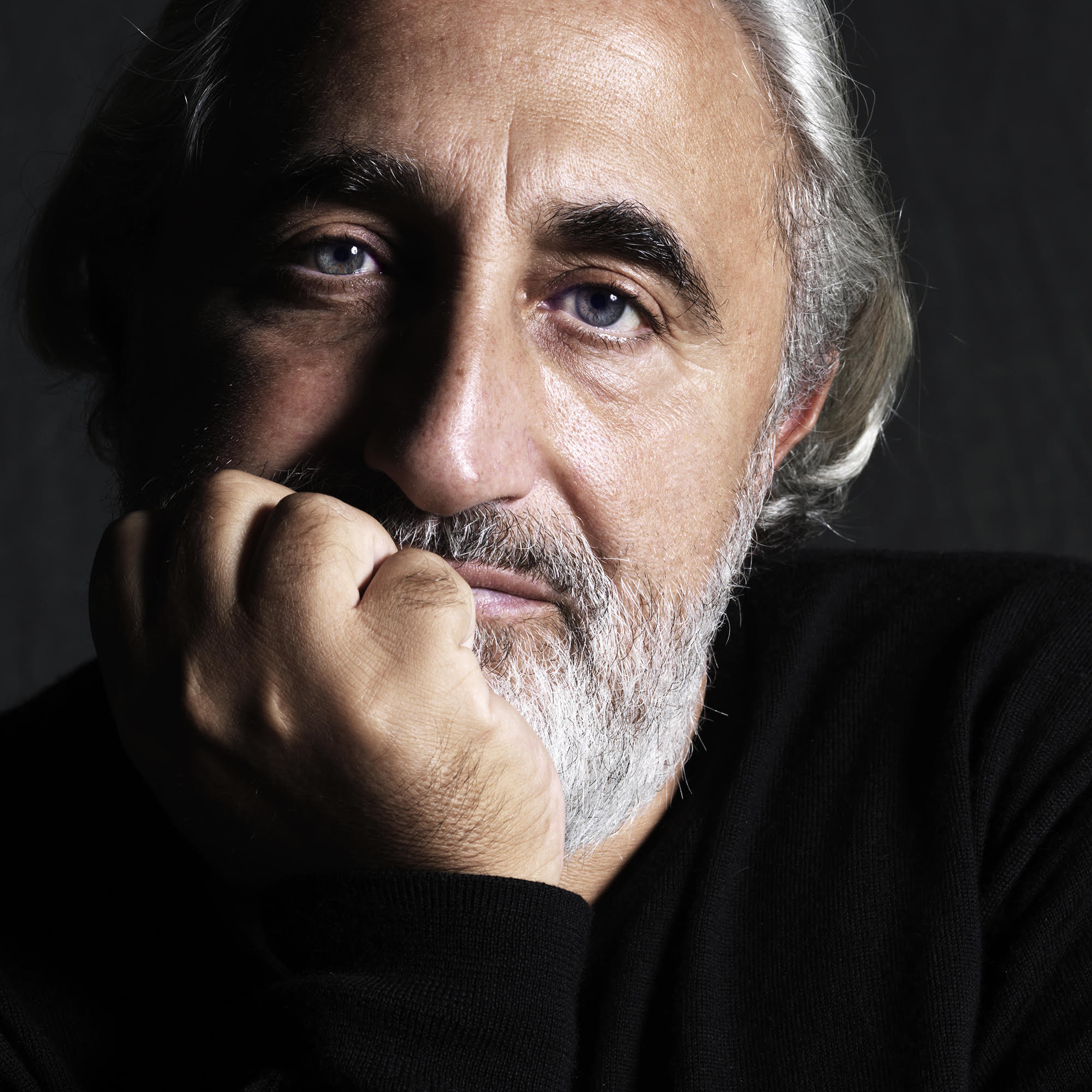
To order Suicidal Empathy: https://lnk.to/SuicidalEmpathy _______________________________________ If you appreciate my work and would like to support it: _______________________________________ This clip was posted on November 7, 2026 on my YouTube channel as THE SAAD TRUTH_2121: https://youtu.be/Svs50vlM2PE _______________________________________ I count on my fans to support my efforts. You can donate via Patreon, PayPal, and/or SubscribeStar. _______________________________________ Dr. In addition to his scientific work, Dr. _______________________________________ Note: The use of the three embedded clips falls under the Fair Use clause (for critique/educational purposes).
We couldn't have language without the brain, but our brains are a bit harder to study than other parts of the body that we use to make languages like our mouths and hands. In this episode of Crash Course Linguistics, we'll learn about the field that studies where and how language happens in the brain, called psycholinguistics. We'll cover old and new research in the field, classic studies, and the methods psycholinguistics use to uncover the connections between language and the brain. Acknowledgment: Suzy Styles Want even more linguistics? Check out the Lingthusiasm podcast, hosted by the writers of Crash Course Linguistics: https://lingthusiasm.com/ *** Watch our videos and review your learning with the Crash Course App! Download here for Apple Devices: https://apple.co/3d4eyZo Download here for Android Devices: https://bit.ly/2SrDulJ Crash Course is on Patreon! Thanks to the following patrons for their generous monthly contributions that help keep Crash Course free for everyone forev