Listen to this episode on Apple Podcasts (https://podcasts.apple.com/us/podcast/bringing-robotaxis-to-europe-with-bolt-ceo-markus-villig/id1811181944?i=1000802306416), YouTube (https://youtu.be/aw80zeCSayg), Spotify (https://open.spotify.com/episode/5fn53ItybkZfZ4I3ytNFDJ?si=01f2b0d63f124520), and Substack (https://www.thedriverlessdigest.com/p/bringing-robotaxis-to-europe-with). You can also access them from the email version by clicking here (https://www.thedriverlessdigest.com/p/bringing-robotaxis-to-europe-with?showTranscript=true). In today’s episode, I’m speaking with Markus Villig (https://www.linkedin.com/in/markusvillig/), founder and CEO of Bolt (https://bolt.eu/en/). Markus shares how he built the company into a global mobility platform, why cost efficiency is central to its business, and why he wants to navigate the autonomous vehicle transition before taking Bolt public. We dive into Bolt’s AV strategy, including its partnerships with autonomous driving developers and auto
Professional musicians share the key components of being a great performer and what it means to have stage presence. -- "Think Like A Musician" connects you with working musicians who want to help the music-curious and music-passionate hone and share the gift of music with the world. Part interview, part animated course, our first season "Think Like A Performer" features artists sharing their insight on the ins and outs of fine-tuning your instrument and crafting a great performance. Each episode features free supplemental learning materials developed by Education Through Music (https://etmonline.org) (https://etmonline.org)/) — a nonprofit with over 30 years of experience developing classroom-adaptable curriculum for music educators. Directed by Kozmonot Animation Studio. A special thanks to the musicians who provided their insights and expertise for this video. You can check out their pages here: Support Our Non-Profit Mission ---------------------------------------------- Support us
View full lesson: http://ed.ted.com/lessons/football-physics-the-impossible-free-kick-erez-garty Uploaded 15-06-15 In 1997, Brazilian football player Roberto Carlos set up for a 35 meter free kick with no direct line to the goal. Carlos’s shot sent the ball flying wide of the players, but just before going out of bounds it hooked to the left and soared into the net. How did he do it? Erez Garty describes the physics behind one of the most magnificent goals in the history of football. Lesson by Erez Garty, animation by TOGETHER.
ChatGPT API with Salience and Anticipation of User Needs: Towards a fully autonomous assistant Episode release date: 9 Mar 2023 Core Ideas: Metamodernism: Narratives and emergence view of reality - Reduce suffering - Increase prosperity - Increase understanding mantra: Seek knowledge. DISCLAIMER: This is a community-driven show. ---------------------------- ------ Keywords: future technology, machine learning, openai, cognitive ai, heuristic imperatives, ai agents, ai masterclass
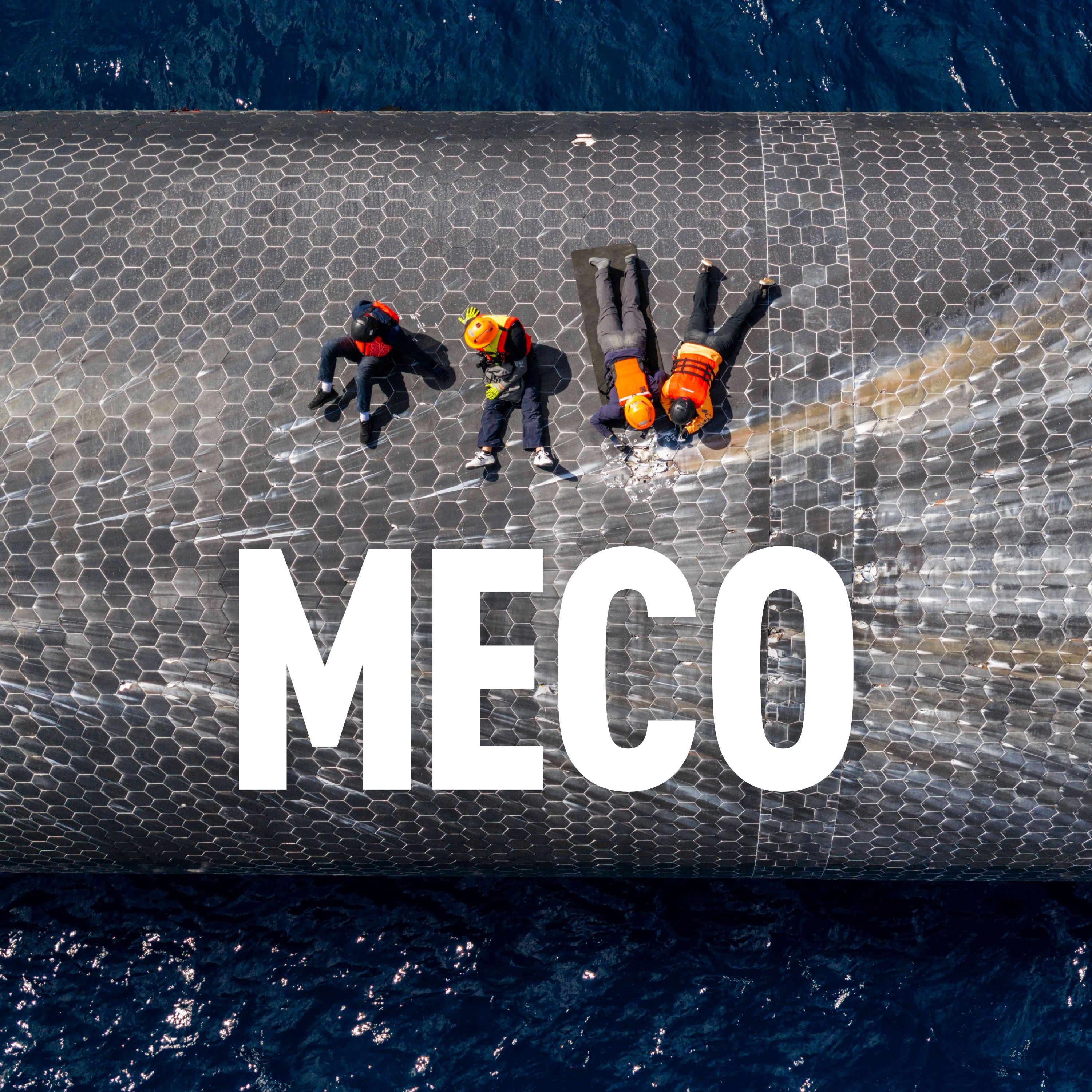
SpaceX caught Starship returning from orbit for the first time, while Vulcan’s return to flight was ULA’s first total mission failure. I talk through the inflection point Starship has reached, Blue Origin’s decision to focus on New Glenn and the Moon, and how NASA and the Space Force are building out lunar infrastructure. This episode of Main Engine Cut Off is brought to you by 33 executive producers—JC, Will and Lars from Agile, Frank, Joakim, Matt from Built, Tim Dodd (the Everyday Astronaut!), Joonas, Lee, Ryan, Donald, Russell, Theo and Violet, Josh from Impulse, Jan, Steve, Matt, Pat, Natasha Tsakos, Miles O’Brien, David, Heiko, Fred, Warren, Joel, Stealth Julian, Kris, The Astrogators at SEE, and four anonymous—and hundreds of supporters (https://mainenginecutoff.com/support). Topics Starship flight 15 powers to orbit — Ars Technica (https://arstechnica.com/space/2026/11/starship-flight-15-powers-to-orbit-setting-up-a-possible-catch-on-saturday/) SpaceX returned its Starship rock
On Ep. 109 of Tokenized, Simon Taylor, Founder @ Brainfood & Market Dev @ Tempo is joined by Terry Angelos, Chief Strategy Officer @ VGS, Aya Kantorovich, Co-Founder & Co-CEO @ Upshift and Mary Truitt, Co-Founder & COO @ Formation to discuss Airwallex and Alta tackling stablecoin on and off-ramp challenges, onshore vs offshore tokenized equities, stablecoin adoption shifting from crypto trading to fintech payments and more! Timestamps: 00:00 Introduction 03:37 Stablecoin adoption shifts from crypto trading to fintech payments 07:37 Airwallex and Alta tackle stablecoin on and off-ramp challenges 11:00 NYSE selects Avalanche for 24/7 tokenized stock trading and settlement 18:29 Onshore vs offshore tokenized equities and shareholder rights 23:02 Does 24/7 stock trading increase volatility and investor risk? 28:02 Coinbase secures OCC national trust charter for institutional crypto custody 30:47 The regulatory costs and risks of crypto banking charters 35:16 MegaETH commits $30 million to
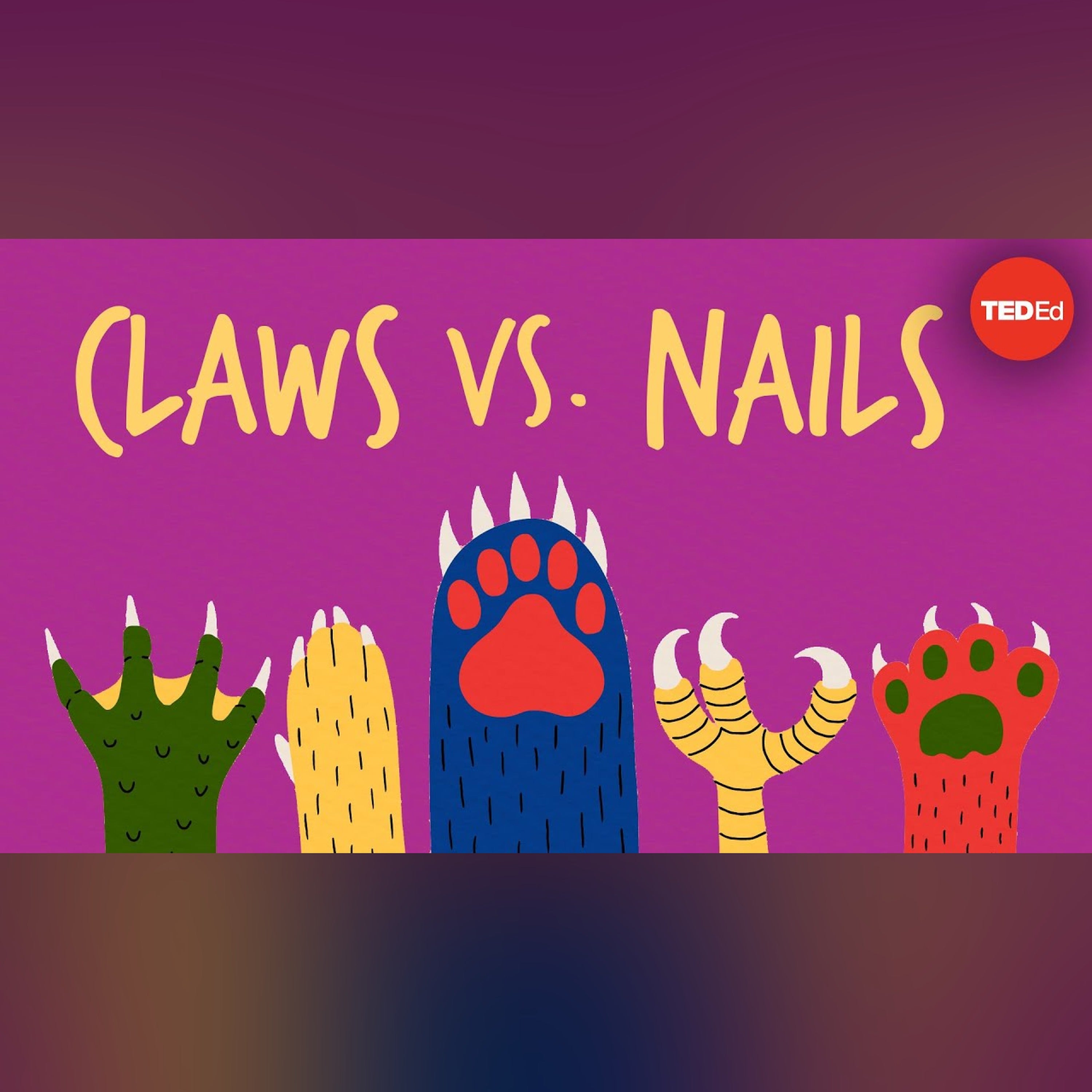
Discover the evolutionary purpose of nails, and explore the theories of why they evolved from claws over 55 million years ago. Uploaded 29-10-19 -- Consider the claw. Frequently found on animals around the world, it’s one of nature’s most versatile tools. Bears use claws for digging as well as defense. An eagle’s needle-like talons can pierce the skulls of their prey. Even the ancestors of primates used to wield these impressive appendages, until their claws evolved into nails. So what caused this adaptation? Matthew Borths investigates. Lesson by Matthew Borths, directed by Augenblick Studios. Animator's website: https://www.augenblickstudios.com (https://www.augenblickstudios.com/) Sign up for our newsletter: http://bit.ly/TEDEdNewsletter Support us on Patreon: http://bit.ly/TEDEdPatreon Find us on Twitter: http://bit.ly/TEDEdTwitter Peep us on Instagram: http://bit.ly/TEDEdInstagram View full lesson: https://ed.ted.com/lessons/claws-vs-nails-matthew-borths Thank you so much to our p
Tesla’s 4680 cells power the Cybercab’s current battery pack. I explain the reported space inside that pack for a possible future switch to cheaper phosphate cells once licensed US production is available. For listeners, the visual change is liquid silver replacing the signature gold: the colour would be moulded into the body panels, not painted on.
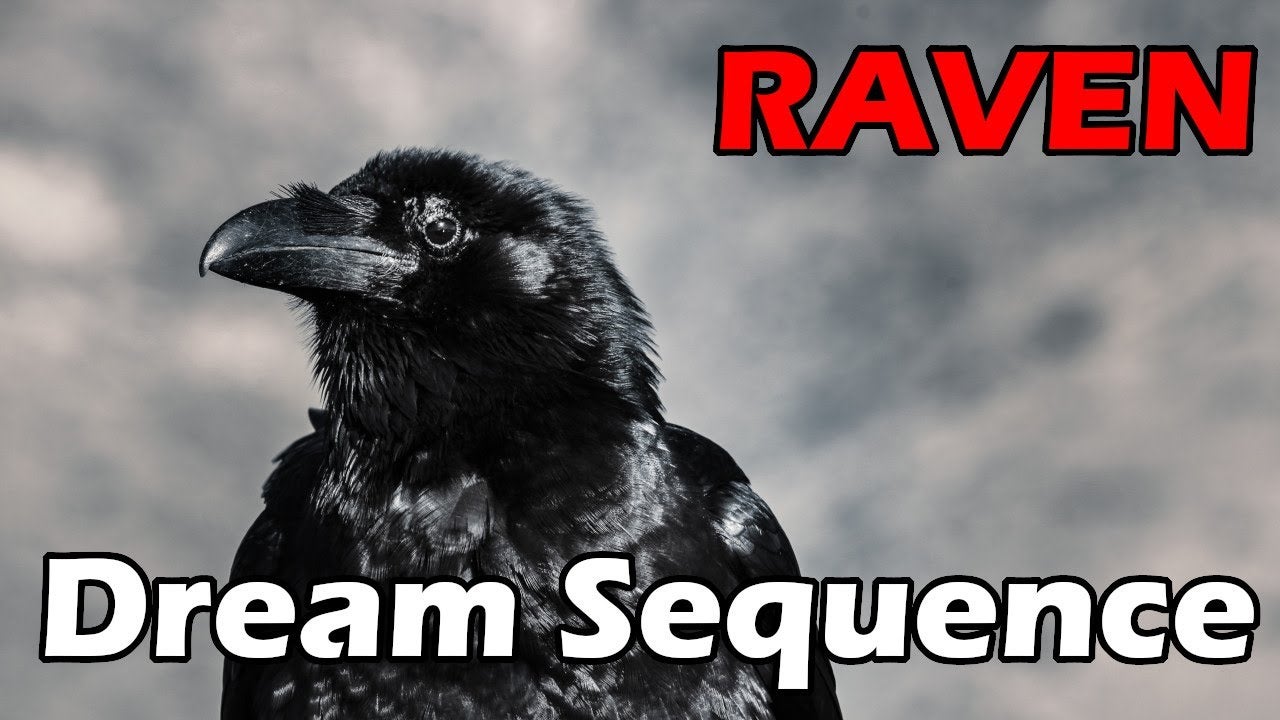
RAVEN Dream Sequence - Memory Consolidation and Insight Extraction for AGI or cognitive architecture Episode release date: 31 Jan 2023 Core Ideas: Metamodernism: Narratives and emergence view of reality - Reduce suffering - Increase prosperity - Increase understanding mantra: Seek knowledge. DISCLAIMER: This is a community-driven show. --------------- Keywords: ai safety, ai podcast, ai education, machine autonomy, superintelligence, ai innovation, david shapiro
“I just can’t overstate how much fear and anger cloud your judgment.” — Michael Sullivan Michael Sullivan is a writer and Bitcoin sentiment analyst behind Bitcoin Sentiment Weekly. He tracks how Bitcoiners talk online to understand what fear, excitement, conviction and boredom reveal about the market. In this interview, we discuss why buying Bitcoin when it feels easy can lead to worse results, how our emotions shape the narratives we believe, and whether Bitcoiners are losing faith. We also get into AI pulling attention away from Bitcoin, the divide between Bitcoiners and treasury company investors, and how social media can be used to manipulate sentiment. BitGo - Secure your Bitcoin with institutional grade security. AnchorWatch - Insured Bitcoin custody, security & inheritance. Book a consultation: https://www.anchorwatch.com/wbd Abundant Mines - Bitcoin mining made simple. https://abundantmines.com (https://abundantmines.com/) FOLLOW: Danny Knowles: https://x.com/\_DannyKnowles (ht
Our Next Energy is the latest battery startup to go public via SPAC. Does it now have what it needs to survive in a the cutthroat battery industry? Also, Dreamteam has signed up more than 100 customers across 13 countries, with some businesses switching from established CRMs.
Download a free audiobook version of "The Pillars of the Earth" and support TED-Ed's nonprofit mission: https://www.audible.com/ted-ed Uploaded 31-10-19 Check out our full book recommendation: https://shop.ed.ted.com/collections/ted-ed-book-recommendations/products/illuminati -- The year was 1776. In Bavaria, new ideals of rationalism, religious freedom and universal human rights competed with the Catholic church’s heavy influence over public affairs. Adam Weishaupt, a law professor frustrated with the Church’s ideology, decided to spread his ideas through a secret society: the Illuminati. Chip Berlet dives into the history, ideals and rituals of the infamous group. Lesson by Chip Berlet, directed by Brett Underhill. Animator's website: https://www.porkchopbob.com (https://www.porkchopbob.com/) Sign up for our newsletter: http://bit.ly/TEDEdNewsletter Support us on Patreon: http://bit.ly/TEDEdPatreon Find us on Twitter: http://bit.ly/TEDEdTwitter Peep us on Instagram: http://bit.ly/TED
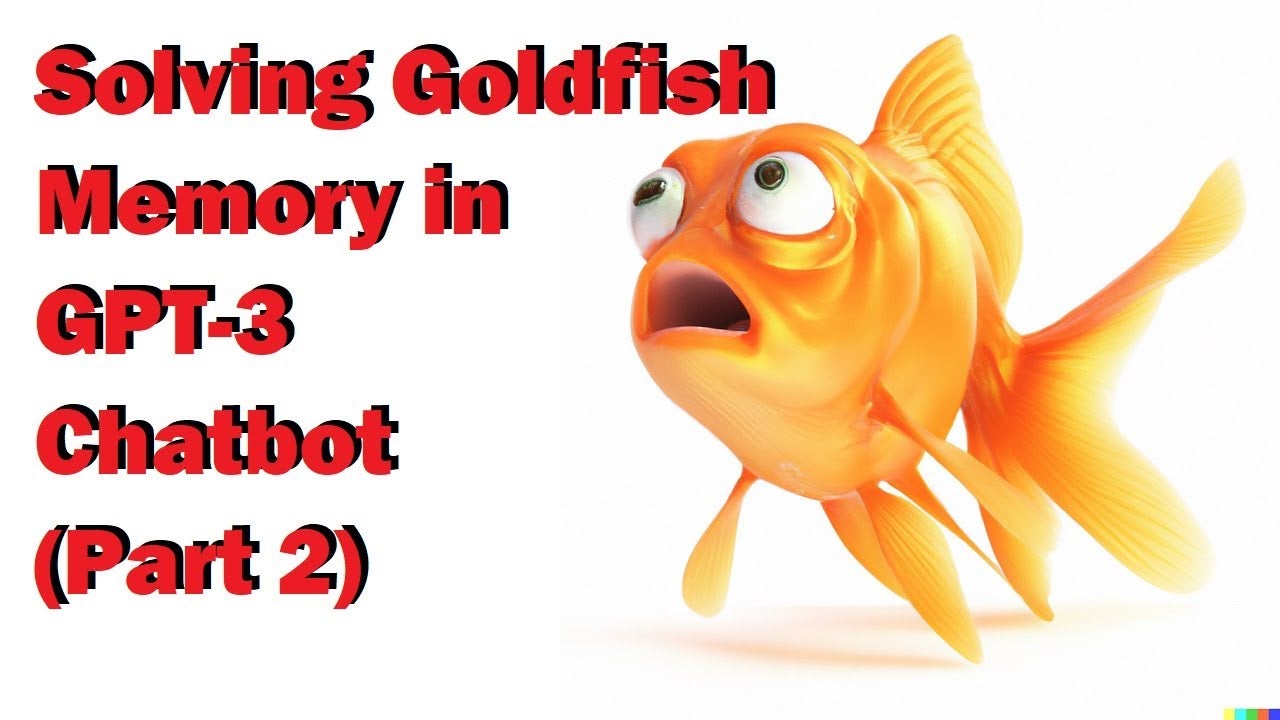
Fixing "goldfish memory" with GPT-3 and external sources of information in a chatbot - part 2 Episode release date: 1 Jul 2022 Core Ideas: Metamodernism: Narratives and emergence view of reality - Reduce suffering - Increase prosperity - Increase understanding mantra: Seek knowledge. DISCLAIMER: This is a community-driven show. --------------- Keywords: david shapiro, openai, ai innovation, deep learning, chatbots
️ Eva Simone Lihotzky, solo episode In this solo episode, Eva Simone Lihotzky looks at how Europe is challenged between the US and China in technology, AI and capital, starting from what she heard at Estonia’s Digital Summit in Tallinn and the SZ Wirtschaftsgipfel. She doesn’t talk the squeeze away (asked whether Europe is in a perfect storm, she says “yes, for now”). What interests her is where it is headed: a Europe of 2035 that builds on what already works, and on people trusting each other across 27 countries. Episode overview The squeeze can be counted: nearly 80 percent of Europe’s digital infrastructure and technology comes from non-EU providers, and when the US put export controls on two AI models in June, they were switched off for 19 days (in October, China proposed export controls of its own on 23 AI technologies). Eva’s first objection is to how we perceive all this: opinions built only on negative outlooks become “a self-fulfilling prophecy”. Her second is history: Jean Mo
In her New Orleans neighborhood, artist and TED Fellow Candy Chang turned an abandoned house into a giant chalkboard asking a fill-in-the-blank question: "Before I die I want to ___." Her neighbors' answers -- surprising, poignant, funny -- became an unexpected mirror for the community. (What's your answer?) Talk by Candy Chang.
Misogyny and gender inequality in online and in AI systems is routine, according to two studies completed by Dr. Venessa Paech and Dr. Elise Stephenson. So how do we build safer spaces when AI can amplify harms that already exist, and why does tackling gender inequality online matter for everyone? In this episode of Tech Mirror, Johanna Weaver speaks with Dr Venessa Paech, co-founder and director of Australian Community Managers, and Dr Elise Stephenson, deputy director of the Global Institute for Women’s Leadership at ANU and the Victorian Women’s Trust’s inaugural feminist researcher in residence. Their respective recent reports, Misogyny in Online Social Spaces and Gender and AI: Where’s the Harm?, explore how gendered harms emerge, spread and pile up across our digital landscape. Together, they share sobering case studies of community moderators investigating misogyny, and how AI’s gendered harms cascade through society. But they also look to the solutions already within reach, fro
AI News Flash for November 16, 2026 at 15:00 UTC. Topics: 1. Google finds an AI framework that turns patches into exploits automatically 2. US Commerce Department rule restricting remote access to advanced AI chips 3. Fed Governor Barr warns AI agents could speed up bank runs
Ishan Mukherjee, co-founder and CEO of Rox, joins Sophia Dew to discuss his company’s $100 million Series B at a $1.3 billion valuation and how Fortune 500 enterprises are deploying AI revenue agents. He explains why selling AI on “hours saved” is dead, how Rox ties agent actions to board-approved revenue outcomes within 60 to 90 days, and how they reskill frontline workers from doing transactional tasks to orchestrating autonomous agents. MTS chronicles the singularity, live. Monitoring the situation of tech and AI. Follow MTS: Spotify |https://open.spotify.com/show/4HUNNmV1pjV7CW6Lphm1rM Apple |https://podcasts.apple.com/us/podcast/mts/id1891088763 – Brought to you by: Mongo DB - Anyone can prototype an agent. Lovable - Turn ideas into software people love with Lovable. Start today at https://lovable.dev/ Factory - A 24/7 system turning signals into production software. Visithttps://factory.com/ Neon (by Databricks) - Scale your startup on Neon. The Postgres backend for apps and agen
In light of recent events in AI, we're rereleasing some of older episodes that seem more relevant than ever. This episode with Anthropic's Holden Karnofsky from October 2025 lays out the many concrete things people can do to reduce the risks from increasingly powerful AI — ranging from technical solutions to policy and regulations to improving information security. If you want more ideas about how you can help steer the trajectory of AI development in a better direction, see our page on the 80,000 Hours website: https://80000hours.org/hugging-face/ --- For years, working on AI safety usually meant theorising about the ‘alignment problem’ or trying to convince other people to give a damn. If you could find any way to help, the work was frustrating and low feedback. According to Anthropic’s Holden Karnofsky, this situation has now reversed completely. There are now large amounts of useful, concrete, shovel-ready projects with clear goals and deliverables. Holden thinks people haven’t app
Explore the intertwined histories and cultures of the major religions: Hinduism, Judaism, Buddhism, Christianity and Islam. Uploaded 14-11-13 -- It's perfectly human to grapple with questions, like 'Where do we come from?' and 'How do I live a life of meaning?' These existential questions are central to the five major world religions -- and that's not all that connects these faiths. John Bellaimey explains the intertwined histories and cultures of Hinduism, Judaism, Buddhism, Christianity and Islam. Lesson by John Bellaimey, animation by TED-Ed. Sign up for our newsletter: http://bit.ly/TEDEdNewsletter Support us on Patreon: http://bit.ly/TEDEdPatreon Find us on Twitter: http://bit.ly/TEDEdTwitter Peep us on Instagram: http://bit.ly/TEDEdInstagram View full lesson: http://ed.ted.com/lessons/the-five-major-world-religions-john-bellaimey
Meta Open Sources Llama 3.1 - Should Llama 4, 5, and 6 be Open Source Too? Episode release date: 5 Aug 2024 Core Ideas: Metamodernism: Narratives and emergence view of reality - Reduce suffering - Increase prosperity - Increase understanding mantra: Seek knowledge. DISCLAIMER: This is a community-driven show. -------------- Keywords: tech singularity, ai future, post labor economics, ai education
An AI agent needs more compute. What if it could pay in bitcoin instead of reaching for your credit card? Marty Bent and Thomas Pacchia break down Lightning Labs' pi402 launch, the LNbits recovery checklist and this week's Bitcoin Core disclosure. Then we get into the cost of living, who pays for data-center demand, Washington's borrowing costs and who controls access to private communications and powerful AI. ON TODAY'S RABBIT HOLE RECAP 1. AI agents paying in bitcoin Last week we discussed custody failures and developer burnout. This week, pi402 gives us something new to build with: metered inference paid over Lightning, with an embedded wallet and spending limits. The tooling is early; buyers still need a compatible seller. 2. LNbits: updating is only the start Credential rotation and renewed app connections matter after a compromise. We cover the recovery guidance, v1.7.1 and why a spending wallet should not hold your savings. 3. Bitcoin Core's new disclosure, old fix A historical
In Libya, Zahra' Langhi was part of the "days of rage" movement that helped topple the dictator Gaddafi. But -- then what? In their first elections, Libyans tried an innovative slate of candidates, the "zipper ballot," that ensured equal representation from men and women of both sides. Yet the same gridlocked politics of dominance and exclusion won out. What Libya needs now, Langhi suggests, is collaboration, not competition; compassion, not rage. Talk by Zahra' Langhi.