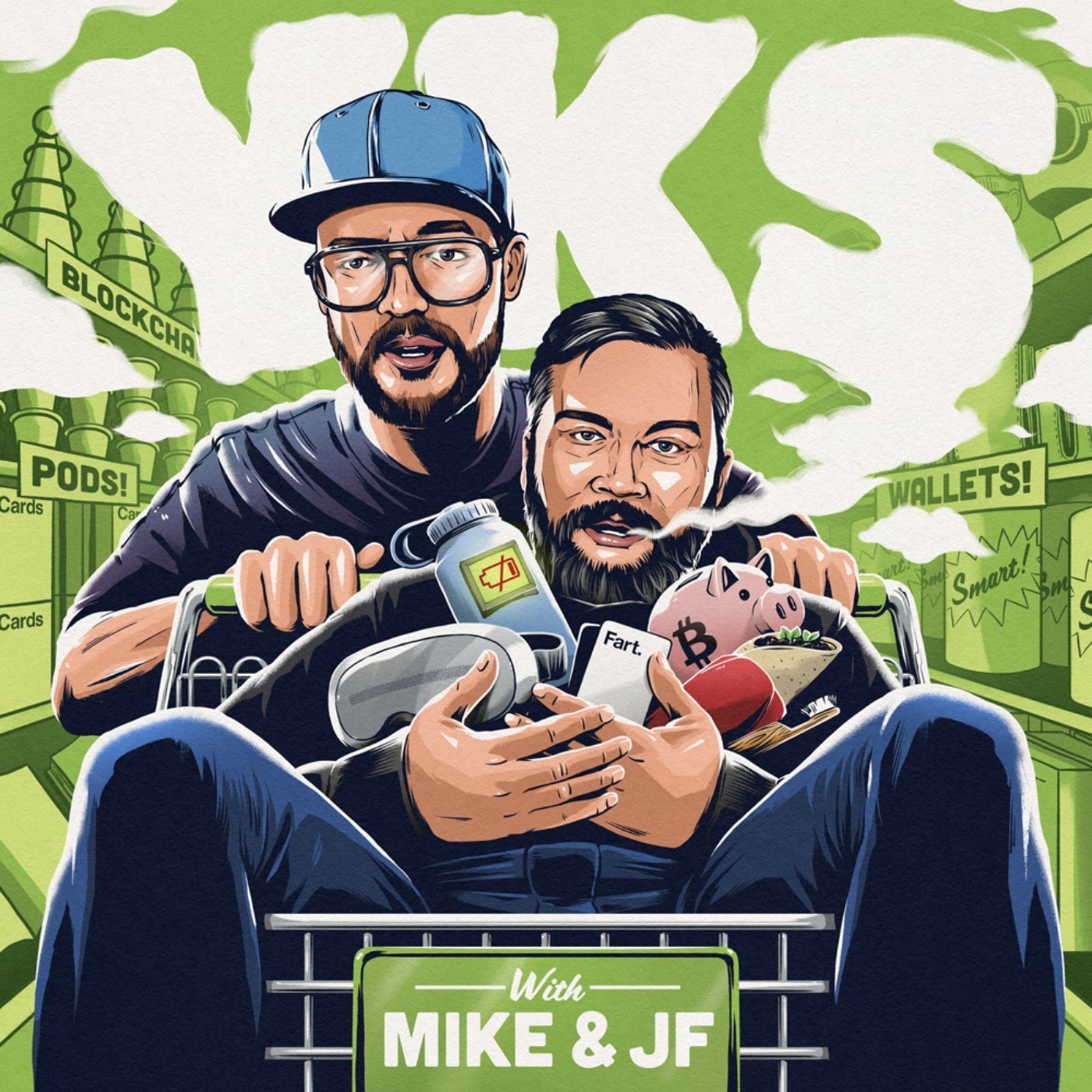
When is it too early for Christmas? What crime would you assume your partner got arrested for? The DM Deep Dive gets into everything from holiday decorating rules and weird relationship assumptions to the things people do on dates that aren’t nearly as attractive as they think. Plus, the crew reveals what they’d spend their lives studying, what’s hiding in their Notes apps, what personal item belongs in their own museum exhibit, and whether pulling an Irish goodbye at a party is ever acceptable Hosted by Simplecast, an AdsWizz company.
MARAGI work: Starting on the Conductor Microservice Episode release date: 23 Aug 2022 Core Ideas: Metamodernism: Narratives and emergence view of reality - Reduce suffering - Increase prosperity - Increase understanding mantra: Seek knowledge. DISCLAIMER: This is a community-driven show. ----------- Keywords: ai agents, ai philosophy, future technology
Dig into the science of soy, and discover what makes soybeans such versatile plants and whether it’s healthy for you and the planet. -- Soybeans have been cultivated in Asia for thousands of years, and have since spread across the globe. Today, soy is in so many foods that most people consume it every day without even knowing it. So, what makes soybeans so versatile? And is our global obsession healthy or harmful? Francesca Bot explores why this single plant is used in everything from mayonnaise to biodegradable plastic. Lesson by Francesca Bot, directed by Frederico Pinto, Hype CG. Support Our Non-Profit Mission ---------------------------------------------- Support us on Patreon: http://bit.ly/TEDEdPatreon Check out our merch: http://bit.ly/TEDEDShop ---------------------------------------------- Connect With Us ---------------------------------------------- Sign up for our newsletter: http://bit.ly/TEDEdNewsletter Find us on Twitter: http://bit.ly/TEDEdTwitter Peep us on Instagram:
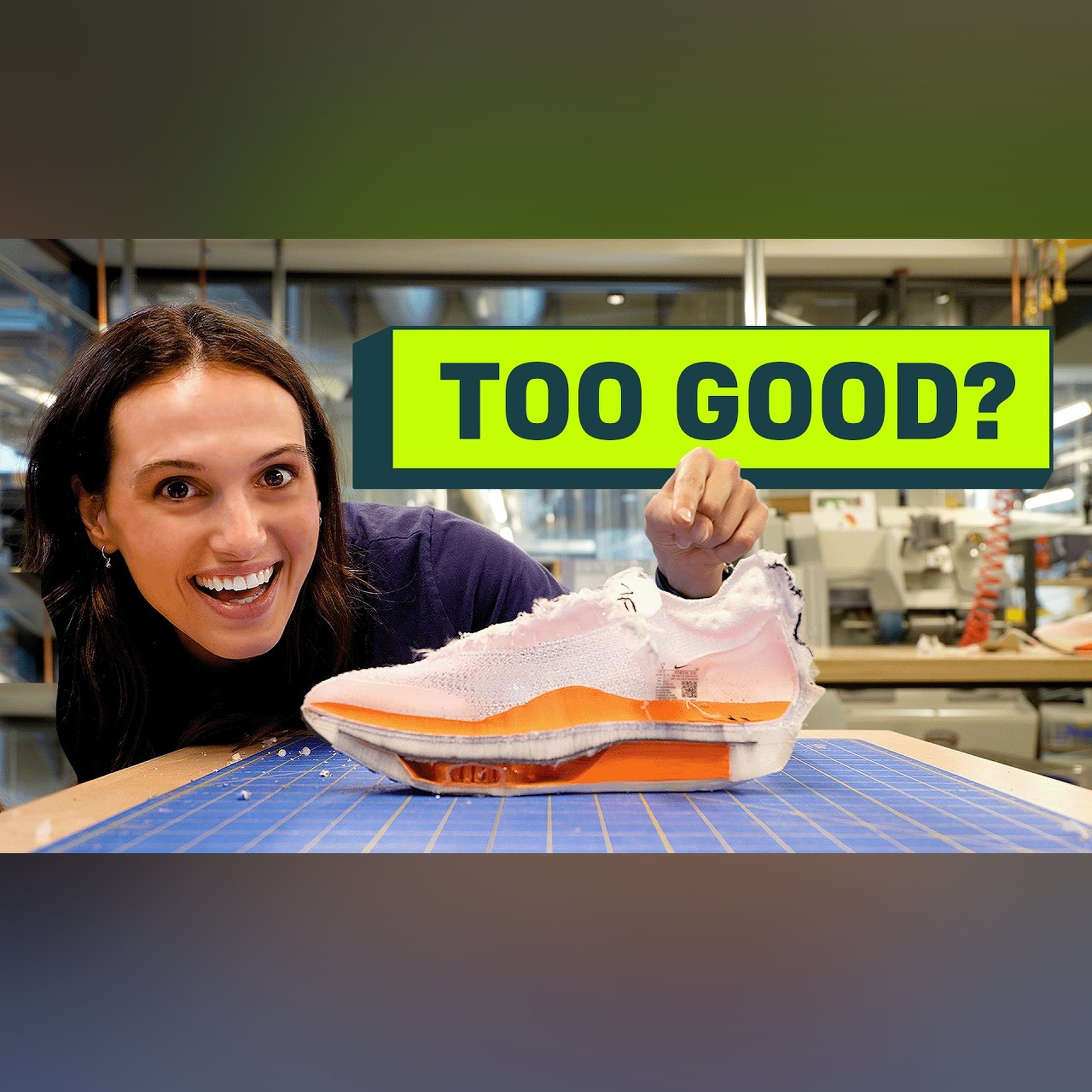
When is sports gear so good it’s actually cheating? There is a ton of cool sports gear that’s banned from sports for making athletes too good. Swimsuits that make a swimmer too streamlined, gloves that make a receiver’s hands too grippy, bats that let a player hit the ball too hard, and shoes that help a runner go too freaking fast… They call it “TECH DOPING,” using physical gear to gain an unfair advantage. In this video, I’ll show you the banned gear you won’t see at the Paris Olympics, and the cutting edge tech you will see that’s on the very limit of what’s allowed. You might be thinking, hold on, no gear should give athletes an advantage! But… we don’t run barefoot anymore. We don’t swim naked. We use tech to play sports. And that tech is always improving, pushing forward what humans can do. So… where’s the line? This is about way more than sports. In every part of our lives, technology pushes forward what we can do! And it’s up to us to decide what we want from it. This video is
CATL's sodium-ion cells deliver 175 watt hours per kilogram, slightly less than LFP. I explain why that energy-density disadvantage doesn't concern me for a stationary battery sitting in a field. For Australian home buyers, my advice is different: I wouldn't install sodium-ion right now because it misses out on battery incentives.
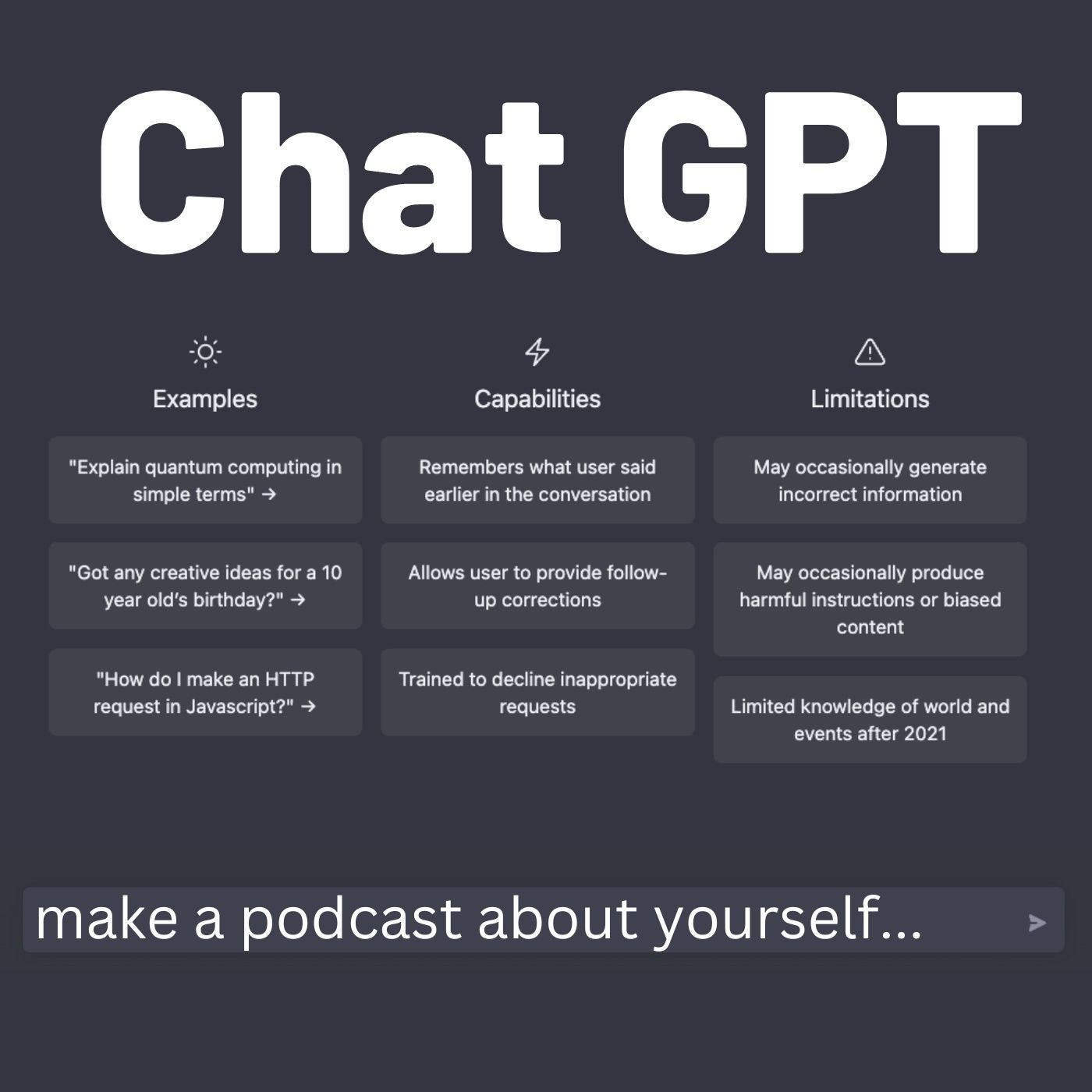
ChatGPT launched as a quiet "research preview" whose own staff badly underestimated how popular it would be, and it became one of the fastest-growing apps in history. We tell the seven-year story behind it, from a nonprofit with a big mission through GPT-1, GPT-2, GPT-3, and the training trick that taught a model to follow instructions. Then we explore why the chat interface mattered as much as the technology, and how one launch set off a "code red" at Google and an industry-wide race. This episode includes AI-generated content.
The “abliterators” are flooding the internet with AI models that never say no, making it easier for people to improve their cyberdefenses—or build a bomb. Written by Will Knight. Originally published on November 10th 2026.
The “abliterators” are flooding the internet with AI models that never say no, making it easier for people to improve their cyberdefenses—or build a bomb. Written by Will Knight. Originally published on November 10th 2026.
When WHOOP first launched its wearable tech more than a decade ago, it was mainly for elite athletes. Now, the company has reported more than three million users worldwide and raised $575 million in Series G funding earlier this year. Its signature product, the WHOOP Band, can track everything from your blood oxygen, sleep data, and stress levels. Host Rana el Kaliouby sat down with WHOOP’s chief product officer, Ed Baker, in front of a live audience at the Boston Museum of Science. They talked health-maxxing vs. emotion-maxxing, wearables as a “doctor in your pocket,” and heard Ed’s incredible story of how his WHOOP saved his life. Learn more about Pioneers of AI:http://pioneersof.ai/
The “abliterators” are flooding the internet with AI models that never say no, making it easier for people to improve their cyberdefenses—or build a bomb. Written by Will Knight. Originally published on November 10th 2026.
It’s 1985, and in the aftermath of the launch of the Mac, Apple is in turmoil. Steve Jobs and CEO John Sculley are clashing and the Mac business is in crisis. It’s the beginning of the end of Jobs’s first tenure at the company he co-founded. This episode of Designed in California is sponsored by: Forest & Bird (https://www.forestandbird.org.nz/): Giving Nature a Voice Links and Show Notes: Presented by Jason Snell and Myke Hurley. Written by Jason Snell. Script development by Kelly Turner. Thanks to John Buck, Matt Deatherage, Jim Hunkins, Scott Knaster, Harry McCracken, Mike Murray, David Shayer, John Siracusa for script assistance. Audio editing by Myke Hurley and Jim Metzendorf. Video production by Jamie Snell. Designed in California theme by Christopher Breen. References/Further Reading: Steve Jobs (https://link.amazon/B07YvsjhV) by Walter Isaacson Steve Jobs in Exile (https://link.amazon/B09CBFcdp) by Geoffrey Cain Steve Jobs: The Journey is the Reward (https://isbn.nu/97815580237
It’s 1985, and in the aftermath of the launch of the Mac, Apple is in turmoil. Steve Jobs and CEO John Sculley are clashing and the Mac business is in crisis. It’s the beginning of the end of Jobs’s first tenure at the company he co-founded. This episode of Designed in California is sponsored by: Forest & Bird (https://www.forestandbird.org.nz/): Giving Nature a Voice Links and Show Notes: Presented by Jason Snell and Myke Hurley. Written by Jason Snell. Script development by Kelly Turner. Thanks to John Buck, Matt Deatherage, Jim Hunkins, Scott Knaster, Harry McCracken, Mike Murray, David Shayer, John Siracusa for script assistance. Extra special thanks to Hansen Hsu and everyone else at the Computer History Museum. Audio editing by Myke Hurley and Jim Metzendorf. Video production by Jamie Snell. Designed in California theme by Christopher Breen. References/Further Reading: Apple: The First 50 Years (https://link.amazon/B0h8XB9Cx) by David Pogue Steve Jobs (https://link.amazon/B07Yvsj
As artificial intelligence dominates boardroom agendas and vendor pitches, security leaders face immense pressure to rapidly adopt emerging technologies while defending against AI-powered threats. This rush toward innovation often leads organizations to chase shiny new tools at the expense of core cyber hygiene, creating dangerous blind spots in governance, visibility, and basic risk management. Gary Brickhouse, CISO at GuidePoint Security, joins Business Security Weekly to discuss as AI gets hired, security fundamentals don't retire. Gary cuts through the noise to examine why foundational security principles remain the true bedrock of enterprise resilience. Drawing on his dual perspective leading internal security architecture and advising clients on governance, risk, and compliance (GRC), Gary explores how security teams can balance executive demands for AI enablement without abandoning proven defensive practices. In the leadership and communications segment, CISOs Must Address Three
This year, something remarkable happened: the percentage of web traffic from bots surpassed that of humans. Given the rise of AI agents, this shift is likely permanent. The agentic web is here. Now, we have to build protocols that let agents interact with apps, databases, and websites in traceable ways. That’s where Mazin Gilbert comes in. As the executive director of the Agentic AI Foundation, it’s Gilbert’s job to develop, maintain, and push companies to adopt universal standards that make the web accessible for AI agents. That’s no small task: the foundation’s membership includes fiercely competitive companies engaged in battle against one another. But already, the AAIF has found success with the Model Context Protocol, which has quickly found wide adoption across the industry as a way for agents to talk to apps. Now, the foundation is working on an even greater challenge: finding a way for agents to talk to each other. In conversation with Nicholas Thompson, CEO of The Atlantic, Gi
View full lesson: http://ed.ted.com/lessons/how-does-math-guide-our-ships-at-sea-george-christoph Without math, would our seafaring ancestors ever have seen the world? Great mathematical thinkers and their revolutionary discoveries have an incredible story. Explore the beginnings of logarithms through the history of navigation, adventure and new worlds. Lesson by George Christoph, animation by the Hobizals.
Follow the podcast & turn on notis Leave your review for this episode in the Q&A Section. Join the 10k Accelerator Course -------------- ------------ Keywords: alpha male mindset, men's lifestyle, high status men, millionaire mindset, masculine leadership, men's mental health, high value men, high frequency living
What is RAVEN? Overview, Introduction, and Community Update - Friday, February 3, 2023 Episode release date: 3 Feb 2023 Core Ideas: Metamodernism: Narratives and emergence view of reality - Reduce suffering - Increase prosperity - Increase understanding mantra: Seek knowledge. DISCLAIMER: This is a community-driven show. ------ Keywords: singularity, ai education, tech singularity, ai safety, cognitive ai
Sam Blond is the co-founder and CEO of Monaco. Before that, he was a VC at Founders Fund where he evaluated over 200 AI sales startups. This is what he learned, what he got wrong, and what he built instead. Two traps that killed most of the companies he saw. The first: building a feature, not a company. If your entire product is "we take call recording content and update CRM fields," that should be a feature of Gong or Salesforce, not a standalone business. The second: solution in search of a problem. Great technology, zero customer pull. Both graveyards are full. Why Monaco is AI-native and why that matters. Pre-AI CRM platforms like Salesforce were architected to be reactive to user input. Monaco was architected so agents do the work before the user ever touches the interface. It is very difficult, if not impossible, for a pre-AI system architecture company to pivot to this. You have to start from scratch. What AI is better at than humans in GTM. Building and scoring your TAM. Enrich
View full lesson: http://ed.ted.com/lessons/what-you-might-not-know-about-the-declaration-of-independence-kenneth-c-davis Uploaded 01-07-14 In June 1776, a little over a year after the start of the American Revolutionary War, the US Continental Congress huddled together in a hot room in Philadelphia to talk independence. Kenneth C. Davis dives into some of the lesser known facts about the process of writing the Declaration of Independence and questions one very controversial omission. Lesson by Kenneth C. Davis, animation by Karrot Animation.
Follow the podcast & turn on notis Leave your review for this episode in the Q&A Section. Join the 10k Accelerator Course -------- Keywords: men's mental health, masculine energy, stoicism men, male entrepreneurship, men's self improvement, millionaire mindset, inner strength
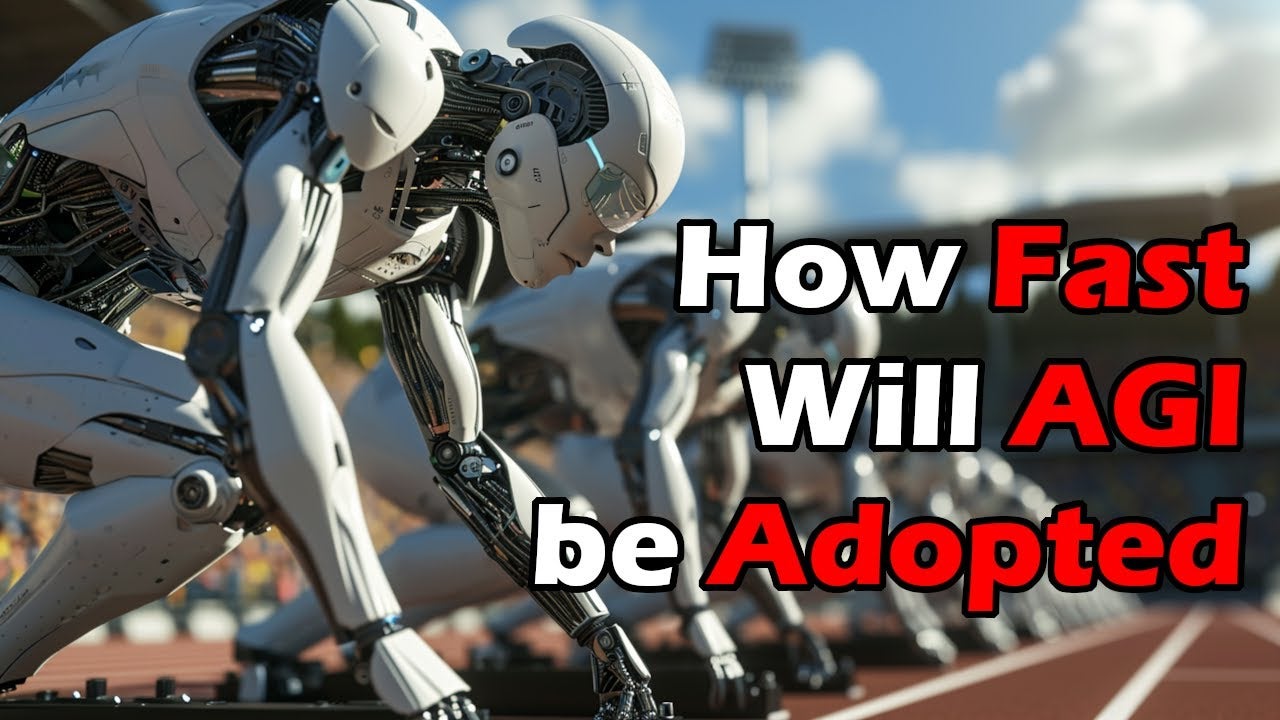
How fast will AGI be adopted? How can we ensure equitable outcomes? Nations, Businesses, People...Episode release date: 15 Jan 2024Spreading awareness about the works of some of the leading educators in the AI revolution. Core Ideas: Metamodernism: Narratives and emergence view of reality - Reduce suffering - Increase prosperity - Increase understanding mantra: Seek knowledge. ELABORATE: Add depth and detail to understanding, weaving comprehensive and nuanced explanations.DISCLAIMER: This is a community-driven show. -----How fast will AGI be adopted? How can we ensure equitable outcomes? Nations, Businesses, People...Episode release date: 15 Jan 2024Spreading awareness about the works of some of the leading educators in the AI revolution. Core Ideas: Metamodernism: Narratives and emergence view of reality - Reduce suffering - Increase prosperity - Increase understanding mantra: Seek knowledge. ELABORATE: Add depth and detail to understanding, weaving comprehensive and nuanced explanati
View full lesson: http://ed.ted.com/lessons/the-game-changing-amniotic-egg-april-tucker 350 million years ago, eggs could not survive far from water, therefore animals were water-bound. That is, until the amniotic egg, which allowed animals to live a fully terrestrial life. April Tucker peels back each layer of the amniotic egg, revealing how truly extraordinary this evolutionary marvel is. Lesson by April Tucker, animation by Pew36 Animation Studios.
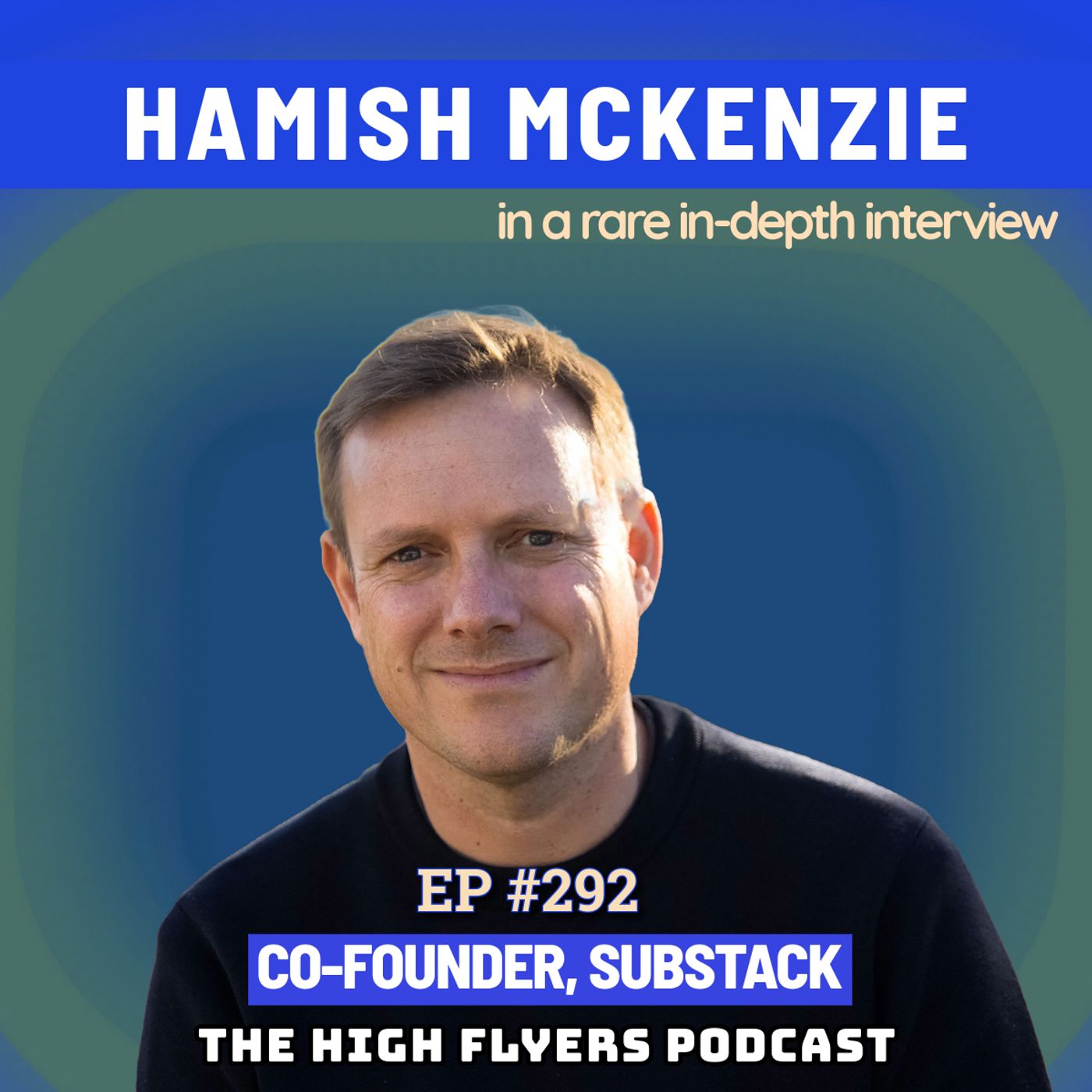
________ What does it take to go from a small town in New Zealand to building a billion-dollar company that is transforming the global media industry? And what happens when your journey takes you from working for Elon Musk to fighting to publish your own book, before accidentally becoming a Silicon Valley founder? Meet Hamish McKenzie, Co-founder of Substack, the billion-dollar publishing platform helping millions of writers, journalists and creators build audiences and earn a living independently. A former journalist who worked at Tesla, Hamish helped build Substack into one of the most influential companies reshaping how information is created, distributed and monetised, with over five million paid subscriptions. In this rare and deeply personal conversation, Hamish shares his remarkable journey. From growing up in a small New Zealand town and losing his 14-year-old brother in a tragic accident when he was just 11, to pursuing journalism across New Zealand, Canada, Hong Kong and the
Robot dogs are here. But why? You might think you already know Spot, the robot dog from Boston Dynamics. Maybe you saw a viral video of it opening a door, or dragging a truck, or dancing. But now, this robot has hit a HUGE milestone... Spot got a job! These robots are now out in the real world doing real work, for fire departments, factories, defunct nuclear power plants like Fukushima, ancient ruins like Pompeii, deep mines, and, more controversially, police departments. You might already be starting to see robot dogs walking around, and even if you’re not, they’re starting to affect your life. That’s why we went to visit Boston Dynamics. In this video, we put Spot to the test, to show you what it’s really capable of, and how our future could be even better with robot dogs. Chapters: 00:00 What is Boston Dynamics robot dog? 1:33 What does Boston Dynamics robot dog do? 2:50 Why robot dogs? 3:32 Taking Spot on an obstacle course 4:33 When Spot falls down 5:34 How Spot protects itself an