118 – Can your skincare products disrupt your hormones?
25 min
Listen through the publisher, then discuss the episode here or arrange an in-person Roundtable. Your city determines where to meet.
Roundtables are designed for groups of four, with a shared subject and room for everyone to speak. Come for discussion, with no dating expectation.
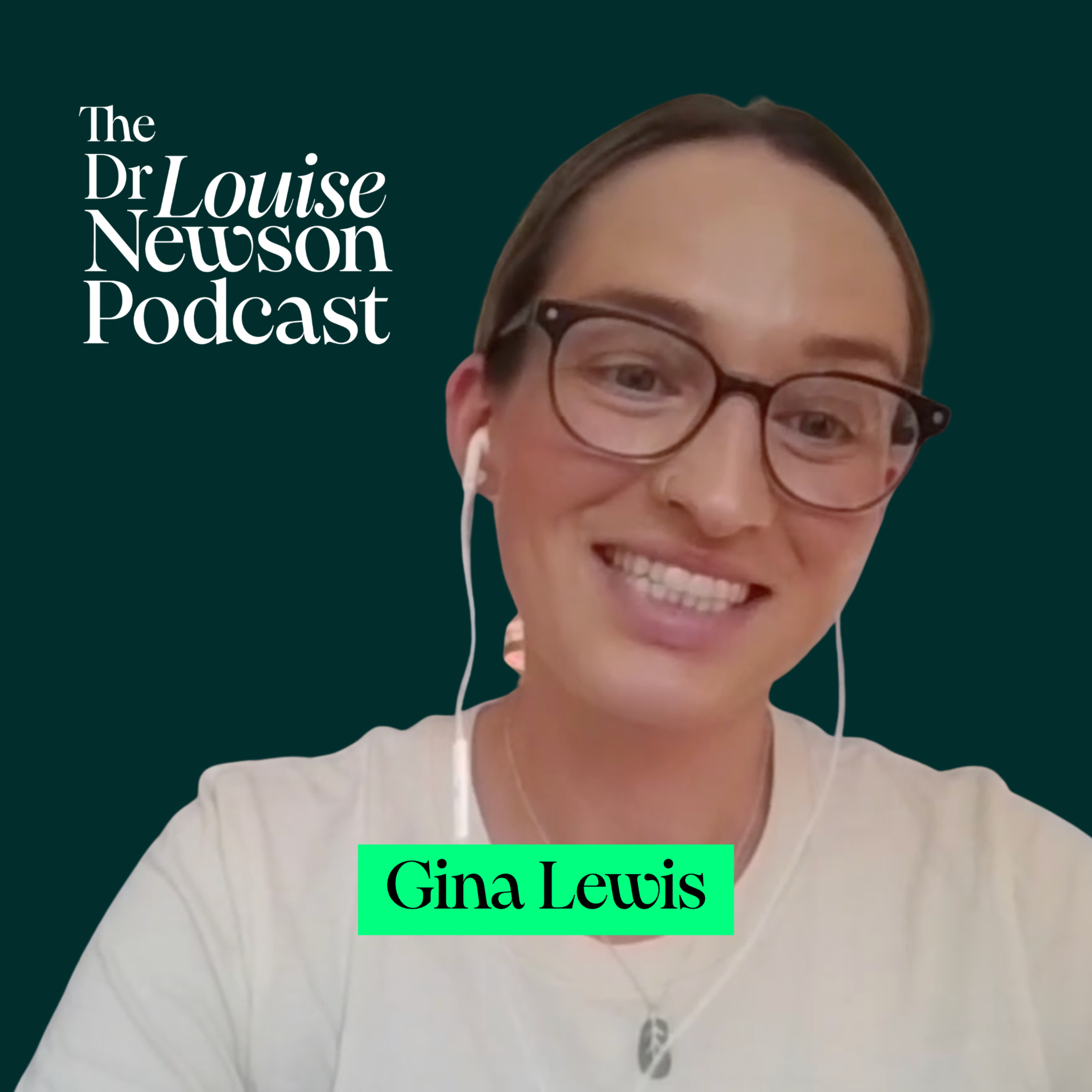
Can your skincare products affect your hormones? This episode covers what endocrine disruptors are and how to read a skincare product label. Gina Lewis spent many years working in early years education, and when her daughter, now nearly 12, started wanting the products her friends used, Gina began looking closely at what goes into them. She now runs Nudum Skincare, a handmade natural skincare company. Dr Louise Newson explains why bioidentical estrogen and testosterone she prescribes can pass through the skin, and how endocrine disruptors can sit in a hormone receptor like the wrong key in a lock. She shares the history of DES, a synthetic estrogen banned from poultry before it was stopped for pregnant women, and why she worries when teenagers are given the contraceptive pill as a first treatment for acne. Gina closes with three take-home tips, starting with a simple audit of your bathroom cupboard. Follow Gina: @nudumskincare Chapters 00:00 Can skincare affect your hormones? 01:31 Why do teenagers want so many skincare products? 02:15 Can hormones pass through your skin? 03:13 What's hidden under the word "fragrance"? 04:50 What is an endocrine disruptor? 06:00 Why was a synthetic oestrogen banned from poultry? 08:46 What do we actually know about the risks? 10:13 Which everyday chemicals can we avoid? 11:18 What goes into a simple skincare routine? 13:20 Do ingredient-checker apps actually help? 14:43 Can your skin show what's happening inside? 17:00 Should teenagers take the pill for acne? 18:02 How should teenagers care for acne-prone skin? 19:43 How many skincare products do you really need? 22:49 What are three ways to simplify your routine? Let’s connect To learn more aboutskin and hormones, download the Balance app: https://balance-app.com/?utm_source=DLN&utm_medium=biolink&utm_campaign=crosspromo (https://balance-app.com/) More from Dr LouiseNewson: https://linkin.bio/drlouisenewson
Episode information is provided by the publisher. Listening takes place on the publisher’s service.
Text me what you thought of the show (https://www.buzzsprout.com/1959372/fan_mail/new) Can working night shifts affect your fertility, ovulation or IVF success? After speaking with numerous women trying to fall pregnant while working shifts, including those undergoing expensive IVF treatment, I wanted to explore what the research actually tells us. In this episode of A Healthy Shift, we discuss how night shifts, disrupted sleep and circadian misalignment may affect reproductive health. We cover: Why the fertile window is so short. Shift work, reproductive hormones and menstrual irregularities. What research says about night shifts, fertility and IVF outcomes. The roles of sleep, stress, nutrition, weight and exercise. Practical steps for women trying to conceive while working shifts. Research links shift work with menstrual irregularities, but evidence that night shifts directly cause infertility or reduce IVF success remains uncertain. If you're trying to get pregnant while working ni
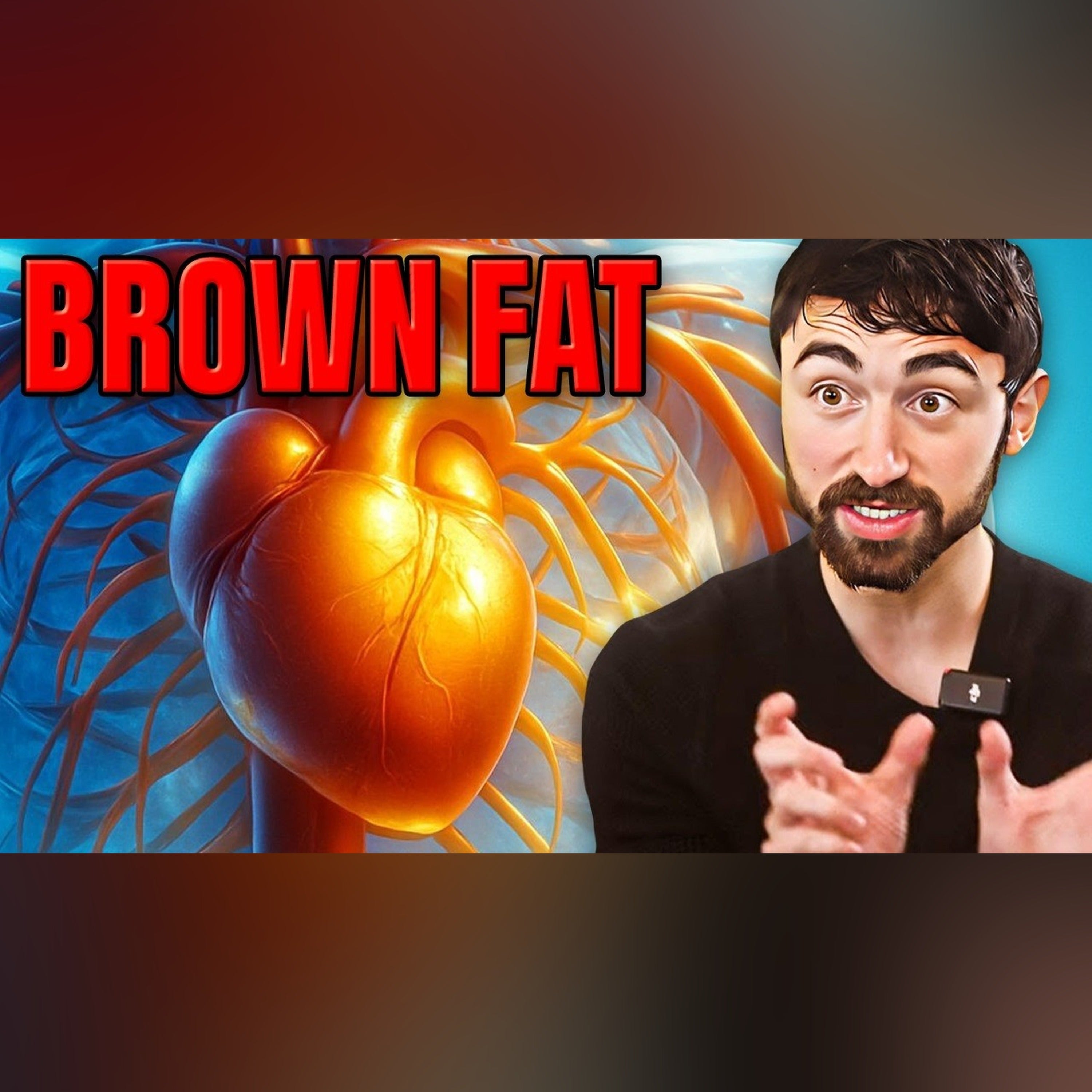
For all references and a written breakdown, see the associated StayCurious Metabolism Newsletter: https://staycuriousmetabolism.substack.com/p/the-fat-derived-hormone-that-could?r=40ekz2 Exciting new research in 2025 suggests that a fat-derived hormone called 12,13-diHOME may help to reverse age-related decline in cardiac function and slowing heart aging. The best part? You can boost it naturally — not with drugs or supplements, but with a simple lifestyle intervention that’s accessible today. In this video, we break down the latest metabolic health and longevity science on how this lipid hormone made by brown fat cells declines with age, how that hormonal drop contributes to cardiovascular aging, and what evidence-based lifestyle interventions can increase 12,13-diHOME to more youthful levels. If you care about heart health, reversing aging, and boosting metabolic resilience, this is essential science you should know. CHAPTER *Call our service line at 815-STAY-CUR (815-782-9287) or vi
I Need a Moment Before I React — 10-Minute Breathing Meditation for Anxiety, Stress & Overwhelm | 4-2-6 Breath Do you feel the reply leave your mouth before you've had a chance to choose it? A message on your phone, a particular tone of voice, one more request when you're already stretched thin, and something tightens. This 10-minute breathing meditation for anxiety gives you that moment before you react, a little space to notice what you're feeling when you're stressed and overwhelmed, and then decide what would actually help. For a calm pause whenever you need one, download Anchored, my app for panic and anxiety. Guided sessions, breathing tools and fresh caring tips every day, and it plays with the screen off. iPhone: https://apps.apple.com/us/app/anchored-panic-anxiety/id6785035669 | Android: https://play.google.com/store/apps/details?id=com.martinhewlett.anchored Together we use a calming 4-2-6 breath: in through the nose for four, a gentle hold for two, and a long, easy release f
Keto done wrong is a disaster for your health. Here's 3 signs something is wrong, and what the likely cause is. -------------- The Workbook: https://on.bozmd.com/BozWorkbook --------------------- Thanks for checking out the Dr. Boz Channel. See links below resources and recommendations. Tune in Tuesday nights, 4PM Eastern/3PM Central to watch me Live! We improve health - One ketone at a time. --------------------- FREE STUFF 50 Keto Fat-Facts: http://on.bozmd.com/50fat Dr. Boz Ratio Spreadsheet: http://on.bozmd.com/DBR Documentary Playlist: https://on.bozmd.com/AT --------------------- Dr. Boz’s Online Courses: Consistently Keto: http://on.bozmd.com/CK BRAINS: https://on.bozmd.com/BrainsT2R --------------------- WAYS TO SUPPORT THIS CHANNEL: Share Dr. Boz content with people you love. Everyone wins when you share. Buy Dr. Boz Products: Dr. Boz Food Guide: http://on.bozmd.com/FoodGuide Walmart: https://on.bozmd.com/WalmartKetoMap Amazon: https://on.bozmd.com/AmazonAttKetoMap Beginners l
If you're training hard but feeling wiped, eating a restricted diet for your gut, or just never hungry after a tough workout, you might not be getting the protein you need. This episode breaks down how much you really need and how to get it without upsetting your gut. YOU'LL TAKEAWAY: Macronutrients and calories 101, and how restrictive diets throw off your balance How your body digests protein, and why it matters before workouts The many roles of protein, from enzymes and iron storage to post-workout appetite How much protein you need, plus 3 easy low FODMAP ways to boost it — RESOURCES & LINKS MENTIONED: ⤵️ Want high touch coaching support for IBS & fuelling performance? Apply for coaching. (http://gutfitnutrition.com/apply) Free Training: How to Control IBS So You Can Fuel Your Training Without a Lifelong Low FODMAP Diet (https://gutfitnutrition.com/heal-ibs-training-live) Supporting your immune system when you're sick (Ep. 70) (https://open.spotify.com/episode/5bCto0jWLcbC5hQW4hrH6
Today, Mel is taking 58 years of hard-earned life lessons and is packing them into under an hour, to save you some of the time, frustration, and worry it took her to learn them the hard way. In this episode, Mel is fielding real questions from listeners around the world. From making friends and bouncing back from rejection to feeling stuck in life and wondering if it's all going to work out, Mel is sharing the advice she wishes she'd known sooner. And she's not holding back. You'll hear Mel get personal about her own setbacks, and what she's learned about starting over, going after what you want, and trusting yourself when life doesn't go according to plan. You'll learn: -How to stop worrying about the future when nothing feels certain -How to make big life decisions, including whether or not to have kids -How to make new friends as an adult -What to do when you get rejected from your dream job -What to do when a friend ghosts you -How to stop procrastinating and finally follow through
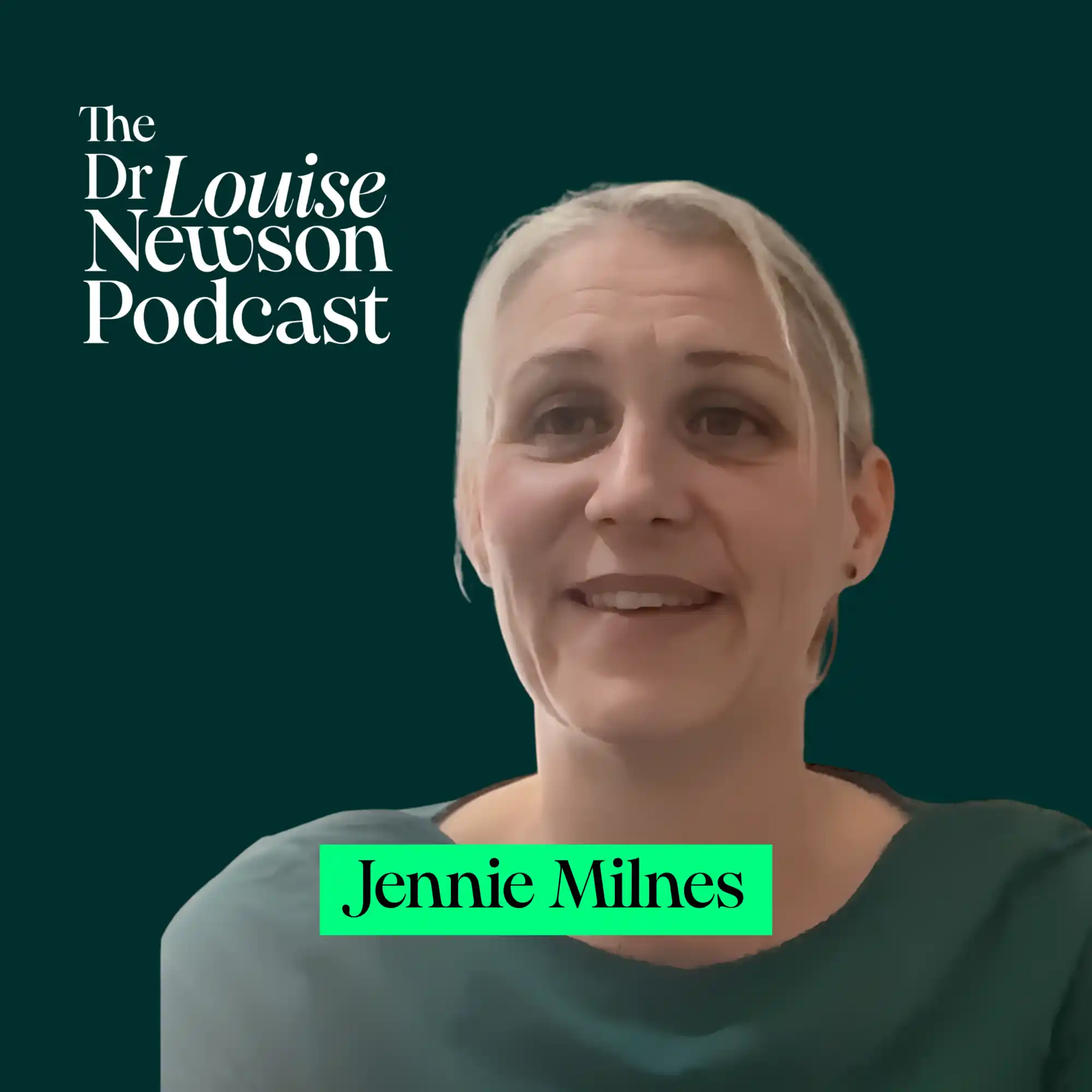
Postnatal depression follows a sudden drop in estradiol and progesterone after birth, yet hormone treatments are rarely offered during this time. Jennie Milnes knows this first-hand. She had postnatal depression after her first son, and in her early 40s, while switching her HRT for perimenopause symptoms, she found out she was pregnant again. After her daughter’s birth the hormone crash was even worse, and despite being on HRT before her pregnancy, she was told to wait for her hormones to settle. Dr Louise Newson explains why postnatal depression is more likely the second time, why antidepressants work better alongside estradiol, why hormones are safe while breastfeeding, and why so few psychiatrists prescribe them. She also shares the history of Dr Katharina Dalton, who used progesterone to support fertility and pregnancy. Chapters 00:00 Why is postnatal mental health so overlooked? 00:32 How did fertility treatment lead to her first son? 01:32 Was it postnatal depression the first ti
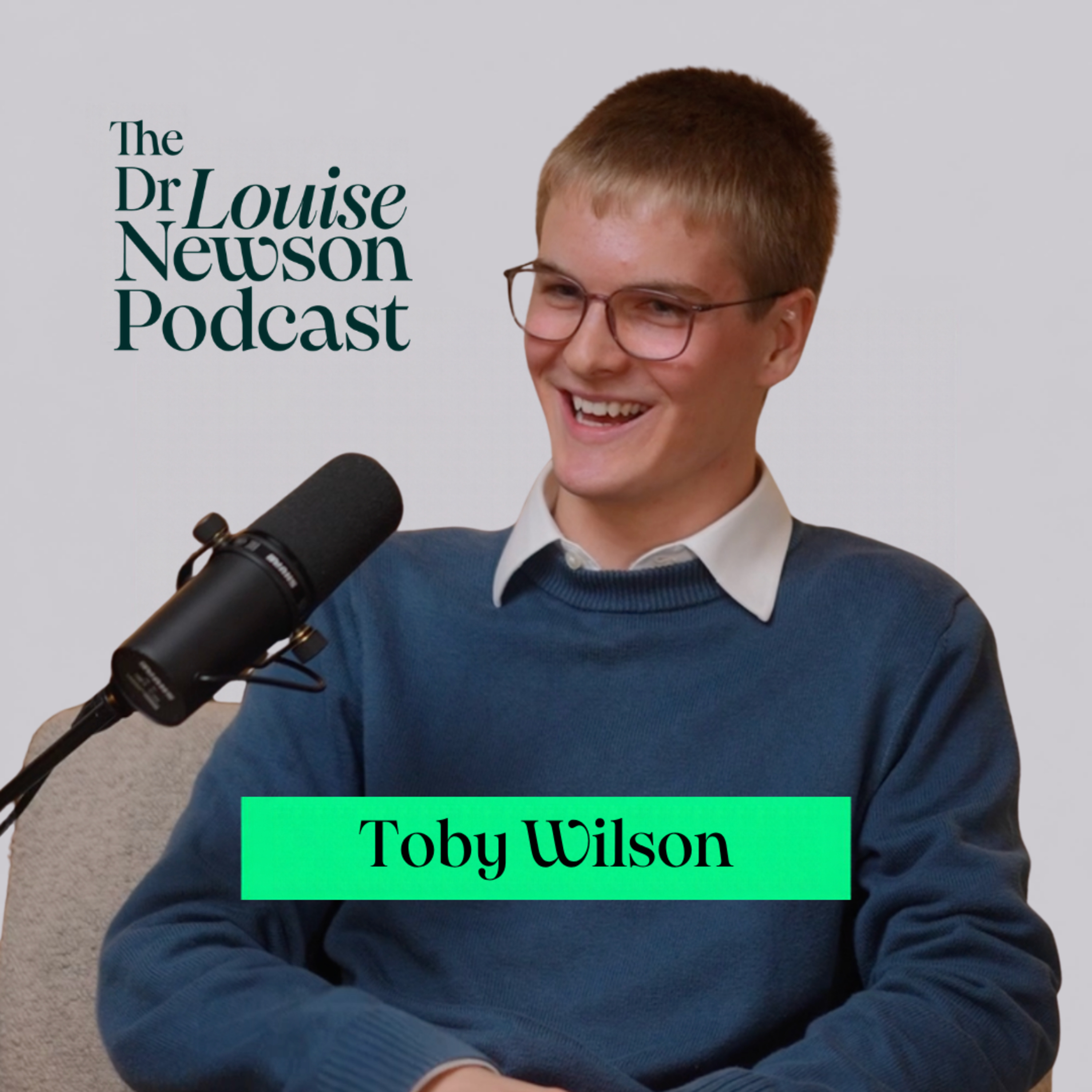
Why are so many doctors still scared of HRT? A medical student explains where that fear comes from and how it spreads. Toby first saw the problem as a teenager, when his mum, a biology teacher, went to her GP for HRT and was given an outdated FSH test instead. Now in his second year of medical school, he says hormone problems come up on GP placements more than anything else, and the risks of hormone treatment are raised in almost every consultation, often as defensive medicine. Louise explains why NICE guidance mentions risk far more often than benefit, why grouping synthetic and bioidentical hormones together confuses busy doctors, and why the WHI study still shapes prescribing. They also talk about how hard it is for junior doctors to question a senior, and why a 19-year old with endometriosis was told pregnancy would fix it. Toby closes with three take-home tips for changing how every doctor learns about hormones. Chapters 00:00 Why would Louise go back to medical school? 00:46 Why
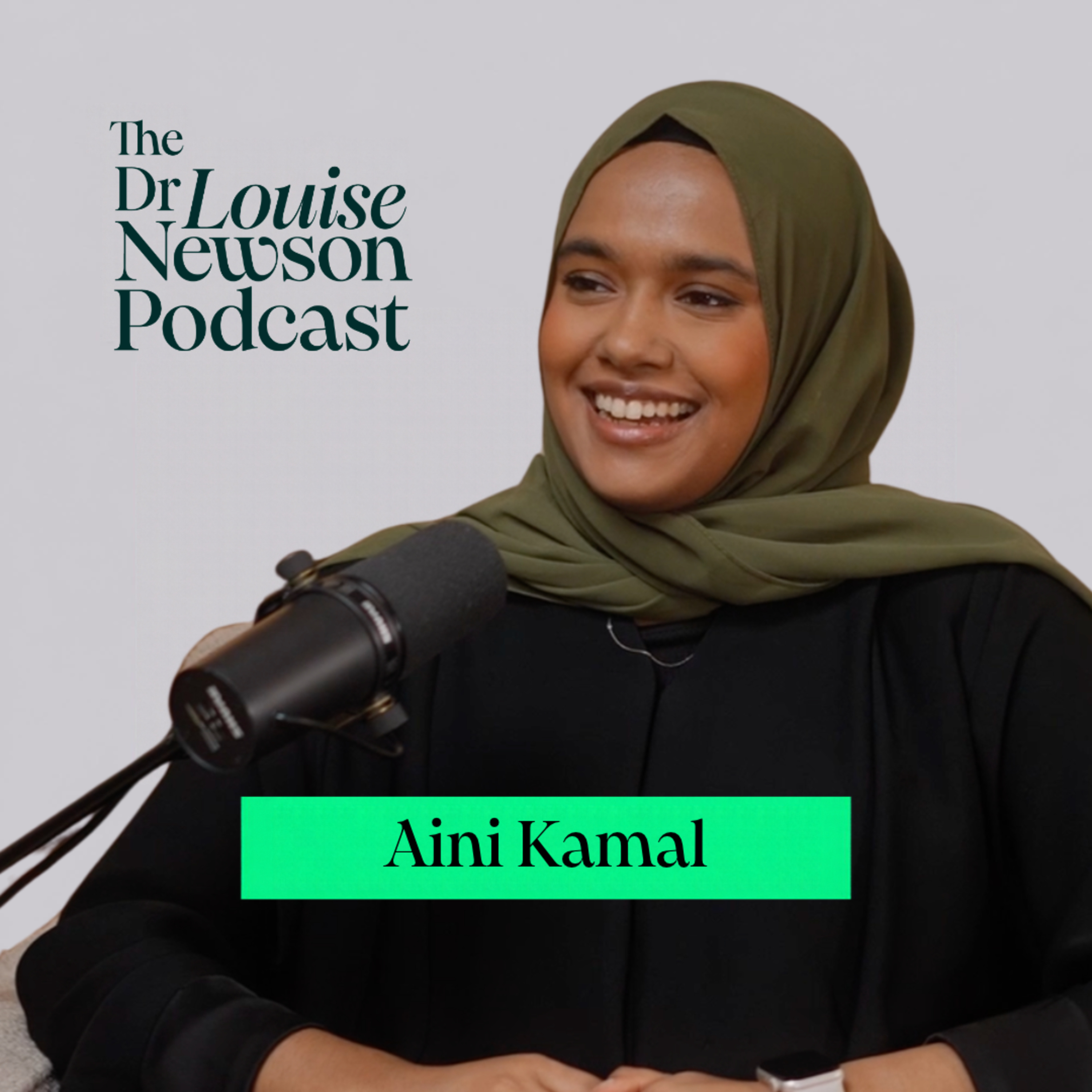
Does testosterone help women with more than low libido?Real-world data from Dr Louise’s research team says yes. Content advisory: this episode includes themes of mental health and suicide. In this episode, Dr Louise Newson is joined by Aini Kamal, a neuroscience graduate and researcher with Newson Research, the small team Louise funds to study hormone health. Aini shares how her mum’s mental illness drew her to neuroscience, and how a gap year showed her just how under-researched women’s health still is. Together they discuss data showing testosterone improving joint pain, vaginal dryness, urinary symptoms and mood, research linking HRT with fewer suicidal thoughts, why FSH blood tests can mislead doctors diagnosing menopause, and why female athletes are being denied testosterone.Louise also explains why every cell in the brain responds to hormones. Aini closes with the three things she most wants her research to achieve, from easier access to care to closing cultural gaps in hormone e
People selling health products should provide evidence for their claimed benefits.
Share your view, then see how readers voted. No sign-in required. This poll is shared across stories.
Do you agree or disagree?
Common Quandary
A Common Quandary to discuss
Another conversation to explore, separate from this news story.
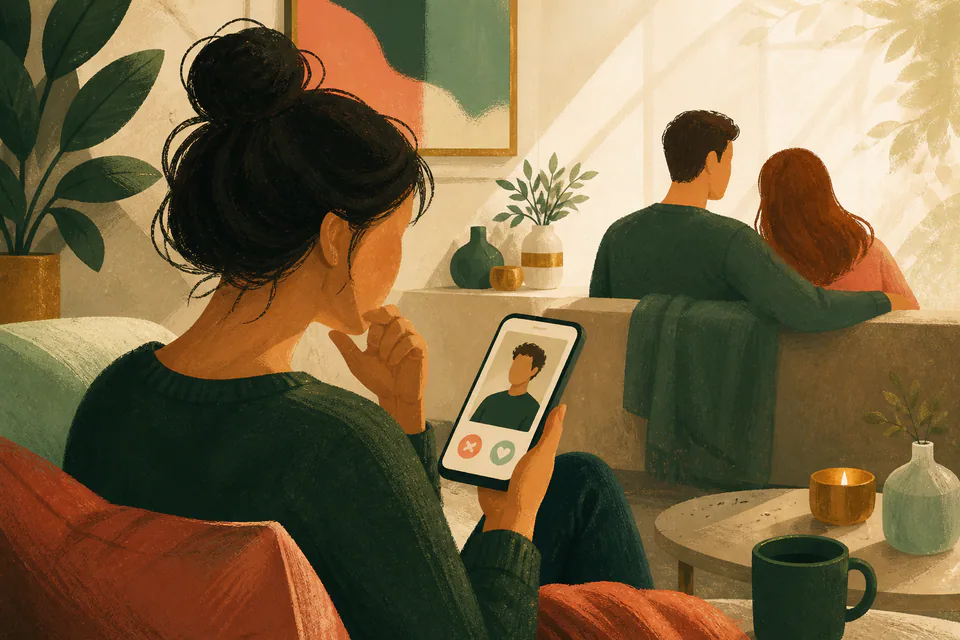
You spot your friend's partner on a dating app. Do you send the screenshot?
While browsing a dating app, you see the long-term partner of a close friend. The profile looks active, but you have no way to know whether it is current, permitted, fake, or simply forgotten.
When does loyalty require sharing uncertain information?