119 – Many doctors are still giving their patients incorrect information about HRT
33 min
Listen through the publisher, then discuss the episode here or arrange an in-person Roundtable. Your city determines where to meet.
Roundtables are designed for groups of four, with a shared subject and room for everyone to speak. Come for discussion, with no dating expectation.
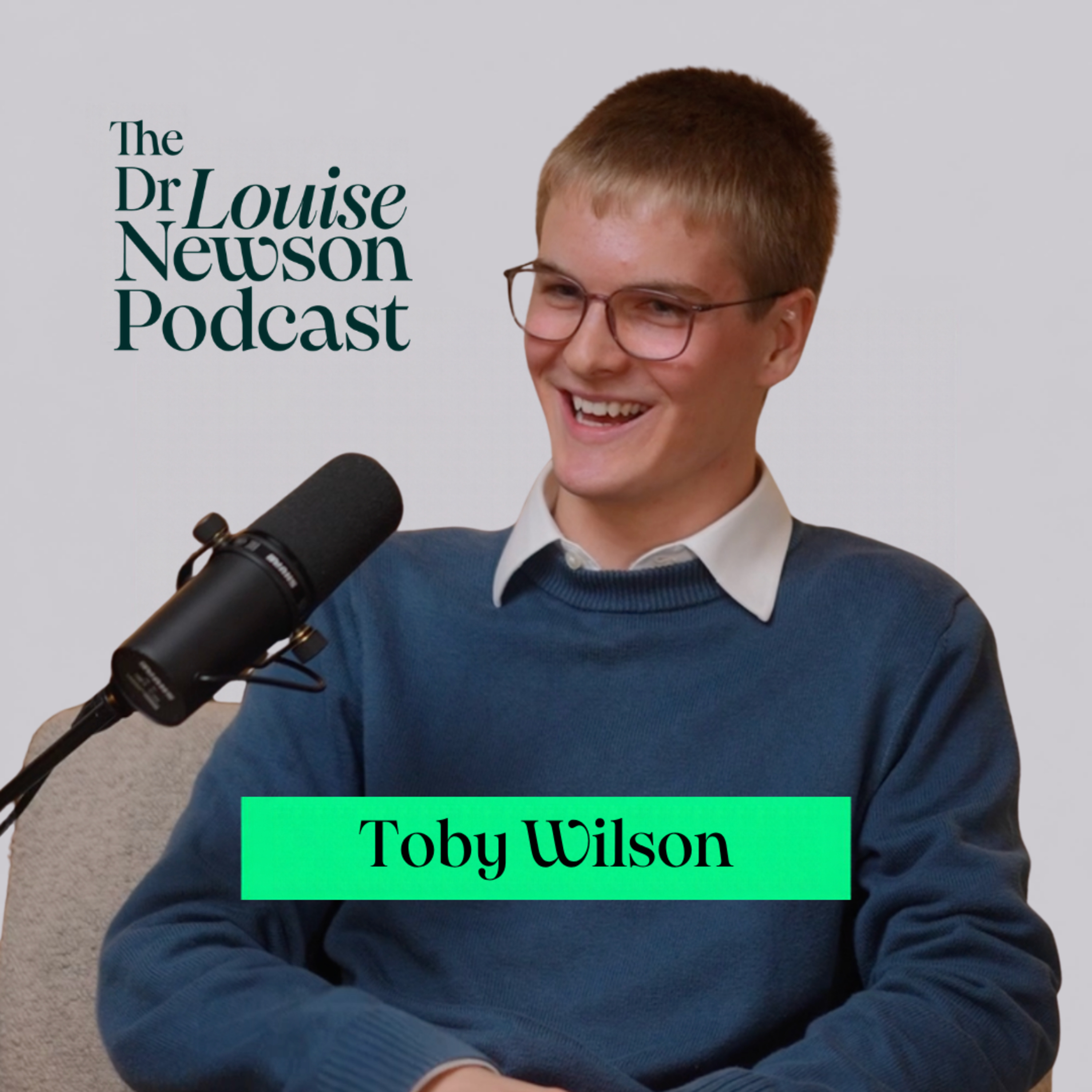
Why are so many doctors still scared of HRT? A medical student explains where that fear comes from and how it spreads. Toby first saw the problem as a teenager, when his mum, a biology teacher, went to her GP for HRT and was given an outdated FSH test instead. Now in his second year of medical school, he says hormone problems come up on GP placements more than anything else, and the risks of hormone treatment are raised in almost every consultation, often as defensive medicine. Louise explains why NICE guidance mentions risk far more often than benefit, why grouping synthetic and bioidentical hormones together confuses busy doctors, and why the WHI study still shapes prescribing. They also talk about how hard it is for junior doctors to question a senior, and why a 19-year old with endometriosis was told pregnancy would fix it. Toby closes with three take-home tips for changing how every doctor learns about hormones. Chapters 00:00 Why would Louise go back to medical school? 00:46 Why can't an FSH test diagnose perimenopause? 02:34 Is menopause only about hot flushes? 03:02 What do medical students see on GP placements? 05:23 Why do doctors keep warning about HRT risks? 06:59 Do GPs explain pill risks the same way? 08:05 Why does NICE mention risk more than benefit? 09:27 Why does HRT get more scrutiny than other medicines? 10:04 What do the WHI study and MMR scare have in common? 12:17 How are medical students actually taught? 14:28 Why is it so hard for junior doctors to speak up? 17:22 Why is not knowing about hormones still accepted? 18:16 How do hormones affect the immune system? 19:18 How did Louise learn to prescribe hormones? 20:21 Are patients now better informed than doctors? 22:16 Is it OK for a doctor to say "I'm not sure"? 23:07 Does endometriosis get better after pregnancy? 24:41 What should schools teach about hormones? 26:43 What does testosterone do for nerves? 28:52 Is surgical menopause only a gynaecology issue? 29:30 Why does endometriosis take so long to diagnose? 30:26 What should every medical student learn about hormones? Let’s connect Know a medical student,GP or nurse who should hear this? Newson Education's hormone courses are opento every healthcare professional: DrLN.co.uk/education (http://drln.co.uk/education) Follow the podcast on Apple Podcasts, Spotify or YouTube so you never miss anepisode: DrLN.co.uk/podcast (http://drln.co.uk/podcast) More from Dr Louise Newson: https://linkin.bio/drlouisenewson
Episode information is provided by the publisher. Listening takes place on the publisher’s service.
Keto Consult 29: This week Dr. Boz tunes in from Hawaii to talk to Jennifer Marie all about Thyroids and understanding Thyroid Problem Symptoms. A lot of times people like to point blame at the Thyroid for the cause of many symptoms but it’s important to really understand what the Thyroid is and that Thyroid Problem Symptoms are sometimes not what they seem. Furthermore, we go into all about how Keto benefits Thyroid Problem Symptoms and what’s happening when someone enters Ketosis with Thyroid Problem Symptoms. Learn more about Thyroids and Symptoms of Thyroid Problems in my Blog Here: https://bozmd.com/symptoms-of-thyroid-problems/ Thanks for tuning into my channel. Find more stories and information at my website: www.BozMD.com BOOK-LINK - ANYWAY YOU CAN. AUDIBLE: https://adbl.co/2SLLfS1 PAPERBACK= (Affilate link) https://amzn.to/2rf1fPP The most common questions I get ... 1) "Doc, what BLOOD METER do you recommend?" ANSWER: FORACARE: http://bit.ly/2QKGmKG For years my diabetics told
Today, Mel is doing something she's never done before on The Mel Robbins Podcast. She's bringing members of her team into the studio for live coaching with world-renowned communications expert Vinh Giang. Vinh is known for teaching millions of people online how to stop sounding insecure, speak more clearly, and get people to listen when you talk. And when you hear him coaching today, it will be like he’s coaching you. One person freezes when they're put on the spot. Another can't stop interrupting people. Someone else has great ideas but stays quiet because they're afraid of being judged. Does any of that sound familiar? And Vinh isn't just giving advice. He's coaching real people through practical exercises, right there in the studio, so you can hear the difference and start making those same changes in your own life. As Mel says, put yourself in their shoes. As Vinh works with each person, you'll recognize things you struggle with, too. You'll learn: -What to do when your mind goes b
Narcissistic abuse rewires your hormones. Cortisol, oxytocin, dopamine, thyroid, reproductive hormones and blood sugar all get thrown off, which is why so many survivors have symptoms doctors cannot explain. Chapters 00:00 Introduction 01:13 Dysregulated Cortisol Production 03:14 Disrupted Oxytocin and Dopamine Systems 05:26 Thyroid Dysfunction and Metabolic Disruption 07:23 Reproductive Hormone Chaos 09:22 Insulin Resistance and Blood Sugar Dysregulation 11:08 Why Doctors Miss These Patterns 12:03 Steps Towards Healing and Recovery 12:50 Join the Thrive After Narcissistic Abuse Program 13:17 Conclusion and Final Thoughts Is this narcissistic abuse? Watch this episode on YouTube: youtu.be/bwfVmEIk6rw (https://youtu.be/bwfVmEIk6rw)
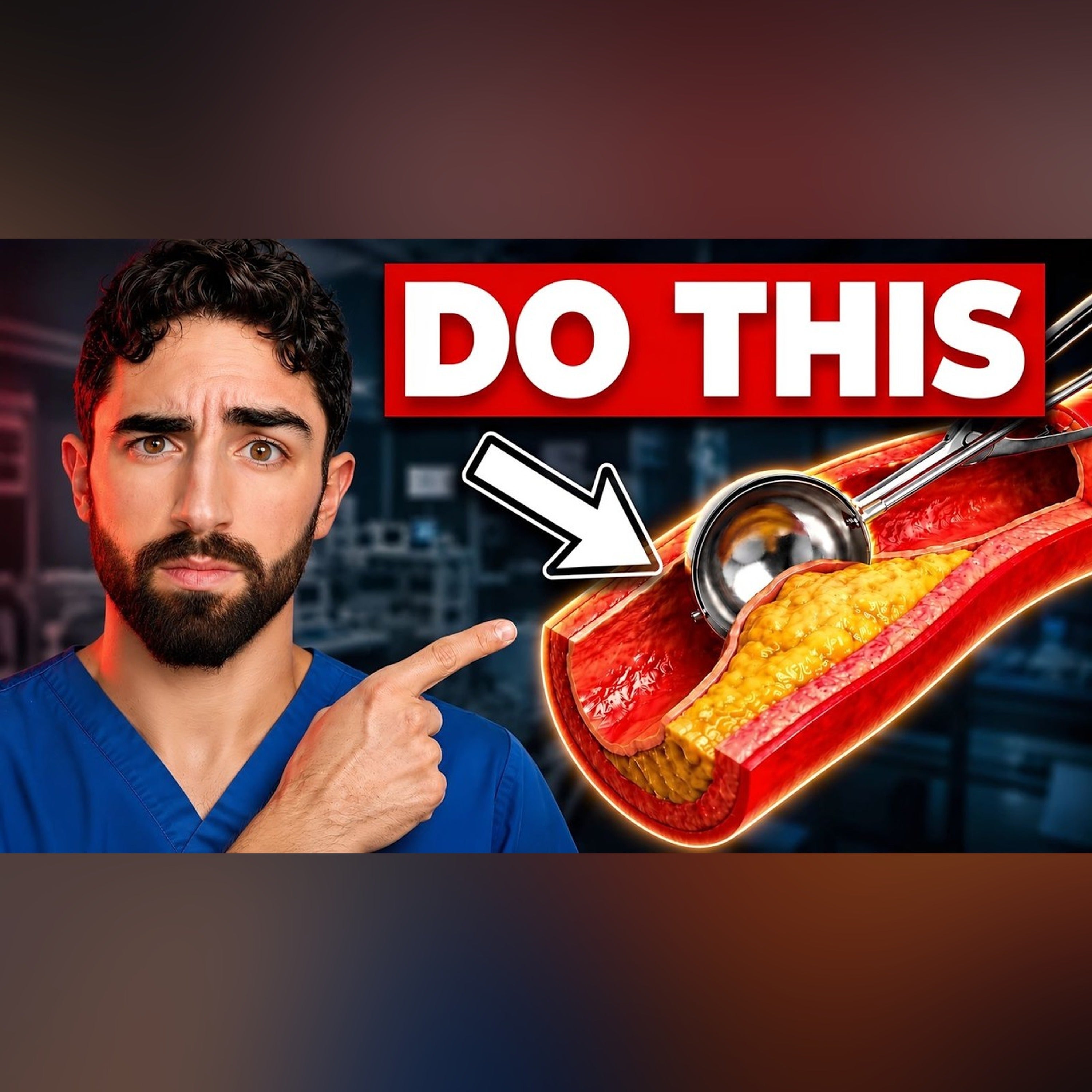
If you enjoyed this video and want access to all the references, deeper nuance, and additional context behind everything we discussed, consider joining StayCurious Metabolism, an overall top best-selling science newsletter: https://staycuriousmetabolism.com (https://staycuriousmetabolism.com/) The companion article for this video is here: https://staycuriousmetabolism.substack.com/p/the-heart-supplements-i-recommend?r=40ekz2 Find out why Stay Curious Metabolism became one of the fastest-growing science publications on Substack and reached the top two globally in just one year. Referenced Videos Heart Rate Variability: https://youtu.be/bdxYexIpYjo Berberine: https://youtu.be/KMVsg9EnbcE Vitamin C: https://youtu.be/0p0cld4RmDo Chapters 0:00 – 2,000 Hours of Heart Health in 20 Minutes 1:50 – Our Mystery Box of Heart Health Tools 2:15 – The Scoop, Nattokinase 5:12 – The Ice Pack, TUDCA 9:24 – The Charger, Heart Rate Variability 13:24 – The Straw, Berberine 16:00 – The Ducted Tape, Vitamin
"The Big Secret" documentary portrays how the U.S. healthcare system was reshaped by corporate and pharmaceutical forces, replacing natural healing with a drug-centered, profit-driven medical monopoly The shift began with the Flexner Report, backed by Carnegie and Rockefeller interests, which redefined medical legitimacy and opened the door to corporate control over healthcare Modern medicine has wrongly vilified cholesterol, leading to widespread statin use that can undermine hormone health, cognitive function, and metabolic resilience Industrial agriculture, glyphosate, and processed foods strip essential minerals from the food supply. This has been linked to widespread nutritional deficiency and chronic disease across generations The real "big secret" is that health can restore itself once you eliminate what disrupts it and provide the inputs it's always required
Text me what you thought of the show (https://www.buzzsprout.com/1959372/fan_mail/new) Can working night shifts affect your fertility, ovulation or IVF success? After speaking with numerous women trying to fall pregnant while working shifts, including those undergoing expensive IVF treatment, I wanted to explore what the research actually tells us. In this episode of A Healthy Shift, we discuss how night shifts, disrupted sleep and circadian misalignment may affect reproductive health. We cover: Why the fertile window is so short. Shift work, reproductive hormones and menstrual irregularities. What research says about night shifts, fertility and IVF outcomes. The roles of sleep, stress, nutrition, weight and exercise. Practical steps for women trying to conceive while working shifts. Research links shift work with menstrual irregularities, but evidence that night shifts directly cause infertility or reduce IVF success remains uncertain. If you're trying to get pregnant while working ni
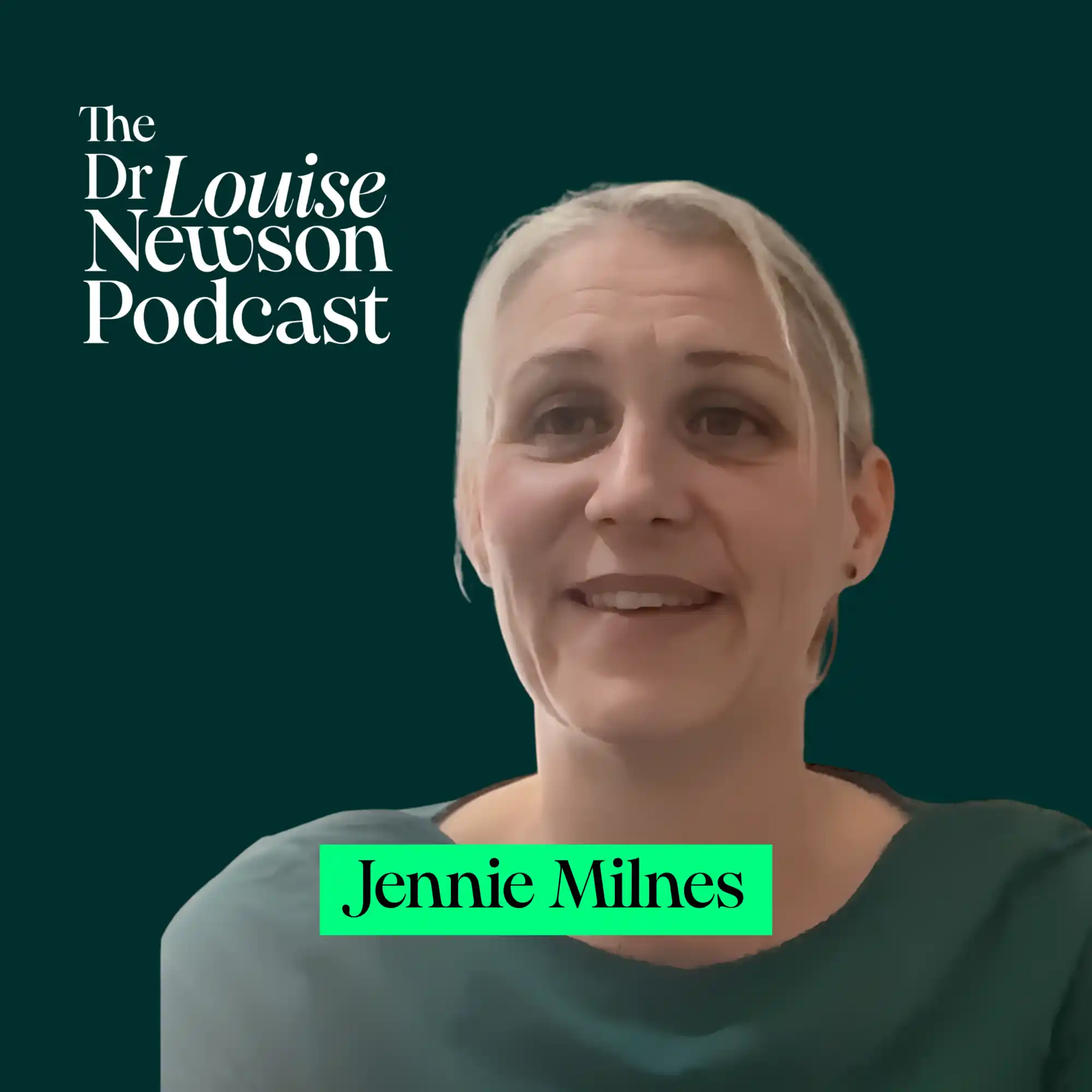
Postnatal depression follows a sudden drop in estradiol and progesterone after birth, yet hormone treatments are rarely offered during this time. Jennie Milnes knows this first-hand. She had postnatal depression after her first son, and in her early 40s, while switching her HRT for perimenopause symptoms, she found out she was pregnant again. After her daughter’s birth the hormone crash was even worse, and despite being on HRT before her pregnancy, she was told to wait for her hormones to settle. Dr Louise Newson explains why postnatal depression is more likely the second time, why antidepressants work better alongside estradiol, why hormones are safe while breastfeeding, and why so few psychiatrists prescribe them. She also shares the history of Dr Katharina Dalton, who used progesterone to support fertility and pregnancy. Chapters 00:00 Why is postnatal mental health so overlooked? 00:32 How did fertility treatment lead to her first son? 01:32 Was it postnatal depression the first ti
Can your skincare products affect your hormones? This episode covers what endocrine disruptors are and how to read a skincare product label. Gina Lewis spent many years working in early years education, and when her daughter, now nearly 12, started wanting the products her friends used, Gina began looking closely at what goes into them. She now runs Nudum Skincare, a handmade natural skincare company. Dr Louise Newson explains why bioidentical estrogen and testosterone she prescribes can pass through the skin, and how endocrine disruptors can sit in a hormone receptor like the wrong key in a lock. She shares the history of DES, a synthetic estrogen banned from poultry before it was stopped for pregnant women, and why she worries when teenagers are given the contraceptive pill as a first treatment for acne. Gina closes with three take-home tips, starting with a simple audit of your bathroom cupboard. Follow Gina: @nudumskincare Chapters 00:00 Can skincare affect your hormones? 01:31 Why
Does testosterone help women with more than low libido?Real-world data from Dr Louise’s research team says yes. Content advisory: this episode includes themes of mental health and suicide. In this episode, Dr Louise Newson is joined by Aini Kamal, a neuroscience graduate and researcher with Newson Research, the small team Louise funds to study hormone health. Aini shares how her mum’s mental illness drew her to neuroscience, and how a gap year showed her just how under-researched women’s health still is. Together they discuss data showing testosterone improving joint pain, vaginal dryness, urinary symptoms and mood, research linking HRT with fewer suicidal thoughts, why FSH blood tests can mislead doctors diagnosing menopause, and why female athletes are being denied testosterone.Louise also explains why every cell in the brain responds to hormones. Aini closes with the three things she most wants her research to achieve, from easier access to care to closing cultural gaps in hormone e
Communities losing a major industry deserve transition support before jobs disappear.
Share your view, then see how readers voted. No sign-in required. This poll is shared across stories.
Do you agree or disagree?
Common Quandary
A Common Quandary to discuss
Another conversation to explore, separate from this news story.
You inherit a fortune made in ways you despise. Can you keep it?
You inherit a substantial sum from a relative who accumulated it through practices you consider exploitative. Keeping it would improve your family's security; donating it could support people harmed by similar practices.
Can ownership be morally clean when its history is not?