2:16 Marathoner Explains Why Amateur Runners Train Too Hard | Hugo Fry
54 min
Listen through the publisher, then discuss the episode here or arrange an in-person Roundtable. Your city determines where to meet.
Roundtables are designed for groups of four, with a shared subject and room for everyone to speak. Come for discussion, with no dating expectation.
Inside Hugo Fry's sub-2:16 marathon training plan, what does it really take to chase elite-level performance? Returning to UNTAPPED, Hugo was set to run the Valencia Marathon. Now he reveals why he might never make it to the start line. Hugo takes us inside his build towards Valencia, breaking down the marathon training, high mileage and coaching behind his attempt to run under 2:16, and the mistakes he's determined not to repeat. After overtraining during his London Marathon build, Hugo explains why knowing when to hold back matters as much as pushing harder. He also reflects on the sacrifices of running 160km+ a week alongside a full-time job and the realities of building a career in running. Plus, he gives his verdict on run-fluencers, elite athletes and Spencer's chances on The Traitors. Do Health Know Your Body, Own Your Health. Head to https://highpfrmc.com/UT-DoHealth-AU to sign up now Nomio Heights Hosted on Acast.
Episode information is provided by the publisher. Listening takes place on the publisher’s service.
Trent and Peaches are tired of watching people celebrate minimum standards like they are excellence. The episode starts with Trent declaring Rudy the worst sports movie ever and immediately turns into a broader conversation about how organizations, teams, and candidates spend enormous amounts of energy supporting the bottom performers while sometimes failing to recognize the people who are actually crushing it. Their argument is not that struggling people deserve no support — it is that finishing last, barely passing, or simply meeting the minimum should not automatically be treated like an exceptional performance. They use athletes like Michael Jordan, Kobe Bryant, and other elite performers to make the point that talent does not eliminate work. Then the conversation comes back to Air Force Special Warfare preparation. Candidates claim they do not have time to train while sometimes putting in only a few hours each week for a pipeline they say is their biggest goal. Trent and Peaches e
If you're "getting back on track" every Monday, the plan probably isn't the problem. Gina Livy and Odette explain what Back on Track, the Livy Method's back-to-basics eating routine, is really for. It's a safety net for vacations, the holidays and the weeks when life goes sideways, not a punishment after one big Saturday night. Sometimes all you need is more water and a good night's sleep. If you keep needing a restart, it's worth asking what else is going on. They also talk about keeping weight off while living with chronic pain, how it can quietly steal your hope, and why swapping "I can't" for "What can I do instead?" keeps you moving. Plus a look at the week ahead: the mind-body connection, handling "Are you still doing that diet?" at holiday gatherings, and Thursday's guest, Joan MacDonald of Train With Joan, who started strength training at 70. This podcast aligns with Day 71 of our Fall Maintenance Program, members can find video in our Livy Method app or Maintenance and Mindful
BLACK FRIDAY — GOAL BODY COACHING Once a year - final week!! Apply to get the full details. HERE (https://goalbody-coaching.netlify.app/). FREE GIFT: HOT & HEALTHY FOR THE HOLIDAYS SURVIVAL GUIDE You think you're doing everything right. You think these strategies are HELPING you lose weight. They're actually the exact reason the scale isn't moving. Today I'm walking you through the 5 sneaky habits I was stuck in for way too long — the ones that LOOK like smart weight loss moves but are the real reason you're stuck. In This Episode: Why "saving calories for dinner out" is backfiring and costing you progress The bites, licks, and tastes math you've been pretending doesn't count (spoiler: it does) Why your exercise is NOT giving you a pass on the brownies (and why your watch is lying to you) The "I just wanna be chill about weight loss" lie that's keeping you stuck The "I'll start tomorrow" trap (and why future you isn't showing up) How to pick ONE of these and quit it this week Timestamp
This one’s a departure for unPAUSED — because the health of the men in your life is information you both need. Dr. Mary Claire Haver sits down with Dr. Rena Malik, board-certified urologist, sexual health expert and author of The Hard Truth, to talk about what a man’s sexual health reveals about his heart. Erectile dysfunction predates heart disease by three to five years, and men who develop it carry a 25% higher risk of heart attack or stroke — a warning on par with smoking. Trouble shows up there first: it’s a check-engine light most men ignore, and a prescription alone doesn’t fix the underlying disease. Dr. Malik walks through what should actually happen when a man reports ED — the cardiac and metabolic workup, the medications and what they do and don’t treat, and the options beyond the pill. They also cover testosterone for men (and the FDA gap for women), why sex is one of the most powerful motivators for health change, and what couples lose when the subject stays unspoken. Know
Get Dr. Vonda's insights Want to understand what's happening in your body — and what to do next? Each week, Dr. Vonda shares science-backed guidance on strength, bone health, muscle, and longevity — the same way she speaks to her patients. Clear. Practical. No noise. Weight loss was never the real goal. It's losing the fat that harms us while keeping the muscle that protects us. With GLP-1s on the rise and midlife women hitting fat loss walls, getting this right matters more than ever. Dr. Bill Campbell, professor of exercise science and director of the Performance and Physique Enhancement Laboratory at the University of South Florida. We talk about the two keys to fat loss without muscle loss: resistance training and protein. Bill explains what "heavy" really means, why protein may be an underrated fat loss tool, and how poor sleep can stall fat loss in perimenopause. Because in midlife, the smartest strategy isn't always doing more, it's doing what works. What we explore: - How resis
What does it take to become a fighter pilot, and how will Canada train its next generation of fighter pilots for the F-35? In the conclusion of our four-part series, The Road to Fighters, Lieutenant-Colonel Andrew “Hazno” Faith explores the past, present, and future of Fighter Lead-In Training (FLIT) in the Royal Canadian Air Force (RCAF). Andrew explains what separates a jet pilot from a fighter pilot, the habits of successful students, and the importance of teamwork, preparation, and decision-making under pressure. We discuss the retirement of the CT-155 Hawk, the challenges of rebuilding Canada's domestic fighter training program, and how training in the United States and Italy is helping bridge the gap. We also explore the potential of the M-346, the International Tactical Training Centre in North Bay, and the role of simulation in preparing pilots for the F-35. Finally, Andrew reflects on nearly 25 years of military service and what serving Canada has meant to him. (00:00:00) Intr
The food you're told to avoid could actually be helping you run further. Spencer Matthews and Oli Patrick challenge what we think we know about ultra-processed food (UPF), exploring what makes a food ultra-processed, where the real health risks lie and why not every processed ingredient deserves its bad reputation. From hidden ingredients in seemingly healthy meals to the role of energy gels, sports drinks and fuel for endurance running, they explain why context and quantity matter more than simply avoiding processed food. Discover how to strike the right balance between whole foods, nutrition and performance, and why an 80/20 approach could be a more realistic way to eat well. Heights Hosted on Acast.
What does it really take to reach Olympic level without putting the rest of your life on hold? British Olympic marathoner Phil Sesemann reveals how years of consistent training, long-term thinking and finding enjoyment in the process took him from working as an NHS doctor to the Olympic start line. Phil reflects on the six seconds that secured his Olympic qualification, the sacrifices made along the way and why building a lasting running career is about more than chasing times. From banking the miles to making room for family, friends and life outside the sport, he explains why consistency is the real key to getting better. Nomio Heights Hosted on Acast.
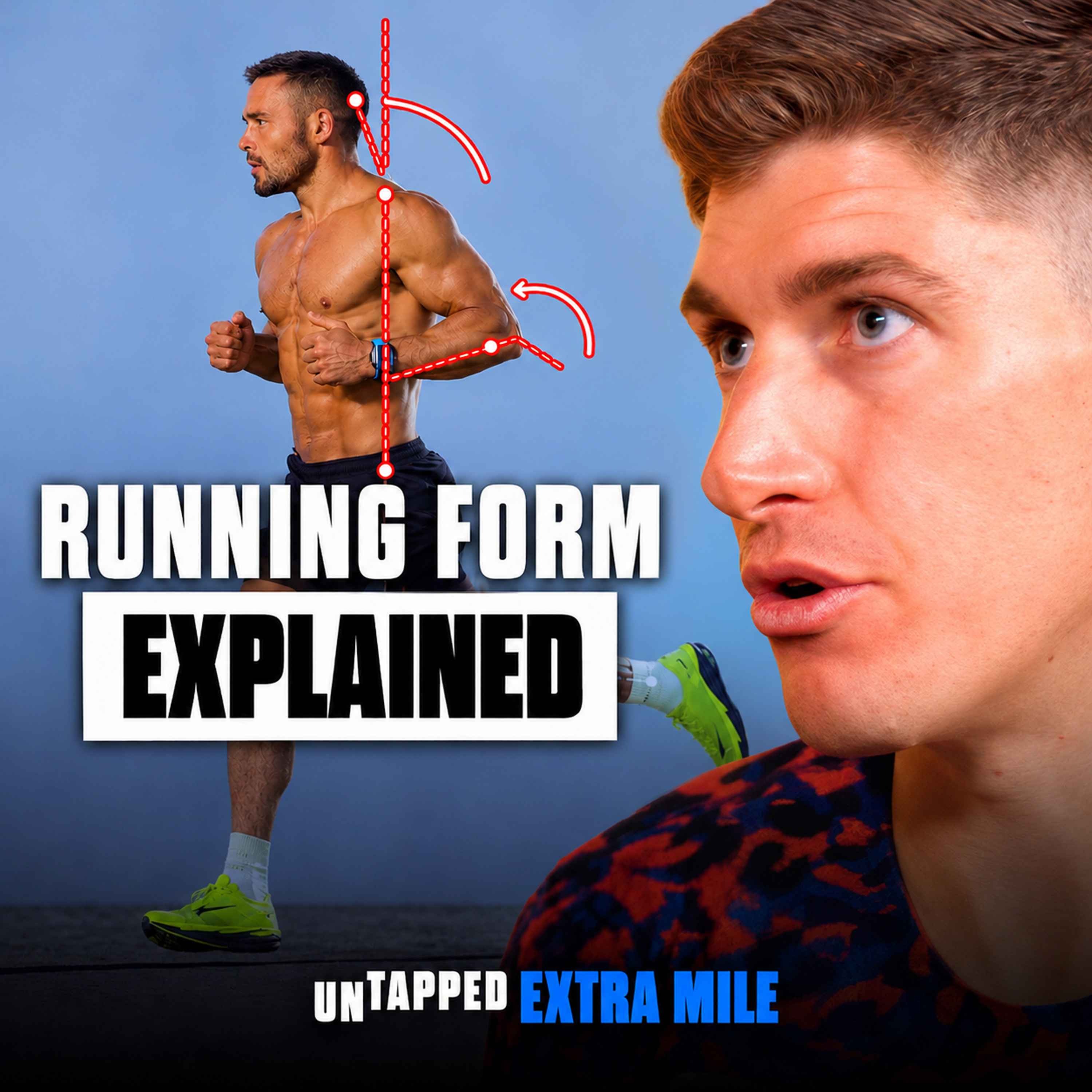
You could be ruining your running by trying to fix something that isn't broken. Spencer Matthews, Oli Patrick and running coach Nick Bester challenge some of the biggest running technique myths, explaining why there’s no such thing as perfect running form and why copying someone else’s stride could do more harm than good. From heel striking and pronation to the 180 cadence rule, they separate fact from fiction and reveal what really makes you a more efficient runner. Discover why overstriding, strength training and mobility matter more than how your running looks, when you should consider changing your technique, and how getting fitter and stronger can naturally improve your form. Nomio Heights Hosted on Acast.
Tax increases should include clear measures for judging whether the promised benefits occur.
Share your view, then see how readers voted. No sign-in required. This poll is shared across stories.
Do you agree or disagree?
Common Quandary
A Common Quandary to discuss
Another conversation to explore, separate from this news story.
A better public school is one borrowed address away. Would you use it?
Your child is struggling at the assigned school. A grandparent lives inside the boundary of a much stronger public school and offers to let you use their address. The desired school has limited places and verifies residency unevenly.
Can a parent's duty justify taking an opportunity allocated by an unfair boundary?