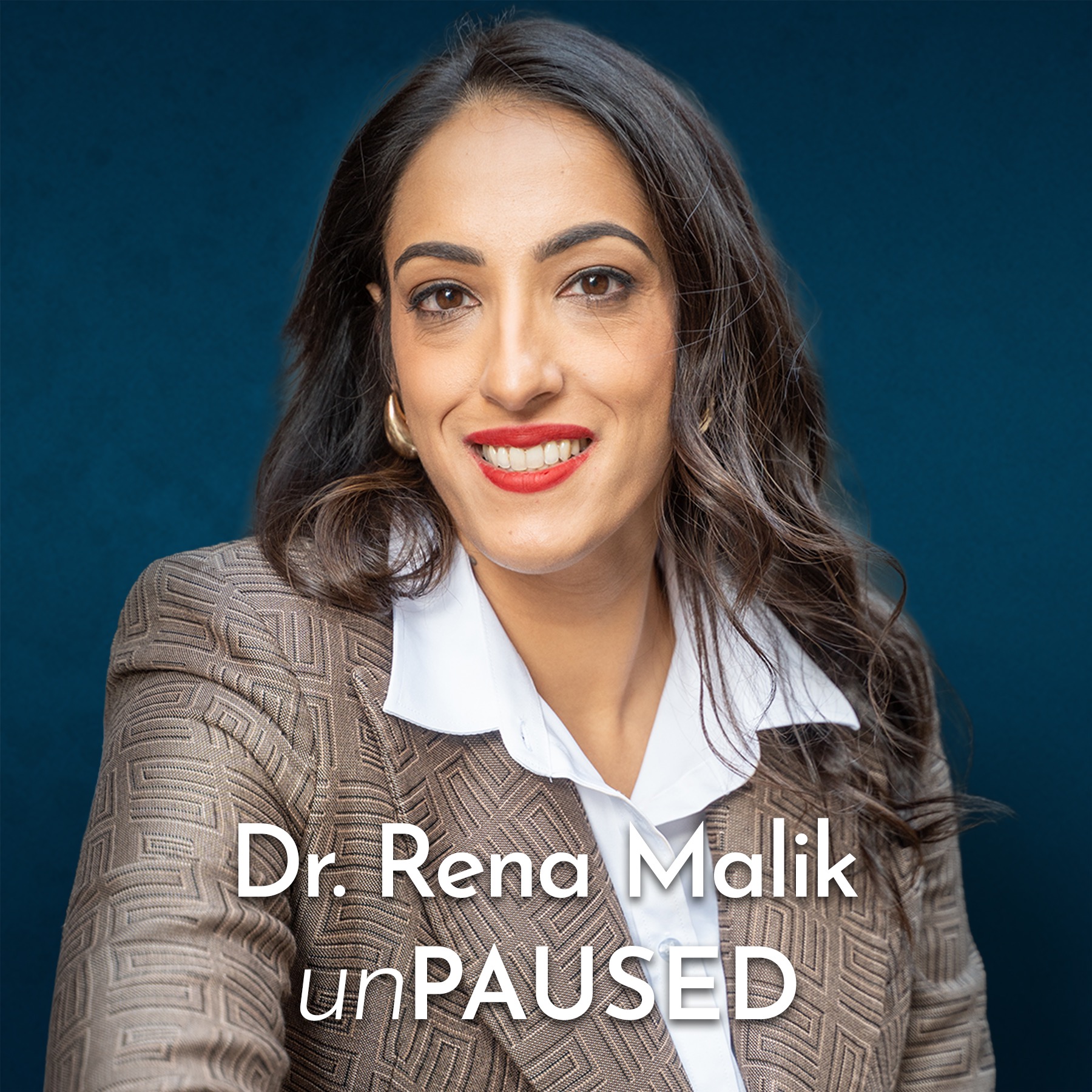
Erectile Dysfunction Isn’t Just His Problem with Dr. Rena Malik
53 min
Listen through the publisher, then discuss the episode here or arrange an in-person Roundtable. Your city determines where to meet.
Roundtables are designed for groups of four, with a shared subject and room for everyone to speak. Come for discussion, with no dating expectation.
This one’s a departure for unPAUSED — because the health of the men in your life is information you both need. Dr. Mary Claire Haver sits down with Dr. Rena Malik, board-certified urologist, sexual health expert and author of The Hard Truth, to talk about what a man’s sexual health reveals about his heart. Erectile dysfunction predates heart disease by three to five years, and men who develop it carry a 25% higher risk of heart attack or stroke — a warning on par with smoking. Trouble shows up there first: it’s a check-engine light most men ignore, and a prescription alone doesn’t fix the underlying disease. Dr. Malik walks through what should actually happen when a man reports ED — the cardiac and metabolic workup, the medications and what they do and don’t treat, and the options beyond the pill. They also cover testosterone for men (and the FDA gap for women), why sex is one of the most powerful motivators for health change, and what couples lose when the subject stays unspoken. Knowing what his body is saying might let you be the one to change his health trajectory — and it’s never too late. Guest links: Dr. Rena Malik (Website): https://renamalikmd.com (https://renamalikmd.com/) Dr. Rena Malik (YouTube): https://www.youtube.com/@RenaMalikMD Dr. Rena Malik (Instagram): https://www.instagram.com/renamalikmd/ Dr. Rena Malik (TikTok): https://www.tiktok.com/@renamalikmd Books: The Hard Truth: https://renamalikmd.com/hardtruth/ The New Menopause: https://www.amazon.com/dp/B0CKBZ4K1Z
Episode information is provided by the publisher. Listening takes place on the publisher’s service.
Bloating by dinner, constipation that's become routine, and brain fog by mid-afternoon get blamed on perimenopause all the time, but for many women, the trouble started in the gut long before their hormones began to shift. Stress, years on acid blockers, antibiotics, and even a missing gallbladder can change how you digest food, absorb nutrients, activate thyroid hormone, and clear estrogen, so by midlife, perimenopause lands on a system that was already struggling. In this episode of Hello Hormones, Dr. Cassie Smith and I break down how chronic stress can lead to leaky gut, why long-term acid blockers and gallbladder removal can make perimenopause harder, and how your estrobolome (the gut bacteria that help process estrogen) decides whether used estrogen leaves your body or gets recirculated. We also chat about the gut-thyroid connection, the thyroid lab ranges she likes to see, why some women feel worse when they start hormone therapy, and the simple basics that make the biggest diff
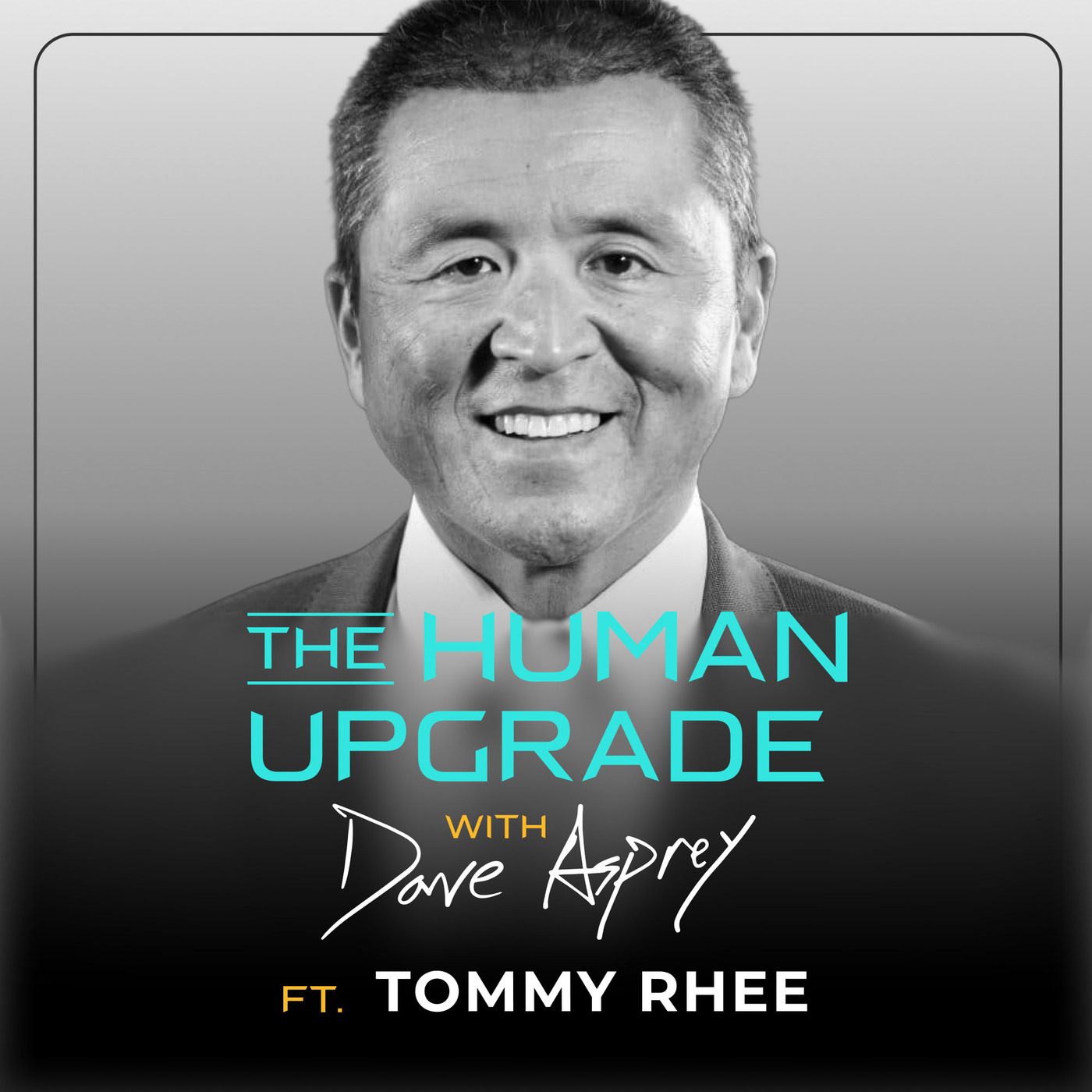
Whole-Body Vibration, Longevity, Nitric Oxide, Bone Density & Cellular Health Host Dave Asprey sits down with Dr. Tommy Rhee, sports chiropractor, regenerative medicine expert, and former practitioner with the Tampa Bay Buccaneers and UCLA Athletics, to explore whole-body vibration, longevity, nitric oxide production, blood circulation, bone density, muscle activation, and the science of mechanical stimulation. Drawing on more than 20 years of clinical experience working with professional and Olympic athletes, Dr. Rhee explains how specific vibration frequencies may influence cellular signaling, cardiovascular function, and physical performance. Dave and Tommy examine why whole-body vibration has become a popular biohacking technology and how just a few minutes of mechanical stimulation may support multiple systems throughout the body. Dr. Rhee explains how standing on a vibration platform creates rapid muscle contractions and mechanical forces that stimulate circulation and may activa
Does eating more protein and doing more resistance training actually help you lose more fat and preserve muscle? Or could you be doing far more than you need to? In this fascinating episode of the Optimal Protein Podcast, Vanessa Spina welcomes exercise physiology researcher Mikael Kanaan, MSc, to explore two new studies challenging conventional thinking about protein requirements, resistance training, and body recomposition during fat loss. What happens when researchers compare three different protein intakes during calorie restriction? Does dramatically increasing resistance-training volume offer greater protection against muscle loss? The findings may surprise you! They also dive into fascinating research on metabolic adaptation, including why your metabolism can slow down during weight loss—even when you maintain or gain muscle—and whether diet breaks can help restore your metabolic rate. Plus, an eye-opening discussion about how testosterone, estrogen, cortisol, and insulin influe
Get Dr. Vonda's insights Want to understand what's happening in your body — and what to do next? Each week, Dr. Vonda shares science-backed guidance on strength, bone health, muscle, and longevity — the same way she speaks to her patients. Clear. Practical. No noise. Weight loss was never the real goal. It's losing the fat that harms us while keeping the muscle that protects us. With GLP-1s on the rise and midlife women hitting fat loss walls, getting this right matters more than ever. Dr. Bill Campbell, professor of exercise science and director of the Performance and Physique Enhancement Laboratory at the University of South Florida. We talk about the two keys to fat loss without muscle loss: resistance training and protein. Bill explains what "heavy" really means, why protein may be an underrated fat loss tool, and how poor sleep can stall fat loss in perimenopause. Because in midlife, the smartest strategy isn't always doing more, it's doing what works. What we explore: - How resis
Dr Anna Lembke is one of the world's foremost authorities on addiction – a professor of psychiatry at Stanford, chief of its Addiction Medicine Dual Diagnosis Clinic, and the author of the international bestseller Dopamine Nation, which sold more than 1.5 million copies and changed the way the world understands pleasure, pain and dependence. Her new book, Radical Surrender, goes a step further than Dopamine Nation. Its argument is that we have become addicted not just to pleasure, but to control – that in a world of endless levers to press, we now pursue control for its own sake, and that when reality refuses to cooperate, our instinct to try harder tips us into denial, anxiety and despair. It is one of the most important and useful books I've encountered in the making of this podcast. But Anna's understanding was forged through almost unbearable personal loss. Her infant son, Lucas, died of leukaemia. What emerged was an acceptance of human limitation and the hard-won understanding th
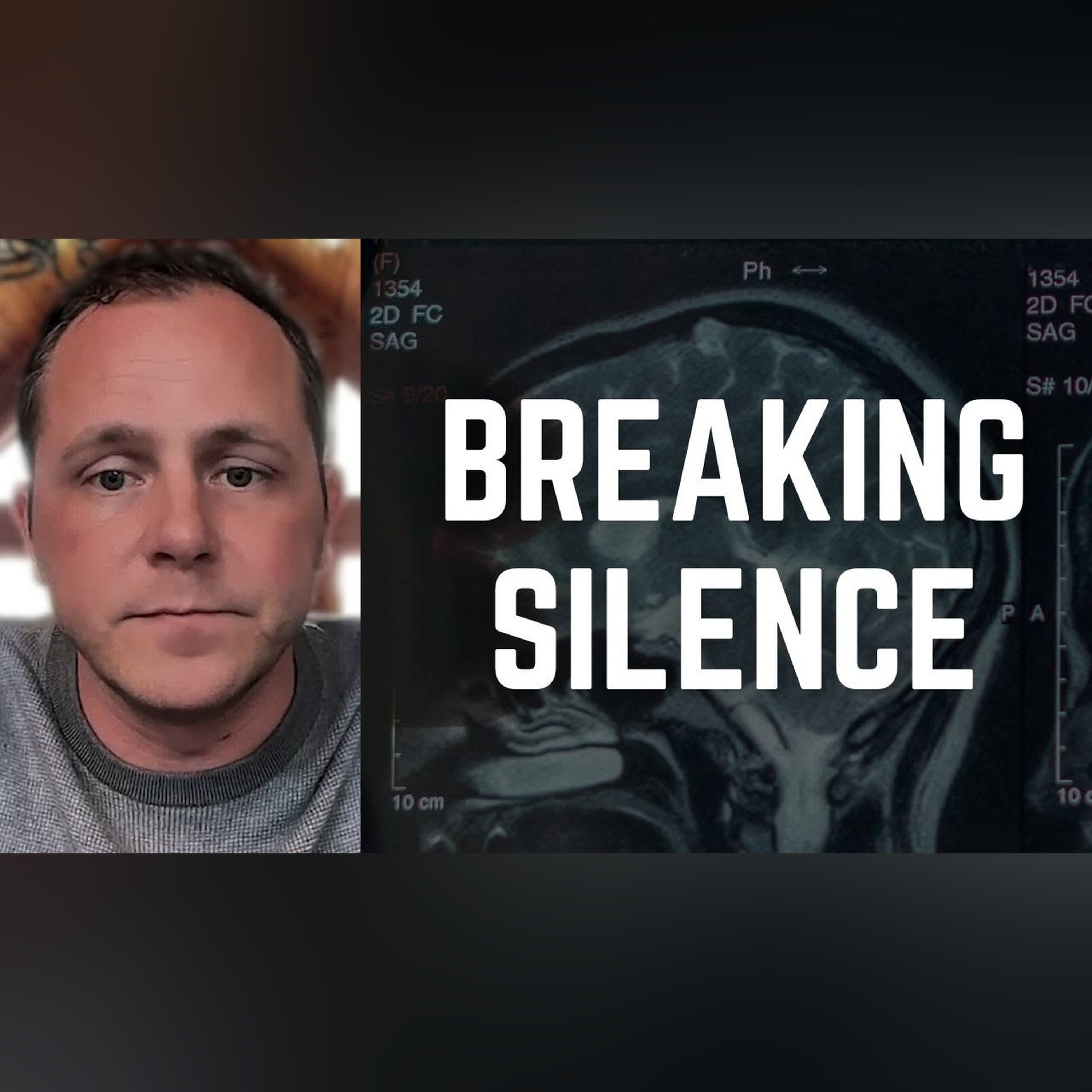
In this video, I finally open up about my diagnosis with Temporal Lobe Epilepsy and possible Mesial Temporal Sclerosis, conditions that have disrupted my life behind the scenes. This revelation comes after years of battling symptoms in secrecy, from memory loss to severe neurological episodes. My decision to come forward is driven by a desire to illuminate the challenges of living with a brain disease, the struggles of maintaining a façade of normalcy, and the personal acceptance of a life-altering reality. Uploaded 06-04-24 Why share this now? Because knowledge is power, but shared knowledge is empowerment. By documenting my journey, I aim to demystify these conditions, provide solace to those silently suffering, and initiate a conversation on the importance of mental and neurological health. This video is just the beginning. I promise to document my experiences, the good days and the bad, in hopes that my journey can offer understanding, hope, and support to those facing similar batt
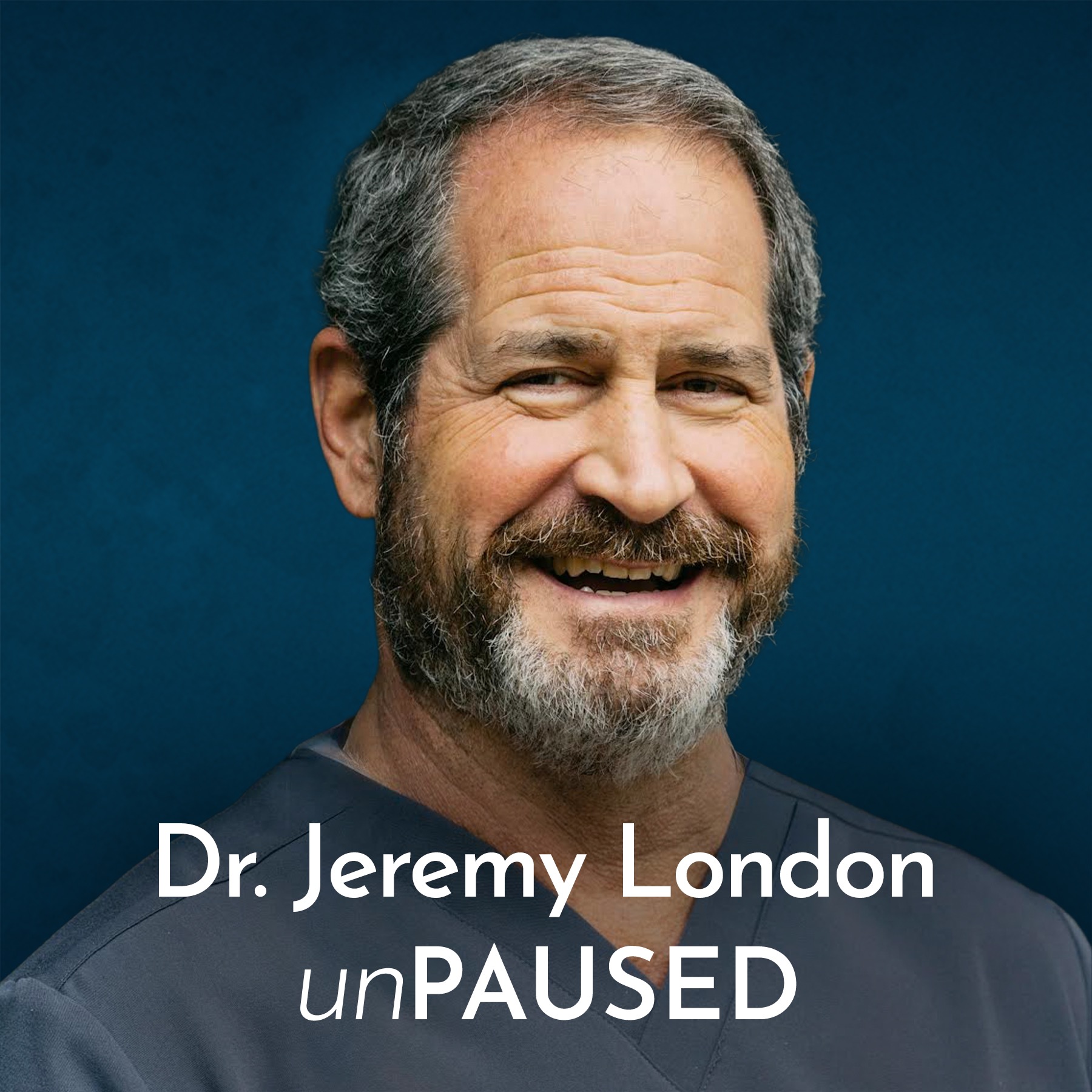
Heart disease is the number one killer of women — and in this follow-up to their first conversation, Dr. Mary Claire Haver and cardiovascular surgeon Dr. Jeremy London get practical about what to do about it. They start with the 2026 ACC/AHA cholesterol guidelines, which add universal Lp(a) screening and ApoB measurement, and for the first time list early menopause as a cardiovascular risk enhancer — alongside conditions like endometriosis, fibroids, and PMOS. Then the tests worth asking for — ApoB, Lp(a), fasting insulin and A1C — and why a calcium score can falsely reassure. From there: statins and the newer options (including the PCSK9 inhibitor Dr. London takes himself after a stent), his conversion from critic to believer on GLP-1s, where estrogen fits alongside lifestyle, why women gain more cardiovascular benefit from exercise than men, and why sleep apnea in women so often goes undiagnosed. His closing advice for every woman: know your numbers early, move every day, and be thou
Heart disease is the number one killer of women — not breast cancer — and the window that sets the trajectory opens during perimenopause. Dr. Mary Claire Haver sits down with Dr. Jeremy London, a board-certified cardiovascular surgeon with more than 25 years of experience and thousands of heart surgeries behind him, to put cardiovascular health at the center of the menopause conversation. They break down what heart disease actually is, why 80–90% of it comes down to blockages in the coronary arteries, and what really happens in the transition: LDL cholesterol rising an average of 18%, blood pressure starting to accelerate, and visceral fat appearing — all as estrogen’s lifelong protection of the arteries withdraws. Dr. London explains cholesterol the way no one learns it at the doctor’s office — why ApoB and Lp(a) matter more than your LDL number, and why menopause raises cholesterol because the liver clears less, not makes more. They also cover why women get missed: risk factors that
Welcome to The We Do Not Care Club Podcast hosted by Melani Sanders, content creator, founding member of the WDNC, and New York Times bestselling author of The Official We Do Not Care Club Handbook. What started as Melani’s hilarious and all-too-true social media declaration that she simply did not care much anymore has become a global movement centered on sisterhood, laughter, honesty, and understanding that we are not alone, and we are enough. From menopause to marriage, motherhood, sex, relationships, changing bodies, mental health, work, money, food, and the everyday chaos of midlife, no topic is off-limits. Available now: link.pscrb.fm/f0281/wdnccfdup-dc41f (https://link.pscrb.fm/f0281/wdnccfdup-dc41f)
Private companies delivering public services should face the same transparency duties as public agencies.
Share your view, then see how readers voted. No sign-in required. This poll is shared across stories.
Do you agree or disagree?
Common Quandary
A Common Quandary to discuss
Another conversation to explore, separate from this news story.
Your roommate's partner sleeps over six nights a week. Are they now a roommate?
Your roommate's partner stays almost every night, showers daily, and keeps food in the kitchen. They are pleasant and spend weekends elsewhere, but pay no rent or utilities. The lease limits overnight guests.
When does welcome presence become an obligation to contribute?