Introducing The We Do Not Care Club Podcast with Melani Sanders
4 min
Listen through the publisher, then discuss the episode here or arrange an in-person Roundtable. Your city determines where to meet.
Roundtables are designed for groups of four, with a shared subject and room for everyone to speak. Come for discussion, with no dating expectation.
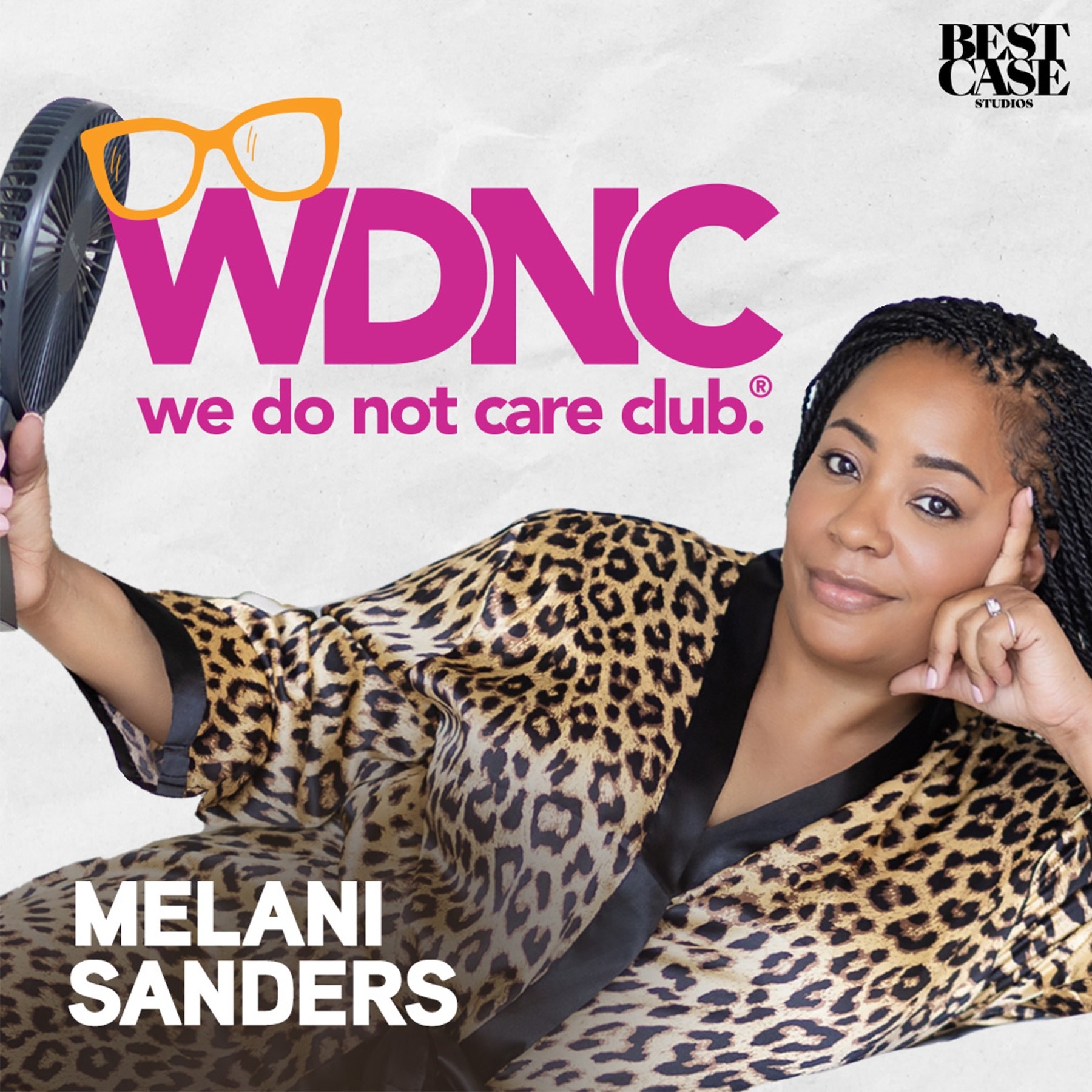
Welcome to The We Do Not Care Club Podcast hosted by Melani Sanders, content creator, founding member of the WDNC, and New York Times bestselling author of The Official We Do Not Care Club Handbook. What started as Melani’s hilarious and all-too-true social media declaration that she simply did not care much anymore has become a global movement centered on sisterhood, laughter, honesty, and understanding that we are not alone, and we are enough. From menopause to marriage, motherhood, sex, relationships, changing bodies, mental health, work, money, food, and the everyday chaos of midlife, no topic is off-limits. Available now: link.pscrb.fm/f0281/wdnccfdup-dc41f (https://link.pscrb.fm/f0281/wdnccfdup-dc41f)
Episode information is provided by the publisher. Listening takes place on the publisher’s service.
Siren is back to talk all about her slut weekends, throwing wild sex parties, her BBC gangbangs, and her newly poly marriage. Tune in to hear all the details including how her ethically non-monogamous marriage is set up, the huge BBC birthday party she and her husband are planning and what's going to go down, the recent sex party she threw at her house and how she set everything up, who attended, how she got the party started and exactly what went down throughout the night, how and why she's now helping other people throw their own sex parties and how she sets them up for success, how she vets the people who want to attend her parties and what you should and shouldn't do if you want to get invited, her slut weekends and why she enjoys them more than hotel takeovers, what went down during her recent slut weekend with her girlfriend, how they hooked up with 14 guys over three days and exactly what went down, how she and her husband decided to become poly, why she wasn't into it at first
Why is the manosphere so appealing to young men? What does it actually mean to be a good man? To join our journaling club, with 10,600 + others, subscribe to my imperfect email - https://www.theimperfects.com.au/sign-up-to-our-newsletter/ Journalist Marc Fennell joins us in the studio to talk about the manosphere: what is it? what are its consequences? and how can we talk to our kids about it? Marc explores with Hugh, Ryan and Josh why the manosphere is so appealing to young men, especially those who think they have little value to offer, and Josh questions what his reaction would have been, if he had of been exposed to the manosphere at a vulnerable time. We look at ‘toxic masculinity,’ and the impact of being right versus making change, and in a moment of vulnerability, Marc discusses the importance of self reflection of your own behaviour. Chapters: Chapters 00:00:00 – Marc Fennell on the Manosphere [TRAILER] 00:01:01 – Ryan’s doppelganger (and media buff etc) 00:04:24 – The State o
If you'd ever like to go deeper with me, join our globally bestselling science newsletter, StayCurious Metabolism: https://staycuriousmetabolism.substack.com (https://staycuriousmetabolism.substack.com/) NOHO Labs: My Peptide and Longevity Clinicians If you're looking for comprehensive support with peptides, I've spent a lot of time searching and vetting providers, and I'm happy to recommend the thoughtful clinicians at NOHO Labs, which is the service my family and I use. Link: https://noholabs.com/nick/ We negotiated the best arrangement we could for the StayCurious community, including concierge care, personalized peptide protocols, prescriptions when appropriate, and ongoing individualized oversight. Of course, you know I'm a big believer in N = 1 experimentation, but it's important to do that safely. These are clinicians who can provide thoughtful, individualized guidance, and I've been consistently impressed by their expertise, curiosity, and commitment to lifelong learning. If yo
Disclaimer: This is not medical advice. I'm not a doctor. Uploaded 20-09-24 Methylene Blue: https://www.mitozen.club/?ref=JNn9OgsqRy1P_X *this is an affiliate link which will cost you nothing extra *melatonin that I've been using is also in this link ***You can also get these elsewhere and I encourage you to shop around, there's no need to use my link whatsoever. Nine months ago, my brain was falling apart—I was having up to 9 seizures a day and didn’t even recognize my own family at times. Diagnosed with temporal lobe epilepsy, I was losing hope until I discovered something that changed everything: methylene blue. This blue dye from the 1800s, combined with melatonin and psychedelic therapy, helped me reverse my brain damage and regain my life. In this video, I’ll share how these powerful molecules transformed my brain health, stopped my seizures, and might even help someone you know. Dr. John Lieurance’s channel: https://www.youtube.com/@DrJohnLieurance My Neurology Protocol: [screen
In this conversation I’m speaking to Rebecca Olive. Rebecca is a feminist cultural studies researcher whose work explores how everyday sport and leisure are shaped by cultural politics, relationships between humans and non-humans, environmental wellbeing, and social media. My understanding of her research is she looks very closely at why people do things that make up a culture, and the meaning of everyday practices in people’s lives. We chatted about why people are drawn to the ocean in the first place and what keeps us coming back. How swimming and surfing becomes more than recreation, and into an emotional relationship that shapes how we understand risk, shark risk, and our place in it. She also discusses how storytelling, social media and drone footage may influence our perception of danger and coexistence. Apologies, I’m a Bit under the weather in this one and in the opening couple of minutes, probably would have been a good idea to have the microphone turned on. Recorded at 3pm on
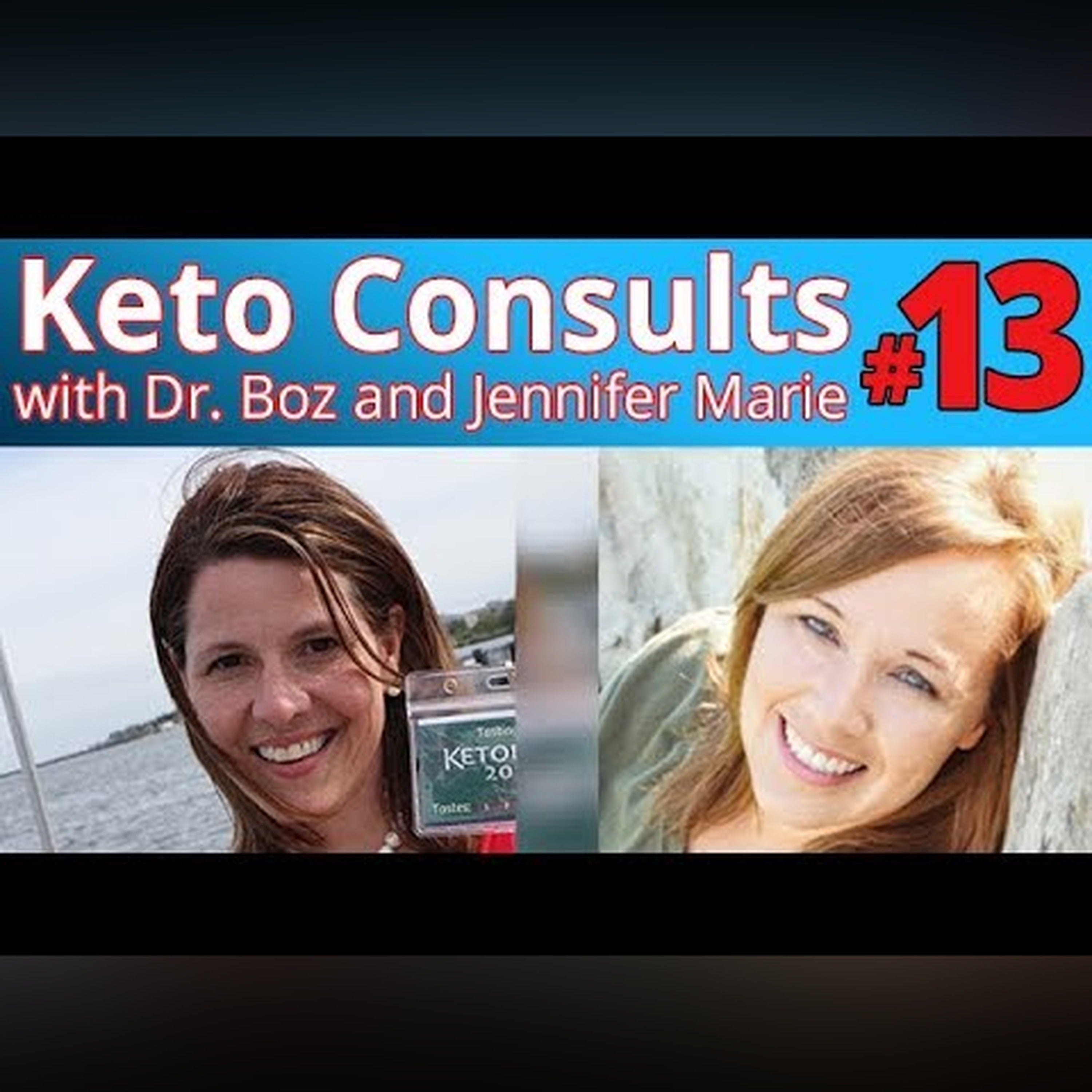
Keto Consult #13: This week Jennifer and I talk all about Food on Keto. We talk about Glucose Testing and how we can use Glucose Testing to biohack ourselves and figure out which Foods on Keto are good and which Foods on Keto are not so good. Amongst Food on Keto we get really into the Keto Diet and Cholesterol and debunk some of the common misunderstandings about Food on Keto and the Keto Diet and Cholesterol. Carbs on Keto, Glucose Testing, Keto Diet and Cholesterol, Food on Keto. We also discuss What is C Reactive Protein?, Why beginning the Keto Diet may make your Liver Enzymes High, Learning How to Fast, Igniting Autophagy and everything you need to know about the Dr. Boz Ratio! Thanks for tuning into my channel. Read more about this topic on my blog: https://bozmd.com/understanding-keto-food-pyramid/ BOOK-LINK - ANYWAY YOU CAN. AUDIBLE: https://adbl.co/2SLLfS1 PAPERBACK= (Affilate link) https://amzn.to/2JqglxS The two most common questions I get ... 1) "Doc, what BLOOD METER do y
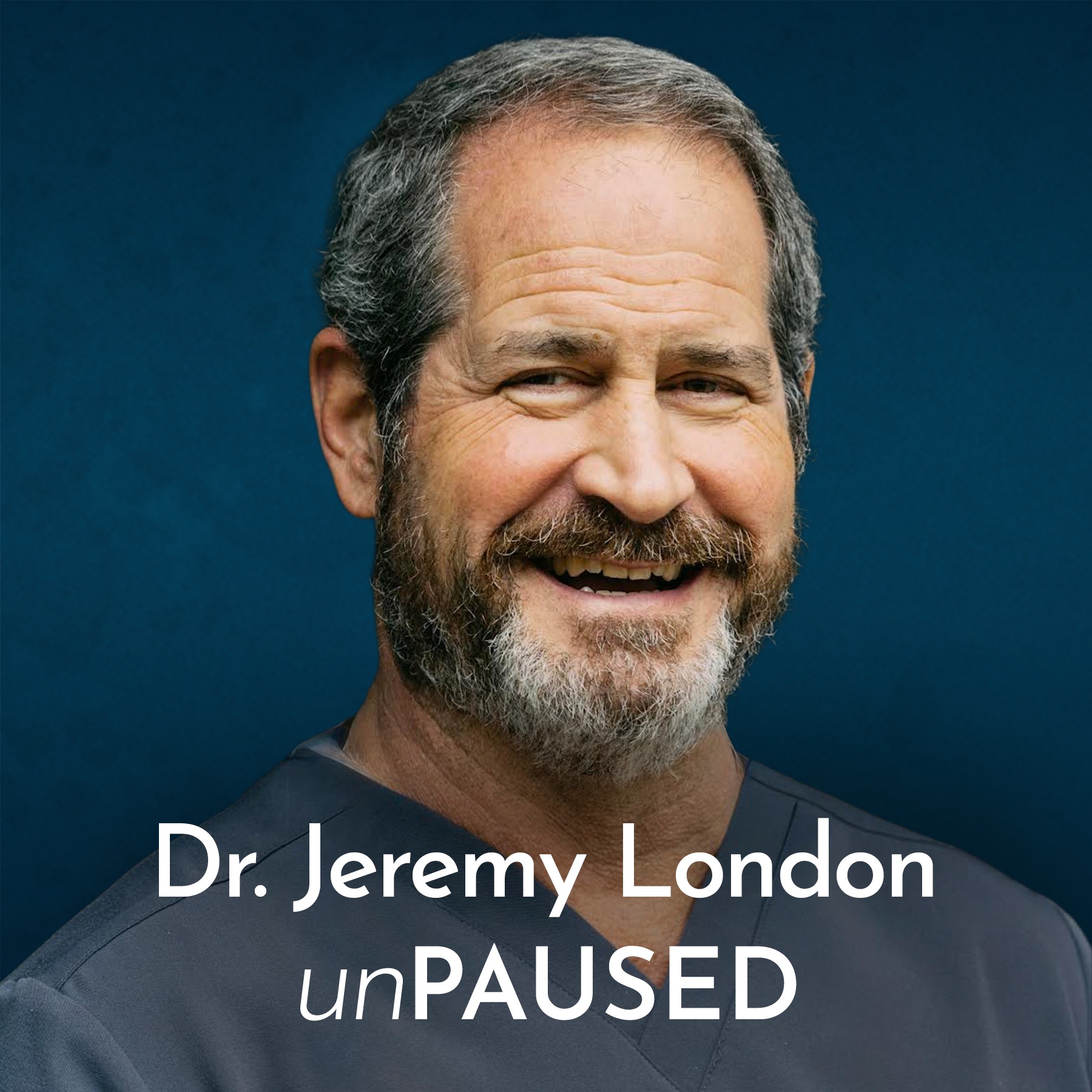
Heart disease is the number one killer of women — not breast cancer — and the window that sets the trajectory opens during perimenopause. Dr. Mary Claire Haver sits down with Dr. Jeremy London, a board-certified cardiovascular surgeon with more than 25 years of experience and thousands of heart surgeries behind him, to put cardiovascular health at the center of the menopause conversation. They break down what heart disease actually is, why 80–90% of it comes down to blockages in the coronary arteries, and what really happens in the transition: LDL cholesterol rising an average of 18%, blood pressure starting to accelerate, and visceral fat appearing — all as estrogen’s lifelong protection of the arteries withdraws. Dr. London explains cholesterol the way no one learns it at the doctor’s office — why ApoB and Lp(a) matter more than your LDL number, and why menopause raises cholesterol because the liver clears less, not makes more. They also cover why women get missed: risk factors that
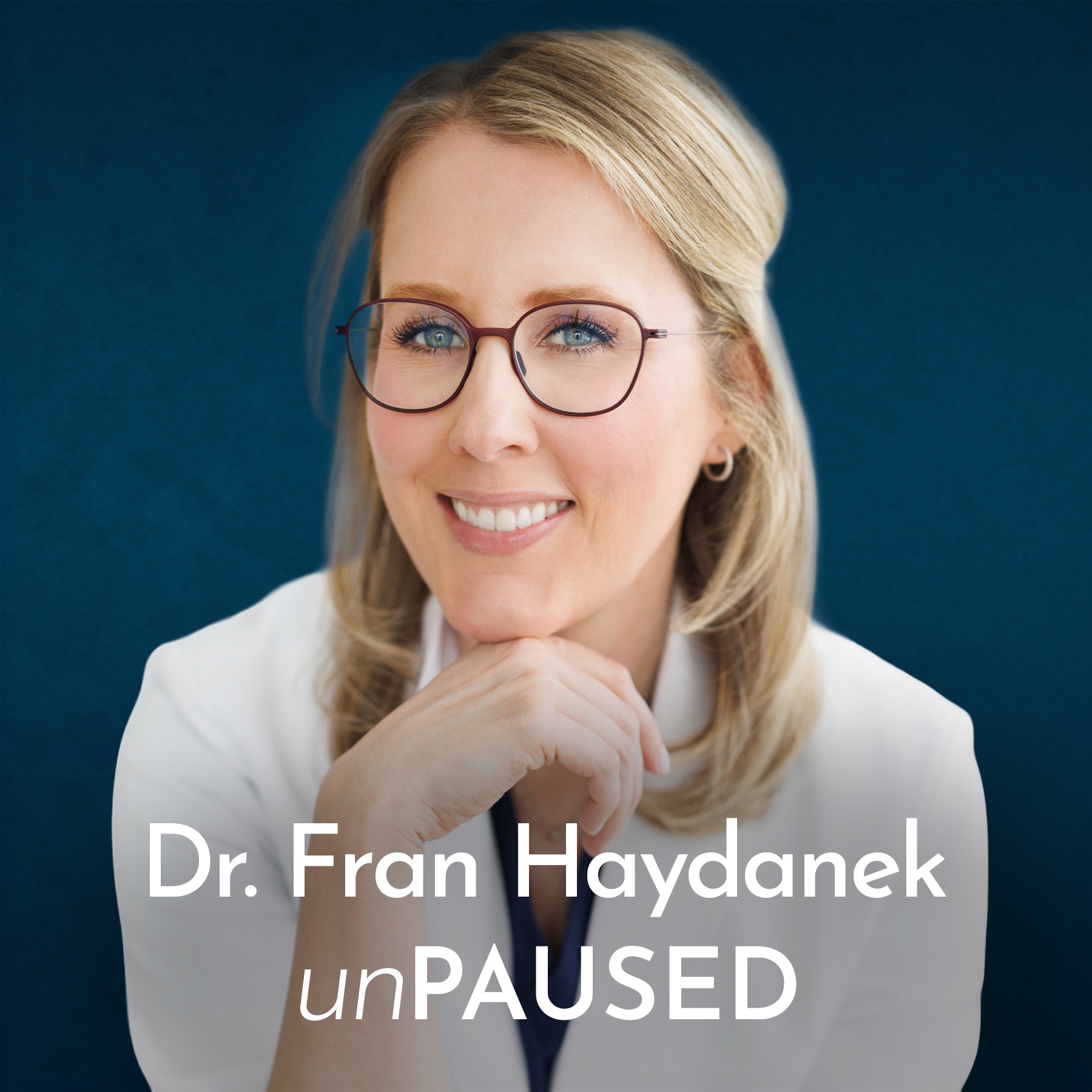
Dr. Mary Claire Haver sits down with Dr. Fran Haydanek — board-certified OB/GYN and the voice behind Paging Dr. Fran — to get practical about perimenopause. They break down what’s normal when your periods change, the bleeding patterns that mean you should get checked — including why PMOS carries a five-times-higher risk of endometrial cancer — the growing overlap of postpartum and perimenopause, and the “just a tired mom” trap that delays diagnosis. Then it’s treatment: birth control vs hormone therapy through the transition (and why Dr. Fran calls the IUD “a three-for-one”), what the guidelines actually recommend, workarounds for the estrogen patch shortage, GLP-1s and PMOS, and the real Women’s Health Initiative numbers behind two decades of fear. They close with the three things every woman in her late 30s and 40s should do for her health right now. Guest links: Dr. Fran Haydanek (Website): https://www.pagingdrfran.com/ Dr. Fran Haydanek (YouTube): https://www.youtube.com/@PagingDrF
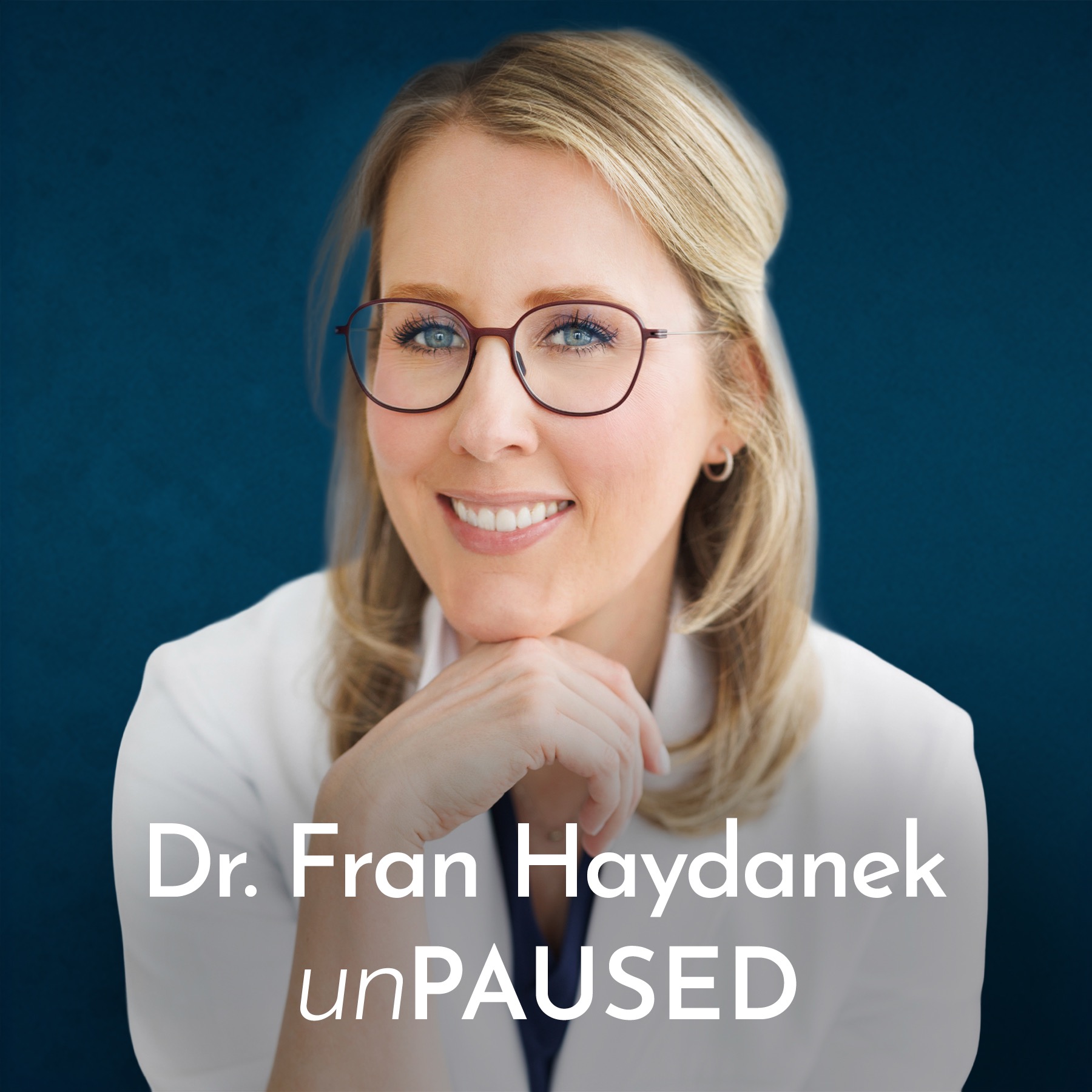
What happens in the gap between your last baby and your first hot flash? Dr. Mary Claire Haver sits down with Dr. Fran Haydanek — board-certified OB/GYN and the science communicator behind Paging Dr. Fran — to connect the dots most women are never shown. They unpack “reproductive hormone sensitivity”: why women whose brains react to hormone fluctuations with PMS, PMDD, or postpartum depression face a dramatically higher risk of depression in perimenopause — in the largest study to date, almost 13-fold — and why that history sits unread in your own chart. They also get practical about diagnosis: why there’s no blood test for perimenopause, the conditions that mimic it — iron deficiency (and the new ferritin guidelines), thyroid disease, sleep apnea, diabetes — and what your pregnancy history predicts about your future health, from gestational diabetes to preeclampsia and heart disease. Because knowing your own history means you never have to be blindsided by symptoms that were completel
New community initiatives should have a realistic long-term support plan before launching.
Share your view, then see how readers voted. No sign-in required. This poll is shared across stories.
Do you agree or disagree?
Common Quandary
A Common Quandary to discuss
Another conversation to explore, separate from this news story.
Your grandfather brought home an ancient artifact. A museum wants it back. Do you surrender it?
In your grandfather's attic you discover a beautiful ancient object he brought home while working overseas decades ago. Your family treasures it and his papers suggest the rules were murky. A museum from that country says it belongs to their collection and asks for its return.
Can a family inherit clear ownership of something acquired through unclear power?