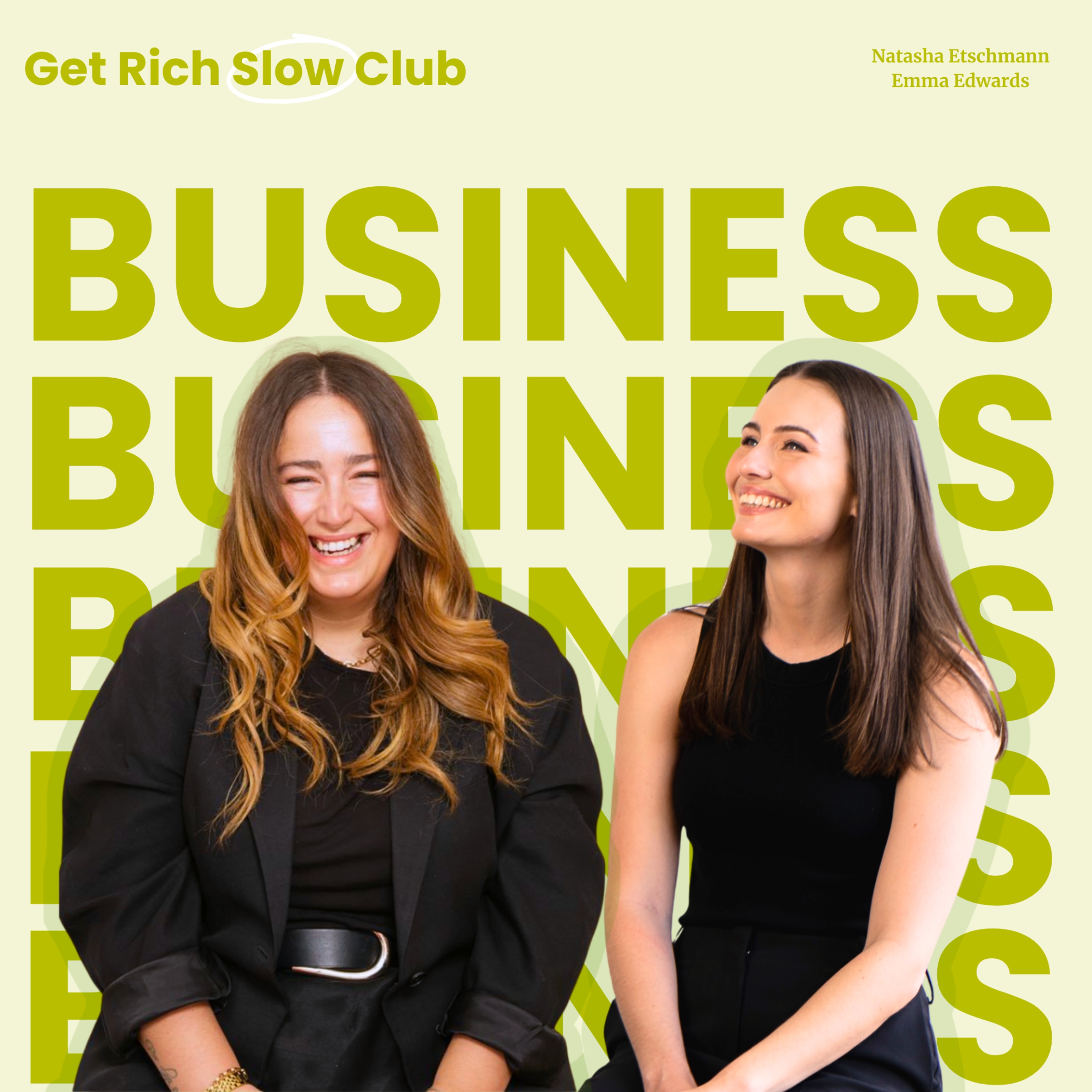
327. How to build a personal brand people actually remember
29 min
Listen through the publisher, then discuss the episode here or arrange an in-person Roundtable. Your city determines where to meet.
Roundtables are designed for groups of four, with a shared subject and room for everyone to speak. Come for discussion, with no dating expectation.
You can spend weeks perfecting your logo and still be forgettable. One creative consultant gets recognised for a giant napkin, while people with around 4,000 followers have written books. When it comes to building a personal brand, being memorable and being popular aren't always the same thing. So what makes people think of you when an opportunity comes up? In this episode, Emma and Tash reflect on building their own personal-brand businesses, including the parts that happened by accident. They explore how to find your perspective, test what connects with people, navigate a brand that changes as you do, and build a reputation that can open doors well beyond social media. In this episode we'll discuss: Why 18 versions of a logo can't replace having a perspective people recognise. How a creative consultant's giant-napkin project became more memorable than a list of clients. Why a finance book with a chapter on cellulite cream made sense for a millennial audience. How "spending runway" and "dividend day" became recognisable language people repeated back to the creators. Why asking ChatGPT to invent your personal brand isn't the same as experimenting to see what connects. How starting your reputation while you're still employed can open doors, even without a huge social following. What happens when your followers know you for frugality, a cat or an opinion that no longer fits your life. Why repeating the same idea in different ways can be the very thing that makes people remember it. How a baby-wearing consultant earned a customer's trust through content without needing an ad or a sales call. The big takeaway? A personal brand is less about a polished image or an impressive follower count than a perspective people can recognise. It takes experimentation to find what sticks, and repetition to become known for it. Over time, that reputation can start making introductions for you. @tashinvests (https://www.instagram.com/tashinvests/) @anakresina (https://www.instagram.com/anakresina/) @getrichslowclub (https://www.instagram.com/getrichslowclub/) @pearlerhq (https://www.instagram.com/pearlerhq/) Get Rich Slow Club (https://pearler.com/getrichslowclub) Pearler (https://pearler.com/) YouTube (https://www.youtube.com/@getrichslowclub) Disclaimer: Hosted on Acast.
Episode information is provided by the publisher. Listening takes place on the publisher’s service.
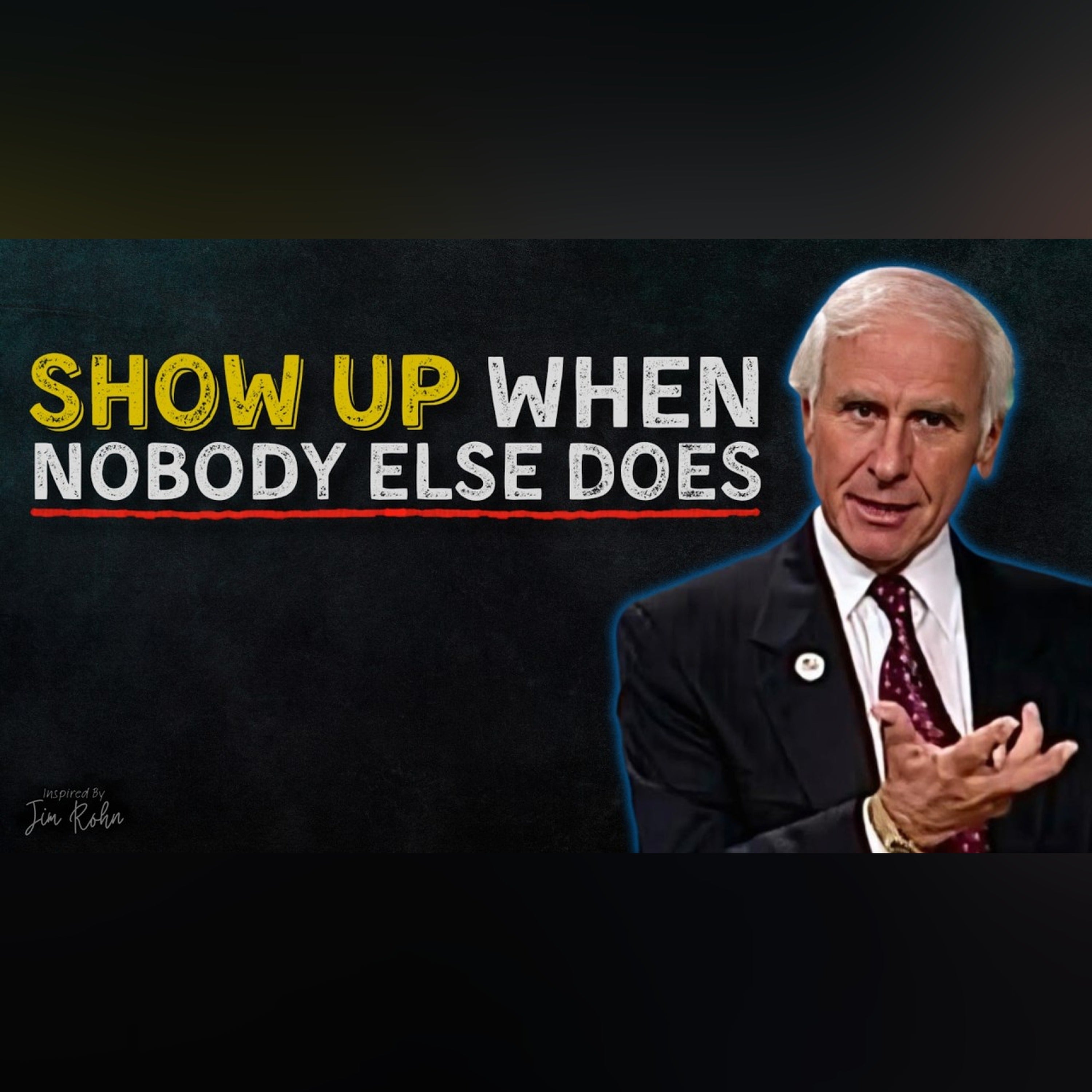
Today is Tuesday. Or it will be, soon enough. Uploaded 19-05-26 Nothing significant is happening. No audience. No deadline forcing your hand. It's entirely up to you. And whatever gets done, nobody will remember — including you, ten years from now. That Tuesday is the one. That's the Tuesday that's actually building the career. The high-stakes day with the audience and the visible consequences — anyone rises to that. The situation does the work. What you do when nothing is making you is what the career is actually made of. CHAPTERS 0:00 The Career You Think You Have vs. The One You're Actually Building 4:06 The Tuesdays Most People Treat as Filler 7:34 The Tuesday That Decides More Than Any Other 9:56 Where Your Energy Actually Comes From 11:47 The 3 Things That Compound (Beyond Skill) 17:01 The Waiting Career (Disguised as Wisdom) 22:30 How Habit Removes the Daily Negotiation 25:48 The Private Accounting at the End 29:25 There's No More Significant Day Coming THE 3 THINGS THAT COMPOUN
Happy Sunday! Welcome to Heal Squad’s The Sunday Set Up. Life lessons to help you start the week. How much of success comes down to simply showing up? This week, we talk keeping an open mind, taking chances, and recognizing the doors that open along the way. From Olympic athletes appearing on national television alongside Mercedes Moné to performers who keep showing up week after week hoping for their big break, we explore why success isn't always about talent or luck. Sometimes it's about making connections, putting in the effort, and being willing to try without knowing what we'll get in return. We talk knowing when to stop investing time in people who aren't willing to help themselves, and why even experiences that don't work out can teach us something valuable. The takeaway: don't wait for the perfect moment or expect someone else to make things happen. Be willing to take a chance, walk through the doors that open, and remember that half of life is just showing up. Plus, a little b
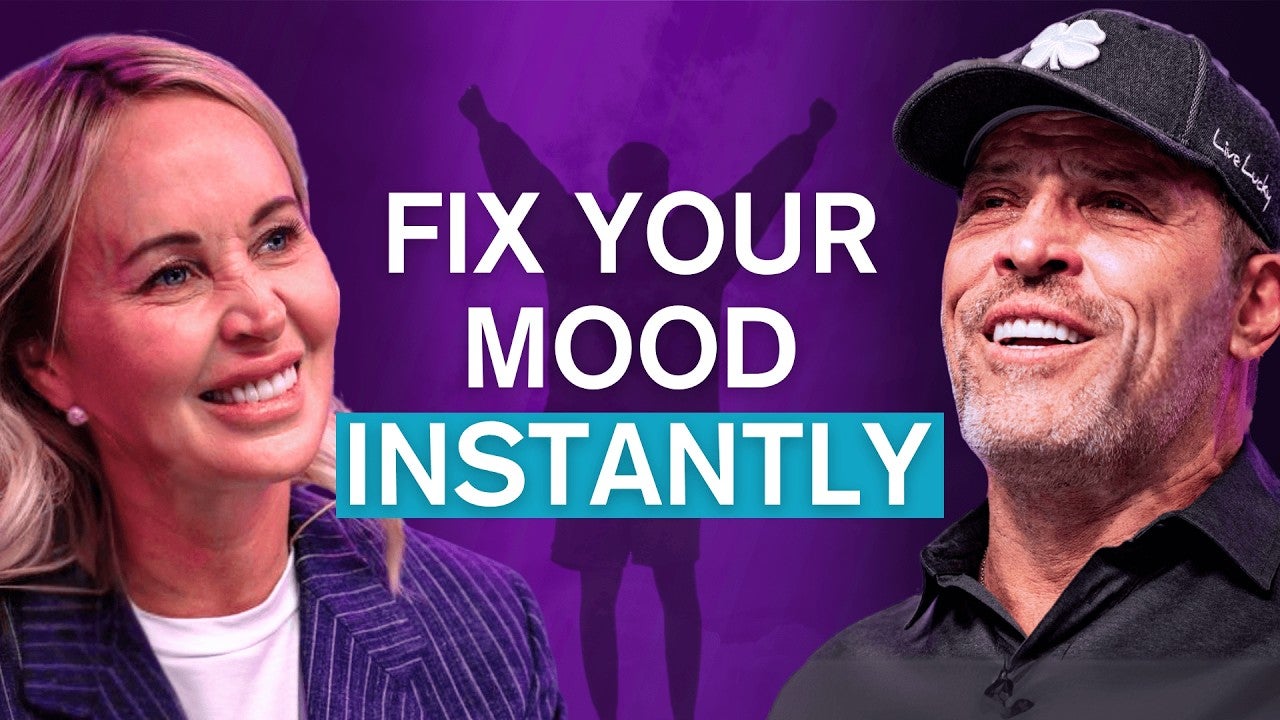
Making others happy might just be the key to finding true joy within yourself. In this message, Tony Robbins and Sage Robbins shares how focusing on connection, contribution, and meaningful relationships can lead to a deeper sense of fulfillment and purpose. Uploaded 20-07-25 Watch more videos like this Rebuild Trust and Connection in Any Relationship | Tony Robbins Intervention: https://youtu.be/oq-13UXCsOk These 6 Psychological Needs Control EVERYTHING You Do: https://youtu.be/HVwUfSiZUZM How To Influence ANYONE In Your Life (No Matter How Difficult...): https://youtu.be/nyRnnn82ATg How Your Language Shapes EVERYTHING Around You: https://youtu.be/4uqkkFiT5hk Join "The Edge" - Tony Robbin's FREE weekly newsletter: https://tonyr.co/3YJ0m2L Try Tony AI for just $1: https://tonyr.co/4cr742A Follow Tony Robbins: Facebook: https://www.facebook.com/TonyRobbins Instagram: https://instagram.com/tonyrobbins/ TikTok: https://www.tiktok.com/@tonyrobbins Twitter: https://twitter.com/tonyrobbins L
A.I. for Starting to Exercise: Building a Routine That Actually Sticks, a practical, beginner-friendly look at how artificial intelligence can help you build a routine that actually sticks this time. Starting to Exercise? Press play on Episode 429 of A.I. for Beginners and learn exactly how artificial intelligence, especially ChatGPT, alongside Nike Training Club, can help you build a routine that actually sticks this time. WHAT YOU WILL LEARN IN THIS EPISODE - Why starting to exercise is so hard to handle alone, and what is actually going on underneath it - A specific way to use Nike Training Club to work through it, step by step - An example prompt you can copy word for word: "Here is my current fitness level and schedule, help me build a realistic beginner routine" - A second practical technique, with another ready-to-use prompt: "Give me a simple way to track my progress that doesn't rely on willpower alone" WHO THIS EPISODE IS FOR - Anyone currently working on starting to exercise
In this video, Disability Attorney Walter Hnot of the Disability Resolution Law Firm goes over the only way the Trump $5,000 dividend could actually be afforded. America’s Most Viewed, Clicked On, Subscribed To Social Security Disability Attorney Like the content? Review us here: https://g.page/r/CcwyektC7nCPEAg/review . If the link does not work, Google: Disability Resolution, P.A. Need Medicare? I don’t do that…so call Chapter Medicare, they compares every Medicare plan nationwide for free to recommend coverage based on your doctors, prescriptions, and budget. Call 339-226-6287 or visit chapter.com/disability. *Paid Partnership Need Long Term Disability Benefit Help? I don’t do that, so call Attorney Bill Coffman at 813-839-2000. PRIVATE 60/30 MIN SESSION PHONE CALL WITH ATTORNEY WALTER HNOT Email Us At: [email protected] NEED MEDICARE? I don’t do it, but I trust these folks to help you. Call Chapter Medicare at 339 226 6287, or use askchapter.org/disability (* Note Below
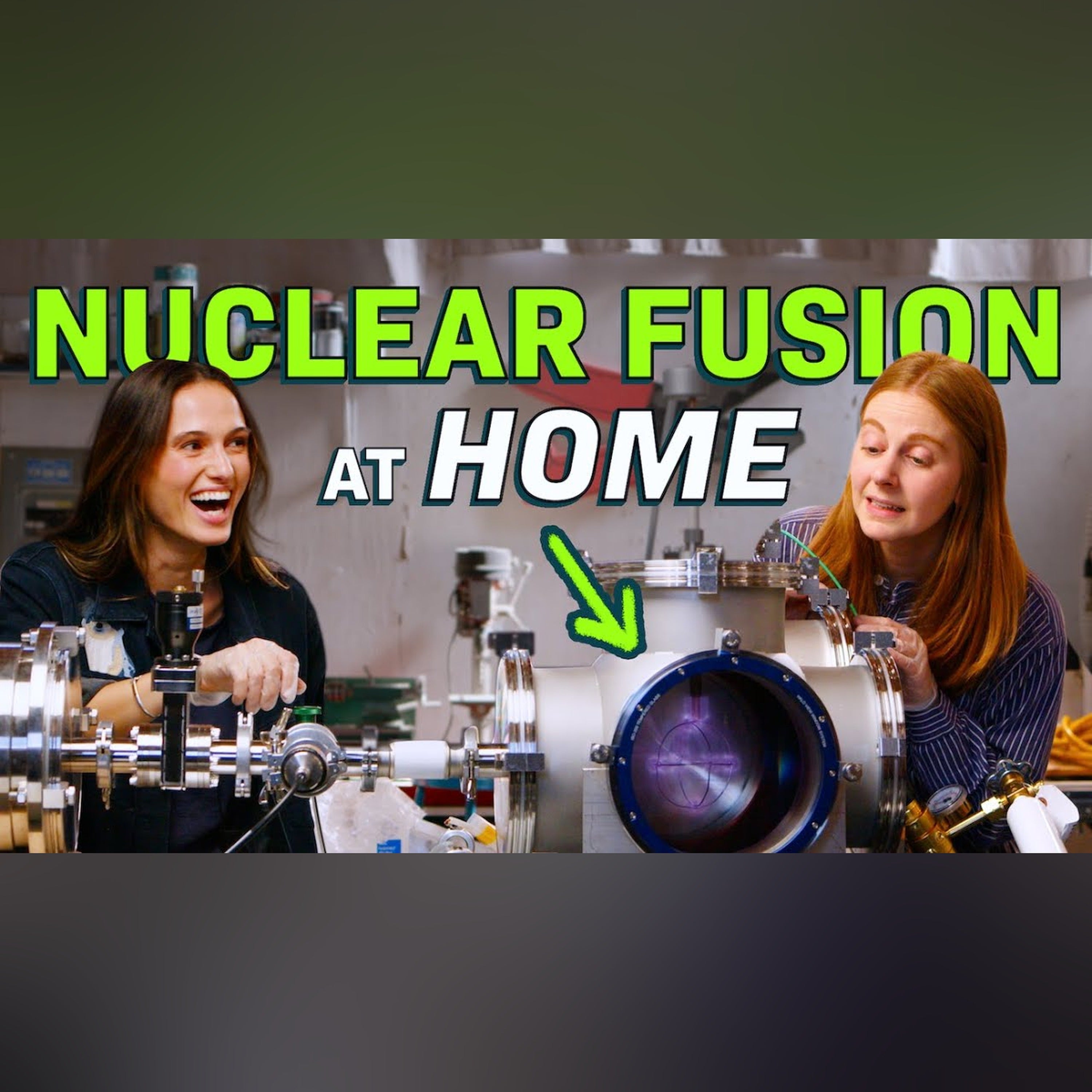
We attempted nuclear fusion. In Simone’s workshop. Disclaimer: This build was supervised by experts at Helion. Do not try this at home. I still can’t believe this video really happened. Back in May, I interviewed Helion CEO David Kirtley. I was trying to understand nuclear fusion: Is nuclear fusion possible now? How does fusion actually work? And most importantly, is nuclear fusion the future? Then, at the end of the interview, I asked David about headlines I’d seen about people building nuclear fusion devices in their backyards - what were they doing? “Oh,” David replied, “you can build one.” What followed is the biggest adventure yet on Huge If True. Together with the team at Helion and my friend fellow YouTuber Simone Giertz, we BUILT A NUCLEAR FUSION DEVICE to show how nuclear fusion works, what the big remaining challenges are, and how it might help us all in the future. Then, the last step was to try to turn it on… WATCH "FUSION, EXPLAINED: PART 1" HERE: https://youtu.be/piPbnKdv
Tash's 2014 Mazda 2 still works, so why is she seriously considering a new Polestar? She's spent months weighing up the extra space, safety features and driving experience against the cost. It's a much bigger version of the same dilemma we face with everyday spending: knowing when to save, when to wait and when spending more might actually make sense. So how do you know when a purchase is worth the money? In this episode, Ana and Tash explore the everyday money moves that shape our financial decisions, from automated investing and forgotten subscriptions to planning major purchases. They also unpack Tash's ongoing Polestar dilemma, comparing different approaches to buying a car, the true cost of ownership and the difference between what we need and what we really want. This episode is sponsored by Polestar. In this episode we'll discuss: ️ How leaving flights until the last minute left Ana facing fares above $600, and why a $25 flight change overseas was such a pleasant surprise. How T
⚠️ Important note: This episode discusses the First Home Super Saver (FHSS) scheme. Some information shared may be outdated or subject to change. Please refer to the Australian Taxation Office (ATO) for the most up-to-date and accurate information on eligibility, contribution limits, tax treatment and withdrawal rules before making any financial decisions. ATO: First Home Super Saver scheme (https://www.ato.gov.au/individuals-and-families/super-for-individuals-and-families/super/withdrawing-and-using-your-super/early-access-to-super/first-home-super-saver-scheme) Saving for a first home is complicated enough without putting part of your deposit into super. But could the potential tax benefits make it worthwhile? Elliott is using the First Home Super Saver scheme to prepare for a home purchase in three to five years. Ana has used it too, even salary sacrificing 100% of her pay for a short period. Together, they explore the benefits, limits and mistakes to watch for when saving through s
Starting a business alongside your full-time job sounds like a sensible way to test an idea without risking your regular income. But what happens when that side business starts making money and growing it means giving up your salary? Emma was earning nearly $100,000 between her job and business, yet going full-time meant potentially dropping back to just $30,000. So how do you give a side business a real chance without sacrificing your financial security or every spare hour you have? In this episode, Emma and Tash share how they built businesses around their existing jobs, studies and personal lives. From squeezing client work into evenings and weekends to navigating tax, burnout and the decision to become fully self-employed, they explore what it actually takes to turn an idea into a business, and whether going full-time should even be the goal. In this episode we'll discuss: Why starting a business doesn't have to mean quitting your job, and why some people are perfectly happy keepin
Governments should explain openly what they gave up in negotiated compromises.
Share your view, then see how readers voted. No sign-in required. This poll is shared across stories.
Do you agree or disagree?
Common Quandary
A Common Quandary to discuss
Another conversation to explore, separate from this news story.
A likable but unreliable former employee lists you as a reference. How honest are you?
A former employee who was unreliable but personally likable lists you as a reference without asking. Their prospective manager calls and asks only whether you would hire them again.
How much truth do you owe a stranger when it may cost someone a fresh start?