English-language podcasts

The Politics of Money: An IFSD Podcast

๐—” ๐—•๐—ถ๐—ด ๐—•๐˜‚๐—ฑ๐—ด๐—ฒ๐˜ ๐—•๐—ฒ๐˜. ๐—ช๐—ถ๐—น๐—น ๐—œ๐˜ ๐—ฃ๐—ฎ๐˜† ๐—ข๐—ณ๐—ณ?

34 min

Listen through the publisher, then discuss the episode here or arrange an in-person Roundtable. Your city determines where to meet.

Roundtables are designed for groups of four, with a shared subject and room for everyone to speak. Come for discussion, with no dating expectation.

Budget 2026 bets it can turn spending into investment and growth. In this special budget lockup edition of ๐‘ป๐’‰๐’† ๐‘ท๐’๐’๐’Š๐’•๐’Š๐’„๐’” ๐’๐’‡ ๐‘ด๐’๐’๐’†๐’š, we look beyond the headline deficit and get under the hood of Budget 2026 to ask whether Canadaโ€™s big budget bet will pay off. Fresh from the budget lockup, IFSD's crack team of Kevin Page, Sahir Khan and Mostafa Askari break down the plan and put it up against the tests we set before budget day: Does it connect borrowing to growth? How much fiscal room is being used, and is there any slack left for potential shocks? ๏ธ Can the government execute the plan? How, and when, will Canadians know whether the strategy is actually working? The scale is significant. The government is using spending restraint and substantial borrowing to invest, while betting that public dollars and tax incentives can help bring private capital off the sidelines and get major projects moving. But this plan comes with challenges, including rising debt charges and significant execution risks. The test is whether investment rises, capital moves, projects advance, and those investments ultimately translate into jobs, productivity and stronger economic growth.

Episode information is provided by the publisher. Listening takes place on the publisherโ€™s service.

Listen at the source โ†—

Featured places to meet in Palo Alto, CA

Explore these places and arrange a conversation through ThinkMatch.

City guide for Palo Alto, CA

More from The Politics of Money: An IFSD Podcast

The Politics of Money: An IFSD Podcast

๐—™๐—ฟ๐—ผ๐—บ ๐—•๐—ผ๐—ฟ๐—ฟ๐—ผ๐˜„๐—ถ๐—ป๐—ด ๐˜๐—ผ ๐—š๐—ฟ๐—ผ๐˜„๐˜๐—ต: ๐—›๐—ผ๐˜„ ๐—ฆ๐—ต๐—ผ๐˜‚๐—น๐—ฑ ๐—•๐˜‚๐—ฑ๐—ด๐—ฒ๐˜ ๐Ÿฎ๐Ÿฌ๐Ÿฎ๐Ÿฒ ๐—”๐—ฑ๐—ฑ ๐—จ๐—ฝ?

30 min

In IFSDโ€™s Budget 2026 Preview, Part II, Kevin Page, Mostafa Askari and Sahir Khan lay out a framework for reading the budget beyond its headline numbers. ๐—ง๐—ต๐—ฒ ๐—ฏ๐˜‚๐—ฑ๐—ด๐—ฒ๐˜ ๐˜€๐—ฝ๐—ฒ๐—ฒ๐—ฐ๐—ต ๐˜๐—ฒ๐—น๐—น๐˜€ ๐˜†๐—ผ๐˜‚ ๐˜„๐—ต๐—ฎ๐˜ ๐˜๐—ต๐—ฒ๐˜† ๐˜„๐—ฎ๐—ป๐˜ ๐˜†๐—ผ๐˜‚ ๐˜๐—ผ ๐˜€๐—ฒ๐—ฒ. ๐—ง๐—ต๐—ฒ ๐˜๐—ฎ๐—ฏ๐—น๐—ฒ๐˜€ ๐˜€๐—ต๐—ผ๐˜„ ๐˜†๐—ผ๐˜‚ ๐˜„๐—ต๐—ฎ๐˜ ๐˜๐—ต๐—ฒ ๐—ด๐—ผ๐˜ƒ๐—ฒ๐—ฟ๐—ป๐—บ๐—ฒ๐—ป๐˜ ๐—ถ๐˜€ ๐—ฝ๐—ฟ๐—ฒ๐—ฝ๐—ฎ๐—ฟ๐—ฒ๐—ฑ ๐˜๐—ผ ๐—ฝ๐—ฎ๐˜† ๐—ณ๐—ผ๐—ฟ. Canada needs investment and growth. But as the federal government looks to borrow and invest, the big test is whether Canadians can see how that investment is expected to translate into projects, jobs, economic activity, growth and, ultimately, government revenues. Kevin, Sahir and Mostafa have written budgets, evaluated them from the Parliamentary Budget Office and helped media understand what the numbers really mean. In this episode, they show you how to assess whether the budgetโ€™s fiscal and economic story connects. The conversation looks at: ๏ธ Investment and execution: When do announcements turn into shovels in the ground

Discuss this episode

Community Poll

Improving employee pay should take priority over increasing shareholder payouts.

Share your view, then see how readers voted. No sign-in required. This poll is shared across stories.

Do you agree or disagree?

Choose one answer

Common Quandary

A Common Quandary to discuss

Another conversation to explore, separate from this news story.

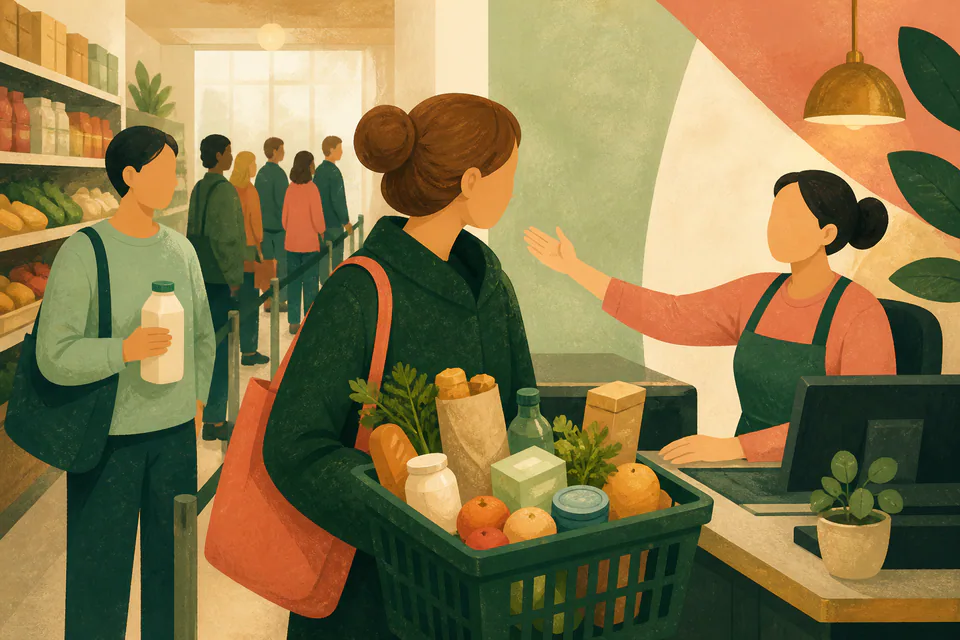
The sign says twelve items and you have fourteen. Is the express lane still yours?

The regular checkout lines are long and the express lane is empty. You count fourteen small items, two over the posted limit. A shopper approaches behind you carrying a single carton of milk as the cashier waves you forward.

Are small rules optional when enforcing them would seem fussier than breaking them?

Explore this quandary