Listen through the publisher, then discuss the episode here or arrange an in-person Roundtable. Your city determines where to meet.
Roundtables are designed for groups of four, with a shared subject and room for everyone to speak. Come for discussion, with no dating expectation.
Job cuts have come for Qantas - and artificial intelligence is being blamed. In an all-staff email Qantas Group CEO Vanessa Hudson described the decision to cut hundreds of jobs "hard news for some" - and that the national carrier is modernising aging technology systems. Is this simply another round of corporate outsourcing - or are we getting an early look at how AI is going to reshape white-collar work across Australia as a whole? Carrington Clarke and ABC's Chief Business Correspondent Ian Verrender break it all down on ABC Business Daily. Got a burning business question? We'd love to hear your questions!
Episode information is provided by the publisher. Listening takes place on the publisher’s service.
Is the property downturn shifting from city to city, or are national headlines hiding what is happening on the ground? On this week's Australian Property Podcast, Pete Wargent and Chris Bates look at changing listings, buyer demand and price movements across Australia's housing markets. If you're considering a first home, an upgrade or an investment property, this episode offers questions to ask before acting. Check current lending and tax rules, and seek qualified personal advice rather than treating a podcast discussion as a recommendation. Episode resources Show partner resources Rask resources – Pete's Buyers Agency (https://www.allenwargent.com.au/) – All services (https://bit.ly/R-services) – Financial Planning (https://bit.ly/R-plan) – Invest with us (https://bit.ly/R-invest) – Access Show Notes (https://bit.ly/R-notes) – Ask a question (https://bit.ly/R-quest) – We love feedback! (https://raskau.typeform.com/to/ZbfHy6IP) – Instagram: @rask.invest (https://www.instagram.com/rask
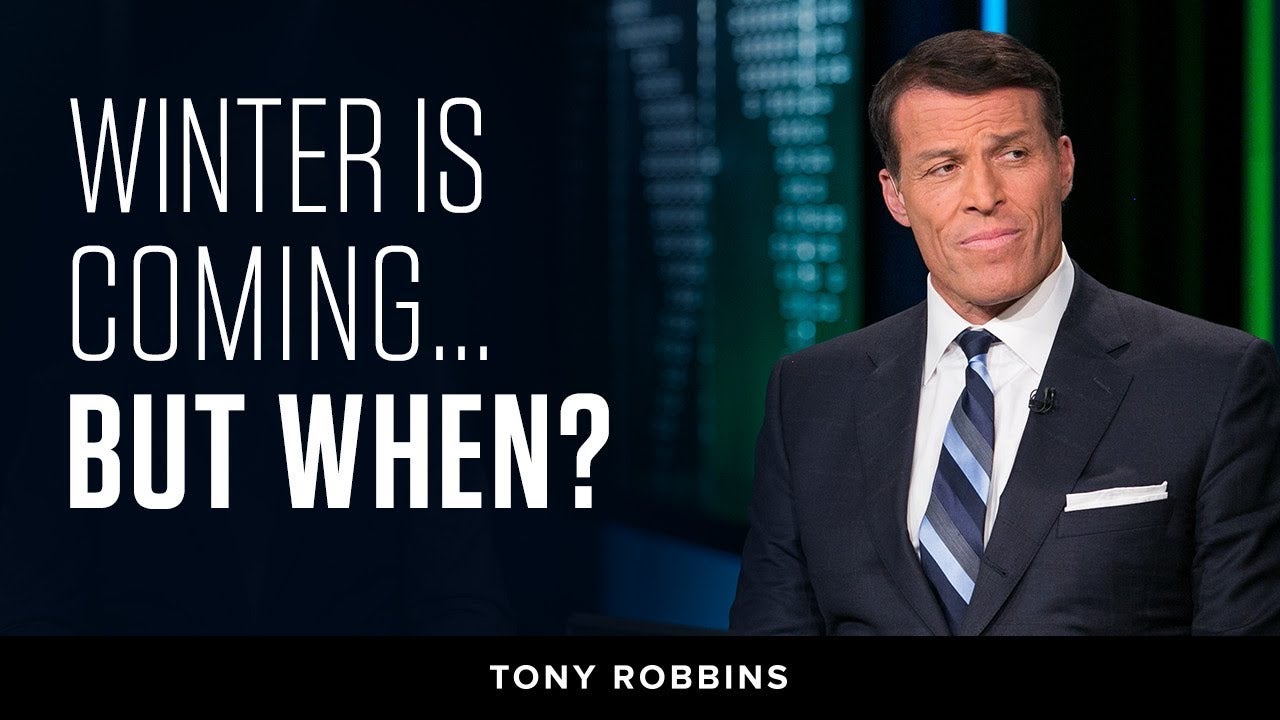
Like the predictability of cold winter storms that show up year after year, market corrections and crashes will continue to rear their ugly heads. We’ve all suffered losses, or know someone who has; maybe it was when the tech bubble burst in the late 1990s, when the stock market plunged in 2001, or when the housing market crashed in 2008. Those kinds of losses can shake you to your core. So just how does one achieve financial security and peace of mind in this new era of volatility? Uploaded 22-08-19 In the first episode of The Unshakeable Podcast, the world’s leading life and business strategist Tony Robbins and his co-author Peter Mallouk (ranked #1 financial advisor by Barron’s for three years in a row) remove the anxiety of an upcoming economic winter. They discuss the facts and myths surrounding bear markets, why they make us so fearful, and how to not only prepare but even profit when the market dips — all of which are key concepts straight out of their new book, Unshakeable. Wri
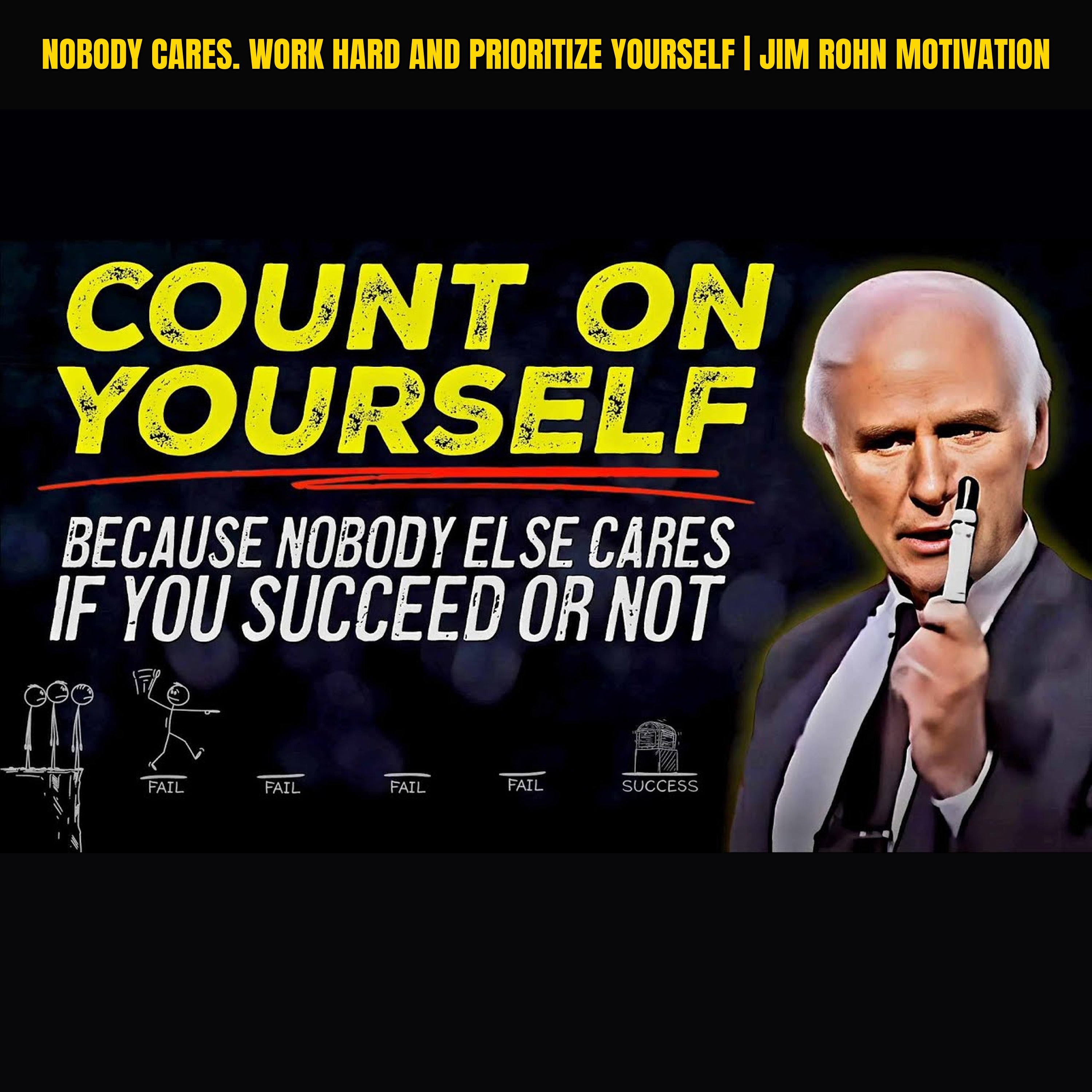
#JimRohnMotivation #JimRohn #JimRohnSpeech In this Jim Rohn Motivation video, you will learn a powerful truth: nobody cares about your excuses, struggles, or setbacks. And that’s a good thing. Because once you accept that success is entirely in your hands, you stop waiting, stop complaining, and start working. This speech will shift your mindset, helping you break free from seeking approval and focus solely on your own progress.Key Topics From This Motivational Video: - Why nobody is coming to save you—and why that’s empowering - The dangers of seeking validation and external approval - How winners stay focused and work in silence - The mindset shift that turns obstacles into opportunities - Why hard work and discipline are the only paths to success Most people waste their lives waiting for someone to notice them, give them a break, or validate their potential. But the truth is, the world only cares about results. In this speech, Jim Rohn explains why the only way to achieve greatness
My guest today is Hayden Field, The Verge’s senior AI reporter, and we’re discussing the Anthropic IPO for our third and final episode in our series about AI in real life. The numbers are gigantic, but not really that important. The real story is what happens now — and whether Anthropic can continue to thread the needle of caring about and investing in AI safety while also being a public company beholden to shareholders. So you’ll hear Hayden and I dive into this tension, and what to make of Anthropic’s unique corporate governance structure in the wake of the Jensen Huang saga. Read the full interview transcript on The Verge. (https://www.theverge.com/e/1038701) Links: With biggest IPO of all time, Anthropic’s ‘good guy’ reputation is on the line | The Verge (https://www.theverge.com/ai-artificial-intelligence/1037459/anthropic-ipo-safe-ai-reputation-power-structure) Anthropic starts trading on Wall Street | The Verge (https://www.theverge.com/ai-artificial-intelligence/1035384/anthrop
Hey everybody, Tom Bilyeu here. On today’s episode of Impact Theory, we’re taking on a topic that’s got the whole world holding its breath: the escalating crisis between the United States and Iran. As tensions ratchet up, we’re asking the tough questions—how did we get stuck in this “escalation trap,” and what does it mean for America’s global leverage, our economy, and our very sense of security? The conversation focused on why the traditional idea of “strategy” might be failing policymakers, using powerful analogies—like chess versus roulette—to show how doubling down in conflict can spiral out of control. We’ll break down the risks of tactical “wins” that create even bigger crises, the real leverage Iran holds with control of the Strait of Hormuz, and the mounting pressure on President Trump as political support erodes and legacy hangs in the balance. A key theme that emerged is what happens when military might runs into decentralized opposition, and why high-stakes gambles—like the
Microsoft systems down. Air traffic systems down. Problems at Chase, United and Apple. After a week of outages across big systems, the AI conspiracy theories are in full swing. CrowdStrike founder and CEO George Kurtz joins Rapid Response to explain what’s actually going on. Kurtz describes how AI agents can turn a patch into a working exploit within an hour, why the old pyramid of hacktivists, criminals, and nation states has collapsed, and how CEOs are now taking services offline rather than risk being hacked. He also discusses CrowdStrike’s new AI Kill Switch, why slowing down the frontier labs won’t slow down the attackers, and what endurance racing has taught him about risk and speed. Visit the Rapid Response website here:https://www.rapidresponseshow.com/
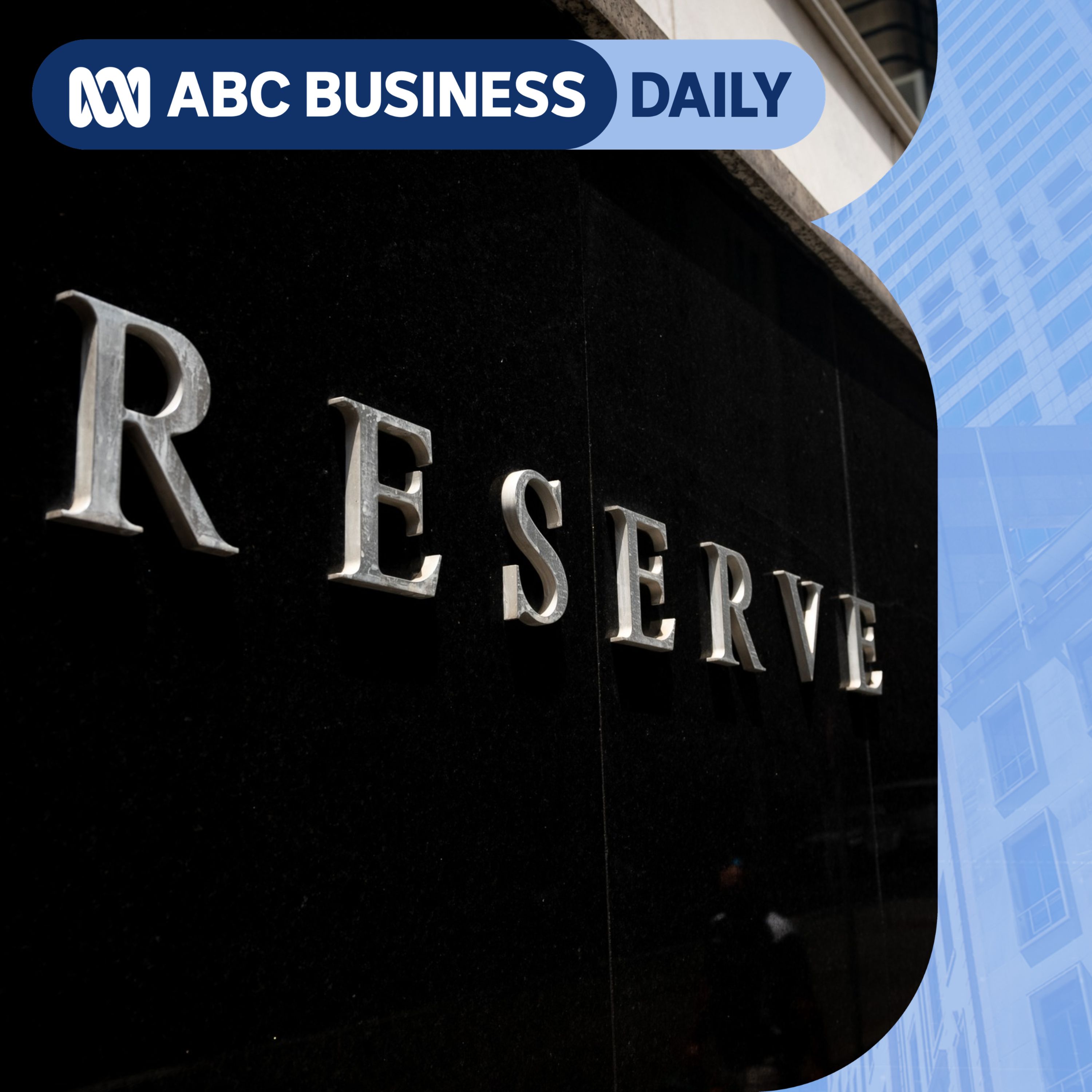
Between rising inflation, a weakening labour market, and ongoing war in the Middle East keeping energy costs high, it's a difficult time for the Australian economy. The Reserve Bank's answer to these economic woes has been to hike interest rates fives times in 2026. It's a blunt tool — and an unpopular one among mortgage holders. But are interest rate rises our best bet to fix the economy? Warwick McKibbin sat on the RBA board from 2001 to 2011, and he worked at the bank for decades. He knows what it's like to be in the room making the call on interest rates — and he's also dealt with the fallout of leaked information about those decisions. He sat down with Carrington Clarke on ABC Business Daily to talk inflation, rate rises, and how much the public should know about RBA members' opinions. Got a burning business question? We'd love to hear your questions!
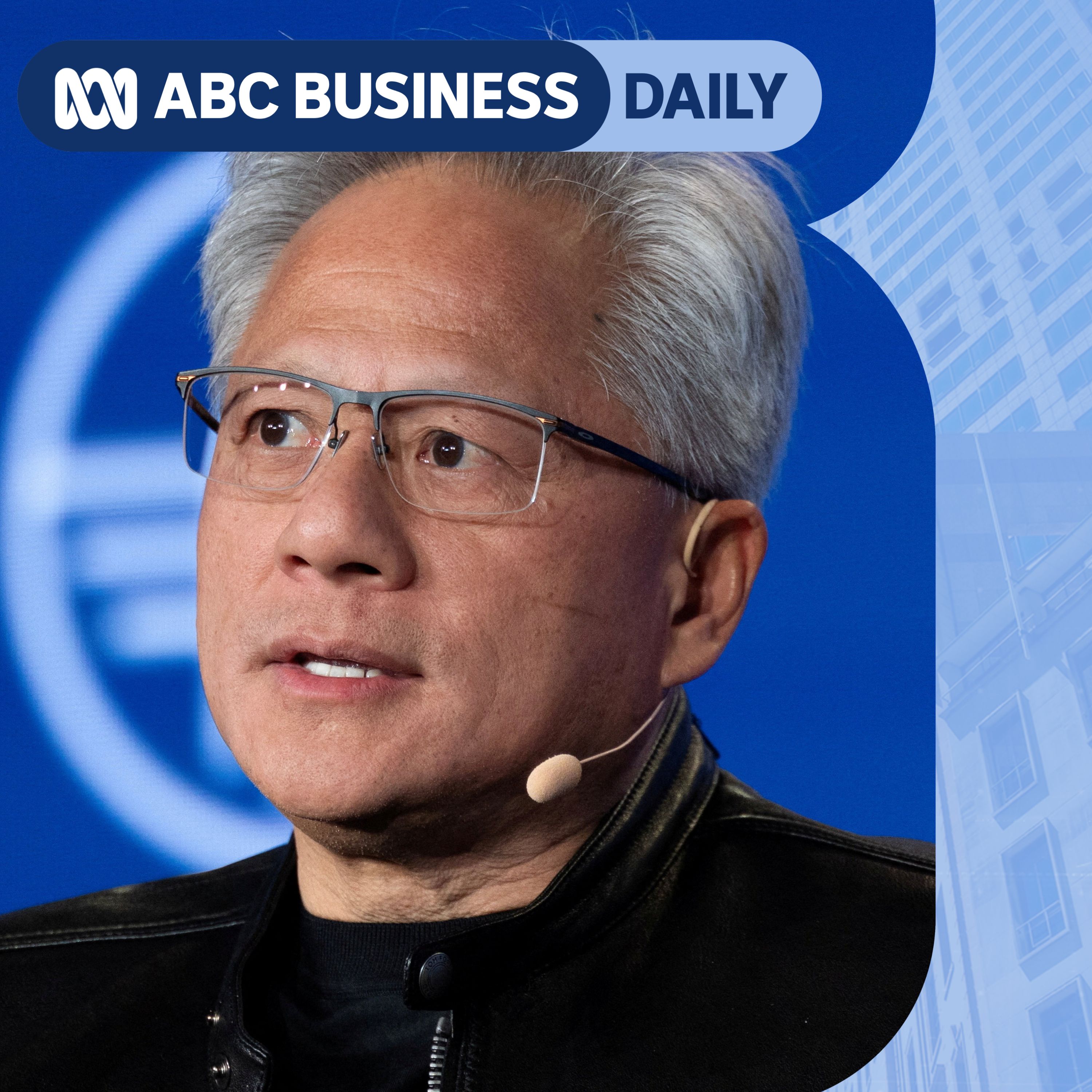
Jensen Huang helped turn Nvidia into one of the world’s most valuable companies. Now, a scandal involving his personal life has forced him out and raised a bigger question - what happens when one person becomes almost as important as the company itself? From Elon Musk to Dario Amodei, does the rise of the celebrity CEO create a business risk of its own? Plus, Anthropic is preparing for the biggest IPO in history - a major test for an AI trade already looking shaky. And back home, Australia’s unemployment rate has jumped to 4.9 per cent, with 43,500 jobs lost in October - potentially changing the calculus for whether the Reserve Bank needs to raise rates again. Lin Lin and CEO of technology research and advisory firm Futurum Group, Daniel Newman, break it all down on ABC Business Daily. Note: Futurum Group is advisor to Nvidia and Daniel Newman personally hold shares in NVIDIA. Got a burning business question? We'd love to hear your questions!
Another day, another Australian company moving jobs offshore. This time it’s Bunnings, which says the AI revolution is part of the reason behind its latest restructure. But while businesses are pouring money into AI, where are the productivity gains? And if we don’t like Australian jobs being moved offshore, what - if anything - should government do about it? And speaking of government intervention, Treasurer Jim Chalmers wants to change the rules governing almost $5 trillion in Australians’ super. Does the idea stack up? Carrington Clarke and Independent Economist Saul Eslake break it all down on ABC Business Daily. Got a burning business question? We'd love to hear your questions!
Anonymous sources are justified when naming them would prevent important public-interest reporting.
Share your view, then see how readers voted. No sign-in required. This poll is shared across stories.
Do you agree or disagree?
Common Quandary
A Common Quandary to discuss
Another conversation to explore, separate from this news story.
You ignore a friend's message all day while posting online. Do you owe them an explanation?
A friend sends a message that deserves a thoughtful answer. You lack the energy to respond, but spend the day posting jokes and photos. They can see that you are active and eventually ask whether something is wrong.
Does being visibly online create an obligation to be available?