AI Is Making Legacy Government Systems a Bigger Risk. Here's Why.
6 min
Listen through the publisher, then discuss the episode here or arrange an in-person Roundtable. Your city determines where to meet.
Roundtables are designed for groups of four, with a shared subject and room for everyone to speak. Come for discussion, with no dating expectation.
Federal agencies have spent years deciding when and how to replace outdated applications. Matt Calkins says artificial intelligence is making those decisions more urgent. During an interview with Francis Rose at Appian Government 2026, Calkins, CEO and Co-Founder of Appian, explains how emerging AI capabilities are changing both the risks of maintaining legacy systems and the opportunities available through modernization. He argues that agencies face an unusual combination of circumstances: the cost of keeping older applications is increasing while the cost of replacing them is decreasing. "This is an extraordinary opportunity to change your legacy applications into something new and modern and future-proof," Calkins says.
Episode information is provided by the publisher. Listening takes place on the publisher’s service.
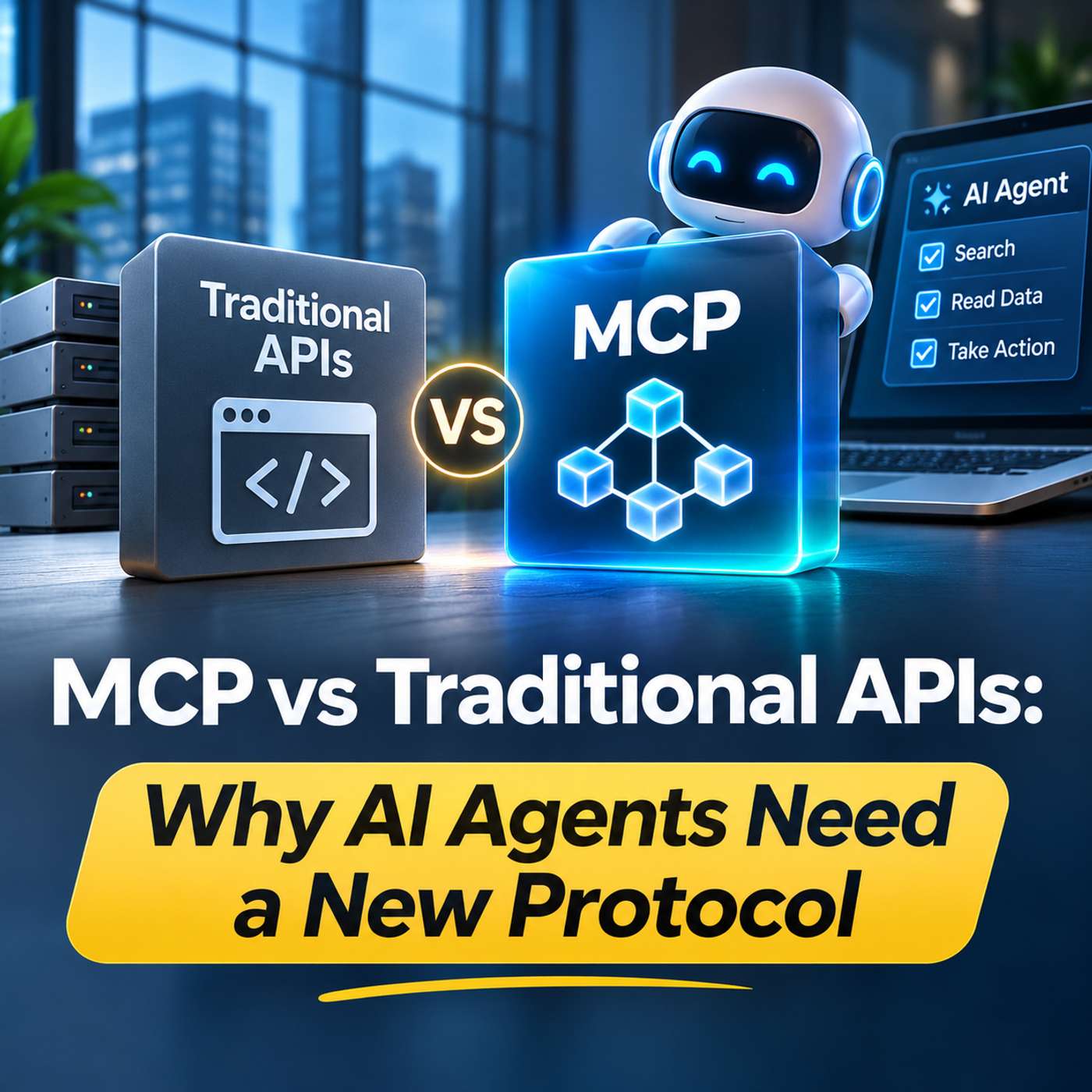
What if your AI application could connect to databases, process refunds, manage Kubernetes clusters, and communicate with enterprise tools without requiring weeks of custom integration code? In this episode of TechDaily.ai, host David and AI expert Sophia explore Model Context Protocol (MCP), a new approach to connecting AI models with external tools, APIs, and enterprise systems. Discover why traditional API integrations create major challenges for AI developers and how MCP is changing the way intelligent applications access data, discover tools, and execute complex workflows. Imagine building an AI-powered customer support assistant that needs to retrieve orders from PostgreSQL, search thousands of products through Elasticsearch, process Stripe refunds, and send Slack notifications. Traditionally, each integration requires custom authentication, error handling, and API-specific code. Switching between AI models like Claude, GPT-4, and Gemini only adds to the complexity. MCP offers a
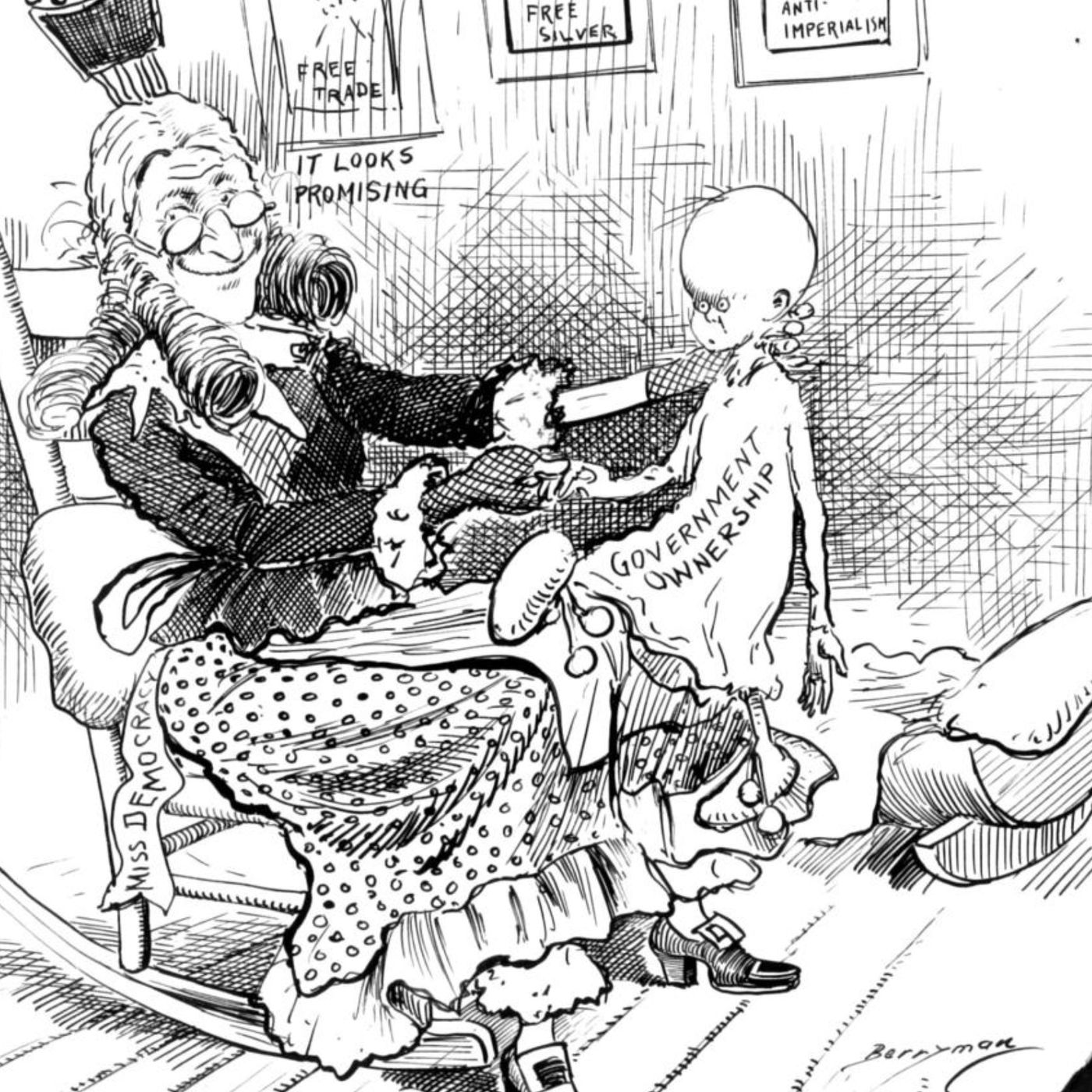
APRIL 26, 1905 WASHINGTON POST Episode Overview: The conversations explore multiple global and domestic intersections, focusing heavily on international conflicts such as the recent Ukrainian drone strikes against Russian vessels off the coast of Libya. They also examine the lingering historical legacies of European colonialism and independence movements across Asia during World War II, alongside the geopolitical implications of Russia's expanding influence in North Africa. Domestically, the conversation analyzes the aftermath of a recent wave election that severely impacted the Republican Party, drawing strategic parallels to past midterm upsets. Finally, the discussions tackle the volatile technology sector, highlighting the dramatic reinstatement of Nvidia CEO Jensen Huang, the mounting political and environmental opposition to sprawling data centers, and the intricate intersection of government intervention and the artificial intelligence market.I changed "Jensen Wong" to Jensen Hu
AI companion apps are becoming more popular with Australian kids, and a new investigation raises serious questions about whether they're safe. Some children using these apps have ended up in conversations about self-harm and sex, and there are concerns their private data is being harvested and sold. The federal government is now moving to regulate these platforms, but parents say change can't come soon enough.
Hundreds of thousands of people have attended Tony Robbins programs, but there’s an event that only takes place once a year in the States, where 2,500 people from all over the world come to Florida to experience one of his most intimate and intensive seminars — Date with Destiny. Uploaded 25-07-19 It’s six days of total immersion, and the people who take that journey discover who they are, what drives them, and their ultimate purpose, and they dive deep into how they interact and relate with others. In short, this is the place where they deal with the hard stuff. And with thousands of people in a room, digging into their pasts, envisioning their future, you name it – you can imagine how emotionally charged the room gets, and how personal of an experience Date with Destiny is. So it’s not hard to understand why Tony never allowed cameras in to document the event. But that all changed when he met acclaimed documentary filmmaker, Joe Berlinger. Tony and Joe were first introduced to each o
Nvidia’s leather jacketed founder Jensen Huang is back to a raucous reception at the company’s HQ and in markets across the world. On the news of his reinstatement, nearly a trillion dollars was added to the company's value and almost 3 trillion dollars to global stock markets, before stocks plummeted a day later. Donald Trump has boasted that it was him who pressured the board of the chip company to secure Huang’s return - despite the founder’s affair with a Chinese spy. Trump says his rapid resurrection is because the company’s too important for America's economic future. But now the market is going in reverse amid backlash to the president’s interventions. So what is going on and what does it say about the state of the global economic system? On this episode of the Fourcast, Helia Ebrahimi is joined by German economist Isabella Weber, whose new book Anti-fascist Economics calls for more government intervention in the face of the cost of living crisis and Julian Jessop, an independen
On Monday, Nvidia announced (https://nvidianews.nvidia.com/news/nvidia-board-reinstates-jensen-huang-as-president-ceo-and-board-director?ref=readtangle.com) that it had reinstated Jensen Huang as president and CEO, effective immediately. The company’s board of directors said it had voted unanimously to bring Huang back following a series of meetings over the weekend. The board also said it had received input from “senior levels of the U.S. government,” and President Donald Trump told (https://www.cnbc.com/2026/11/23/trump-nvidia-jensen-huang.html?ref=readtangle.com) CNBC that he had spoken directly to the board ahead of its decision. Black Friday Deal! Steepest discount we've ever done. The Great Salt Lake debate. In early 2023, a group of scientists reported that the Great Salt Lake would suffer ecological collapse within five years if its water level continued its rate of decline. It would be a catastrophe of epic proportions, devastating the local environment and economy while poten
The U.S. Army Corps of Engineers is taking on more than two decades of legacy data infrastructure, and Walton Cheung says the organization is approaching the challenge with an aggressive modernization strategy. During an interview on Fed Gov Today with Francis Rose, Cheung, Command Chief Data and Analytics Officer at the U.S. Army Corps of Engineers, explains how Castle VUE is helping the Corps consolidate information, improve visibility across its operations, and provide commanders with more reliable data. For Cheung, the initiative represents an opportunity to rethink how information moves throughout the organization. "For the first time in the Corps' history, we're going to modernize all those silos of excellence onto the Army platform," Cheung says.
Federal Open Season gives employees an opportunity to evaluate their health insurance, compare benefits, and make decisions that affect their families' financial security. But Shane Canfield, CEO of WAEPA, says many federal employees overlook one of the most important parts of the process: reviewing whether their existing coverage still meets their needs. During an interview on Fed Gov Today with Francis Rose, Canfield explains why Open Season should be more than an automatic renewal of benefits. With health care costs continuing to rise, he says taking time to compare available options can make a meaningful difference.
The Army generates enormous amounts of data every day, but Lt. Gen. Jeth Rey, Deputy Chief of Staff, G-6, U.S. Army, says the biggest challenge is not collecting more information. It is managing the data the military already has and making it accessible to the people who need it. During an interview on Fed Gov Today, Rey explains how the Army is moving toward a data-centric environment that connects information across military operations, strengthens cybersecurity, and helps commanders make informed decisions. “The Army and I think the Department of War has a data management problem. We don't have a data problem,” Rey says. That distinction shapes the message he brings to the AFCEA Data Forum, taking place November 19-20 in Old Town Alexandria. You can register here: https://www.afcea.org/events/annual-data-forum
Paid endorsements should be clearly distinguished from independent recommendations.
Share your view, then see how readers voted. No sign-in required. This poll is shared across stories.
Do you agree or disagree?
Common Quandary
A Common Quandary to discuss
Another conversation to explore, separate from this news story.
Your roommate's partner sleeps over six nights a week. Are they now a roommate?
Your roommate's partner stays almost every night, showers daily, and keeps food in the kitchen. They are pleasant and spend weekends elsewhere, but pay no rent or utilities. The lease limits overnight guests.
When does welcome presence become an obligation to contribute?