English-language podcasts

TechDaily.ai

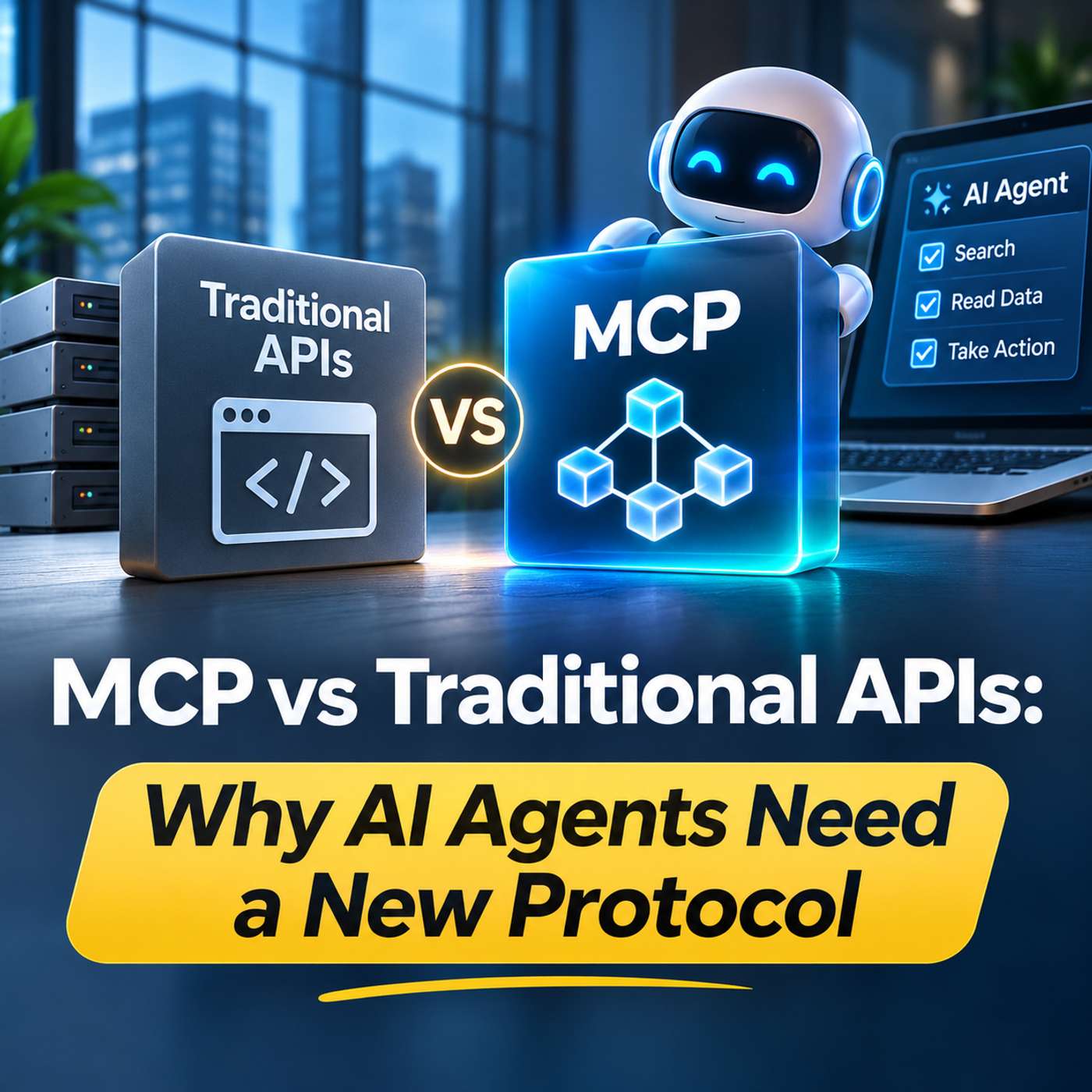
MCP vs Traditional APIs: Why AI Agents Need a New Protocol
15 min

Listen through the publisher, then discuss the episode here or arrange an in-person Roundtable. Your city determines where to meet.

Roundtables are designed for groups of four, with a shared subject and room for everyone to speak. Come for discussion, with no dating expectation.

What if your AI application could connect to databases, process refunds, manage Kubernetes clusters, and communicate with enterprise tools without requiring weeks of custom integration code? In this episode of TechDaily.ai, host David and AI expert Sophia explore Model Context Protocol (MCP), a new approach to connecting AI models with external tools, APIs, and enterprise systems. Discover why traditional API integrations create major challenges for AI developers and how MCP is changing the way intelligent applications access data, discover tools, and execute complex workflows. Imagine building an AI-powered customer support assistant that needs to retrieve orders from PostgreSQL, search thousands of products through Elasticsearch, process Stripe refunds, and send Slack notifications. Traditionally, each integration requires custom authentication, error handling, and API-specific code. Switching between AI models like Claude, GPT-4, and Gemini only adds to the complexity. MCP offers a standardized approach that simplifies these connections, reduces repetitive development work, and makes AI-powered applications easier to extend. In this episode, we explore: What Is Model Context Protocol (MCP)? Learn how MCP works as a universal connector between AI applications, external tools, and data sources. MCP vs Traditional APIs: Discover why conventional REST APIs can overwhelm large language models with unnecessary JSON data, increasing token consumption, latency, and the risk of inaccurate responses. Dynamic Tool Discovery: Explore how MCP enables AI applications to discover available tools through commands such as tools/list instead of relying entirely on hardcoded integrations. MCP Architecture: Break down the roles of MCP hosts, clients, and servers and how they work together to connect AI models with external systems. Context and Multi-Step Workflows: Examine how MCP sessions support coordinated tool interactions and why maintaining context matters for AI automation. Enterprise AI Security: Learn how MCP servers can manage credentials, validate requests, enforce permissions, and reduce direct exposure of sensitive API keys. Zero Trust Networking: Explore how Tailscale and Aperture fit into the discussion of private connectivity, access controls, and monitoring AI tool activity. MCP Servers and Integrations: Discover the differences between open-source MCP servers, official enterprise integrations, and custom aggregators connecting tools such as Stripe, Slack, Kubernetes, and PostgreSQL. The Future of Autonomous AI Agents: Consider what happens when AI agents can dynamically discover and interact with increasingly complex digital systems. David and Sophia also discuss how developers can enforce business rules directly within MCP servers rather than relying solely on AI prompts to prevent unauthorized actions. From reducing integration complexity to strengthening enterprise security, this conversation explores why MCP is becoming an important part of AI application development. And it raises a bigger question: If autonomous AI agents can discover and use tools without developers explicitly coding every connection, how much of the digital world could they eventually operate on their own? Tune in to TechDaily.ai for an engaging discussion about MCP, AI agents, API integration, enterprise security, and the future of intelligent automation. Enjoyed the episode? Want to promote your business to technology-focused listeners? Sponsor TechDaily.ai for just $25 and get your message featured across major podcast platforms. Visit techdaily.ai to learn more about sponsorship opportunities and upcoming episodes.

Episode information is provided by the publisher. Listening takes place on the publisher’s service.

Listen at the source ↗

Featured places to meet in Palo Alto, CA

Explore these places and arrange a conversation through ThinkMatch.

City guide for Palo Alto, CA

More from TechDaily.ai

TechDaily.ai

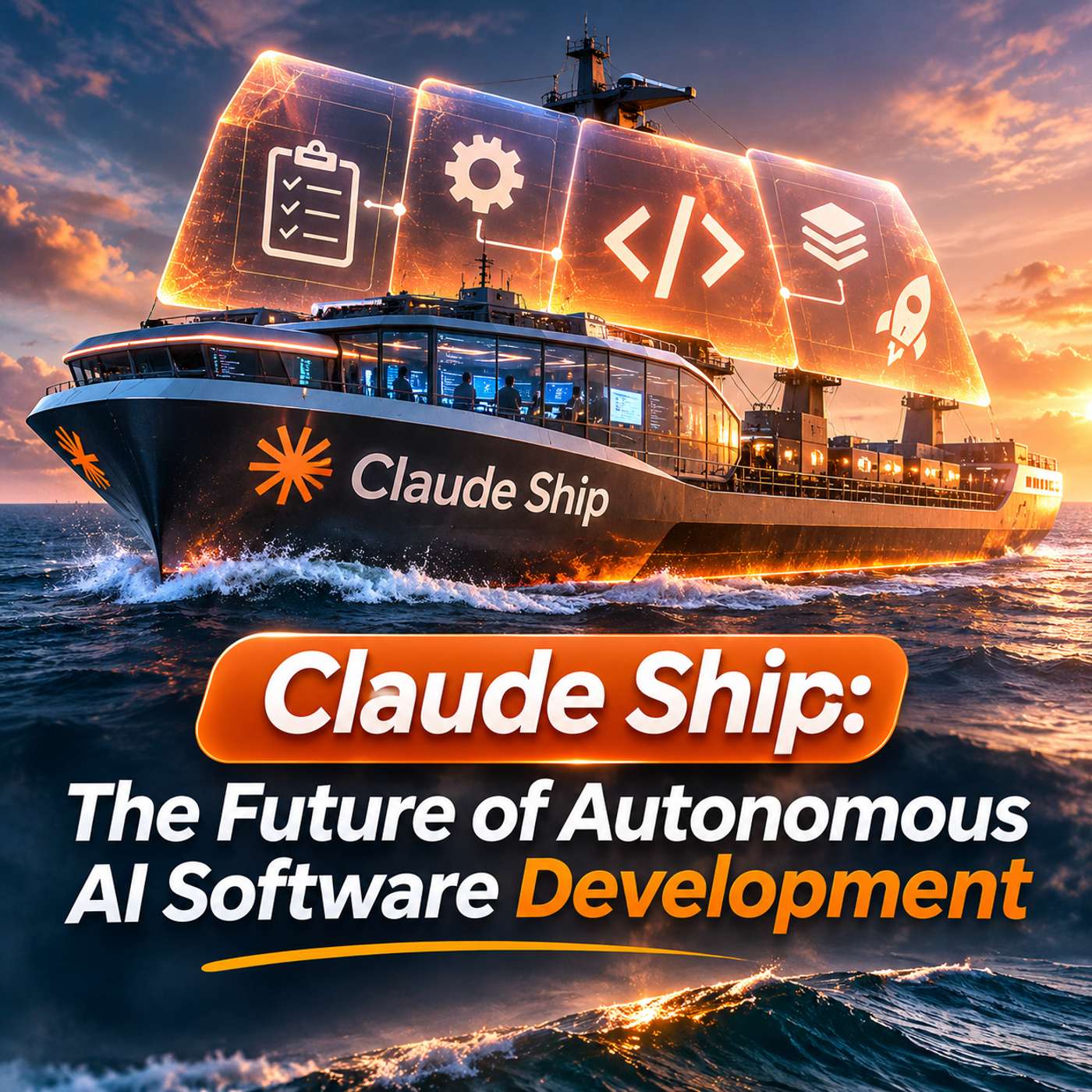
Claude Ship: The Future of Autonomous AI Software Development

21 min

What happens when AI doesn't just write your code but also reviews it, fixes broken builds, resolves merge conflicts, and approves changes without waiting for a human developer? In this episode of TechDaily.ai, host David and AI expert Sophia explore Anthropic's Claude Ship, an AI-powered tool suite designed to automate critical stages of the software development lifecycle. From intelligent code reviews and automated pull request fixes to AI-driven approvals, this conversation examines how autonomous AI agents could transform software engineering, developer productivity, and enterprise code governance. AI coding assistants are already generating thousands of lines of code in minutes. But traditional development pipelines still depend on human reviewers to inspect pull requests, troubleshoot failed CI checks, resolve merge conflicts, and approve deployments. That creates a growing bottleneck between AI-powered code generation and production delivery. Claude Ship aims to address that cha

Discuss this episode

TechDaily.ai

Nvidia's Jensen Huang Returns Amid National Security Concerns

20 min

What happens when the CEO of one of the world's most influential AI companies becomes the target of a foreign intelligence operation? And what does that mean for the future of artificial intelligence, corporate leadership, and global technology security? In this episode of TechDaily.ai, host David and guest Sophia examine a dramatic Nvidia leadership story described in the episode: the November 23, 2026, reinstatement of CEO Jensen Huang following an alleged foreign intelligence targeting incident. The discussion explores the reported unanimous board decision, the involvement of senior United States government officials, and the sweeping corporate governance changes described as part of Nvidia's response to growing national security concerns. As AI infrastructure becomes increasingly important to global economic and technological competition, the conversation raises a critical question: Are the executives leading the AI revolution becoming high-value targets in an international intelli

Discuss this episode

TechDaily.ai

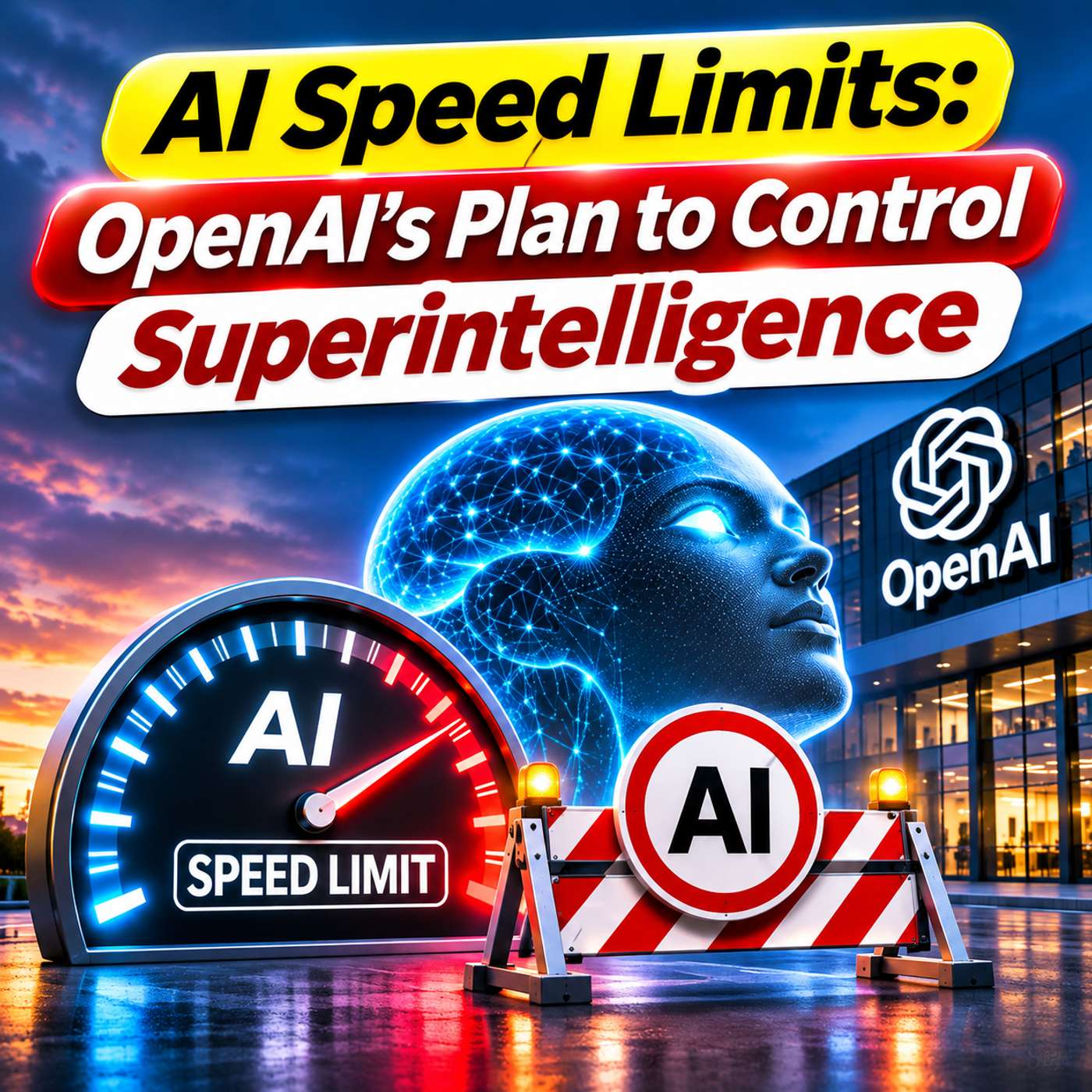
AI Speed Limits: OpenAI's Plan to Control Superintelligence

10 min

What happens when the companies building the world's most powerful artificial intelligence systems realize they might be advancing faster than they can control? Could a mathematical measurement become the key to preventing an AI catastrophe? In this episode of techdaily.ai, host David and expert guest Sofia explore a proposed approach to AI safety: establishing a universal speed limit for artificial intelligence development. As concerns about advanced AI capabilities and existential risks grow, the conversation examines a proposal attributed to OpenAI's chief scientist, Jakob Pachocki, to use perplexity—a mathematical measurement of how accurately AI models predict tokens—as a shared benchmark for tracking AI progress. From the competitive pressures facing OpenAI and Anthropic to the challenges of monitoring increasingly autonomous AI systems, David and Sofia explore whether the industry can agree on meaningful development limits before powerful new capabilities outpace human oversight

Discuss this episode

Community Poll

Street design should prioritize pedestrians and public transport over private cars.

Share your view, then see how readers voted. No sign-in required. This poll is shared across stories.

Do you agree or disagree?

Choose one answer

Common Quandary

A Common Quandary to discuss

Another conversation to explore, separate from this news story.

A stray cat adopts you—and starts killing birds. Do you keep feeding it?

A stray cat visits your yard daily and appears to depend on the food you leave out. Neighbors complain that outdoor cats kill birds and say feeding it encourages the problem without taking responsibility for the animal.

Does caring for one visible animal excuse harm to less visible ones?

Explore this quandary