Listen through the publisher, then discuss the episode here or arrange an in-person Roundtable. Your city determines where to meet.
Roundtables are designed for groups of four, with a shared subject and room for everyone to speak. Come for discussion, with no dating expectation.
Robots and algorithms are getting good at jobs like building cars, writing articles, translating -- jobs that once required a human. So what will we humans do for work? Andrew McAfee walks through recent labor data to say: We ain't seen nothing yet. But then he steps back to look at big history, and comes up with a surprising and even thrilling view of what comes next. (Filmed at TEDxBoston.) Uploaded 29-08-13 Talk by Andrew McAfee.
Episode information is provided by the publisher. Listening takes place on the publisher’s service.
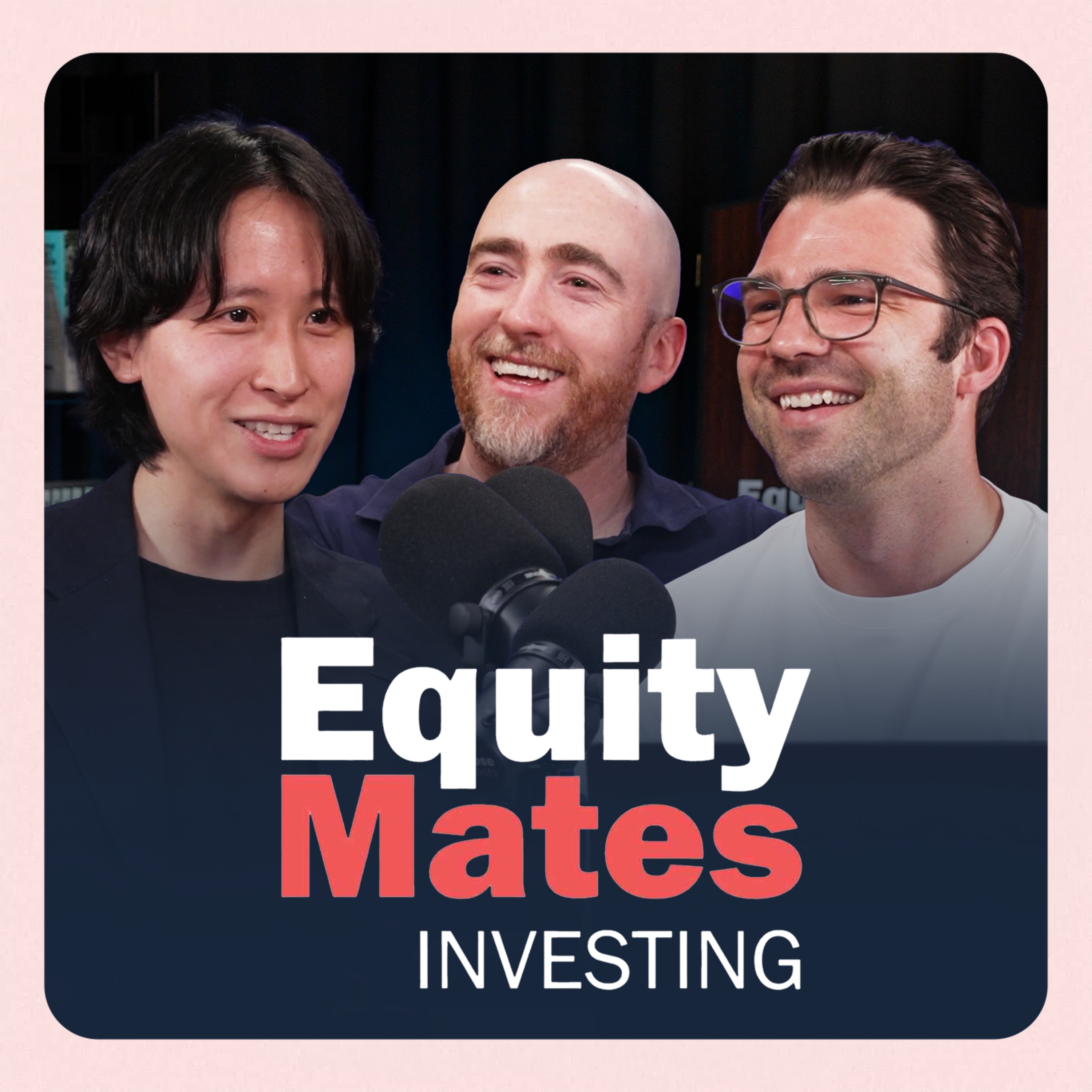
AI has dominated the headlines, but the bigger story might be happening in hardware. Bryce and Ren sat down in New York with Andrew Kang, CEO of RoboStrategy, who argues robot intelligence is now where AI was in 2022. With physical work making up roughly half the world's labour, they unpack why specialised robots will arrive before humanoids in your home, how the US and China really compare, and what it means to invest in a theme that is still mostly privately held. In this episode: 00:00:00 Are Robots The Next Trillion-Dollar Investment Opportunity? 00:02:48 Inside The Robotics Revolution At Figure AI 00:04:19 Why Robotics Is Where AI Was In 2022 00:07:51 How Big Could The Robotics Industry Become? 00:09:42 Where Robots Are Already Being Used Today 00:11:37 Why Specialised Robots Could Win First 00:14:22 Who Is Winning The Robotics Race: US Or China? 00:16:54 Why Robots Could Cost Just $2 An Hour 00:19:31 How Andrew Picks The Next Robotics Winners 00:24:33 The Company Powering America
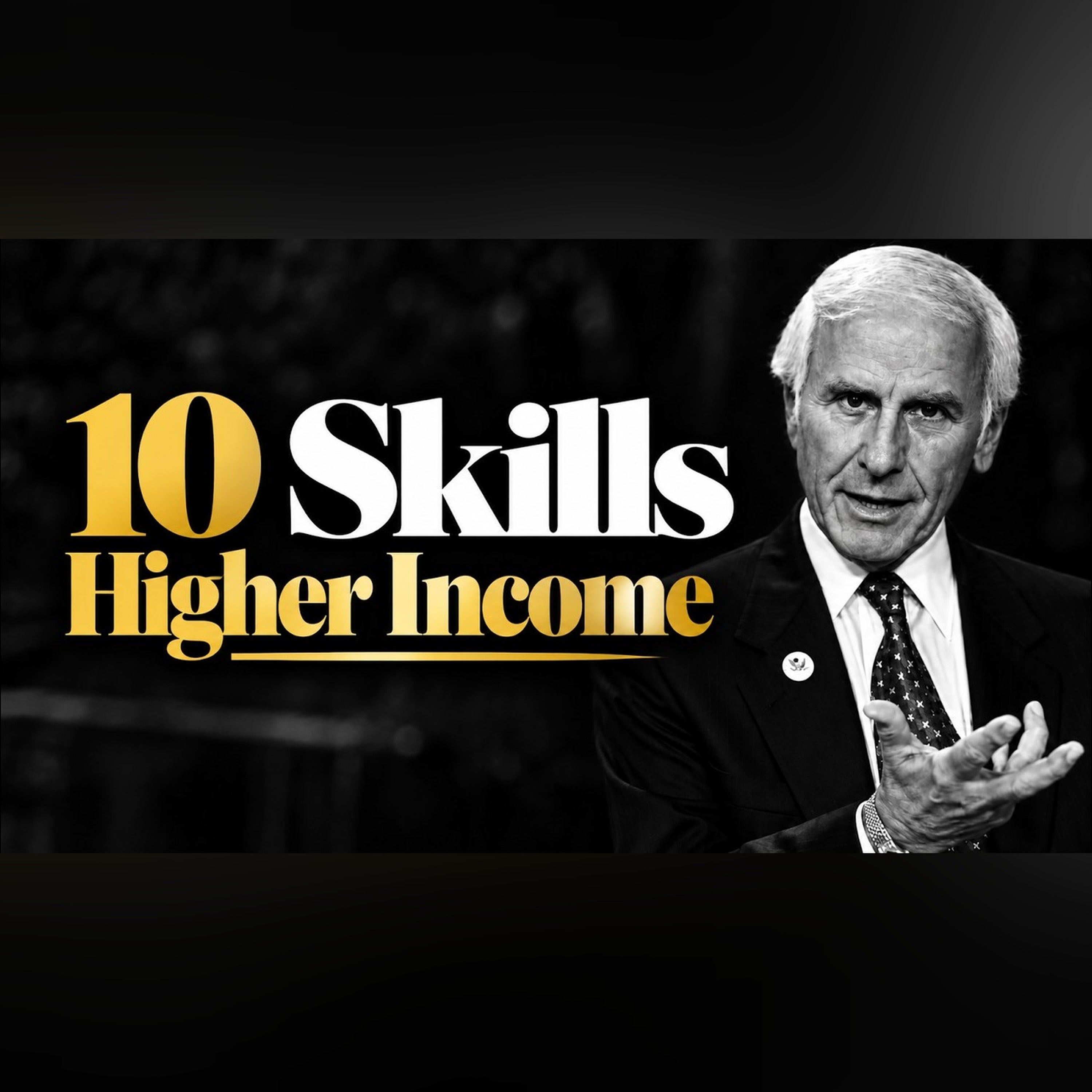
How do I make more money? Ask it that way and you go looking for a better job, a side hustle, a lucky break, some clever trick to shortcut the whole thing. But that was never the real question. Uploaded 20-10-26 The real question is a different one entirely. What would I have to become in order to be worth more? Because your income, in the long run, is not an accident. It is not luck. It is a payment, and a payment is always in exchange for value. Here is the truth: the marketplace does not pay you for your time or your needs or how hard you are trying. It pays you for the value you bring, and that value is determined almost entirely by the skills you have developed. This seminar walks through ten skills you must develop to change your income — not ten jobs, not ten industries, but the skills underneath the skills that make you valuable no matter what you do. CHAPTERS 0:00 Intro — the real question about money 3:09 #1 — Selling 5:36 #2 — Communication 7:58 #3 — Managing Yourself 10:56
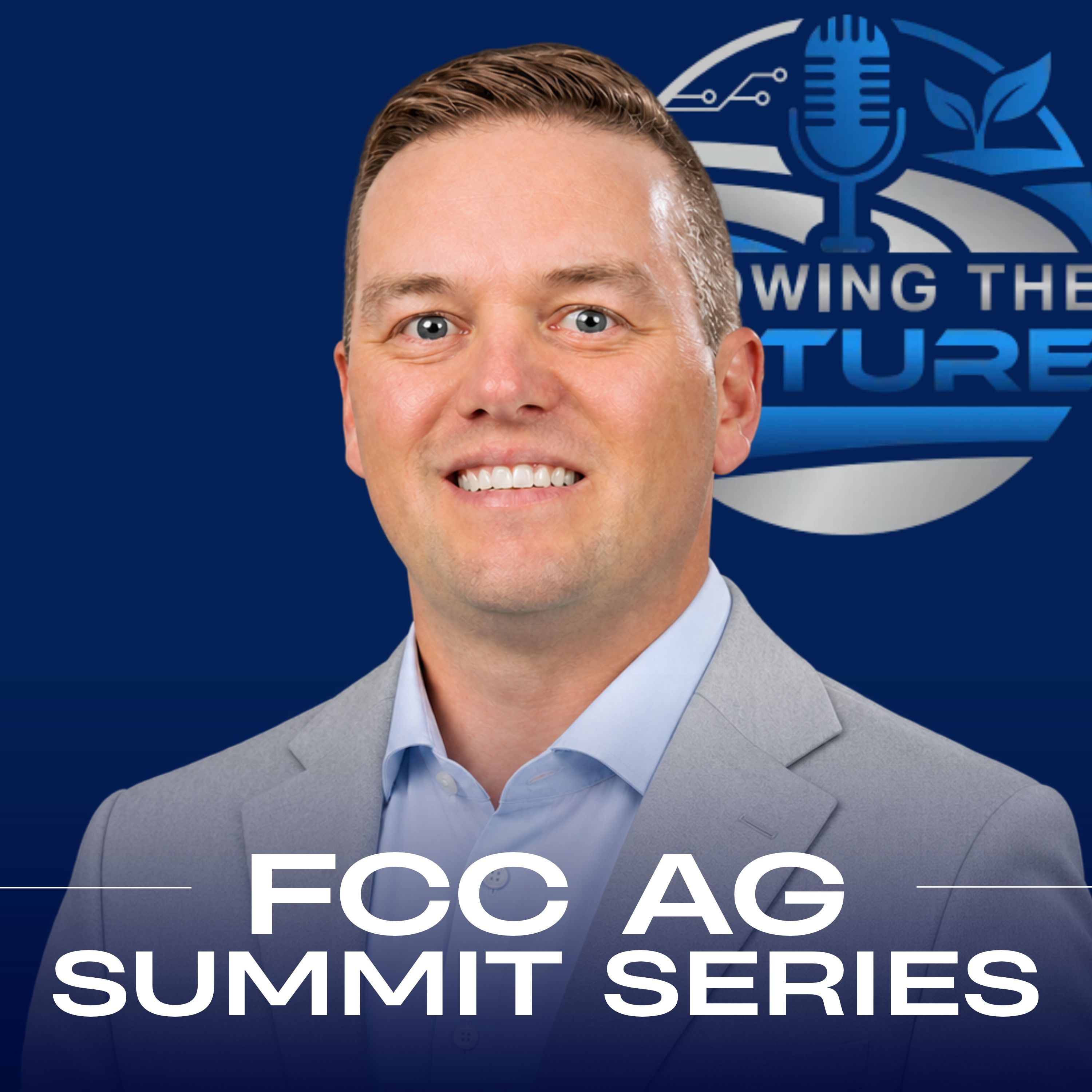
Farm Credit Canada has committed $2 billion to innovation in Canadian agriculture and food. Dan Aberhart asks Colin Brisebois what that means for a producer, and Colin starts with where the strategy came from. About three and a half years ago FCC listened to customers and the industry, and built a plan around being bold and putting more back into the people it serves. The biggest piece is transition. An estimated $50 billion of assets need to change hands over the next ten years. Colin describes how FCC's business advisors work with farm families, why the momentum from a good conversation often does not turn into a written plan, and how FCC wants to add an accountability partner so the plan gets built and executed. He also covers capital for ag tech and testing new technology on working acres, so that adoption carries less risk for a producer. The last part is secondary processing and why more of it in Canada means jobs in rural communities. The conversation also looks at FCC's Ag Summ
A.I. for Reducing Screen Time: Taking Back Some of Your Day, a practical, beginner-friendly look at how artificial intelligence can help you take back some of your day without feeling deprived. Reducing Screen Time? Press play on Episode 430 of A.I. for Beginners and learn exactly how artificial intelligence, especially ChatGPT, alongside Opal, can help you take back some of your day without feeling deprived. WHAT YOU WILL LEARN IN THIS EPISODE - Why reducing screen time is so hard to handle alone, and what is actually going on underneath it - A specific way to use Opal to work through it, step by step - An example prompt you can copy word for word: "Help me look at my screen time report and spot where most of my time is actually going" - A second practical technique, with another ready-to-use prompt: "Give me a realistic daily screen time goal and a plan to actually hit it" WHO THIS EPISODE IS FOR - Anyone currently working on reducing screen time - Anyone curious about using ChatGPT
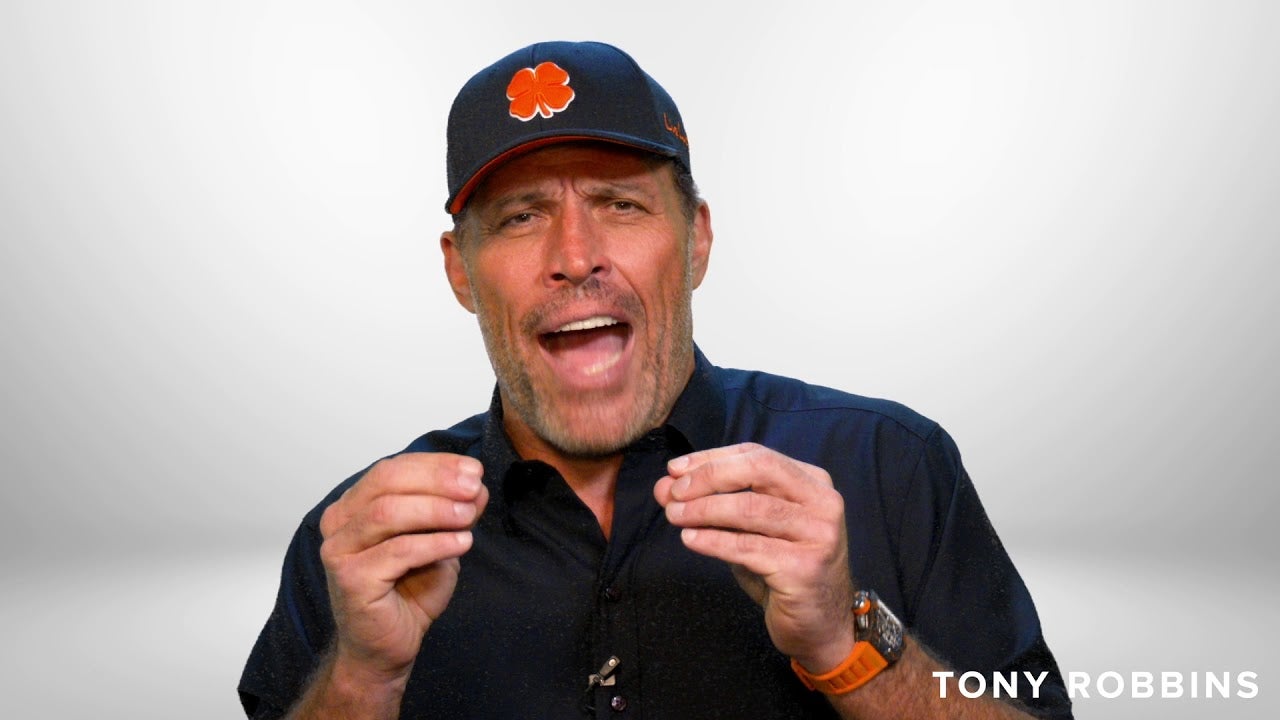
Every year in January, millions of people write their New Year’s resolutions, committing to what they are going to change in the coming year. For nearly half, these resolutions are related to health, such as weight loss and fitness. Yet 80% of New Year’s resolutions will fail by February. Uploaded 08-01-20 To be successful, your resolution needs three things: a desired outcome, smart strategy and focused action. So many of us fail because we are missing the middle piece – smart strategy – and we opt for blindly taking action, like starting a crash diet or blasting out your resume. The good news? You can avoid this trap and beat the odds this year – just use Tony’s strategy for success: Get clear on your desired outcome, know your purpose, take massive action, notice your results, and change your approach. Your 2020 vision starts here: https://core.tonyrobbins.com/new-years Learn how to create a Massive Action Plan with Tony's innovative and easy-to-use life vision and productivity plan
PBS Member Stations rely on viewers like you. To support your local station, go to: http://to.pbs.org/DonateSPACE ↓ More info below ↓ Uploaded 08-07-20 Sign Up on Patreon to get access to the Space Time Discord! Check out the Space Time Merch Store Sign up for the mailing list to get episode notifications and hear special announcements! The most precious substance in our universe is not gold, nor oil. It’s not even printer ink. It’s antimatter. But it’s worth every penny of it’s very high cost, because it may hold the answer to the question of why anything exists in our universe at all. Hosted by Matt O'Dowd Written by Katie McCormick and Matt O'Dowd Graphics by Leonardo Scholzer, Yago Ballarini, and Pedro Osinski Directed by: Andrew Kornhaber Camera Operator: Bahaar Gholipour Executive Producers: Eric Brown and Andrew Kornhaber End Credits Music by J.R.S. Schattenberg: https://www.youtube.com/channel/UCRl6-nb4iOnsij-vnpAjp0Q Special Thanks to Our Patreon Supporters Big Bang Supporters
Your mobile phone, computer and game console have a bloody past — tied to tantalum mining, which funds the war in the Democratic Republic of the Congo. Drawing on his personal story, activist and refugee Bandi Mbubi gives a stirring call to action. (Filmed at TEDxExeter.) Uploaded 29-08-13 Talk by Bandi Mbubi.
Explore the depths of Lake Cadagno, a meromictic lake that is considered a model for Earth before the Great Oxidation Event. -- In the millions of years since oxygen began saturating Earth’s oceans and atmosphere, most organisms have evolved to rely on this gas. However, there are some places where oxygen-averse microorganisms like those from Earth’s earliest days have re-emerged. And one such place is hidden high in the Swiss Alp’s Piora Valley. Nicola Storelli and Daniele Zanzi dive into the depths of Lake Cadagno. Lesson by Nicola Storelli and Daniele Zanzi, directed by Ivana Volda, Thomas Johnson Volda. A special thanks to Francesco Di Nezio, Bruno Giussani, Raffaele Peduzzi, Sandro Peduzzi, Samuele Roman, and Mauro Tonolla who provided information and insights for the development of this video. Support Our Non-Profit Mission ---------------------------------------------- Support us on Patreon: http://bit.ly/TEDEdPatreon Check out our merch: http://bit.ly/TEDEDShop ----------------
View full lesson: http://ed.ted.com/lessons/particles-and-waves-the-central-mystery-of-quantum-mechanics-chad-orzel Uploaded 15-09-14 One of the most amazing facts in physics is that everything in the universe, from light to electrons to atoms, behaves like both a particle and a wave at the same time. But how did physicists arrive at this mind-boggling conclusion? Chad Orzel recounts the string of scientists who built on each other’s discoveries to arrive at this ‘central mystery’ of quantum mechanics. Lesson by Chad Orzel, animation by Joana Bartolomeu.
Officials should investigate credible environmental concerns before harm is conclusively proven.
Share your view, then see how readers voted. No sign-in required. This poll is shared across stories.
Do you agree or disagree?
Common Quandary
A Common Quandary to discuss
Another conversation to explore, separate from this news story.
The night before the wedding, your friend admits serious doubts. Do you tell their partner?
On the night before a wedding, your closest friend says they are unsure they should marry but insists it is ordinary panic. They make you promise secrecy and plan to proceed. Their partner asks you directly whether everything is okay.
When does loyalty require breaking a confidence before an irreversible choice?