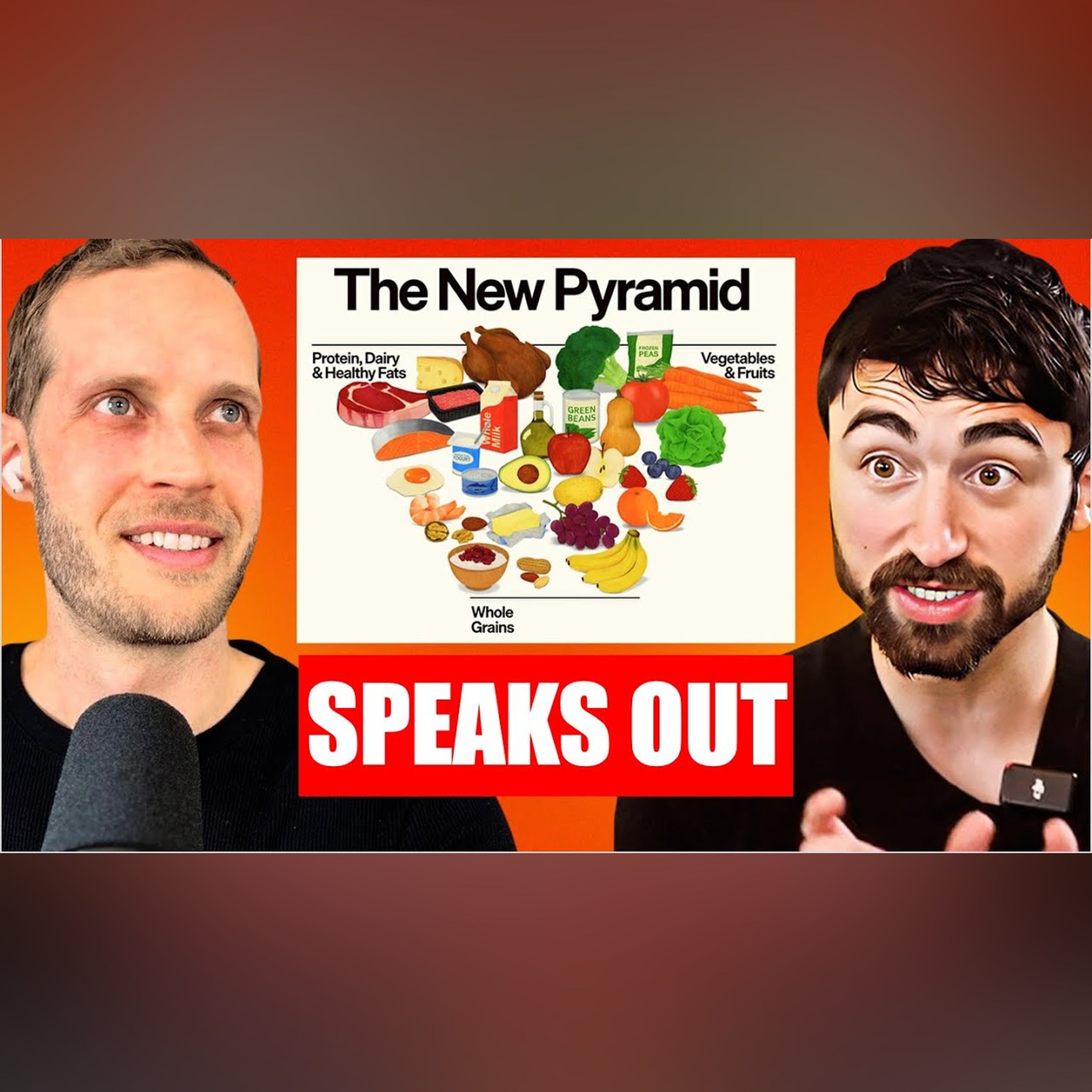
Are Vegans Sexier? The Science of Food and Attraction | Dr. Matt Nagra
38 min
Listen through the publisher, then discuss the episode here or arrange an in-person Roundtable. Your city determines where to meet.
Roundtables are designed for groups of four, with a shared subject and room for everyone to speak. Come for discussion, with no dating expectation.
Can eating more plants give your skin a glow—and change how attractive you are? Dr. Matt Nagra joins Chuck Carroll to unpack the research behind the "vegans are sexier" headlines. Nagra, a Vancouver-based naturopathic doctor and co-author of research on vegan attractiveness, explains three connections between diet and perceived attractiveness: skin coloration, body odor, and body composition. Find out why carrots, sweet potatoes, tomatoes, and peppers enter the conversation; garlic's surprising effects; and why carbohydrate quality matters more than simply fearing carbs. You will learn: Carotenoids and the science behind the "glow" How researchers test whether diet changes body odor Meat intake, sweat, and the limits of the evidence The surprising garlic findings Plant-forward eating versus a vegan label Body composition without assuming thinner always means better Why beans, fruit, and whole grains belong in the carbohydrate conversation How quickly some changes may appear Matt's research updates on carnivore diets, collagen, and cancer survivorship Reversing Diabetes Watch Party Join host Chuck and Dr. Barnard, Dr. The event benefits the Physicians Committee. Watch Party Tickets Vegan Attractiveness Study Dr. Matthew Nagra https://drmatthewnagra.com (https://drmatthewnagra.com/) - About Us -
Episode information is provided by the publisher. Listening takes place on the publisher’s service.
For a written digest on the guidelines, see the StayCurious Metabolism Letter: https://staycuriousmetabolism.substack.com/p/the-new-dietary-guidelines-actually?r=40ekz2 The 2025–2030 Dietary Guidelines are being marketed as a major reset with a simple message: put “real food” back at the center of the American diet. And in a lot of ways, they do represent progress. But when you actually read what’s written, some of the most important details raise real questions. For example, the document still states that saturated fat should not exceed 10% of total daily calories. To separate signal from spin, I’m joined by Dr. Ty Beal PhD, who worked on the evidence review side of the Guidelines process, to explain what the scientific background documents actually say, what happens after scientists submit reviews, and why the final public-facing document can end up with compromises, inconsistencies, or imprecise terminology. If you want a clear, good-faith breakdown—what’s genuinely better, what sti
A kiss can be wonderful. It can create an instant connection, spark romance, or make you feel closer to someone. But a kiss can also have the opposite effect — and sometimes ruin everything. So what makes kissing so powerful, and why can one kiss make such a difference? There's some fascinating science behind it. https://www.scientificamerican.com/article/why-we-kiss/ We spend an enormous amount of time worrying about what's going to change. What's next? What's coming? How do we prepare? But what if we're paying attention to the wrong things? Some of the most important forces shaping our lives never change, and understanding them may be far more valuable than trying to predict the future — something humans are notoriously bad at. Morgan Housel, partner at The Collaborative Fund and author of Same as Ever: A Guide to What Never Changes (https://amzn.to/3SwWn6u) (https://amzn.to/3SwWn6u)), joins me to explain why the things that stay the same may be the most important things to understan
In Part 2 of my conversation with manifestation researcher, coach and bestselling author Matt Cooke, we explore destiny, reincarnation and the nature of consciousness. Matt explains why the quality of our consciousness shapes how we experience life and why we do not manifest what we want - we manifest who we are being. We also discuss our relationship with money, becoming conscious of limiting beliefs and the importance of rehearsing who we are becoming by thinking, feeling, acting and behaving like the person already living the life we want to create. Matt also shares the practices he believes are non-negotiable for manifestation. Visit Matt's Instagram (https://www.instagram.com/mattcookecoach/) Matt's Website (https://www.mattcooke.me/) Beyond Wanting - Matt's Book (https://www.amazon.ie/Beyond-Wanting-Art-True-Manifestation/dp/059385330X) Follow The Beyond Podcast here (https://www.instagram.com/beyondpodcast333/). Join The Beyond Community here (https://the-beyond.mn.co/landing/).
Glycine is an amino acid that helps build collagen and is involved in regulating inflammation, and researchers are exploring its role in healthy aging, yet your body may produce less of it as you get older Modern diets often lack glycine-rich connective tissues, such as bones, tendons and cartilage, making grass fed beef bone broth, gelatin and collagen-rich cuts of meat valuable additions to your meals Animal studies described by biochemist Joel Brind, Ph.D., found that glycine supplementation extended lifespan in rats and mice by approximately 10% to 15%, although researchers have yet to establish whether it produces similar benefits in humans In a small, three-month placebo-controlled trial of 74 adults with Type 2 diabetes, those given glycine had significantly lower HbA1c and reduced inflammatory markers compared with placebo, although larger studies are needed Research suggests glycine may help your body release heat and lower its core temperature before sleep, while collagen-ric
Keto Fiber, Did you know that Fiber is not Essential? A common cause of “Falling off the Keto Wagon” or a Keto Plateau is the misconception about Keto Fiber and its necessity in your diet. Has your doctor told you, you need more Fiber? That can be an issue on the Keto Diet as with Fiber comes Carbs. Keto Fiber can be avoided completely, this video will teach you why. Like and Share if you Enjoy! Learn why “Fruit is Evil” in my blog here: https://bozmd.com/is-sugar-in-fruit-bad-for-your-health-why-fruit-is-evil/ Thanks for checking out the Dr Boz Channel. Tune in Sunday nights, 6PM Central Time to watch me Live! We are KETONES FOR LIFE. Improving your health - One ketone at a time. Dr Boz’s First ONLINE Course Consistently Keto: https://bozmd.com/shop WAYS TO SUPPORT THIS CHANNEL: Buy Dr Boz Products. Dr Boz K2+D3: https://amzn.to/31lIlqL (affiliate link) Dr Boz Ketones-In-A-Can: Raspberry Lemon: https://amzn.to/2GXLlSw Dutch Chocolate Sachets: https://amzn.to/30GfnmP (affiliate link) C
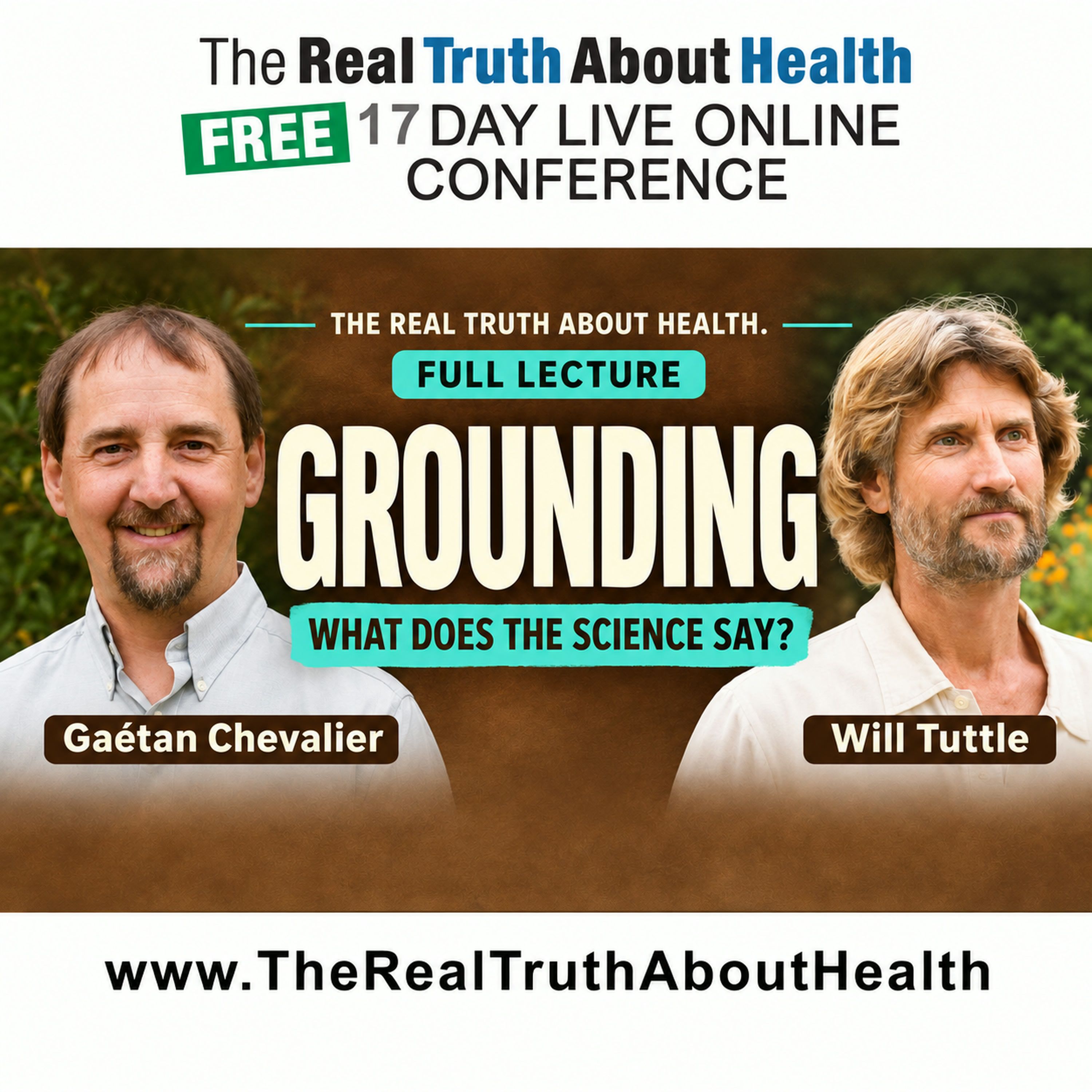
Grounding: What Does the Science Say About Potential Health Benefits? Gaétan Chevalier Ph.D. and Will Tuttle, Ph.D., explore the science and philosophy of grounding, including its potential effects on inflammation, stress, sleep, and overall wellbeing. Learn what current evidence suggests and how reconnecting with the earth may support health. #Grounding #Wellness #NaturalHealth
What can garlic, cinnamon, and ginger really do for your health? Dr. Michelle Loy opens the spice cabinet with ten picks and categories that bring more flavor to everyday plant-based meals. The New York-based integrative and lifestyle medicine physician joins Chuck Carroll on The Exam Room to explore herbs, spices, and practical ways to enjoy healthier food without building your routine around expensive supplements. Learn why Dr. Loy crushes garlic and lets it rest, how she uses cinnamon to add sweetness, and why cooking with an herb is different from taking a concentrated extract. The conversation explores the evidence, its limitations, and the importance of preparation and dose. Plus: smoked paprika for carrot dogs, an onion alternative Chuck is curious to try, dill popcorn, colorful herbal teas, and homemade spice blends that let you control the salt. DR. LOY'S TEN PICKS AND CATEGORIES Garlic Cinnamon Ginger, with discussion of turmeric and galangal Smoked paprika Onions, scallions,
Dr. Kerry Graff hoped the doctors in Forks Over Knives were wrong. Then she tried a whole food, plant-based diet herself—and says she lost 25 pounds in three months without feeling hungry. After 17 years in family practice, the experience changed how she understood her own health and how she helped her patients. Dr. Graff joins Chuck Carroll (https://www.chuckcarroll.com/) on The Exam Room to share her journey from skepticism to lifestyle medicine, including the changes she experienced in reflux, constipation, and mood. She also explains why helping someone change their diet means understanding their sleep, stress, relationships, and reasons for wanting to feel better. Today, she brings that personal, practical approach to her work with Lifestyle Telemedicine and as medical director of Rochester Lifestyle Medicine Institute. In this conversation: Why being vegetarian did not automatically mean she was eating well. How she evaluated the nutrition claims that challenged her medical train
Why can ultra-processed foods be so hard to stop eating? Kevin Hall, Ph.D. explains the surprising results of a brain-imaging study—and why they do NOT settle the debate about food addiction. The nutrition, metabolism, and obesity scientist joins Chuck Carroll to unpack research that challenged his own expectations. After participants consumed an ultra-processed milkshake high in fat and sugar, researchers did not detect the average increase in dopamine they anticipated under the study conditions. But Hall is clear: that does not prove food addiction is imaginary or that ultra-processed foods cannot drive overeating. For Chuck, who once weighed 420 pounds and ate as many as 10,000 calories of fast food and junk food a day, the findings raise deeply personal questions. In this conversation: What the 50-person milkshake study measured—and what it could not establish Why overeating and addiction are different research questions How calorie density and combinations of fat, sugar, and salt
Equipment rules should preserve fair competition even when they limit innovation.
Share your view, then see how readers voted. No sign-in required. This poll is shared across stories.
Do you agree or disagree?
Common Quandary
A Common Quandary to discuss
Another conversation to explore, separate from this news story.
The stadium can ban violent fans by scanning every face at the gate. Would you walk in?
A stadium can use facial recognition to identify people banned for violence and shorten security lines. Every visitor would be scanned, error rates are not zero, and the resulting biometric data could become useful to police or advertisers.
How much privacy may a crowd be asked to trade for collective safety?