Astrology Hype: What Can Your Horoscope Actually Say About You?
Listen through the publisher, then discuss the episode here or arrange an in-person Roundtable. Your city determines where to meet.
Roundtables are designed for groups of four, with a shared subject and room for everyone to speak. Come for discussion, with no dating expectation.
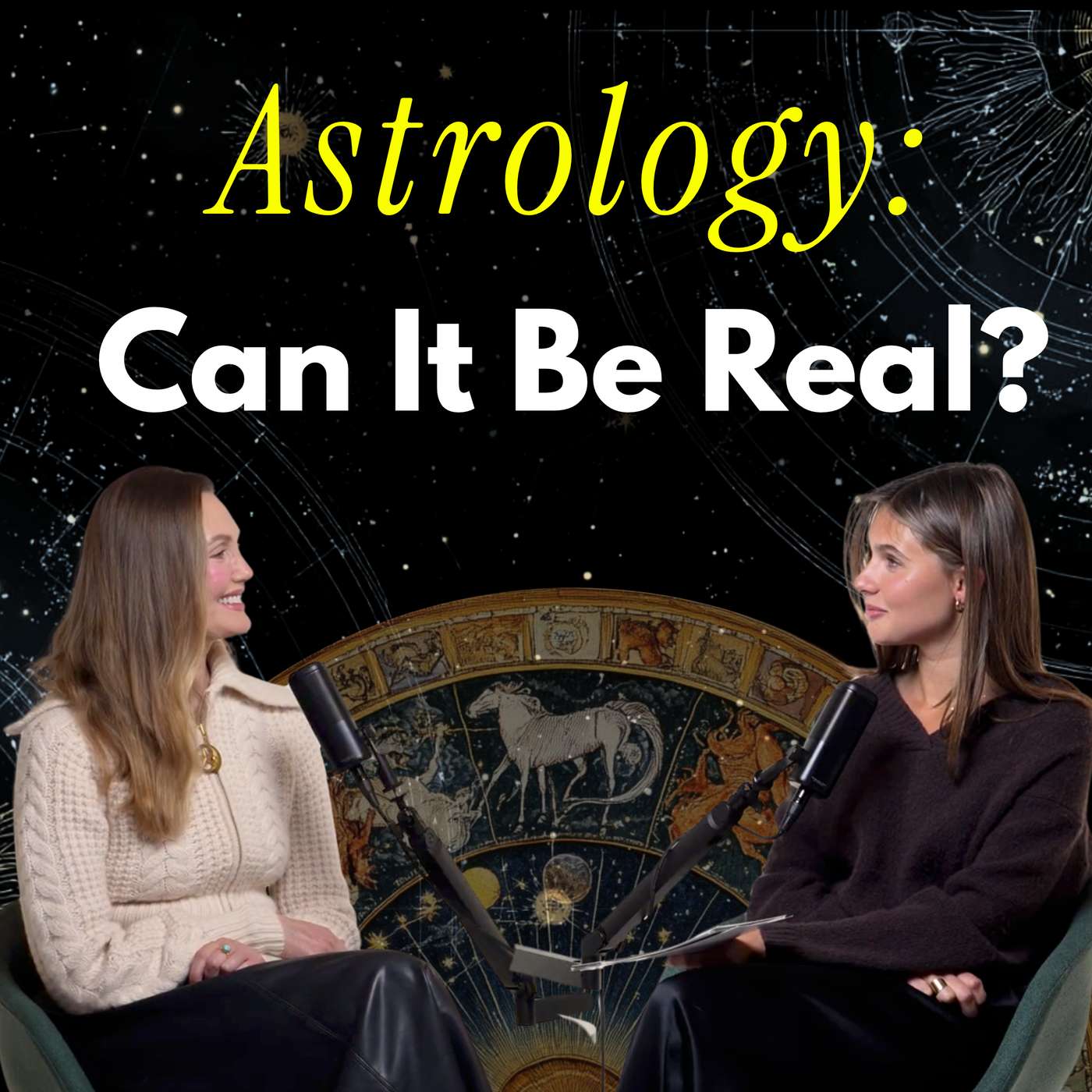
Is astrology just star signs and horoscope columns, or is there more to it? I sit down with astrologer Natasha Weber to find out what a birth chart actually shows and why your rising sign matters more than your sun sign, and I put a few of my own doubts to her along the way. Natasha Weber is an astrologer with over 25 years of experience, the resident astrologer on Channel 7’s national morning TV and a best-selling author. She practises Western astrology, working from calculations of where the planets sat at the exact time, date, and place of your birth. She reads the chart like a psychology session, drawing on the psychological astrology Carl Jung developed, and she believes you should stay sceptical until it resonates with you. In this episode, she explains: ■ The Biggest Myth: Astrology is far more than the 12 zodiac signs. A birth chart is a calculated snapshot of the sky, measured in degrees and minutes. ■ The Big Four: Your sun, moon and rising signs, plus the often-missed midheaven, each describe a different layer of who you are, from your core identity to your career. ■ The Horoscope Hack: Read the horoscope for your rising sign, not your sun sign, because it lines up more closely with your personal chart. ■ Mercury Retrograde, Decoded: It happens three to four times a year. It’s a time to review and reflect rather than freeze, though not ideal for signing contracts or buying new tech. ■ The Sceptic’s Questions: Why twins born minutes apart can live completely different lives, and why a personal reading is different from the generic horoscopes behind the Barnum effect. ■ Astrocartography: How mapping your birth chart onto the globe could point to where you’re more likely to find love. Follow Natasha Weber: Instagram - @astrotash 00:00 Intro 01:29 The Biggest Myth About Astrology 02:59 Where Does Astrology Come From? 05:03 When Did Astrology Start Making Predictions? 06:02 Western vs Vedic vs Chinese Astrology 07:48 Why Gen Z Is Turning To Astrology 10:28 What Is A Birth Chart? 12:44 Sun, Moon And Rising Signs Explained 14:41 Why Your Rising Sign Is Easier To Guess 15:54 Fire, Earth, Air And Water Signs 18:34 Should You Stay Sceptical? 19:37 Why Astrology Comes Down To Maths 21:16 Does Astrology Leave Room For Free Will? 22:51 Putting My Birth Chart To The Test 24:40 What Mercury Retrograde Really Means 33:37 Transits And The Jupiter Return 39:09 Where Does Chart Meaning Come From? 40:00 How To Choose A Good Astrologer 40:51 Which Star Sign Is The Most Jealous? 44:08 Why Aren’t Twins The Same? 48:31 What Sceptics Get Wrong 49:17 The Barnum Effect: Do Horoscopes Fit Everyone? 52:31 The Horoscope Hack: Read Your Rising Sign 53:56 The Real Benefits Of Astrology 55:40 Would An Astrologer Plan A Wedding By The Stars? 56:32 Astrocartography: Can Your Chart Pick Where You Live? 57:43 Checking Birth Charts Before A First Date 57:58 Would You Dump A Partner Over Star Signs? 59:51 Can Astrology Predict Hard Times? 01:01:35 Is History Repeating Itself? 01:03:37 What Humanity Can Learn From Astrology 01:04:15 Final Thoughts
Episode information is provided by the publisher. Listening takes place on the publisher’s service.
Listen at the source ↗