Fasting Expert: What Nobody Tells You About Fasting
Listen through the publisher, then discuss the episode here or arrange an in-person Roundtable. Your city determines where to meet.
Roundtables are designed for groups of four, with a shared subject and room for everyone to speak. Come for discussion, with no dating expectation.
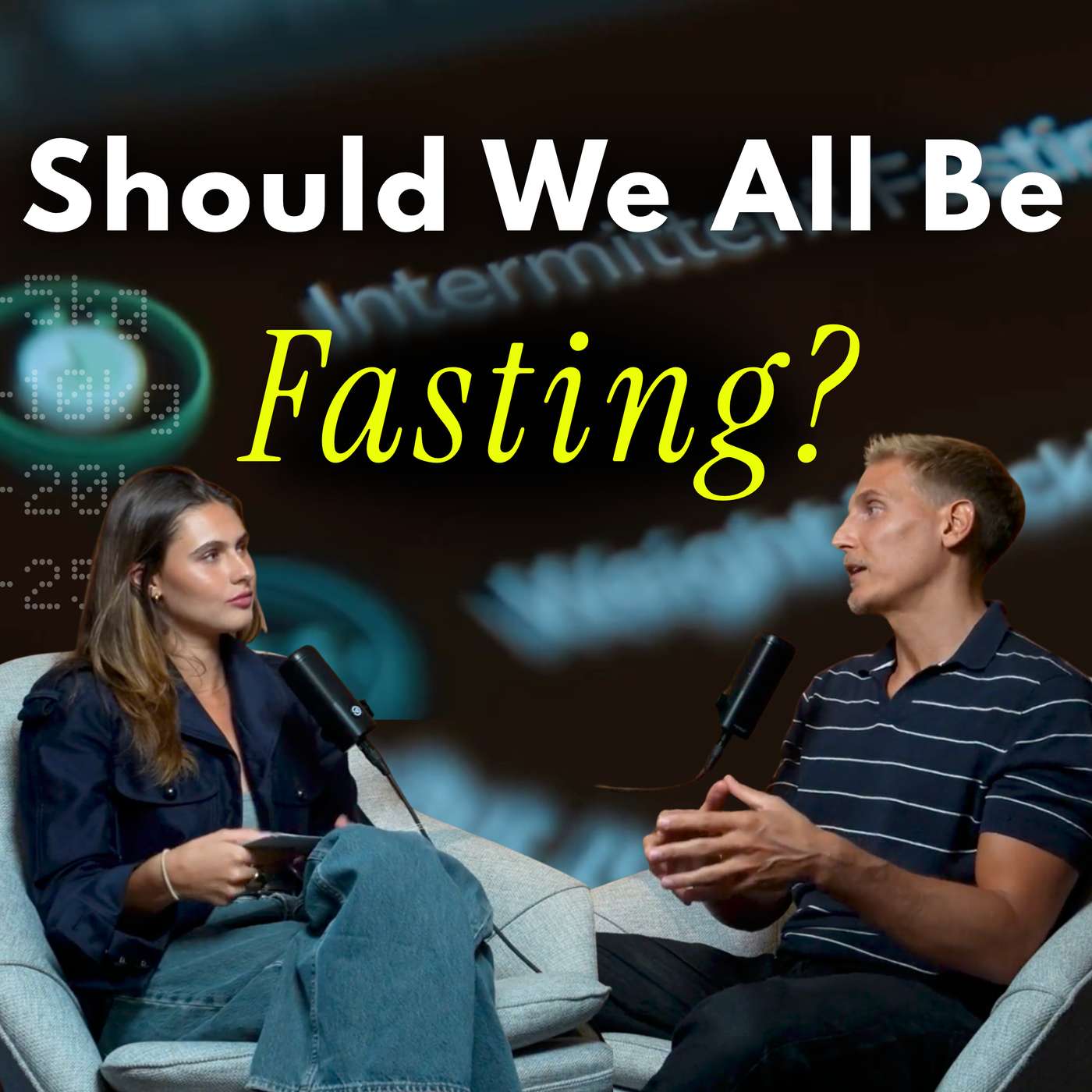
Fasting is everywhere, but most people get it wrong. A fasting coach explains why your body benefits from a break from food, and how to start, what to eat, and how to break a fast properly. Sinclair Fischer is a fasting coach who has spent the last 10 years guiding hundreds of people through fasts, most of them women. He was a young rugby player on the edge of going professional when a back injury stopped him in his tracks. After eight years of searching for answers, a 19-day water fast changed his relationship with his body and set him on a new path. He has since done multiple extended fasts himself, including a 40-day fast, and now shares what he’s learned from both the physical and the mental side. In this episode, he explains: ■ The Injury That Started It All: How a light deadlift ended his rugby career, why years of changing what he ate didn’t help, and why he started focusing on what the body gets rid of rather than what goes in. ■ What Happens When You Stop Eating: How the body shifts from digesting to using stored sugar, into ketosis, and why he says your body is already in a “fasted” state when you wake up. ■ Fasting Isn’t a Weight Loss Hack: Why intermittent fasting won’t work if you overeat in your eating window, and why he thinks the focus should be on rest and repair instead. ■ The Fast That Broke Him: The retreat where he had panic attacks alone in a room with no support, why it was his most important experience, and why your body needs to feel safe. ■ Who Shouldn’t Fast: Why fasting isn’t right for everyone, including anyone pregnant, breastfeeding or with a difficult relationship with food, and why guidance matters. ■ Simple Ways to Start: Missing a single meal, pushing your first meal later, eating earlier before bed, and why breaking a fast slowly matters as much as the fast itself. The views in this episode are the guest’s own and are not medical advice. Extended and water fasting should only be done under medical supervision. Speak to your doctor before changing your diet, especially if you have a health condition or take medication. If you’re struggling with food or eating, the Butterfly Foundation helpline is 1800 33 4673. 00:36 Intro 03:05 From Rugby Player to Fasting Coach 06:21 The 19-Day Fast That Changed Everything 11:09 Are Humans Built to Go Without Food? 13:41 Why So Many Religions Fast 17:41 The Different Types of Fasting 19:52 Calorie Restriction and Longevity 20:43 What Happens After You Eat 22:50 What Happens in the First 12 Hours of a Fast 24:27 Ketosis: When Your Body Switches Fuel 26:26 Autophagy and What Happens After a Week 31:53 Should You Exercise While Fasting? 33:16 What Day 20 Really Feels Like 36:01 The Fast That Broke Him 41:44 Who Shouldn’t Fast? 43:27 Does Fasting Help You Lose Weight? 53:21 How to Fast in Everyday Life 55:31 Does Coffee Break a Fast? 57:46 What to Eat in Your Eating Window 01:02:04 Should You Stop Eating Before Bed? 01:02:42 The 5:2 Approach 01:04:42 Where to Start 01:06:53 The Power of Belief 01:14:13 His One Tip 01:15:47 The Biggest Myth About Fasting 01:19:52 How to Break a Fast Safely Questions asked in this episode (for reference): What led you from rugby player to fasting expert? What made you think fasting would help your back pain? How many fasts have you done since then? Is fasting a return to how our ancestors lived? Why do so many religions include fasting? What are the main types of fasting? What happens to the body after I eat? Does eating raise insulin? What happens in the first 12 hours of a fast? What happens after two or three days? Is ketosis what gives you mental clarity? What happens after one or two weeks, and what is autophagy? Are there other ways to access stem cells? How much visceral fat is healthy to lose? Should you exercise while fasting? What does day 20 of a long fast feel like? Why is it so hard mentally? What happened on the fast that “broke” you? Who should and shouldn’t fast? Is it dangerous to equate fasting with weight loss? Do these benefits come from extended fasts or short eating windows? What simple fasting habits can people live by every day? Does having coffee with milk break a fast? Does it matter if my eating window is six or eight hours? What should an ideal intermittent fasting day look like? Should we stop eating a few hours before bed? What does 5:2 or alternate-day fasting do? Where should people start to work out what’s right for them? Why are most of your clients women? How much does belief affect the results? Should you be in a good mental space before fasting? What’s one tip you’d give everyone? What’s one myth about fasting you’d kill once and for all?
Episode information is provided by the publisher. Listening takes place on the publisher’s service.
Listen at the source ↗