Beyond the Memes: Unpacking the Rise and Fall of Elizabeth Holmes
19 min
Listen through the publisher, then discuss the episode here or arrange an in-person Roundtable. Your city determines where to meet.
Roundtables are designed for groups of four, with a shared subject and room for everyone to speak. Come for discussion, with no dating expectation.
There’s a ton of buzz right now surrounding "You Can See Everything"—the new documentary about Elizabeth Holmes. More than a decade ago, Holmes and her company, Theranos, promised a medical revolution with blood-testing technology that ultimately collapsed into a multi-billion-dollar fraud. In 2022, a jury convicted her on four counts of criminal fraud, and she is currently serving an 11-year sentence in federal prison. "You Can See Everything" takes a close-up look at her life before prison and where things stand today, inspiring a new wave of online chatter and memes. Recently on the FOX Business Rundown (https://radio.foxnews.com/2026/10/30/the-real-elizabeth-holmes-the-backstory-behind-you-can-see-everything/), FOX Business’s Lydia Hu spoke with Wall Street Journal reporter Christopher Weaver, who was part of the paper's original investigation into Theranos. He unpacked the rise and fall of Elizabeth Holmes, explaining why her story still captivates the public all these years later. Whether you’ve watched the documentary or not, there is plenty to learn from this conversation. It originally aired on the FOX Business Rundown podcast, but we thought it was worth sharing right here on the FOX News Rundown Extra. You can find and follow the FOX Business Rundown podcast by gong to FOXBusinessPodcasts.com (https://radio.foxnews.com/podcast/fox-business/)
Episode information is provided by the publisher. Listening takes place on the publisher’s service.
Europe's Little Anarchy: The Rise and Fall of Neutral Moresnet (https://bookshop.org/a/12343/9781501788147)(Cornell UP, 2026) uncovers the history of Neutral Moresnet: a once-forgotten space without borders, nationalism, or a recognized government. Between 1815 and 1919, this square mile of land wedged between Belgium, the Netherlands, and Germany was home to thousands of people living off the grid, free of taxation and oversight. But they also had no political status, police, legal currency, proper law courts, or government presence in sectors like public health, infrastructure maintenance, or education. Meanwhile, practical control over Neutral Moresnet lay in the hands of the local industry: a for-profit, multinational mining company that, because it owned rights to the land, also held a near monopoly on the supply of high-quality zinc to the rest of the world. Dr. Steven Press explores how the residents of Neutral Moresnet sought to improve their quality of life, appealing to Germa
Jensen Huang stepped down as Nvidia CEO on November 12, 2026, after reports about an extramarital relationship with Alice Huang, a former senior executive at Megaspeed. U.S. intelligence reportedly viewed her as an asset working for Beijing. That allegation is not a conviction, and it is not the same thing as proof Nvidia secrets changed hands. Tony Brueski brings in retired FBI Special Agent Robin Dreeke, former leader of the bureau’s Counterintelligence Behavioral Analysis Program, for the question behind the headlines: how does somebody who helped build one of the world’s most important technology companies fail to recognize a possible intelligence threat in his personal life? Huang apologized to his family and Nvidia employees for infidelity. The board announced an outside investigation, while saying it knew of no reason to believe national security or proprietary information was compromised. Reuters subsequently reported that Huang had previously told Nvidia leaders his encounters
This episode is brought to you by Sarmaya Partners. Learn more about Sarmaya’s LENS ETF, their full data and comparison, including performance here: https://sarmayaetf.com/ In this episode of Other People's Money, Max Wiethe sits down with Muddy Waters Capital founder Carson Block to discuss his firm's explosive new short thesis on Nvidia. Block breaks down the alarming connections between a former Nvidia executive and a former SMCI executive recently implicated in a major chip smuggling scandal. The conversation dives deep into the national security implications of dual-use technology and how the ongoing geopolitical tug-of-war between the US and China is reshaping the semiconductor sector. Tune in to hear why Block believes this scandal goes far beyond CEO indiscretions and could trigger a massive regulatory reckoning for Silicon Valley's biggest players. Follow Muddy Waters on X: https://x.com/muddywatersre Follow Max on X: https://x.com/maxwiethe Follow Other People’s Money on: App
Newsround Part 1. Lewis Aspinall returns with another edition of Newsround on Anfield Index, discussing Virgil van Dijk's uncertain Liverpool future, positive developments in Trey Nyoni's contract talks and Ronald Araújo's potential permanent move to Anfield. With Virgil van Dijk approaching the end of his current Liverpool contract, Lewis admits he is becoming increasingly concerned that the Reds could lose their captain this summer. Despite Van Dijk insisting he still has several years of top-level football ahead of him, Liverpool face a difficult decision over the defender's age, wages and the development of their younger centre-backs. Lewis examines Van Dijk's performances and underlying statistics, explaining why the Dutchman remains one of the Premier League's outstanding defenders and why his leadership could be invaluable to Jeremy Jacquet, Giovanni Leoni and Ifeanyi Ndukwe. Could Liverpool offer Van Dijk another two-year contract, or will the club's long-term planning lead to
After a deluge of speculation, the next James Bond has been chosen: British actor Robert Pattinson will be the next face of the franchise. The public response has been overwhelming, if somewhat divided. To celebrate, we’re revisiting an episode from June, about a behind-the-scenes David and Goliath battle between the family business which has held creative control of the franchise since the 1960s and its new owners, Amazon. It is now up to Jeff Bezos’s tech conglomerate to decide how to run the series. In an era when Hollywood studios are desperate to eke out every last dollar from movie franchises, can James Bond retain its mystique and appeal to a new generation of cinema-goers? We speak to Wall Street Journal enterprise reporter Erich Schwartzel. Producers: Xandra Ellin and Lucy Pawle Video producers: Richard Kenny and Jem Westgate Mixed by: Travis Evans Executive producers: James Shield and Martine Powers Senior news editor: China Collins Photo: Robert Pattinson as James Bond. Jaap
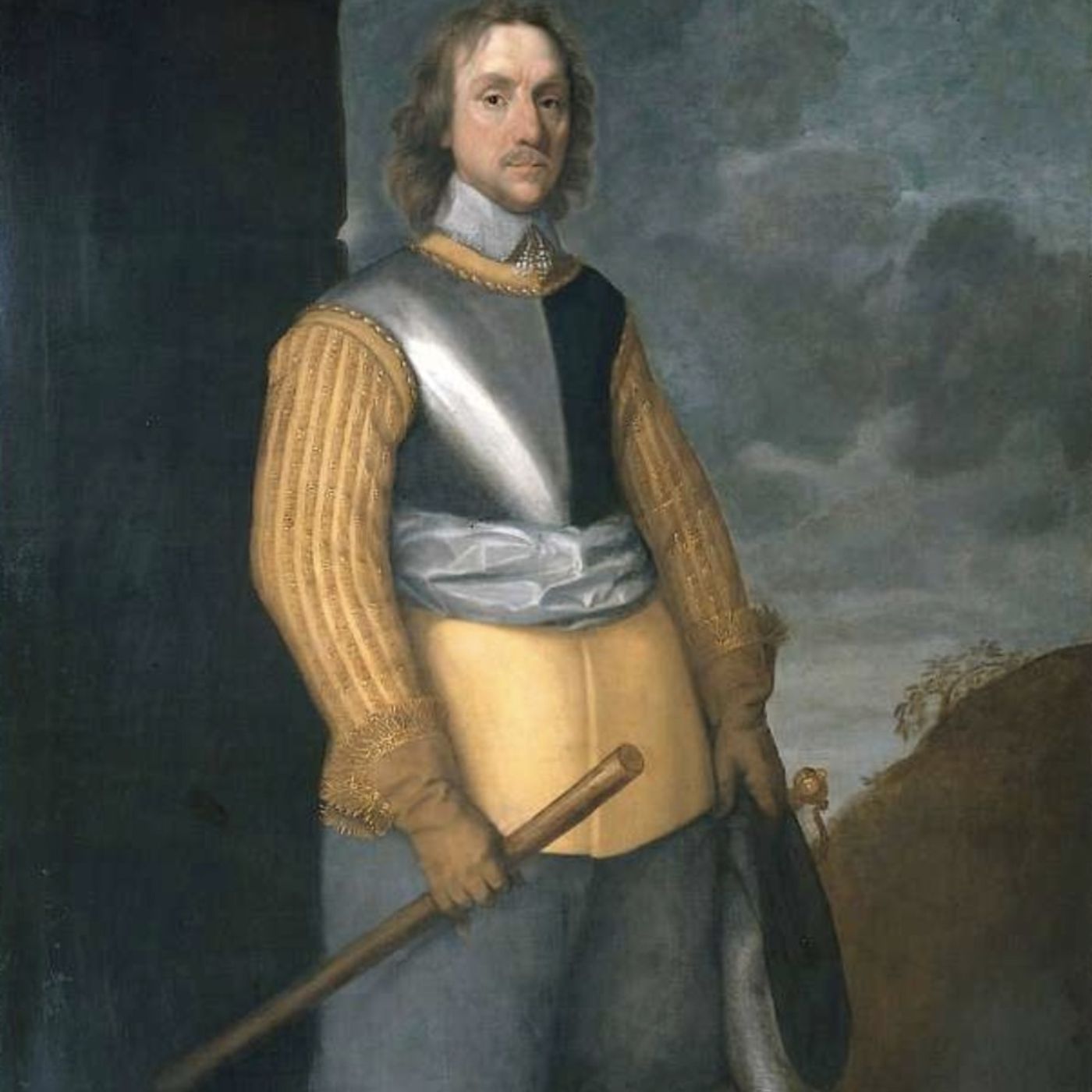
1653 OLIVER CROMWELL eorge Downing’s Early Years, Harvard Training, and Rise in Cromwell’s Parliamentary Army — Part One Dennis Sewell, author of Cromwell’s Spy: From the American Colonies to the English Civil War, introduces John Batchelor to George Downing, a member of Harvard’s first graduating class who joined the English Civil War. Serving as chaplain and scoutmaster under Oliver Cromwell, Downing put his Latin fluency, intelligence, and pragmatic ruthlessness to work in military operations. (3)
Some strange things are happening out in space and down here on Earth. Earlier this week, astrophysicist Neil deGrasse Tyson joined Aishah Hasnie (https://www.youtube.com/watch?v=yor7TRWw67k) to unpack a fast-moving object known as 1998 KY26 orbiting the Sun, UAP discussions, and the physics behind what a first alien encounter might actually look like. Tyson broke down why its trajectory doesn't follow standard gravity alone, weighed theories ranging from space junk to the Yarkovsky effect, and shared insights from his book Take Me to Your Leader: Perspectives on Your First Alien Encounter. They also dove into growing concerns around artificial intelligence, tech vulnerabilities, and why Tyson says global guardrails are essential—plus why he’d choose the future if he had a time machine. The conversation was full of laughs and interesting perspectives on space and the potential for extraterrestrial life, but it was too long for our regular midweek Rundown. So, on today's FOX News Rundow
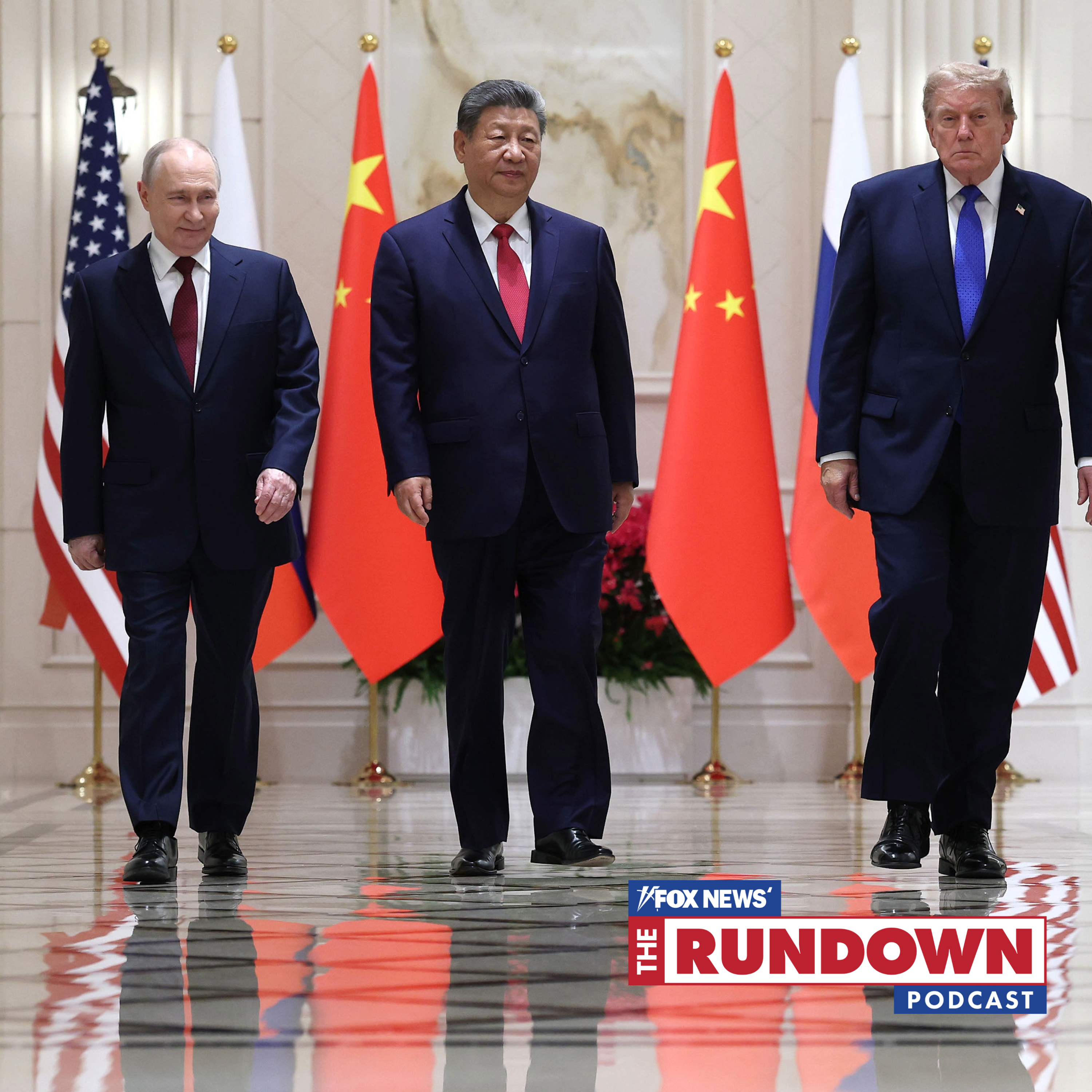
Following President Trump’s trip to Asia and a first-ever trilateral meeting with the leaders of China and Russia, foreign policy experts are weighing what was accomplished on the world stage. Former national security advisor to Vice President Dick Cheney and Heritage Foundation senior research fellow Stephen Yates joins The Rundown to analyze the summit’s outcomes on Taiwan, Ukraine, Iran, and strategic arms talks. Yates also explains how new rare-earth agreements with U.S. allies and export controls on AI chips balance Trump’s warmer rhetoric toward Beijing. Later, widespread tech outages across major platforms and government systems raise urgent questions about whether U.S. digital infrastructure is prepared for the artificial intelligence era. Former Cybersecurity and Infrastructure Security Agency (CISA) director Bridget Bean breaks down how rapid software patching can trigger cascading system failures, the growing cyber threats posed by China and Iran, and how organizations can d
Rep. Ilhan Omar’s (D-MN) immigration history is facing fresh scrutiny after federal agents searched her Washington, D.C., home in October, with new reports detailing subpoenas to relatives. There are also reports that her congressional staffers have been requested to speak about the possibility they were told to change the birth year listed in public biographies. This week, a federal judge in Washington, D.C. may have paved the way for the way to unseal the criminal search warrant and related documents against Rep. Ilhan Omar. Where do we stand on this investigation? FOX's Alexis McAdams speaks with Minnesota Republican Congressman Tom Emmer who says this isn't about background or beliefs, it is about facing consequences for criminal activity. Click here to Follow the FOX News Rundown: Evening Edition: https://link.podtrac.com/fnr_podeve Photo Credit: FOX Digital
Retailers should show a product's recent normal price alongside advertised discounts.
Share your view, then see how readers voted. No sign-in required. This poll is shared across stories.
Do you agree or disagree?
Common Quandary
A Common Quandary to discuss
Another conversation to explore, separate from this news story.
The touchscreen asks for a 25% tip while the cashier watches. What do you press?
At a counter-service shop, you place your own order, collect it, and clear the table. The payment screen suggests a twenty-five percent tip while an employee watches you choose.
When does a voluntary custom become an unfair social demand?