BITTERNESS Psychological Trauma and National Amnesia TANIA BRANIGAN8
9 min
Listen through the publisher, then discuss the episode here or arrange an in-person Roundtable. Your city determines where to meet.
Roundtables are designed for groups of four, with a shared subject and room for everyone to speak. Come for discussion, with no dating expectation.
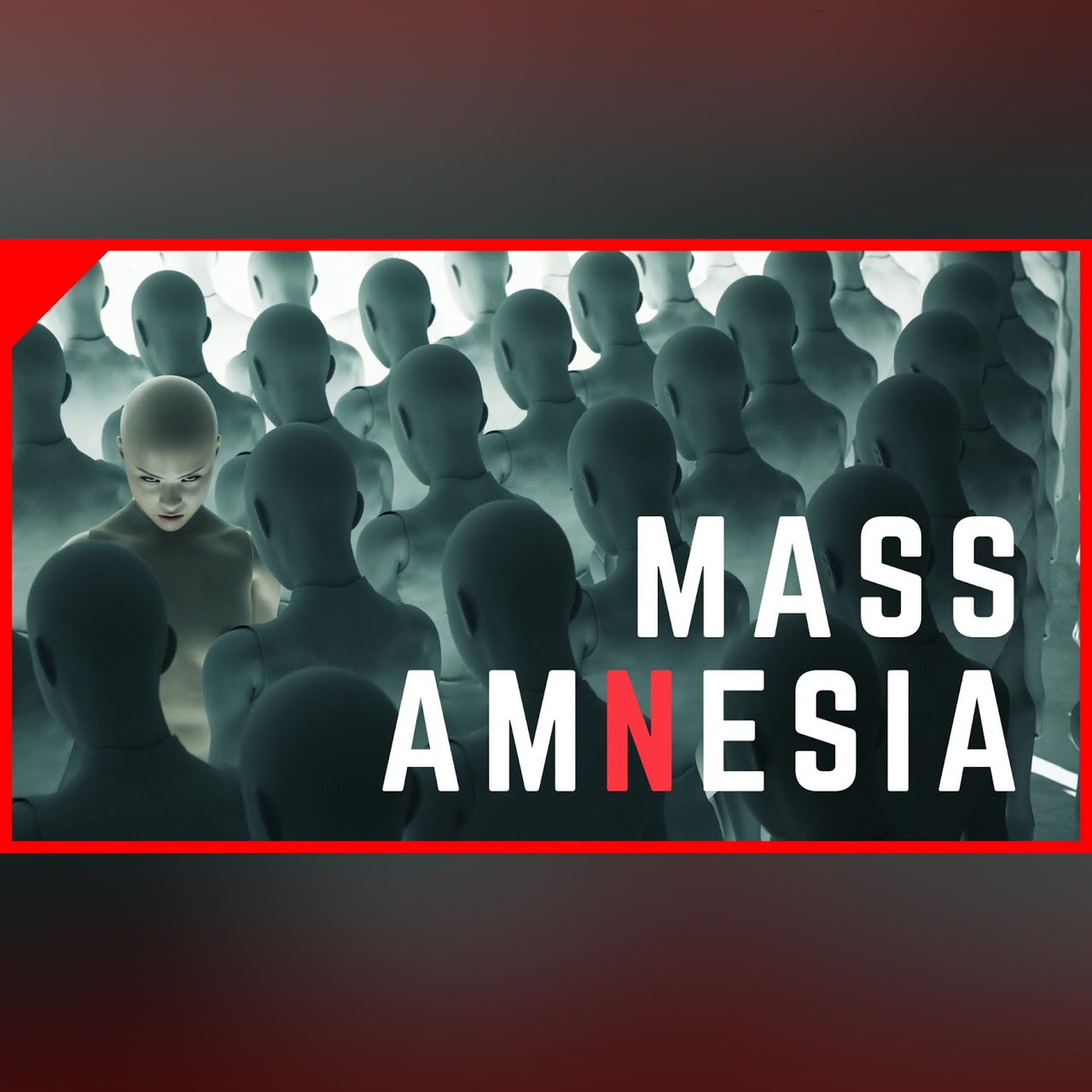
19666 Psychological Trauma and National Amnesia Tania Branigan, author of Red Memory: The Afterlives of China’s Cultural Revolution, explores psychological trauma with mental health professionals in Shanghai, addressing Maoist hysteria and the coping concept of “eating bitterness.” She shows how state censorship and fractured personal memory combine to create national amnesia, even as Xi Jinpingrevives centralized leader worship. (8)
Episode information is provided by the publisher. Listening takes place on the publisher’s service.
Jensen Huang stepped down as Nvidia CEO on November 12, 2026, after reports about an extramarital relationship with Alice Huang, a former senior executive at Megaspeed. U.S. intelligence reportedly viewed her as an asset working for Beijing. That allegation is not a conviction, and it is not the same thing as proof Nvidia secrets changed hands. Tony Brueski brings in retired FBI Special Agent Robin Dreeke, former leader of the bureau’s Counterintelligence Behavioral Analysis Program, for the question behind the headlines: how does somebody who helped build one of the world’s most important technology companies fail to recognize a possible intelligence threat in his personal life? Huang apologized to his family and Nvidia employees for infidelity. The board announced an outside investigation, while saying it knew of no reason to believe national security or proprietary information was compromised. Reuters subsequently reported that Huang had previously told Nvidia leaders his encounters
Unlock the Masterclass - on the house: https://nci.university/masterclass Uploaded 18-06-25 Something is stealing your attention, your memory… and maybe even your sense of self. And no one’s really talking about it. This video is not a conspiracy, not a rant—and definitely not a lecture. It’s an invitation to wake up… and remember. We’re not facing a sudden collapse. We’re living through a slow erosion—of memory, focus, and identity. What’s happening to your thoughts, your beliefs, and your attention isn’t accidental. It’s engineered. In this video, I walk you through how technology, algorithmic manipulation, and constant stimulation are quietly reshaping your mind—without your permission. More importantly, I show you how to fight back. Discover how cognitive drift works Learn why you feel disconnected from your past self Recognize the signs of “mass amnesia” in your daily life Get 6 clear steps to reclaim your memory, focus, and inner compass This isn’t about blame. This is about reme
Join Shaun Attwood LIVE with Fritz Springmeier, author and researcher known for his controversial investigations into MKUltra, mind control, the Illuminati, secret societies, and alleged covert intelligence operations. Fritz is the author of Bloodlines of the Illuminati and co-author of The Illuminati Formula Used to Create an Undetectable Total Mind Controlled person. His decades of research have explored alleged psychological programming, hidden power structures, and the influence of secrecy within governments and intelligence agencies. Tonight, Shaun and Fritz dive into the history of MKUltra, psychological warfare, government secrecy, and the escalating Iran conflict. They’ll explore propaganda, geopolitical tensions, international power struggles, and Fritz’s theories about how powerful institutions may influence world events. What is documented history, what remains hidden, and which claims deserve closer examination? Join us for an intriguing conversation examining both historic
Alan Milburn wants to scrap Pip for under-25s and replace the Universal Credit health element with a new youth allowance. He says the plan could get 440,000 young people into work within a decade and eventually save £3.6 billion a year. With 981,000 young people not in education, employment or training, nobody disputes the scale of the problem. They disagree about its cause. Milburn insists this is not a generation lacking resilience. Yet his own report finds that benefit claims have outpaced any rise in ill health, and it warns of overdiagnosis of ADHD and autism. Michael Simmons puts that contradiction to Milburn directly. He also asks whether the National Insurance and minimum wage rises are pricing young people out of the jobs they need most. Can welfare reform get a generation back to work – or is the deeper problem a loss of resilience that no policy can fix? This episode is brought to you by Raymond James. Combining deep insights into who you are with our financial expertise, th
Over 20,000 Uighur refugees escaped repression in China by fleeing to Syria at the height of its brutal civil war. Originally from north western China, the Muslim minority fought fiercely against the Assad regime. But now that the war is over, they live in limbo, unable to return home or even contact loved ones while the Chinese state continues its campaign against their community. So will the new Syrian government honour their sacrifice? Or try to stay on good terms with the Chinese state? Our reporter has been to northern Syria to meet them. Guest: Anthony Loyd, special correspondent, The Times Host: Luke Jones Producer: Robyn Simon and Harry Stott We want to hear from you - email: [email protected] Read more: They fought for Syria’s freedom. Will they fight for their own? (https://www.thetimes.com/world/middle-east/article/uighur-fighters-syria-xinjiang-china-cfv5733d8) Further listening: SAS in Syria: the untold murder probe (https://pod.fo/e/6c8ea9) Clips: The New York Times,
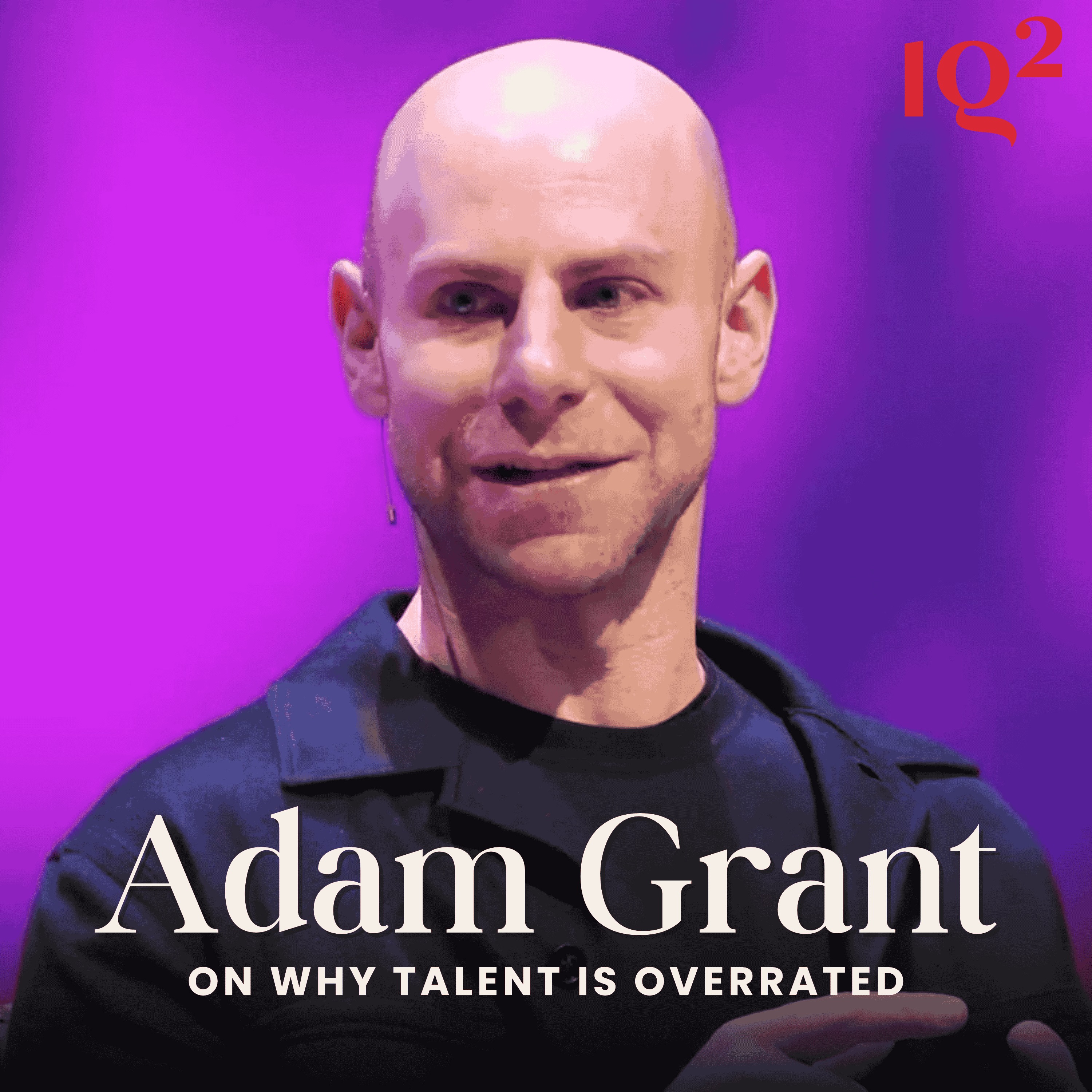
Adam Grant is one of the most sought after organisational psychologists in the world. He has provided expert advice to many of the world’s greatest business leaders, including Bill Gates and Sheryl Sandberg, equipping them with the mental tools to find motivation and meaning, rethink assumptions, and achieve greatness in their business and personal lives. In January 2024 Grant came to the Intelligence Squared stage for a rare, exclusive London event where he shared his revolutionary framework for how we can all exceed the expectations and aspirations we have set for ourselves. Drawing on his new book Hidden Potential he explained that despite living in a world that tends to admire people who start out with innate talent, there is clear scientific evidence that we can all bridge the biology gap and improve ourselves dramatically. In conversation with economist and FT columnist Tim Harford, Grant wove together groundbreaking evidence, surprising insights, and vivid story telling to take
Sandpaper Scandal Resurfaces Again Jeremy Zakis reviews the 2018 cricket scandal in which Australian players secretly used sandpaper to alter the ball. The controversy has resurfaced after a former teammate published a book accusing current captain Pat Cummins of involvement, sparking intense debate despite official support for Cummins. (3)
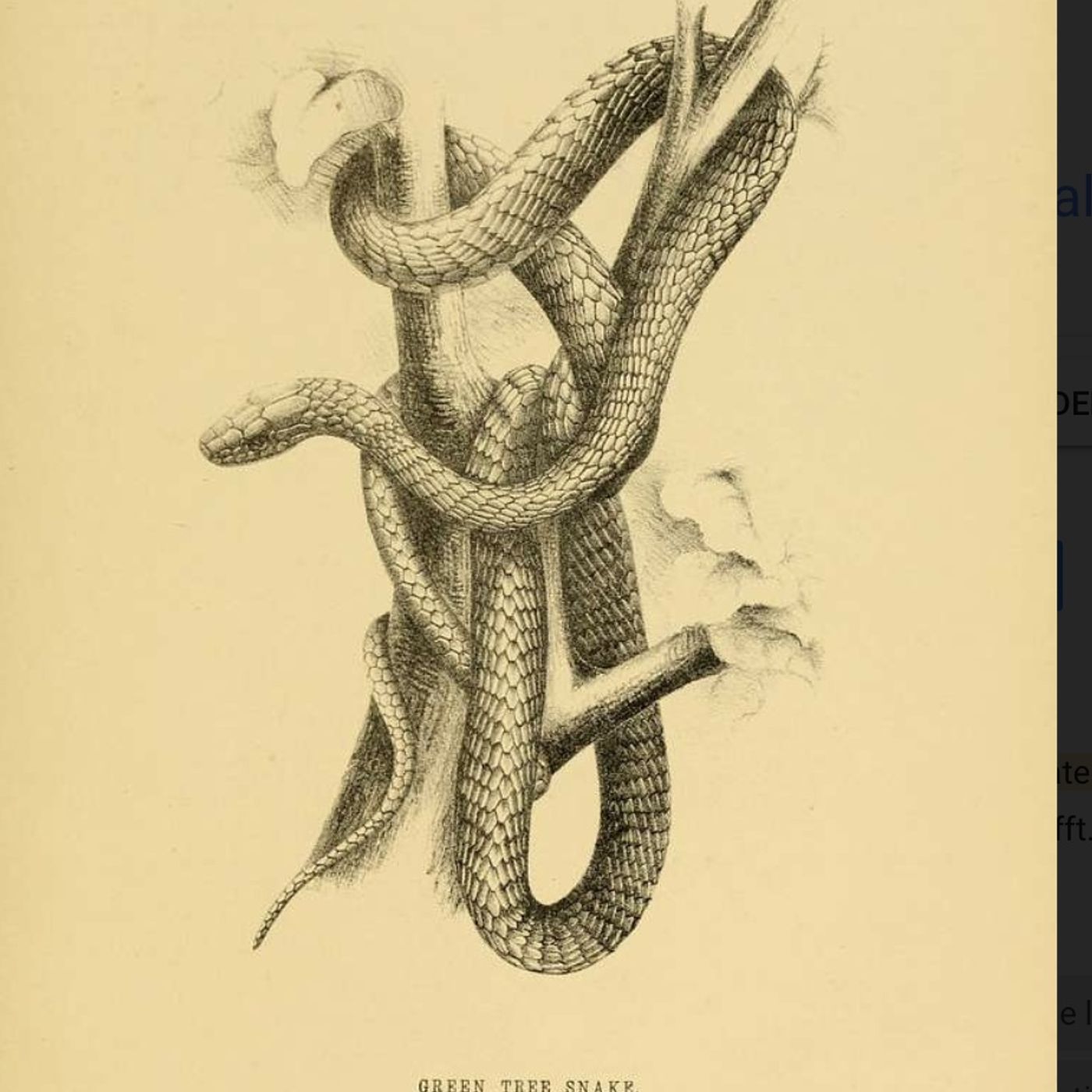
Floods Wash Snakes Downtown Jeremy Zakis explains the official warnings issued in Melbourne after floodwaters washed venomous snakes into the central business district. Snake catchers face surging demand and charge costly call-out fees, while unseasonable storms have disrupted local wildlife, leaving kangaroos hyperactive and erratic on the roads. (2)
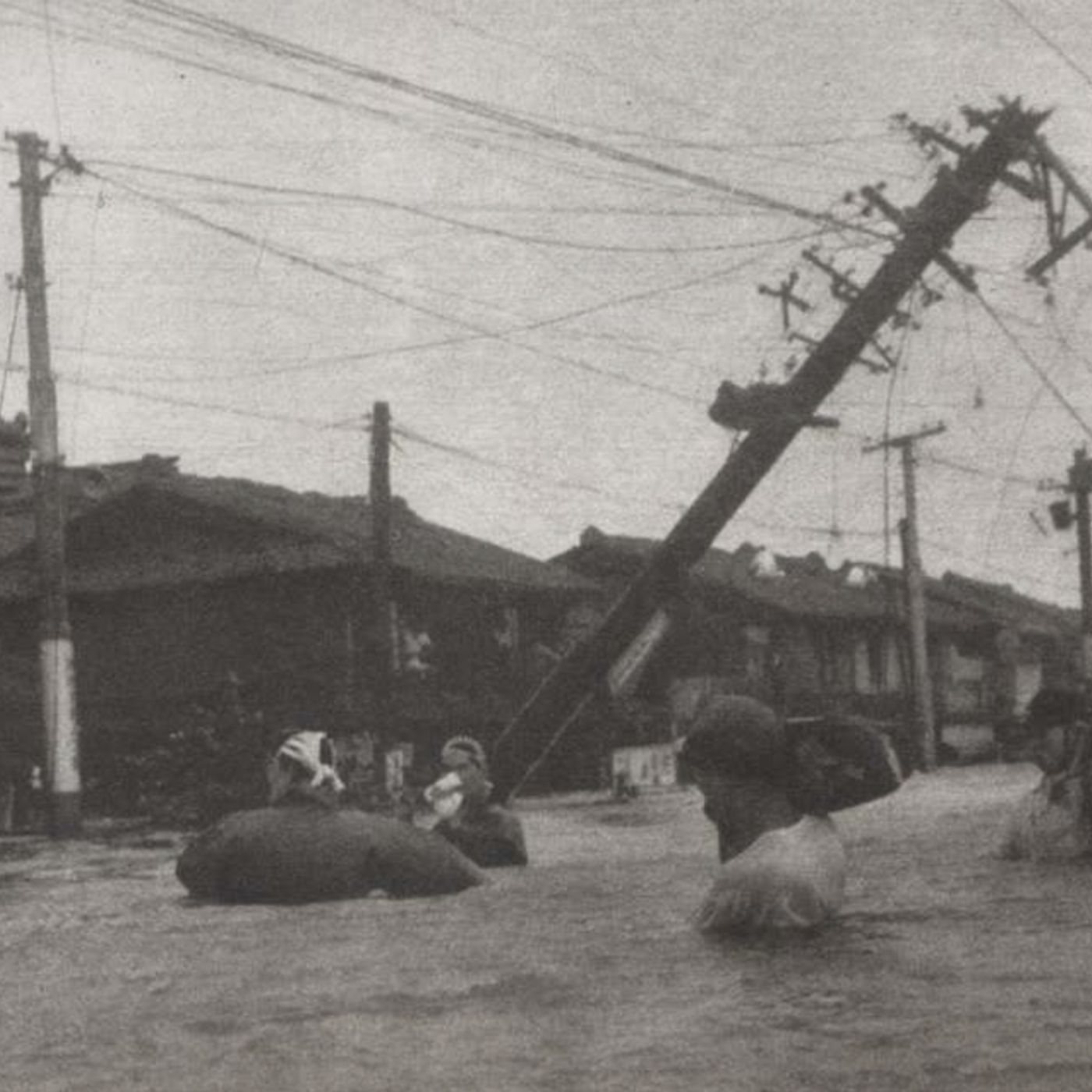
1950 Super El Niño Spring Storms Jeremy Zakis discusses extreme spring weather across Australia, driven by a super El Niño and elevated ocean temperatures. Heavy rain, microbursts, and severe winds in South Australia toppled massive power lines and spawned funnel clouds, while Sydney faces hot, chaotic, (1)
An organization should remain responsible for decisions made by its automated systems.
Share your view, then see how readers voted. No sign-in required. This poll is shared across stories.
Do you agree or disagree?
Common Quandary
A Common Quandary to discuss
Another conversation to explore, separate from this news story.
A coworker tells you their salary in confidence—and proves everyone else is underpaid. Do you share it?
A coworker privately tells you their salary and asks you not to repeat it. You later realize the figure is strong evidence that several equally experienced colleagues are being underpaid.
When does fairness outweigh a promise of confidentiality?