English-language podcasts

Everyday Wellness: Midlife Hormones, Menopause, and Science for Women 35+

BONUS: Impact of Alcohol and Our Health with Brooke Scheller, DCN, CNS | Women's Health, Alcohol and Health, Alcohol Use
61 min

Listen through the publisher, then discuss the episode here or arrange an in-person Roundtable. Your city determines where to meet.

Roundtables are designed for groups of four, with a shared subject and room for everyone to speak. Come for discussion, with no dating expectation.

Today, I am honored to speak with Brooke Scheller, DCN. She is a clinical nutrition doctor, a nationally recognized health expert, and the founder of Functional Sobriety, a nutrition-based program for reducing alcohol use. She also wrote How to Eat to Change How You Drink. In our conversation today, we discuss the stigmatization of alcohol use and explore the nuances of curiosity and sobriety. We dispel common misconceptions, examine the research on alcohol consumption, tackle the definition of moderation, scrutinize the influence of industry ties, and unravel the issues linked to excessive alcohol consumption. Brooke also explains how poor absorption affects the gut microbiome and can cause a leaky gut, offering practical nutritional strategies to address those concerns. We also discuss fertility, blood sugar, and the challenges posed by initiatives like Dry January and sober challenges. Stay tuned for today’s comprehensive exploration of the relationship between nutrition and alcohol use. IN THIS EPISODE YOU WILL LEARN: The changing stigma surrounding alcohol use Alcohol’s effects on the brain and body The impact of alcohol on gut microbiome health, intestinal permeability, and nutrient absorption Brooke shares her personal experience with alcohol. Why alcohol consumption in middle-aged women may increase inflammation and oxidative stress The relationship between alcohol consumption and blood sugar regulation Connections between alcohol use and male infertility Practical suggestions for navigating Dry January The effects of alcohol on mental health Overcoming alcohol addiction through self-awareness and wellness Bio: Brooke Scheller, DCN, CNS Brooke Scheller is a Doctor of Clinical Nutrition, the founder of Functional Sobriety, and the author of How to Eat to Change How You Drink. After finding freedom from alcohol in 2021, Brooke took her experience in sobriety and applied her expertise in nutrition and functional medicine to help others change their relationship with alcohol. Her approach results in improved brain health, mood, energy, focus, gut health, and hormone balance. Her launch of Functional Sobriety led to the development of her online community, the Functional Sobriety Network, and several online programs with members across the globe. Functional Sobriety offers the first-ever custom supplement program for the sober and sober-curious. As a motivational speaker, Brooke helps to spread the word about functional nutrition, alcohol-free wellness, and the power of sobriety. She currently resides in NYC. Follow Brooke on Instagram @drbrookescheller. Learn more atwww.brookescheller.com (http://www.brookescheller.com/) orwww.functionalsobriety.com (http://www.functionalsobriety.com/) Connect with Cynthia Thurlow Cynthia’swebsite (https://cynthiathurlow.com/). Submit your questions to [email protected] The Midlife Pause Supplement Line (https://themidlifepause.com/) Connect with Brooke Scheller, DCN, CNS On herwebsite (http://www.brookescheller.com/) Instagram (https://www.instagram.com/drbrookescheller/) (@drbrookescheller) Functional Sobriety (http://www.functionalsobriety.com/) Her Book - How to Eat to Change How You Drink (https://www.amazon.com/dp/1538741067?adgrpid=195855868005&channelId=500&hvadid=812932898803&hvcampaign=23946687961&hvdev=c&hvdvcmdl=&hvexpln=0&hvext=372759723172&hvlocint=&hvlocphy=9011881&hvnetw=g&hvocijid=16409572447003694415--&hvpone=&hvpos=&hvptwo=&hvqmt=a&hvrand=16409572447003694415&hvtargid=kwl-2484167636399&hydadcr=18362_13882928_2506272&language=en_US&lv=shuf&mcid=&plpRedirect=mhFallback&ref_=&tag=smgglusdsadts-20)

Episode information is provided by the publisher. Listening takes place on the publisher’s service.

Listen at the source ↗

Featured places to meet in Palo Alto, CA

Explore these places and arrange a conversation through ThinkMatch.

City guide for Palo Alto, CA

More from Everyday Wellness: Midlife Hormones, Menopause, and Science for Women 35+

Everyday Wellness: Midlife Hormones, Menopause, and Science for Women 35+

Ep. 672 Heart Health Differences in Men and Women with Dr. Troy Badger | Heart Health, Menopause & Cardiovascular Risk, Preventive Cardiology

68 min

Today, I’m honored to connect with Dr. Troy Badger. He is a board-certified cardiologist and interventionalist and the founder of Cardiostrong, a concierge preventive cardiology clinic in Provo, Utah, focused on reducing cardiovascular risk, optimizing metabolic health, and improving strength and cardiorespiratory fitness for executives and athletes. In today’s conversation, we discuss Dr. Badger’s gender- and age-specific approach to heart health, including treatment differences for men and women, and diagnoses such as INOCA, SCAD, vasospastic disease, and Takotsubo. We examine emotions and their influence on heart health, coronary ischemia and cardiomyopathies, labs and diagnostics, how Dr. Badger assesses risk in his patients, and the differences between a CAC and a CCTA. Dr. Badger also shares the labs he finds essential for all patients and discusses the role of VO2 Max, cardiovascular training, and lifestyle—specifically nutrition, the use of GLP-1 drugs, and a multidisciplinary

Discuss this episode

Everyday Wellness: Midlife Hormones, Menopause, and Science for Women 35+

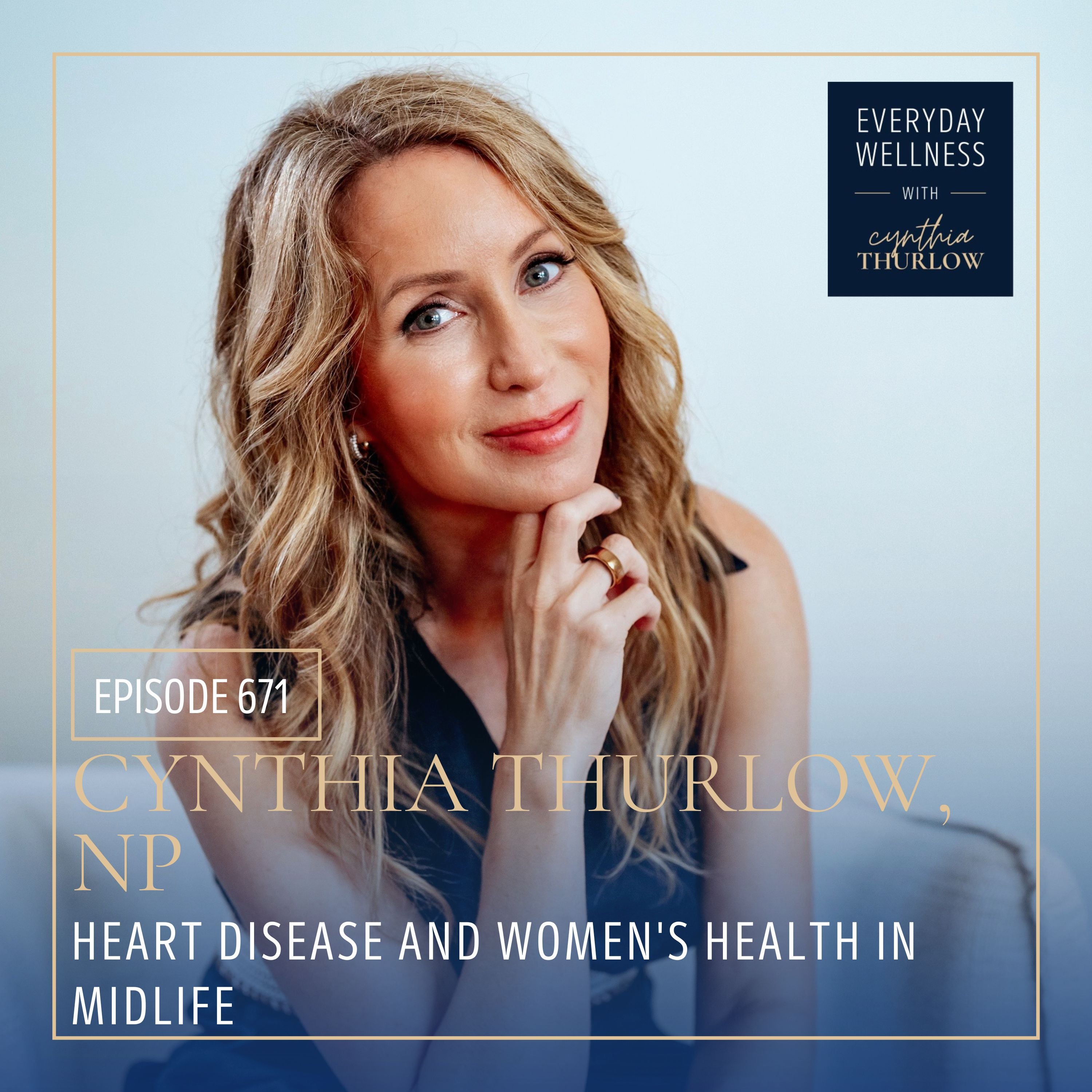
Ep. 671 Heart Disease and Women's Health in Midlife | Menopause, Cardiovascular Health, Women’s Health

18 min

Heart disease remains the leading cause of death among women, yet many women are unaware of their cardiovascular risks or the ways heart disease can present differently in women than in men. Today, I'm continuing our Metabolic Health Midlife Minute series with an important discussion about women's cardiovascular health. Drawing on my years of experience in cardiology, I explain why women are often diagnosed later, why their symptoms may be overlooked or dismissed, and how decades of underrepresentation in cardiovascular research have contributed to ongoing differences in diagnosis and treatment. I discuss the symptoms women may experience during a heart attack, the importance of cardiac rehabilitation, and why traditional cardiovascular risk calculators may not provide a complete picture of individual risk. I also explore coronary microvascular disease, the cardiovascular changes associated with perimenopause and menopause, and the importance of understanding markers such as Lp(a), Apo

Discuss this episode

Everyday Wellness: Midlife Hormones, Menopause, and Science for Women 35+

Ep. 670 Menopause After Breast Cancer with Lisa Chism, DNP, APRN | Menopause Symptoms, Breast Cancer, Women's Hormone Health

64 min

Today, I am delighted to welcome back my friend and colleague, Lisa Chism, NP. Lisa has more than three decades of nursing experience and has spent many years caring for women diagnosed with breast cancer and those at elevated risk. She holds specialty certifications in menopause, sexual health, and breast care and is a fellow of both the American Academy of Nursing and the American Association of Nurse Practitioners. After listeners asked for more conversations about breast cancer survivorship and nonhormonal treatment options, I was the first person I thought of inviting back to the podcast. In our conversation, we discuss why survivorship care should begin at diagnosis, how chemotherapy can trigger temporary or permanent menopause, and why fertility considerations deserve attention early in treatment. We explore breast density, individualized screening, and the growing role of AI in breast cancer risk assessment. Lisa explains how tamoxifen and aromatase inhibitors affect menopausal

Discuss this episode

Community Poll

Residents' need for quiet should usually outweigh the benefits of late-night entertainment.

Share your view, then see how readers voted. No sign-in required. This poll is shared across stories.

Do you agree or disagree?

Choose one answer

Common Quandary

A Common Quandary to discuss

Another conversation to explore, separate from this news story.

Software says a student cheated with AI. Is that enough to fail the paper?

A teacher suspects several essays were written with AI. Detection software marks one student's work as highly likely to be generated, but the software is known to make mistakes and the student denies using it.

How should responsibility be assigned when evidence is powerful but unreliable?

Explore this quandary