CHINA - Addressing Systemic Chinese Security Threats - PIERO TOZZI & GORDON CHANG 110426
20 min
Listen through the publisher, then discuss the episode here or arrange an in-person Roundtable. Your city determines where to meet.
Roundtables are designed for groups of four, with a shared subject and room for everyone to speak. Come for discussion, with no dating expectation.
Addressing Systemic Chinese Security Threats Piero Tozzi discusses systemic competition with China, highlighting critical issues facing the incoming Congressregarding artificial intelligence, data centers, and Taiwan. He advises against unilateral AI restrictions that could disadvantage America. Tozzi stresses supporting Taiwan’s democratic representation and resisting Chinese pressure across international diplomatic and economic forums. (6)
Episode information is provided by the publisher. Listening takes place on the publisher’s service.
A wave of major technology outages is raising troubling questions about America's cybersecurity, aging infrastructure, and readiness for a new era of artificial intelligence. Are these isolated technical failures, or warning signs of a much larger national security problem? John Solomon and Amanda Head welcome Ohio Congressman and former Army Ranger Warren Davidson, who discusses recent disruptions involving the FAA, Microsoft, and other critical systems. Davidson calls for greater transparency from government agencies and technology companies, questions whether America's infrastructure is adequately protected against emerging cyber threats, and examines how artificial intelligence could be used both to strengthen defenses and exploit vulnerabilities. The conversation also turns to immigration and national security, with Davidson raising concerns about individuals who entered the country illegally, potential gaps in government screening systems, and the surveillance powers used to moni
A secret relationship can create leverage even before anyone makes a threat. That is the question Tony Brueski puts to Robin Dreeke, retired FBI Special Agent and former chief of the FBI’s Counterintelligence Behavioral Analysis Program, as they unpack the reporting around former Nvidia CEO Jensen Huang. Huang admitted infidelity and resigned in November 2026. Reports linked his affair to Alice Huang, a former Megaspeed executive whom U.S. intelligence reportedly suspected of acting for China. Those suspicions remain unproven publicly. Reuters says it could not independently confirm the alleged intelligence connection; Beijing denies it. Nvidia’s board has said it has no reason to believe company secrets or national security were compromised. That leaves plenty to investigate, but it does not establish blackmail, recruitment or disclosure of protected information. Robin explains why counterintelligence investigators focus on incentives and access, not just intercepted orders or dramati
This week on The Necessary Conversation, it's Chad, Haley, and Mary Lou. Bob is still recovering but sent in a video message about Trump calling Putin his friend that we watch together. 🇷🇺 Trump held the first-ever three-way talks with Putin and Xi, called it a "12 out of 10," and produced nothing. Then at a press conference he called Putin his friend — and when asked if Putin is a friend to America, the president of the United States said, "I can't speak to America." That same day, Trump's friend Putin launched massive strikes into Ukraine, hit Poland with two missiles — an act of war against a NATO ally — then struck near a Ukrainian restaurant and drone-bombed the first responders, killing a 7-year-old child and a 20-year-old paramedic. We watch Bob's video and ask Mary Lou: is Russia our friend? 🇨🇳 The House Foreign Affairs Committee revealed Trump's Commerce Department approved nearly 880,000 advanced AI chips for Chinese military-linked companies including Alibaba, Tencent, a
Over 20,000 Uighur refugees escaped repression in China by fleeing to Syria at the height of its brutal civil war. Originally from north western China, the Muslim minority fought fiercely against the Assad regime. But now that the war is over, they live in limbo, unable to return home or even contact loved ones while the Chinese state continues its campaign against their community. So will the new Syrian government honour their sacrifice? Or try to stay on good terms with the Chinese state? Our reporter has been to northern Syria to meet them. Guest: Anthony Loyd, special correspondent, The Times Host: Luke Jones Producer: Robyn Simon and Harry Stott We want to hear from you - email: [email protected] Read more: They fought for Syria’s freedom. Will they fight for their own? (https://www.thetimes.com/world/middle-east/article/uighur-fighters-syria-xinjiang-china-cfv5733d8) Further listening: SAS in Syria: the untold murder probe (https://pod.fo/e/6c8ea9) Clips: The New York Times,
This episode is brought to you by Sarmaya Partners. Learn more about Sarmaya’s LENS ETF, their full data and comparison, including performance here: https://sarmayaetf.com/ In this episode of Other People's Money, Max Wiethe sits down with Muddy Waters Capital founder Carson Block to discuss his firm's explosive new short thesis on Nvidia. Block breaks down the alarming connections between a former Nvidia executive and a former SMCI executive recently implicated in a major chip smuggling scandal. The conversation dives deep into the national security implications of dual-use technology and how the ongoing geopolitical tug-of-war between the US and China is reshaping the semiconductor sector. Tune in to hear why Block believes this scandal goes far beyond CEO indiscretions and could trigger a massive regulatory reckoning for Silicon Valley's biggest players. Follow Muddy Waters on X: https://x.com/muddywatersre Follow Max on X: https://x.com/maxwiethe Follow Other People’s Money on: App
Candice Cole looks at yet another hack targeting the FBI once again, the latest in a string of technical gaffes for the U.S. government. Heidi Petracek speaks to a former Ukrainian prime minister at the Halifax Security Forum on why Ukraine needs the U.S. Jeff Semple looks at the threat of A.I. warfare and the international efforts to regulate it. Megan King reports on the Ontario Liberal Party's new leader. Sarah MacDonald speaks with an American reporter who looked at the intimate chat logs between the Tumbler Ridge shooter and ChatGPT.
Sandpaper Scandal Resurfaces Again Jeremy Zakis reviews the 2018 cricket scandal in which Australian players secretly used sandpaper to alter the ball. The controversy has resurfaced after a former teammate published a book accusing current captain Pat Cummins of involvement, sparking intense debate despite official support for Cummins. (3)
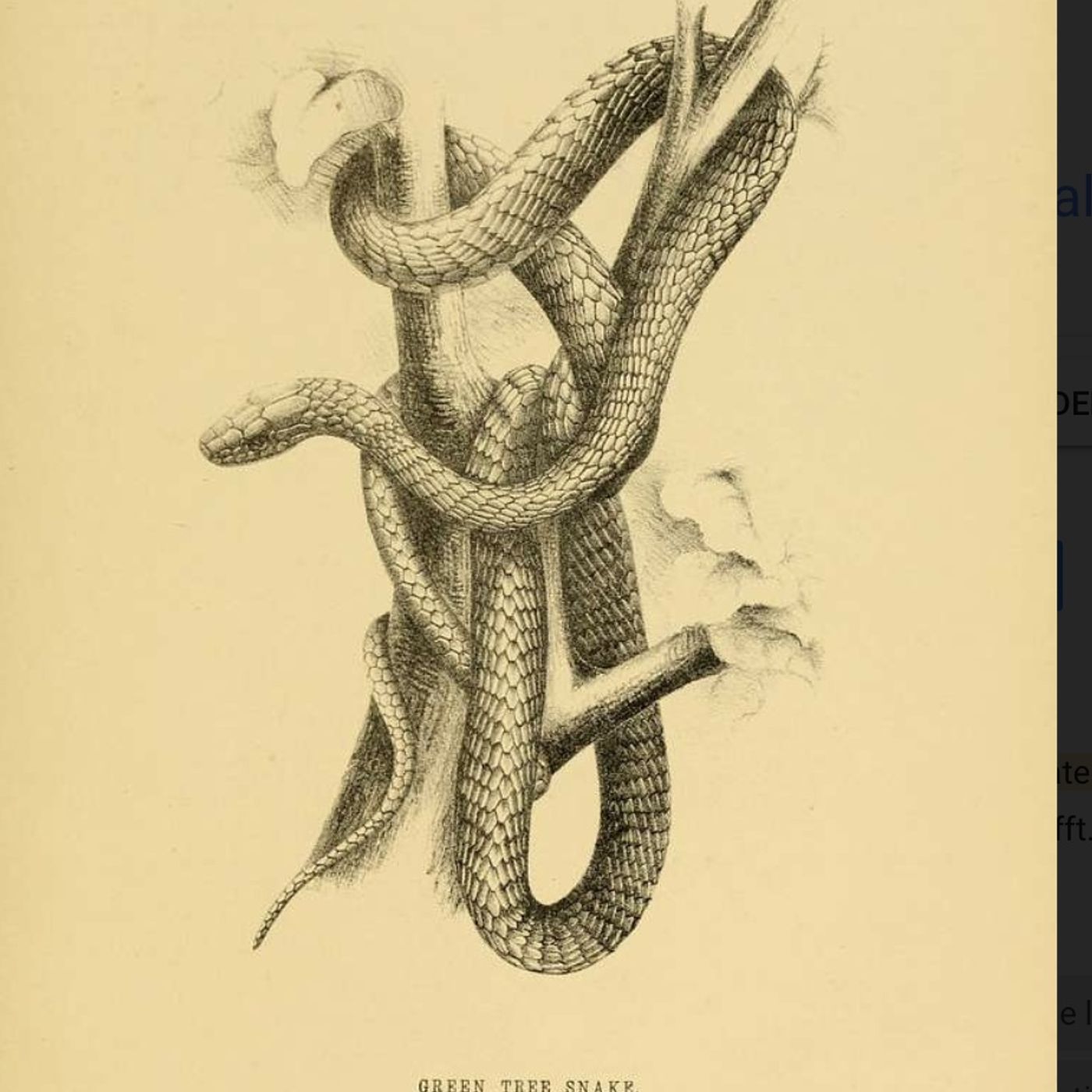
Floods Wash Snakes Downtown Jeremy Zakis explains the official warnings issued in Melbourne after floodwaters washed venomous snakes into the central business district. Snake catchers face surging demand and charge costly call-out fees, while unseasonable storms have disrupted local wildlife, leaving kangaroos hyperactive and erratic on the roads. (2)
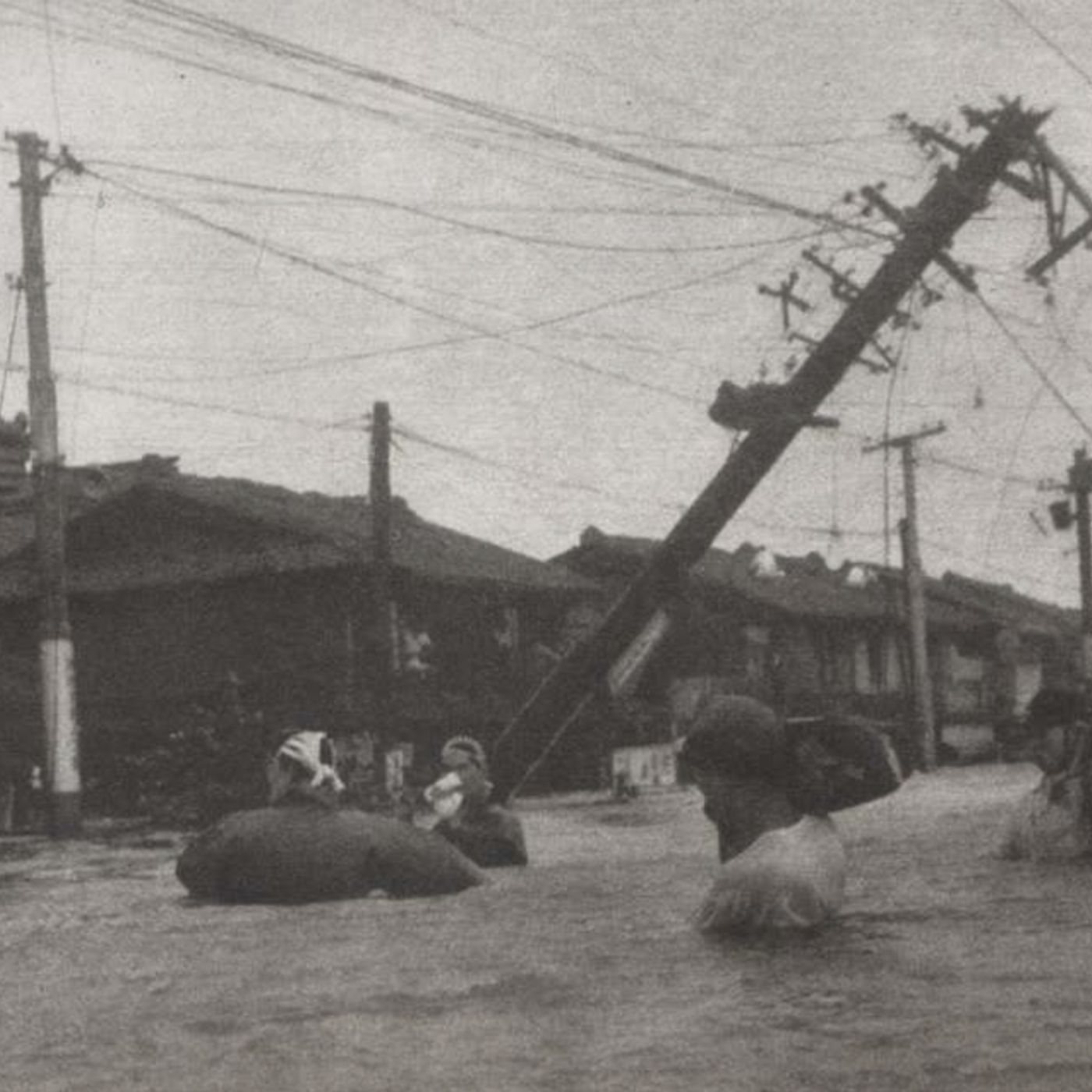
1950 Super El Niño Spring Storms Jeremy Zakis discusses extreme spring weather across Australia, driven by a super El Niño and elevated ocean temperatures. Heavy rain, microbursts, and severe winds in South Australia toppled massive power lines and spawned funnel clouds, while Sydney faces hot, chaotic, (1)
Public sports funding should prioritize everyday participation over elite competition.
Share your view, then see how readers voted. No sign-in required. This poll is shared across stories.
Do you agree or disagree?
Common Quandary
A Common Quandary to discuss
Another conversation to explore, separate from this news story.
An AI wrote the perfect condolence message for you. Is it still from the heart?
Your friend is grieving. You want to reach out, but words fail you, so you ask an AI to draft a condolence message. It expresses exactly what you feel. You revise it and send it without mentioning the help.