Dawkins vs. Meyer: Analyzing The Telegraph Design Debate
25 min
Listen through the publisher, then discuss the episode here or arrange an in-person Roundtable. Your city determines where to meet.
Roundtables are designed for groups of four, with a shared subject and room for everyone to speak. Come for discussion, with no dating expectation.
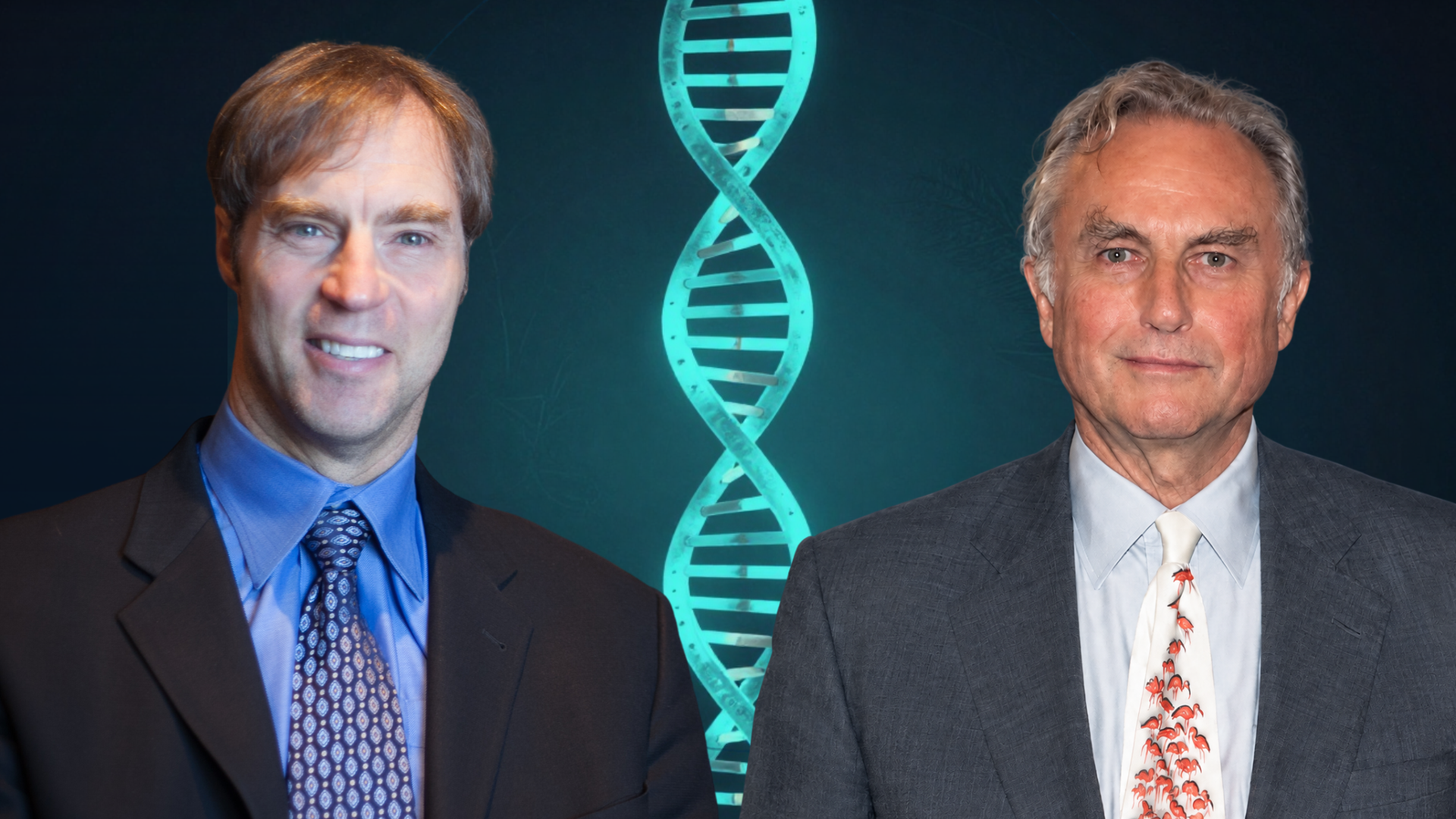
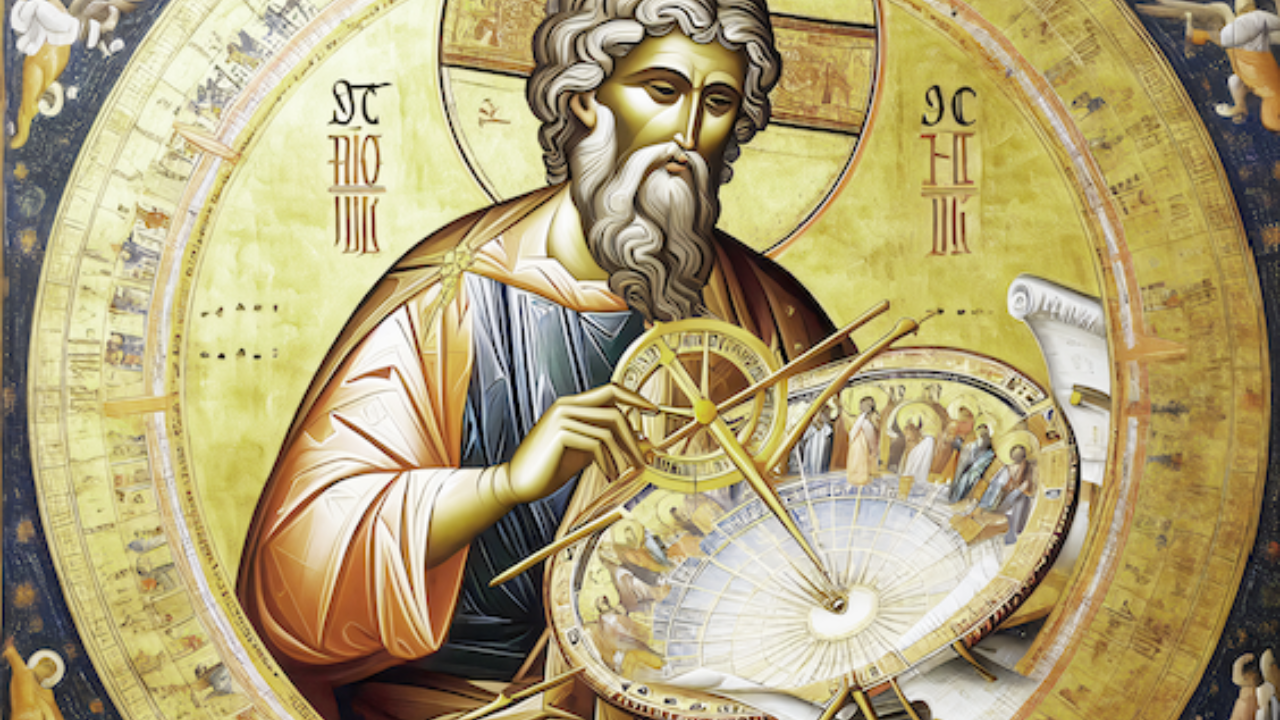
In September 2026, philosopher of science Dr. Stephen Meyer argued in Britain’s Daily Telegraph that discoveries in cosmology and biology are strengthening the case for intelligent design and the God hypothesis. Eminent biologist Richard Dawkins was given a chance to respond, and he did so with a vigorous defense of Darwinism and his 20 year old book The God Delusion. But did Dawkins really respond to Meyer’s arguments? And did Charles Darwin actually demolish the argument from design, as Dawkins insists? On this ID The Future, host Andrew McDiarmid welcomes British scholar and professor emeritus Neil Thomas to the podcast to discuss the Telegraph dust-up and respond to Dawkins's claim that Darwin demolished the design argument. In his two books Taking Leave of Darwin: A Longtime Agnostic Discovers the Case for Design and False Messiah: Darwinism As the God That Failed, Thomas has explained why he walked away from Darwinism and why the theory of natural selection that rose to prominence in the last 150 years is much weaker and less scientific than its champions would have us believe. This is Part 1 of a two-part conversation. Source (https://idthefuture.com/2288/)
Episode information is provided by the publisher. Listening takes place on the publisher’s service.
Thanksgiving is here, and some of your aunts and uncles may have softened their stances since last year. So, should you engage when politics comes up? And if so, how? Jessica Tarlov, co-host of Raging Moderates and Fox News’s The Five returns to the show to offer some tips for handling Thanksgiving (and the rest of the year), discusses her new book, and she and Sarah listen to some voters talk about how political divisions have affected their lives…and what those voters think of people who think differently. Show links: Raging Moderates with Scott Galloway and Jessica Tarlov (https://www.youtube.com/@RagingModerates) Jessica’s book, I Disagree: Winning Arguments Without Losing Friends (https://www.penguinrandomhouse.com/books/803493/i-disagree-by-jessica-tarlov/) Feeling frustrated by the state of American democracy? The Context, a podcast from the Charles F. Kettering Foundation, explores the challenges facing democracy, how to fix what’s broken, and what we can do to make it work bet
Harvey Levin and Mark Geragos break down the disturbing sexual assault allegations against Kim Zolciak and Kroy Biermann’s 15-year-old son, KJ Biermann. With prosecutors pushing to try him as an adult, the two debate whether his parents’ explosive divorce and troubled family history could impact his case, and whether his alleged past behavior could be used against him in court.
Prince Harry criticizes the Trump administration’s approach to Ukraine and says he would return to military service if asked. Palace Intrigue covers his interview with The Telegraph during a visit to Lviv, his support for Ukraine, and his comments about veterans being prepared to serve again. Former royal protection chief Dai Davies argues that Harry’s public remarks could complicate his security and create difficulties for King Charles. A source close to the Duke of Sussex pushes back, questioning Davies’s decision to discuss Harry’s protection publicly. Royal writer Tom Sykes also criticizes the timing of Harry’s publicity during Prince William and Kate Middleton’s Earthshot visit to India. Plus, Harry discusses life in Britain with Meghan Markle, Prince Archie, and Princess Lilibet during an appearance on ITV’s This Morning. He shares updates on the children’s adjustment to school, Christmas plans, country walks, and pub life. The family’s Winter Wonderland visit also draws coverage
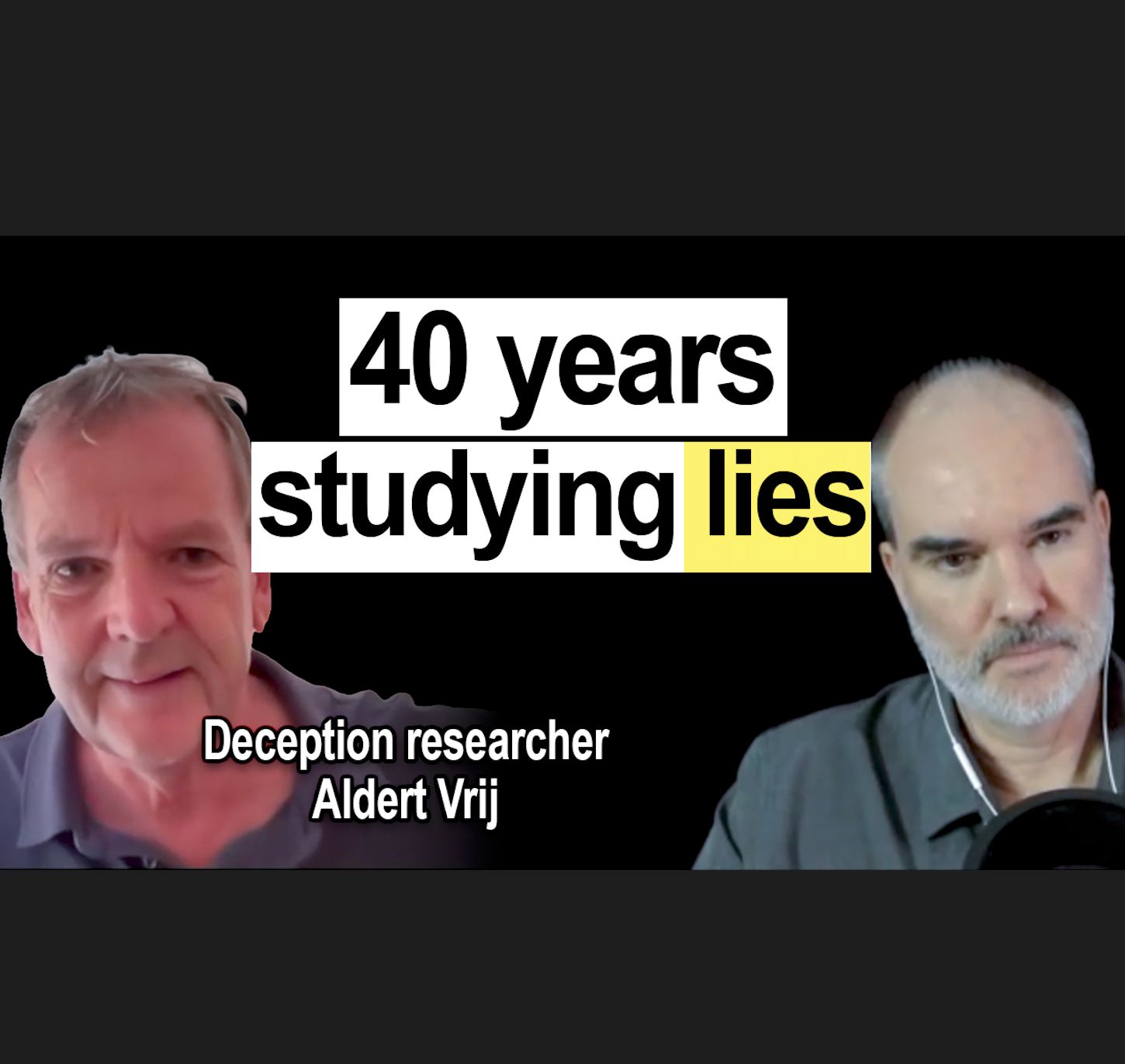
What actually works when it comes to detecting lies, and why are so many popular ideas about reading people and nonverbal behavior at odds with the scientific research? I talk with Aldert Vrij, one of the world's leading deception-detection researchers, who has spent almost four decades studying these topics. We discuss why what people say is far more revealing than their body language; why the perceived “sexiness” of reading nonverbal behavior has contributed to widespread myths and misconceptions; whether vocal behaviors like pitch, volume, and hesitation contain meaningful clues; and whether there's value in analyzing minor word choices and turns of phrase, as is done in so-called “statement analysis.” We discuss Paul Ekman's legacy as a source of faulty ideas about deception, micro-expression-based deception detection training, and the strategies that popular “body language experts” use to appear scientifically credible while simultaneously promoting ideas that conflict with the sc
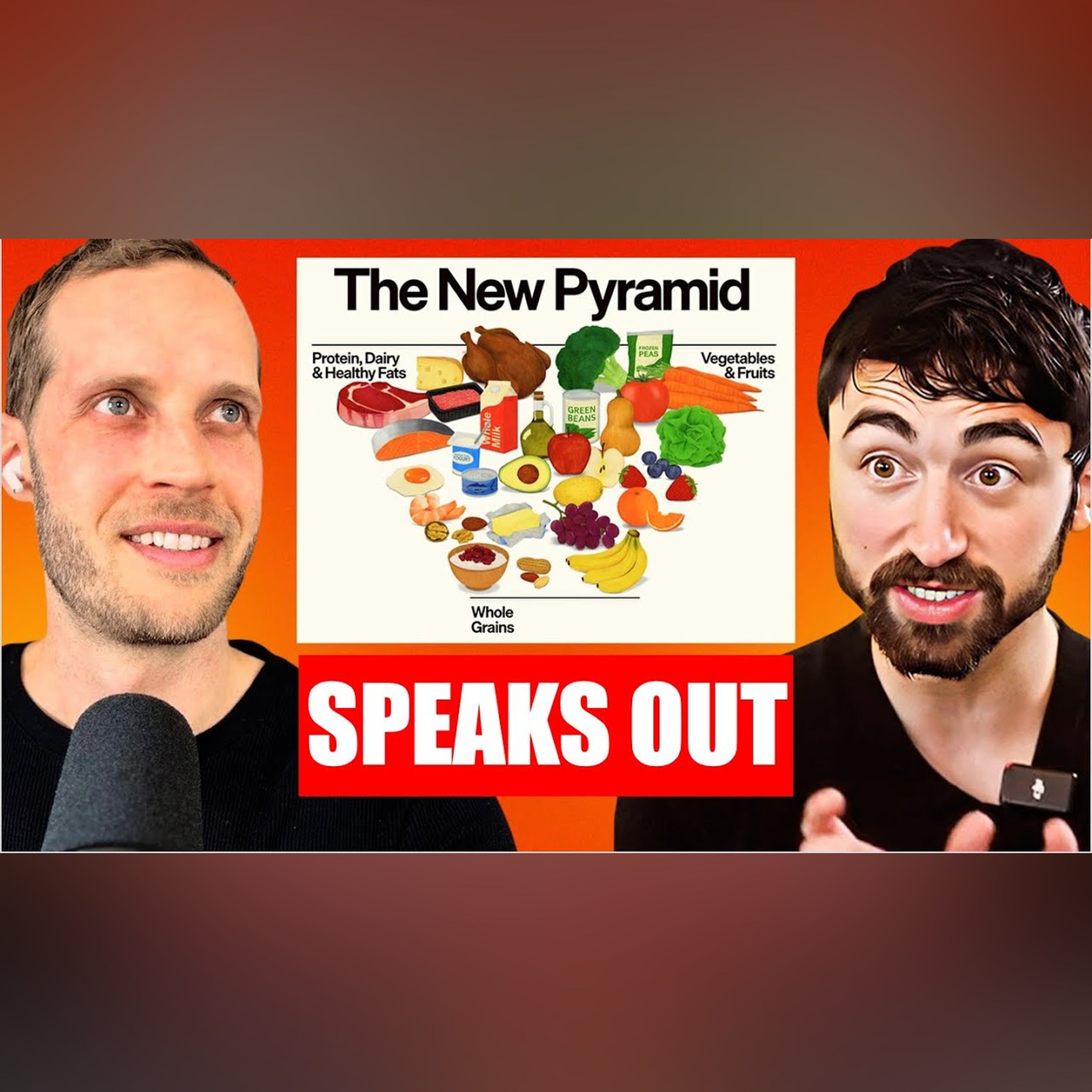
For a written digest on the guidelines, see the StayCurious Metabolism Letter: https://staycuriousmetabolism.substack.com/p/the-new-dietary-guidelines-actually?r=40ekz2 The 2025–2030 Dietary Guidelines are being marketed as a major reset with a simple message: put “real food” back at the center of the American diet. And in a lot of ways, they do represent progress. But when you actually read what’s written, some of the most important details raise real questions. For example, the document still states that saturated fat should not exceed 10% of total daily calories. To separate signal from spin, I’m joined by Dr. Ty Beal PhD, who worked on the evidence review side of the Guidelines process, to explain what the scientific background documents actually say, what happens after scientists submit reviews, and why the final public-facing document can end up with compromises, inconsistencies, or imprecise terminology. If you want a clear, good-faith breakdown—what’s genuinely better, what sti
In today's brief: A vault for exotic material: the Pentagon's eighth UFO file release shows a contractor planned a buried North Las Vegas vault for hardware and biological samples. The Forest Service Bigfoot files: records back to 1941 include a 1982 patrolman's sighting and footprints in Umatilla National Forest. The spy-plane designer's UFO: Lockheed's Kelly Johnson reported a dark elliptical object in a red sky in 1953; the Air Force said lenticular cloud. A 1,650 mph radar track: eight radar detections at up to 70,000 feet, plus a 1952 CIA flying saucer briefing. The Witch Farm: a Welsh family's claimed poltergeist ordeal becomes a BBC drama. Quick hits: prayers for rain in Murcia, nine discs over Mount Rainier in 1947, and 65 Bigfoot sightings near Yosemite. Every story and source: https://believepod.com/ufo-paranormal-news-21-november-2026/ New episodes every morning. Keep your eyes on the sky. Sources: CBS News: https://www.cbsnews.com/news/ufo-files-pentagon-contractor/ FOX 4:
For too long now, Catholic scholars and many of the faithful have felt compelled to align themselves with a Darwinian account of life's origins. But as modern evolutionary theory faces a rising wave of disconfirming evidence, the evidence for both intelligent design and a first human couple, Adam and Eve, is stronger than ever. So it's a good time for Catholics to reevaluate their relationship with Darwin. On this classic ID The Future from the archive, physicist Dr. Brian Miller welcomes Father Martin Hilbert to the podcast to discuss his book A Catholic Case for Intelligent Design. Source (https://idthefuture.com/2293/)
On YouTube, it's easy to dismiss an argument with a clever insult or a confident declaration. But in science, the real test is whether your claims stand up to the evidence. Dave Farina, better known online as “Professor Dave,” has made a name for himself challenging intelligent design proponents, including biochemist Michael Behe. But has he really answered their scientific arguments? On today's ID The Future, host Andrew McDiarmid welcomes biologist Dr. Jonathan McLatchie to examine Farina's criticisms, correct some serious misunderstandings, and explore what the evidence actually tells us about the creative power—and limits—of Darwinian evolution. Source (https://idthefuture.com/2292/)
What makes a human life valuable? Is it our intelligence, our consciousness, or our ability to reason? Or does it go beyond our abilities and circumstances to something deeper? Today on ID The Future, host Andrew McDiarmid welcomes author and podcaster Jacob Vasquez to the show to discuss his new book Sacred or Secular: The Pro-Life Case for Grounding Human Value in the Image of God. Here, Vazquez illuminates the central question in the debate over abortion. It's not merely when human life begins, but why a human life should be counted as valuable at all. Source (https://idthefuture.com/2291/)
Workers should retain the right to strike even when a dispute inconveniences the public.
Share your view, then see how readers voted. No sign-in required. This poll is shared across stories.
Do you agree or disagree?
Common Quandary
A Common Quandary to discuss
Another conversation to explore, separate from this news story.
One friend is rich, one is broke, and everyone ordered differently. How do you split dinner?
A group of longtime friends traditionally divides restaurant bills equally. Their incomes have grown increasingly unequal, and one friend now declines gatherings because even their share is difficult to afford while others order without thinking about price.
When should friendship adjust for differences in wealth?