English-language podcasts

Better Brain Fitness with Drs. Josh Turknett and Tommy Wood

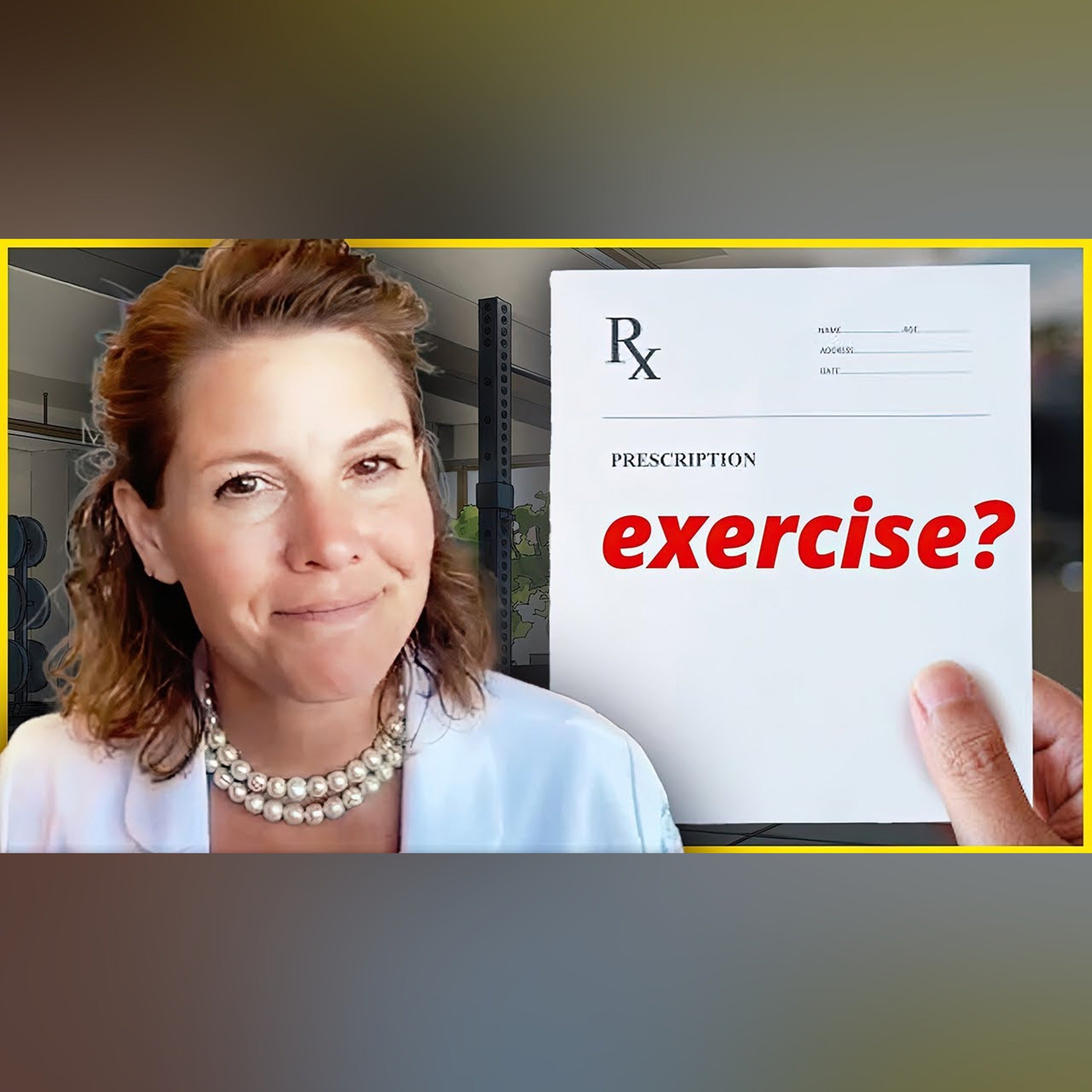
Did a New Trial Show Omega-3s Don't Help Your Brain?

28 min

Listen through the publisher, then discuss the episode here or arrange an in-person Roundtable. Your city determines where to meet.

Roundtables are designed for groups of four, with a shared subject and room for everyone to speak. Come for discussion, with no dating expectation.

A two-year trial made headlines for finding that a high dose of DHA, one of the omega-3s in fish oil, did nothing for thinking scores or brain volume. Listener Bill in Denver asked us to look at it. Tommy walks through what the study did and why he doesn't think it shows omega-3s don't work, and Josh points out what the trial never measured: how much the people in it were challenging their brains. In this episode: 01:25 Bill's question about the new DHA trial 04:05 What the researchers did 07:00 What they found: DHA reached the brain, but made no difference to thinking scores or brain volume 08:10 Why a healthier-than-expected group matters 10:23 Did these people need more omega-3s to begin with? 16:20 Why the trial gave everyone B vitamins 17:20 DHA alone, without EPA, the other main omega-3 20:14 What this one study can and can't tell us 21:39 Tests built to catch decline, not improvement 22:49 Supplements only help when there's a need 23:44 What the trial left out: how much people challenged their brains 24:48 Extra protein without exercise: an analogy Links & Resources: The study: CNS target engagement of high-dose DHA supplementation in older adults at risk for dementia, eBioMedicine (2026): doi.org/10.1016/j.ebiom.2026.106316 (https://doi.org/10.1016/j.ebiom.2026.106316)

Episode information is provided by the publisher. Listening takes place on the publisher’s service.

Listen at the source ↗

Featured places to meet in Palo Alto, CA

Explore these places and arrange a conversation through ThinkMatch.

City guide for Palo Alto, CA

More from Better Brain Fitness with Drs. Josh Turknett and Tommy Wood

Better Brain Fitness with Drs. Josh Turknett and Tommy Wood

Rapid Fire with Josh: Remembering Music and Learning Later in Life

28 min

Why does a tune you've practiced over and over slip away a day later? In this rapid fire, Josh takes three listener questions about remembering music and explains how the way you learn a song decides whether it sticks. Then two listeners, ages 68 and 74, ask what going back to piano, or learning Japanese and slack key guitar, does for their brain. In this episode: 00:21 Today's two topics: remembering music, and learning later in life 01:07 Three listeners ask: why do the songs I learn slip away? 09:38 Plateaus, and why some skills take longer 11:08 Practical first steps to learning by ear 12:31 Record yourself, listen back, and visualize playing 14:25 Breaking a skill into steps: tennis, pickleball, and rowing 18:28 Taking up piano again at 68 19:31 An old skill or a new one: which helps your brain more? 21:48 Japanese and slack key guitar at 74 25:11 What the studies show about learning new skills later in life Links & Resources: Episode 70: Why Anyone Can (and should!) Play Music: i

Discuss this episode

Better Brain Fitness with Drs. Josh Turknett and Tommy Wood

How to Rebuild Speech After a Stroke

24 min

Speech problems are one of the most common effects of a stroke. Tommy's mum wrote in about a friend who can talk and understand what she reads after her stroke, but can no longer read out loud. Josh explains why speech can keep improving years after a stroke, and how to practice so that it does. In this episode: 00:21 Vala's question: a friend who can't read aloud after a stroke 01:56 Aphasia, dysarthria, and why speech problems are so common after stroke 04:00 Why aphasia affects language, not thinking in general 06:19 Speech can improve years after a stroke 07:16 Why the amount of practice matters 08:24 Finding the Goldilocks zone for practice 09:21 How family and friends can help 10:31 Frustration, small wins, and staying with it 13:42 Back to Vala's friend: why reading aloud is its own skill 18:21 How long to practice each day 20:16 The three ingredients of a good practice session Links & Resources: Episode 59: Can the Brain Recover After Stroke?: intelligenceunshackled.libsyn.com/

Discuss this episode

Better Brain Fitness with Drs. Josh Turknett and Tommy Wood

Rapid Fire with Tommy: Exercise Edition

24 min

Tommy takes your exercise questions in this rapid fire episode. What should you do when an injury keeps you from training? If a one-year-old has you underslept, should you get up for that 6 am workout or stay in bed? And how much exercise do you really need to keep the fitness you have? In this episode: 00:21 This rapid fire's theme: exercise and physical activity 01:05 Recovering from an injury: what helps, and how to stay in shape 08:18 Keeping up your cardio fitness when you're injured 10:39 Underslept: should you exercise or sleep? 15:24 How to tell whether you're doing enough 17:54 How little exercise it takes to keep your fitness 19:34 The VR boxing app Tommy uses 20:37 Beat Saber as a free workout Links & Resources: Episode 60: How To Stay In Shape When You're Injured: intelligenceunshackled.libsyn.com/how-to-stay-in-shape-when-youre-injured (https://intelligenceunshackled.libsyn.com/how-to-stay-in-shape-when-youre-injured) Read this episode on the Better Brain Fitness Substack:

Discuss this episode

Community Poll

An athlete's recovery should take priority over pressure to return for an important game.

Share your view, then see how readers voted. No sign-in required. This poll is shared across stories.

Do you agree or disagree?

Choose one answer

Common Quandary

A Common Quandary to discuss

Another conversation to explore, separate from this news story.

You match with a friend's ex from ten years ago. Do you need permission to go out?

A dating app matches you with someone your close friend dated seriously a decade ago. Both are now single and rarely speak, but the breakup was painful at the time. The match asks you to keep the first date private.

Do old relationships create lasting claims over a friend's future choices?

Explore this quandary