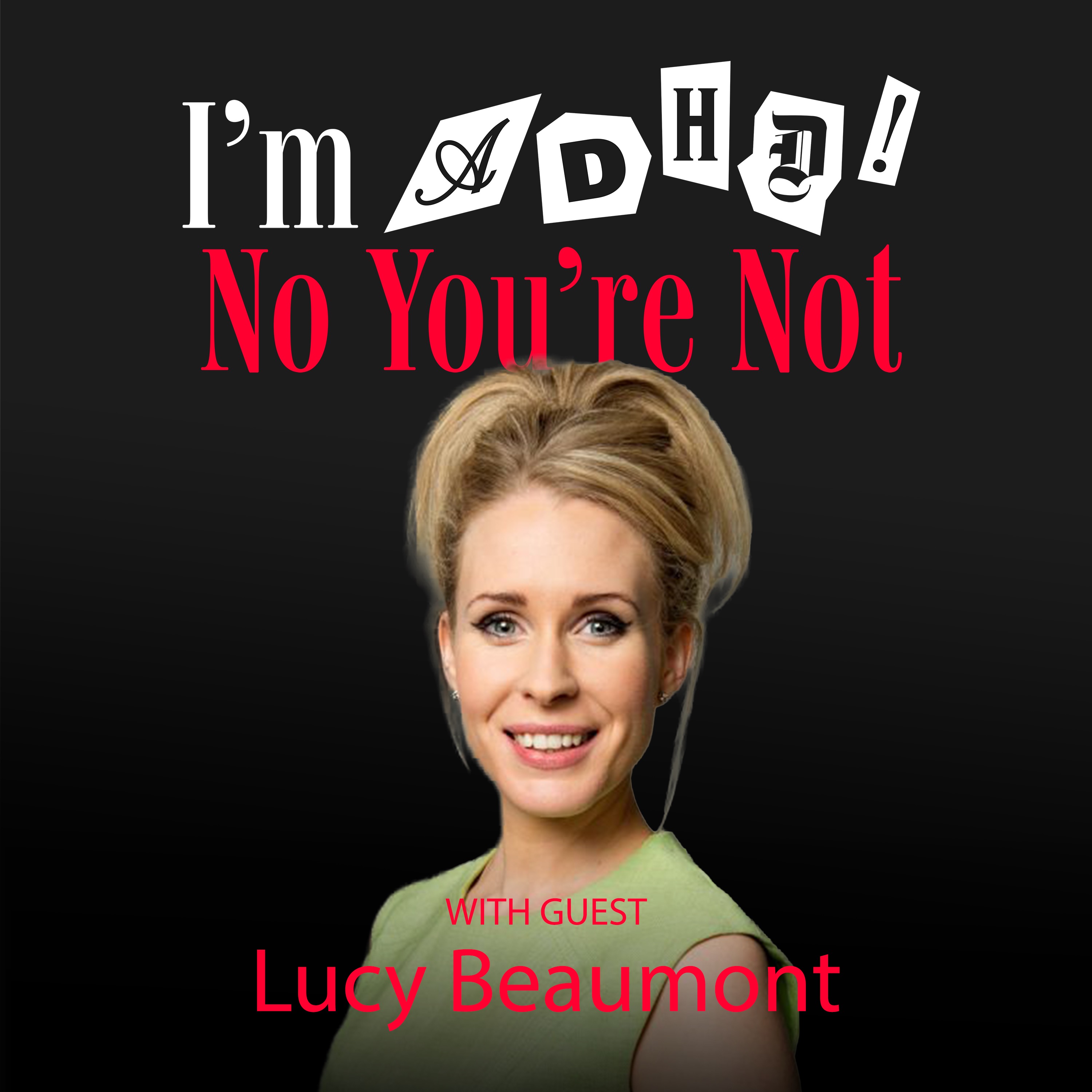
Listen through the publisher, then discuss the episode here or arrange an in-person Roundtable. Your city determines where to meet.
Roundtables are designed for groups of four, with a shared subject and room for everyone to speak. Come for discussion, with no dating expectation.
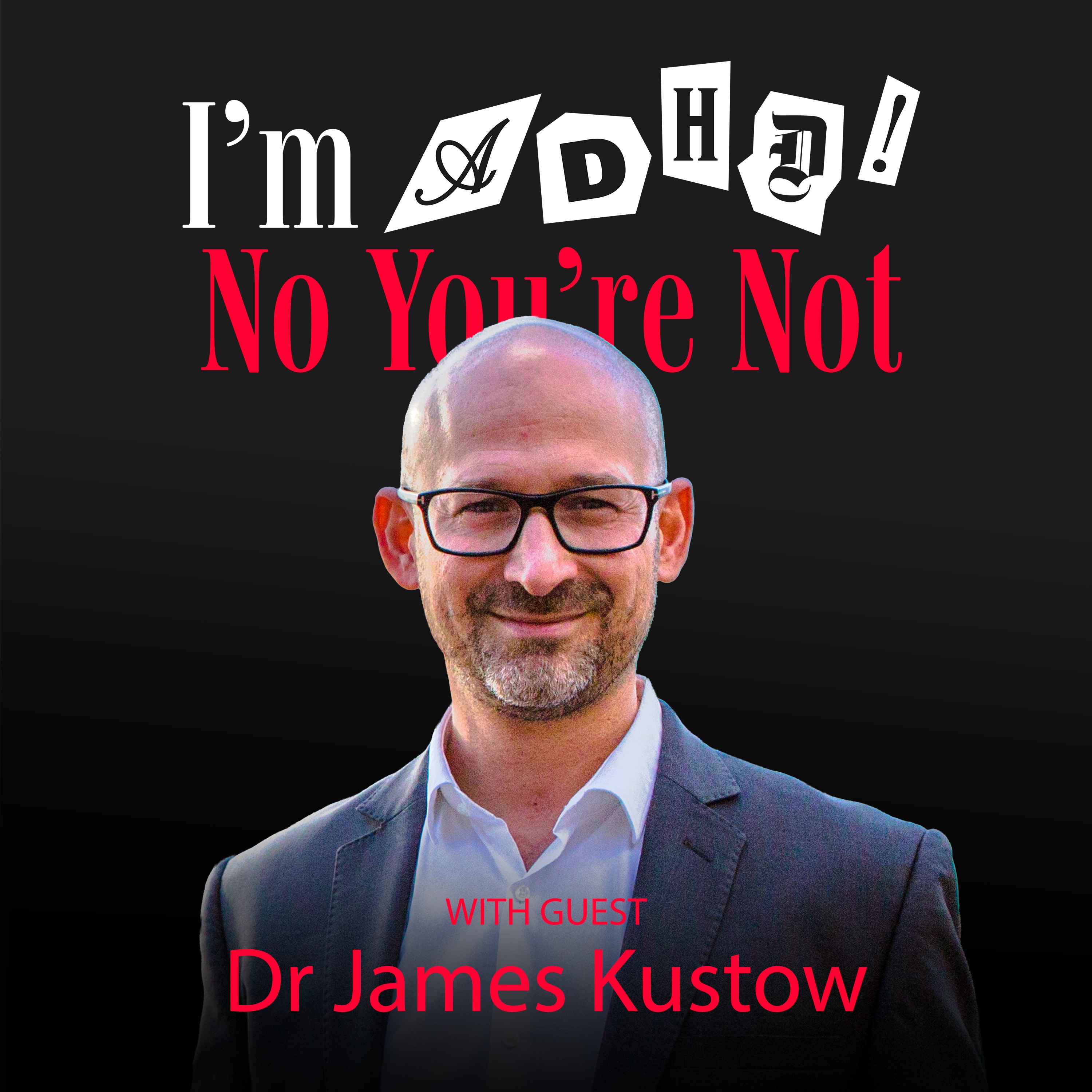
What if we’ve been thinking about ADHD all wrong? Consultant psychiatrist and adult ADHD specialist Dr. James Kustow joins us to question what the 'D' in ADHD really means. He argues that ADHD is more than a list of symptoms or an attention problem — it’s a difference in how the brain and body regulate attention, energy, emotions, impulses, sensory information and much more. James shares his own experience of growing up with ADHD, his journey from medicine into psychiatry, and why his research led him to explore the surprising links between ADHD, hypermobility and the body as a whole. He also explains why he believes trauma can play an important role in ADHD without being the cause of all ADHD, and discusses his own experiences with trauma-processing techniques such as tapping. So, if ADHD is a disorder, where exactly is the line between difference and dysfunction? And could understanding the whole person — rather than simply trying to reduce ADHD symptoms — be the key to actually thriving as an ADHD’er? Hosted on Acast.
Episode information is provided by the publisher. Listening takes place on the publisher’s service.
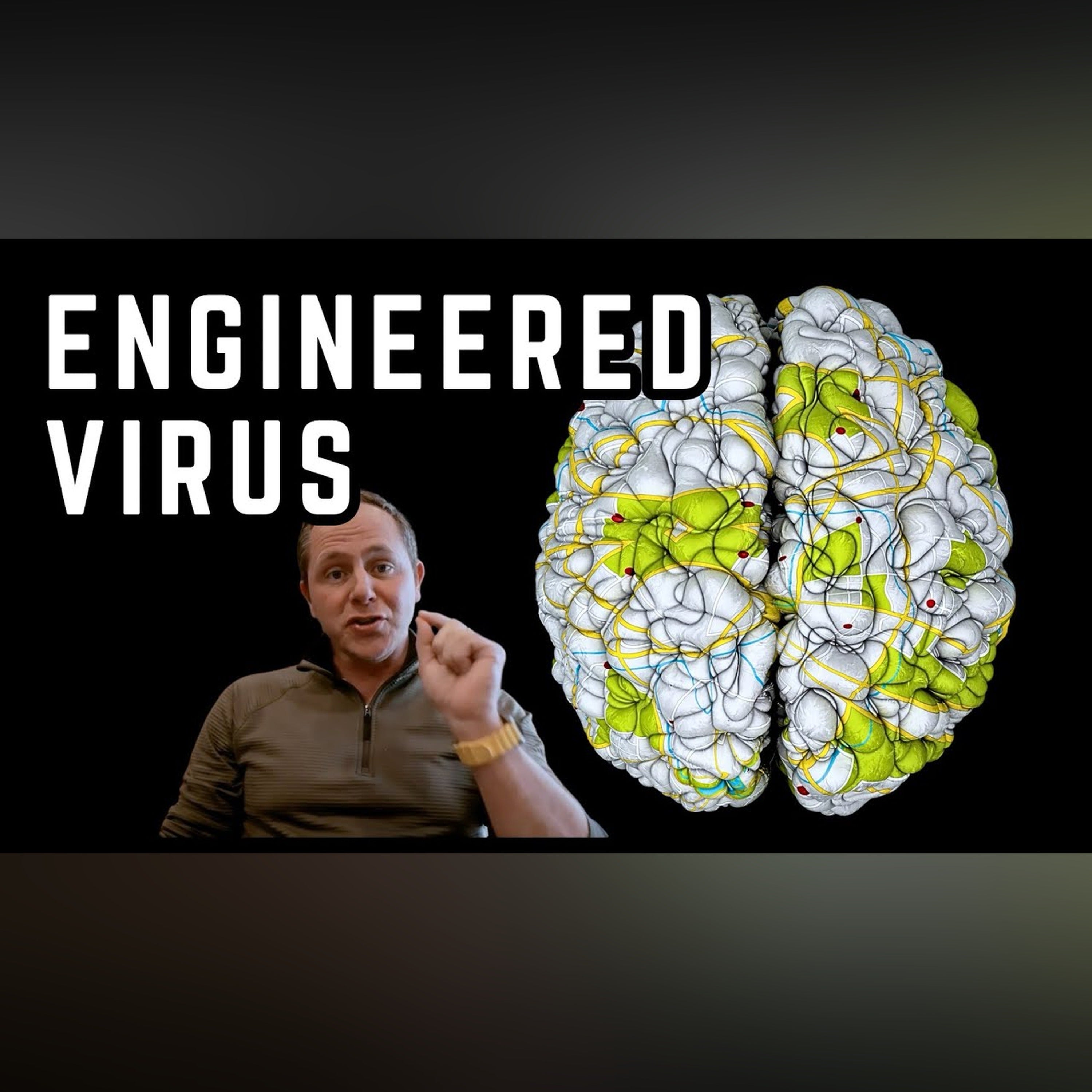
Free INTENSIVE behavior science training: https://nci.university/opt-in-page-808244 Uploaded 13-12-25 Link to original paper: https://www.cell.com/cell/fulltext/S0092-8674(25)01305-4 A neuroscience paper published in Cell just days ago answers a question researchers have been trying to solve for years: what actually changes in the brain during a psilocybin experience—and why those changes can last. Using a genetically modified rabies virus as a neural tracer, researchers were able to map—cell by cell—how psilocybin alters brain connectivity. This allowed them to see, for the first time, which brain regions gain connections, which lose them, and how those changes depend on what the brain is doing during the experience itself. The findings help explain long-standing observations discussed by neuroscientists, psychiatrists, and researchers often referenced on platforms like Huberman Lab: • Why psilocybin can reduce depression and anxiety • Why the default mode network quiets during psyche
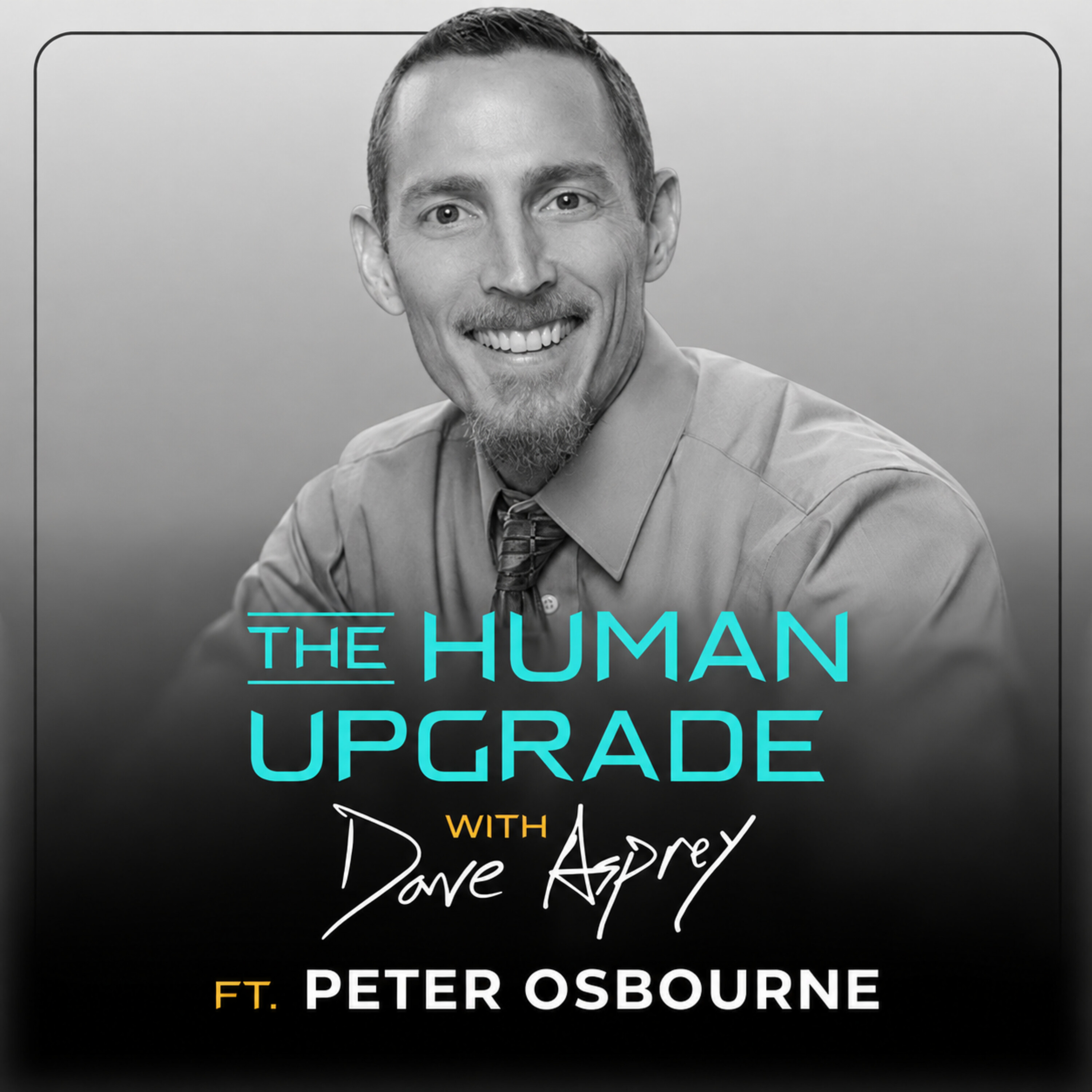
Gluten Sensitivity, Gut Health, Chronic Inflammation, Food Addiction & Big Food Host Dave Asprey sits down with Dr. Peter Osborne, clinical nutrition expert, founder of the Gluten Free Society, and author of No Grain, No Pain, to explore gluten sensitivity, chronic inflammation, gut health, food cravings, brain fog, and the influence of the food industry on modern nutrition. In this special Thanksgiving episode, Dave and Peter challenge conventional thinking about grains, discuss the differences between celiac disease and non-celiac gluten sensitivity, and examine why certain foods may contribute to health problems even when people experience no immediate digestive symptoms. Peter explains how the digestion of gluten produces peptides known as gluteomorphins and discusses their potential relationship with opioid receptors, food cravings, and eating behavior. Dave shares his personal experiences with gluten, brain fog, and persistent carbohydrate cravings, while examining the relationsh
Everyone has an excuse. The question is whether yours is actually stopping you or whether you're letting it. In Episode 49 of The Eagle's Nest, Alex takes a well-earned week off, with Cameron being joined by special guest Vishnu to tackle a question we've all asked ourselves at some point: What's your excuse? Whether it's getting fitter, learning a new skill, competing or simply making progress towards something important, we explore why people create excuses, how easily those excuses become habits, and why waiting for the perfect circumstances often means never getting started. Vishnu identifies the three biggest excuses he hears: ⏰ Time — "I just don't have enough time." Is it genuinely a lack of time, or a question of priorities? Lack of knowledge — "I don't know enough yet." Why do we convince ourselves we need more information before we're allowed to begin? Motivation — "I'm just not motivated." What happens when you stop waiting to feel ready and start taking action anyway? We al
► We want to hear from you! ► Sign up to our most popular newsletter, From the Editor. Producer: David Levene Senior Producer: Emma Williams Studio Operator: Meghan Searle Video & Social Producer: Nada Aggour Executive Producer: Charlotte Seligman Editor: Camilla Tominey Hosted on Acast.
Welcome back to our REWIND series! Christi and Kelly are going back through the archive, re-editing, and re-uploading our old episodes — in order, from the very beginning of Dance Moms. This week, they’re finishing Season 2, Episode 13, “Abbygeddon,” with former Dance Moms producer James back to help break down what was really happening behind the scenes. On paper, this should have been one of Chloe’s biggest weeks ever. She impresses the judges at the Joffrey audition, gets offered a scholarship, then goes to competition and wins first place with her Red Queen solo. But instead of celebrating any of it, the entire weekend gets swallowed up by what happens when Maddie forgets her dance. Christi, Kelly, and James look back on Maddie’s panic, Abby’s emotional reaction, and why watching Abby comfort one child so differently from the others made the favoritism impossible to ignore. We originally aired this episode back in 2022, but it's been re-edited specifically for YouTube! Grab your ti
Do you ever feel hurt when your kids choose your partner over you? Maybe they always want your spouse to sit next to them or drive them somewhere. Even though you know they love you, it can still feel like rejection. In this second episode of Thanks, Brain!, my best friend and fellow coach Rachel Hart shares how she spent months feeling angry and hurt because her two boys consistently preferred their dad, and how she changed that experience for herself. I also share a Thanks, Brain! moment of my own, when I realized that what I'd been calling dread before filming might actually be something else entirely. We explore how the stories we attach to physical sensations can change how we experience them, without needing to change the sensations themselves. Get full show notes, transcript, and more information here: https://schoolofnewfeministthought.com/548 Follow Kara on Instagram: instagram.com/karaloewentheil/ (https://www.instagram.com/karaloewentheil/) Follow Rachel on Instagram: instag
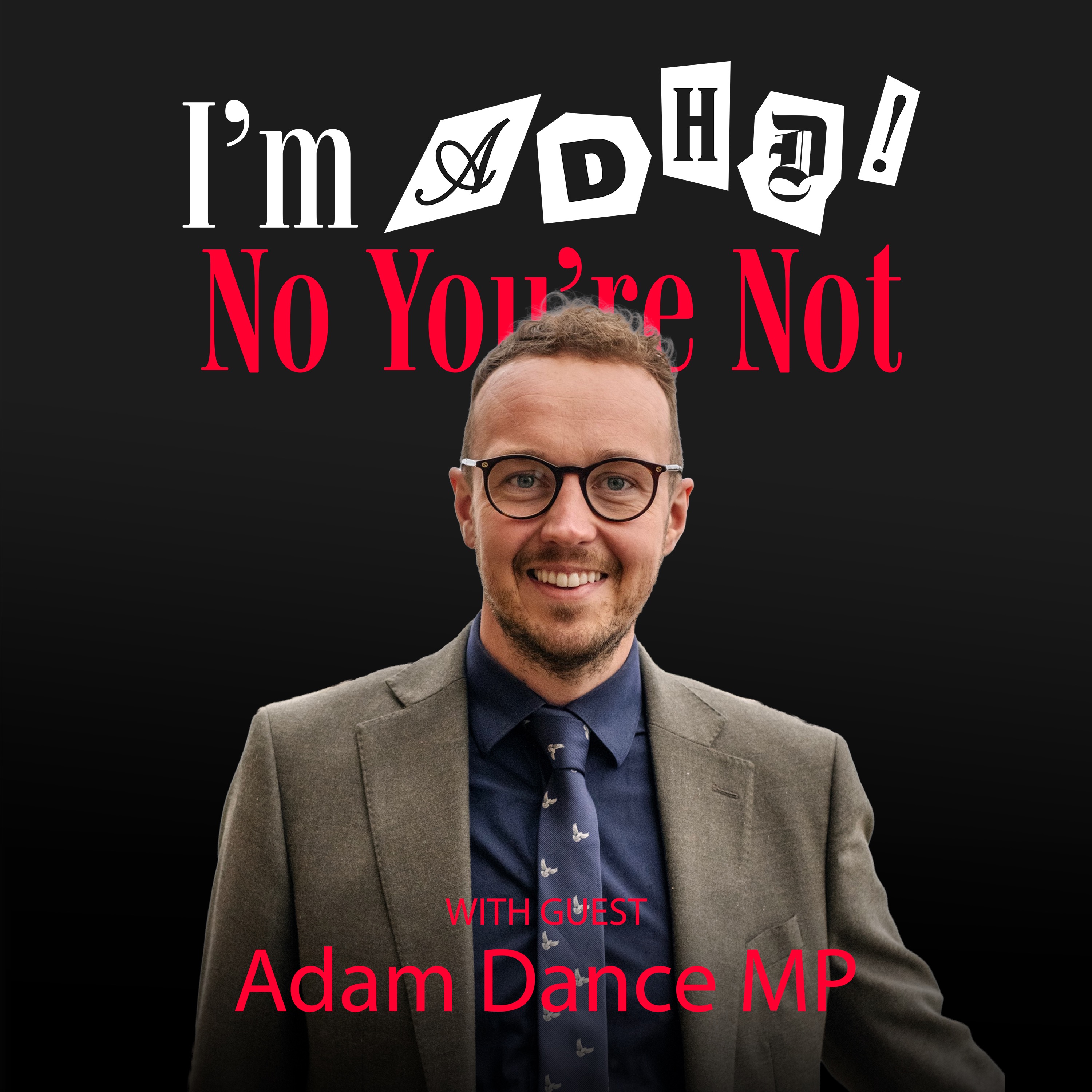
Adam Dance MP was told as a child that he was naughty, difficult and unlikely to achieve. He was put on medication at six and diagnosed with ADHD at seven, bullied by a teacher in front of his classmates and eventually walked out of school. Now, he’s an MP fighting to change the way neurodivergent children are supported in education. In this episode, Adam talks about being written off as a child, the impact of bullying and isolation, and how the support he did receive from his local youth club helped him turn things around. He also explains why he’s pushing for universal neurodiversity screening, better training for teachers, and a dedicated Minister for Neurodiversity. From being told he was going to fail to becoming a voice for children with ADHD, Adam’s story is about proving people wrong and making sure the next generation gets the support he didn’t. Hosted on Acast.
Comedian and actor Lucy Beaumont joins Dr Mine Conkbayir for a refreshingly unconventional conversation about ADHD, identity and the pressure to constantly fix ourselves. Diagnosed at 40, Lucy has had a complicated relationship with the label. She questions whether ADHD really captures the wonderfully messy business of being human, and reflects on how the diagnosis has changed the way she sees herself. From overthinking and smartphones to social media influencers selling us solutions to problems we might not even have, Lucy shares her scepticism, her frustrations and plenty of laughs along the way. She also looks back on her route into comedy, her time working in schools, and why sometimes the best thing we can do is stop trying to solve everything. Is it ADHD, or are we all just a bit weird? Hosted on Acast.
Long-term environmental commitments should require public review before a new government abandons them.
Share your view, then see how readers voted. No sign-in required. This poll is shared across stories.
Do you agree or disagree?
Common Quandary
A Common Quandary to discuss
Another conversation to explore, separate from this news story.
You wear an expensive outfit once and return it spotless. Clever or dishonest?
You buy an expensive outfit for a single event, keep it spotless, and return it the next day. The store's generous policy allows returns without asking whether an item was worn.
Does exploiting a policy differ from breaking a rule?