🎙️ The Eagle's Nest — Episode 49: What's Your Excuse?
73 min
Listen through the publisher, then discuss the episode here or arrange an in-person Roundtable. Your city determines where to meet.
Roundtables are designed for groups of four, with a shared subject and room for everyone to speak. Come for discussion, with no dating expectation.
Everyone has an excuse. The question is whether yours is actually stopping you or whether you're letting it. In Episode 49 of The Eagle's Nest, Alex takes a well-earned week off, with Cameron being joined by special guest Vishnu to tackle a question we've all asked ourselves at some point: What's your excuse? Whether it's getting fitter, learning a new skill, competing or simply making progress towards something important, we explore why people create excuses, how easily those excuses become habits, and why waiting for the perfect circumstances often means never getting started. Vishnu identifies the three biggest excuses he hears: ⏰ Time — "I just don't have enough time." Is it genuinely a lack of time, or a question of priorities? Lack of knowledge — "I don't know enough yet." Why do we convince ourselves we need more information before we're allowed to begin? Motivation — "I'm just not motivated." What happens when you stop waiting to feel ready and start taking action anyway? We also dive into Vishnu's own martial arts journey, exploring his competition history, the challenges of cutting weight, and the decisions he's made along the way where excuses simply weren't part of the equation. Because sometimes the difference between people who achieve their goals and those who don't isn't talent, knowledge or motivation. It's the willingness to start before everything is perfect. As usual, expect a few tangents, plenty of laughs and some uncomfortable truths about the stories we tell ourselves. You don't need another excuse. You need a reason to begin.
Episode information is provided by the publisher. Listening takes place on the publisher’s service.
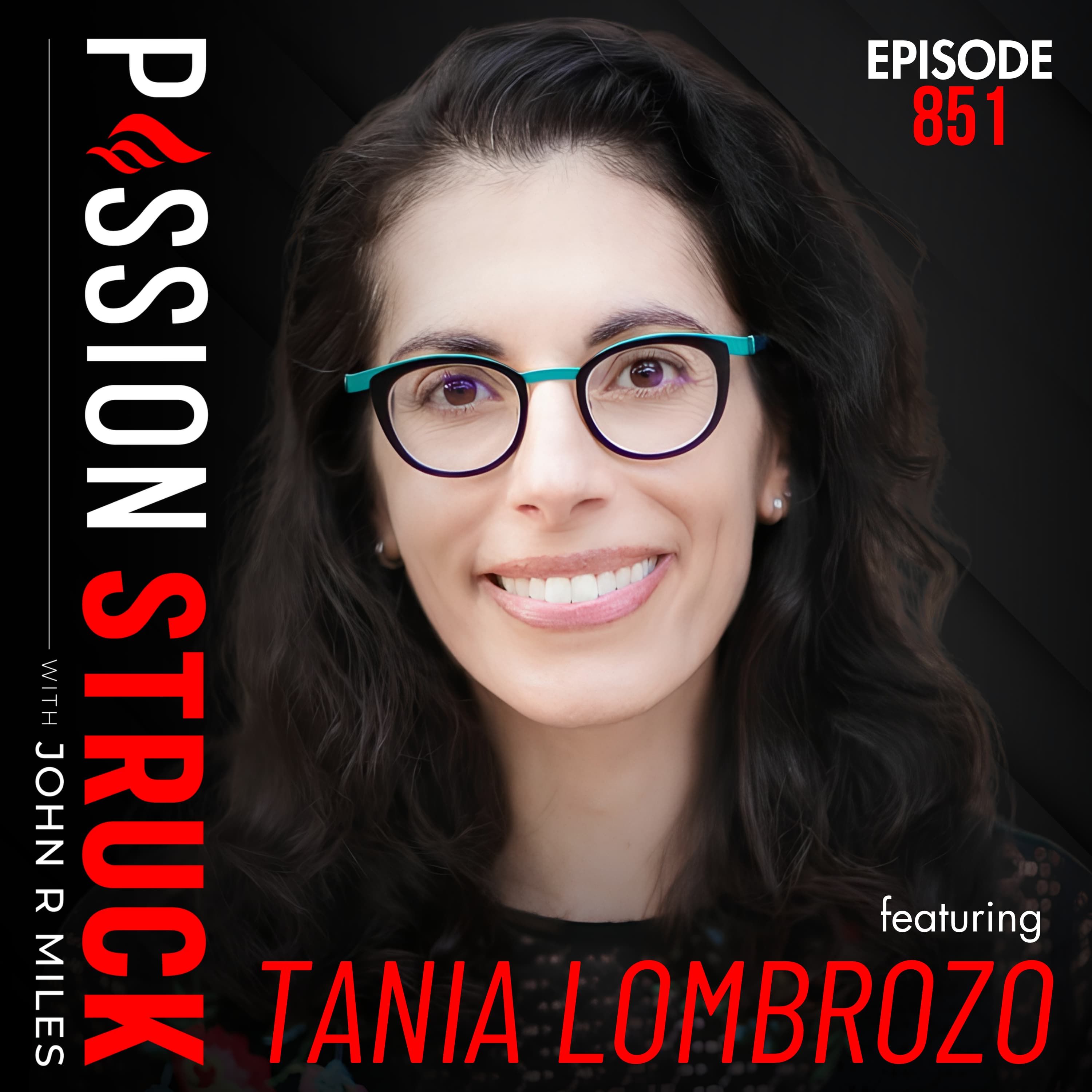
Why do we feel such a powerful need to understand why things happen? And what if the explanations we create to make sense of our lives do more than help us understand the past? What if they're also shaping our future? Cognitive scientist and philosopher Dr. Tania Lombrozo joins John R. Miles to explore the science behind our human drive to explain the world. In her book, Why We Ask Why: The Science of Explanation and the Human Drive to Understand (https://link.amazon/B08VacRls), Lombrozo reveals that humans don't simply collect facts or observe what happens around us. We actively construct explanations to make sense of experience, anticipate what comes next, and decide how to act. But those explanations have consequences. The stories we tell ourselves about who we are, why something happened, and how other people behave can influence our identity, relationships, decisions, and even our assumptions about entire groups of people. Together, John and Tania explore why children constantly a
Tom started speaking on the AA circuit at three years sober, but the applause did something he couldn't do for himself: it made him feel worthwhile. Five minutes after the room sat down, that feeling was gone. ☀️ Sober Sunrise App ☀️ Sober Sunrise Episode Archive Hundreds of AA speaker tapes and recovery stories: Sober Sunrise Merch Sober Sunrise Newsletter More than 31 years sober, Tom talks about the emotional dependencies that can remain long after the drinking stops. The end of a relationship brought him to an emotional bottom, and Bill W.'s writing on emotional sobriety helped him examine how much of his worth he had placed in other people's hands. His wife and friends could write pages describing the good in him, and his son could tell him he couldn't have asked for a better father, yet Tom struggled to believe any of it. With blunt humor, he connects his people-pleasing, perfectionism, controlling behavior, and automatic self-criticism to the continuing work of the Twelve Steps.
Missing someone you love? Struggling with heartbreak, emotional pain, or the sadness of letting go? This gentle sleep hypnosis offers a comforting space to acknowledge your feelings, release some of the weight you're carrying, and drift into peaceful sleep. When someone is no longer part of your life in the way they once were, the nights can feel especially difficult. Memories return, emotions become stronger, and moving forward may seem impossible. You don't have to forget someone to begin finding peace. You don't have to erase the beautiful moments you shared or force yourself to feel better before you're ready. This compassionate guided sleep hypnosis invites you to approach your emotions with kindness, acceptance, and patience. After a soothing relaxation, you'll imagine walking along a quiet path beside a peaceful river, slowly counting down from fifteen to one as your body settles more deeply into rest. Through a gentle visualization, you'll have the opportunity to thank the rela
Join hosts Marco Timpano and Amanda Barker, along with special guest Mia, Marco’s niece, for a calm, meandering conversation about seasonal pillows, movie theatre popcorn, and the age-old question: broccoli or cannoli? This week Marco’s niece Mia joins the show, and the three of them begin with an unexpectedly cozy subject: swapping out your pillows as the seasons change. From there they tackle a food debate nobody saw coming, broccoli or cannoli, and take a long look at movie theatre popcorn. They also try to work out the perfect gift for the person who has everything, and Marco proudly names himself “the Oprah of Bidets.” Mia shares how much she’s looking forward to the new Hunger Games movie. It’s a relaxing conversation full of little tangents, family banter, and nothing that needs your full attention. What We Talk About Special guest Mia, Marco’s niece Changing out your seasonal pillows Broccoli or cannoli: which is your favourite? Movie theatre popcorn The perfect gift for the pe
What if better nutrition starts with adding foods rather than cutting out everything you love? We’re exploring how you can build sustainable eating habits by prioritizing fruits and vegetables, getting enough protein, and finding a calorie intake that supports your goals—you’ll learn practical ways to make progress without restrictive rules or quick fixes. Get Started with the Three Pillars Method: Get the Book (https://www.amazon.com/dp/B0HKV8GKQZ) ABOUT THE SHOW ABOUT US Patrick Cummings is a long-time CrossFitter, kids' book writer (https://www.amazon.com/dp/B0DLTBRWRB), and podcaster. Find him on social media (https://www.instagram.com/pscummings). Full Disclaimer (https://optimizemenutrition.com/disclaimer/)
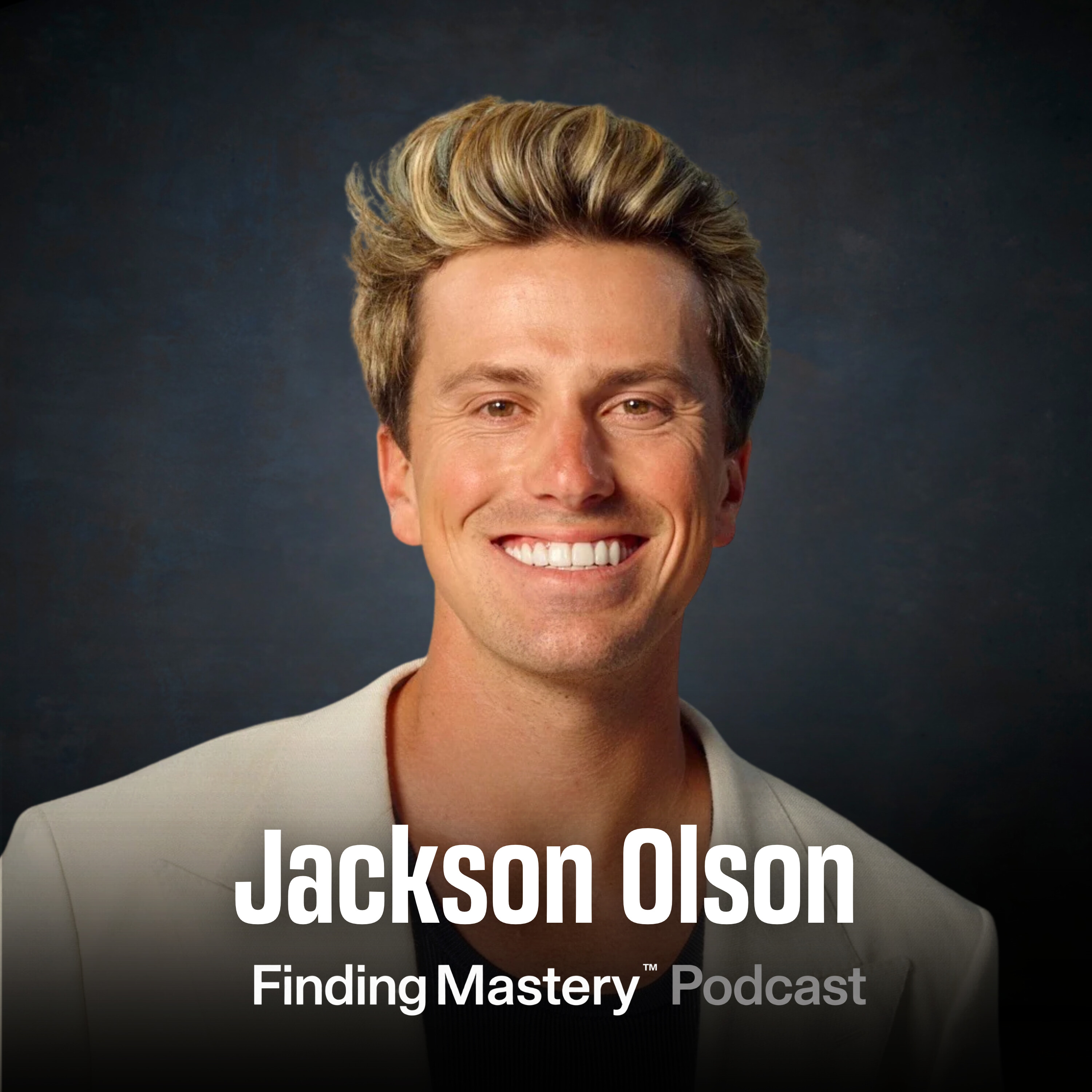
Jackson Olson was playing second base for the Savannah Bananas when his vision started to go and his heart began racing. He found himself picking up dirt and rubbing it on his face to make sure his hands were his own. He made two errors in a row on balls hit right at him, the kind he rarely misses. Then he sat in the locker room with his head in his hands for 30 minutes while his teammates walked in and out desperately trying to figure out what had happened. As a second baseman for the famed Savannah Bananas and a contestant on season 35 of Dancing with the Stars, Jackson has millions of people watching him do what he loves. From the outside, it looked like he was on top of the world. But behind the scenes, he was struggling. Jackson was embarrassed by his panic attacks. He felt a responsibility to keep being the person everyone believed him to be, including the teammates who looked to him as someone who had it all figured out. He describes it as living a double life. The turning point
What happens when the very thing that makes you successful in one sport starts holding you back in another? In Episode 48 of The Eagle's Nest, Alex and Cameron welcome special guest Apryl, better known as "The Wolf," to talk about her journey from competitive cycling to wrestling and Brazilian Jiu-Jitsu. Apryl takes us through her sporting background, including the solitary hours spent training on the bike that eventually earned her the nickname "The Wolf." But one of the most interesting parts of our conversation was Apryl's admission that she's incredibly competitive. In cycling, that mindset worked beautifully. It's a relatively binary world: the clock doesn't lie, and you either achieve the result or you don't. Jiu-jitsu, however, presented a completely different challenge. The same fierce competitiveness that helped drive her cycling success actually hindered some of her early progress in competitive jiu-jitsu. Learning to navigate a sport where progress isn't always measurable by
At what point does a martial art stop being martial and become just a sport? In Episode 47 of The Eagle's Nest, we tackle the sometimes controversial divide between sport martial arts and self-defence. From highly competitive combat sports to performance-based disciplines where the fighting element has almost completely disappeared, we explore what actually makes something a martial art. Is it the techniques? The traditions? The intention behind the training? Or does there need to be a genuine consequence when something goes wrong? We discuss: Sport vs self-defence — Where do we draw the line between martial arts and athletic performance? The overlap — Why sport-based martial arts can develop genuine fighting ability, and why traditional self-defence training doesn't automatically make someone an effective fighter. The importance of consequences — Why pressure, resistance and the possibility of failure are essential to developing practical martial arts skills. When martial becomes perf
Everyone knows someone who thinks they can fight. But can they actually? In Episode 46 of The Eagle's Nest, Alex and Cameron pitch their latest million-dollar television concept: So You Think You Can Fight (SYTYCF) which a martial arts reality show inspired by So You Think You Can Dance. The premise is simple. Take everyday people who are convinced they can fight, put them in front of a panel of judges, and find out whether their confidence matches their ability. But why do so many people, particularly men with absolutely no training, genuinely believe they know how to fight? We explore where that confidence comes from, what separates someone who can actually fight from someone who just thinks they can, and the physical, technical and psychological characteristics that make a capable fighter. We also assemble our dream panel of celebrity martial arts judges and debate who would be best qualified to separate the contenders from the completely delusional. Confidence vs competence — Why d
Basic household water needs should come before less essential uses during shortages.
Share your view, then see how readers voted. No sign-in required. This poll is shared across stories.
Do you agree or disagree?
Common Quandary
A Common Quandary to discuss
Another conversation to explore, separate from this news story.
Your boss offers lessons to make you sound “more professional.” Do you take them?
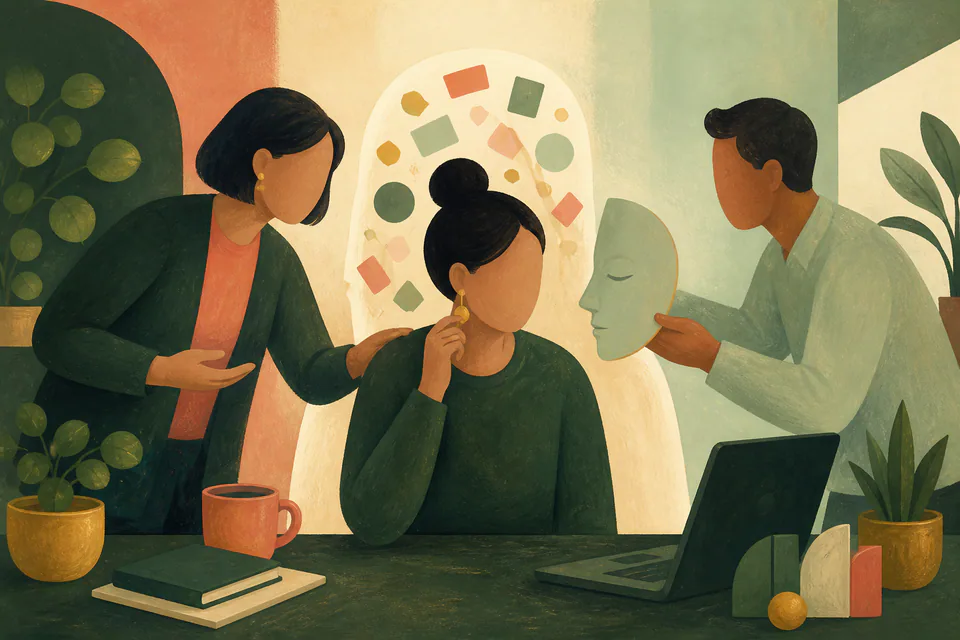
Clients sometimes ask an employee to repeat themselves during calls. Their manager offers company-paid speech coaching framed as clearer communication, but the employee experiences the request as pressure to hide part of their identity.
When does improving communication become demanding conformity?