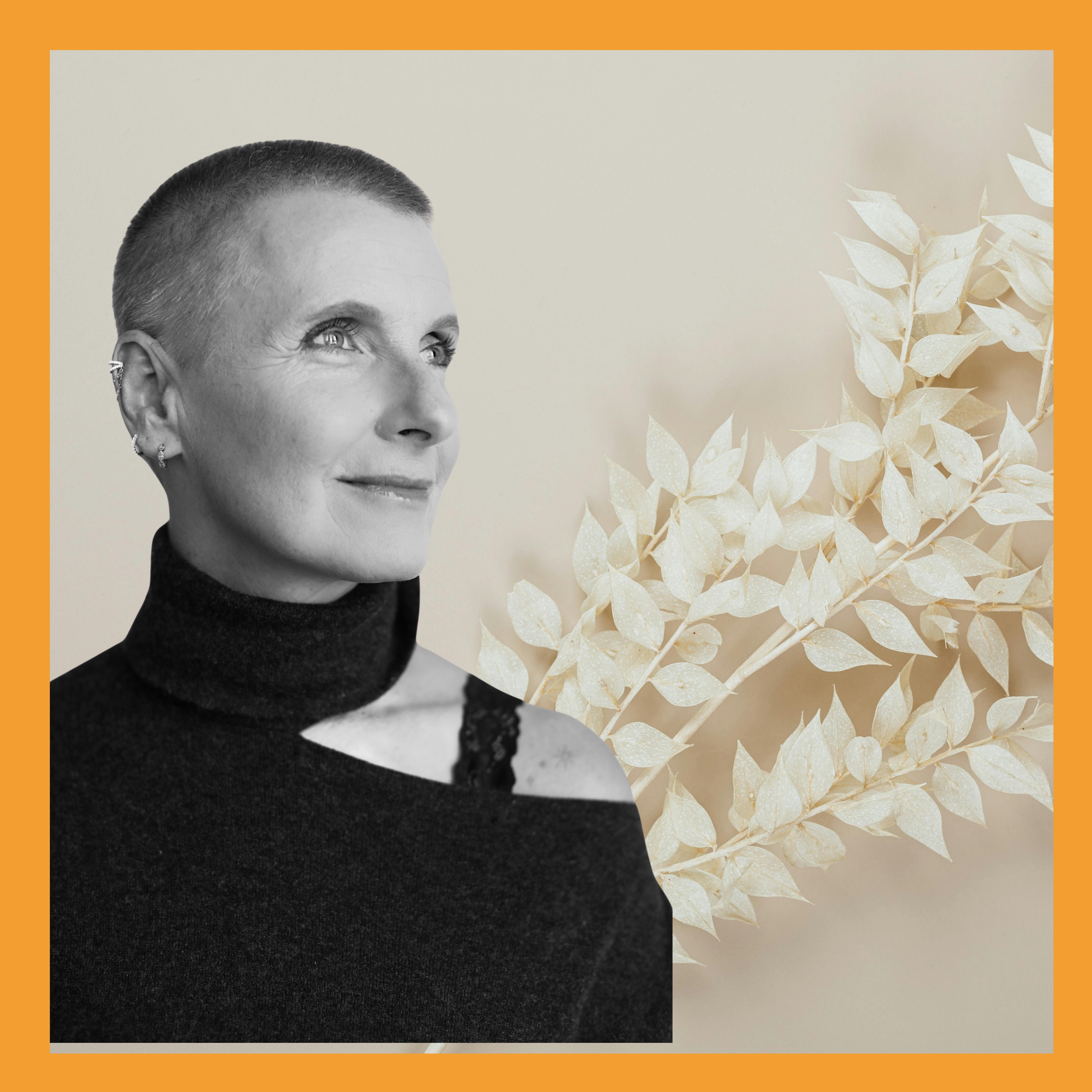
Elizabeth Gilbert on love addiction, grief and life after Eat, Pray, Love
Listen through the publisher, then discuss the episode here or arrange an in-person Roundtable. Your city determines where to meet.
Roundtables are designed for groups of four, with a shared subject and room for everyone to speak. Come for discussion, with no dating expectation.
Elizabeth Gilbert became a worldwide phenomenon with Eat, Pray, Love, a memoir about finding herself after heartbreak, but in this interview she tells Julia Samuel her story didn't end on the final page. Despite years of talking therapy, extraordinary success and profound self-awareness, she continued to find herself caught in destructive relationships, searching for someone who could finally make her feel safe. In her new memoir, All the Way to the River, Elizabeth Gilbert writes about her relationship with Rayya Elias, the great love of her life, whose addiction and eventual death brought them both to devastating places. She speaks openly about identifying as a sex and love addict, the difference between understanding our behaviour and actually changing it, and how her desperate need for love and connection led her to abandon herself. Together, Elizabeth Gilbert and Julia explore the childhood experiences that shape our relationships, why we can become addicted to emotional intensity, and the difference between feeling good and genuinely being well. Elizabeth also shares the painful reality of grieving Rayya, the shame surrounding love addiction and how recovery has taught her to set boundaries, stop people-pleasing and begin caring for the younger parts of herself. This is a powerful conversation about love, obsession, grief and recovery, and what it really takes to stop looking to other people for the safety and belonging we need to find within ourselves. – Join Julia, Emily and Sophie for a special live Therapy Works event in London on 7th December, exploring how to navigate the challenges of Christmas. Book your tickets here (https://www.thetimes.com/event/therapy-works-live-with-julia-samuel-c992vqrpr). Looking for therapy? If you're looking for support or help finding the right therapist, visitwww.samueltherapypractice.com (https://www.samueltherapypractice.com/). Support resources: Sex and Love Addicts Anonymous (SLAA) – Peer support and recovery meetings for people experiencing love addiction, romantic obsession, codependency or compulsive sexual behaviours.https://slaauk.org/https://slaauk.org/ Co-Dependents Anonymous (CoDA) – A Twelve Step fellowship supporting people who want to develop healthier relationships and address patterns of codependency.https://codauk.org/https://codauk.org/ Cruse Bereavement Support – Emotional support and guidance for anyone experiencing grief following a death.https://www.cruse.org.uk/https://www.cruse.org.uk/ | Helpline: 0808 808 1677 Chapters: 00:00 Introduction 03:21 Elizabeth Gilbert on sex and love addiction 07:13 Why understanding your behaviour isn't enough to change it 11:20 How do you recognise addiction? 16:14 Childhood wounds and the fear of abandonment 20:26 Elizabeth's relationship with Raya and the dangers of addiction 25:06 When love becomes destructive 29:45 Why sex and love addiction remains a taboo 33:05 Recovery, honesty and learning to see yourself 34:47 The difference between feeling good and being well 42:01 Grieving Raya and questioning how we grieve 48:00 Learning to put yourself first in recovery 55:30 Spirituality, surrender and finding peace 1:02:38 Mother/Daughter Reflection: Love, addiction and emotional sobriety 1:08:36 Why self-awareness alone isn't enough 1:13:33 Why healthy relationships can feel boring If you found this conversation helpful: You may also enjoy Julia's conversation with Rosanna Brown, exploring profound grief, the impact of bereavement on family life and finding a way forward after tragedy. Listen to the episode here. (https://podcasts.apple.com/es/podcast/the-hidden-grief-of-baby-loss-and-tfmr/id1646616622?i=1000796249899) Never miss an episode: follow the show on Apple Podcasts (https://podcasts.apple.com/gb/podcast/therapy-works/id1646616622) or Spotify (https://open.spotify.com/show/2xX6vhzpn7LtZ8vTeiWDf4?si=06e0f99cba9b46dd). Watch Therapy Works onhttps://www.youtube.com/@juliasamuelmbe/videosJulia's YouTube channel (https://www.youtube.com/@juliasamuelmbe/videos) and subscribe tohttps://juliasamuel.substack.com/Therapy Works on Substack (https://juliasamuel.substack.com/) for weekly insights into emotional wellbeing. Subscribehttps://www.thetimes.com/subscribe/here (https://www.thetimes.com/subscribe/) to The Times and The Sunday Times to enjoy unlimited digital access to all our journalism. Guest: Elizabeth Gilbert Producer: Georgie Rutherford Executive Producer: Emily Leahy Video Producer: Darren Michael Hosted on Acast.
Episode information is provided by the publisher. Listening takes place on the publisher’s service.
Listen at the source ↗