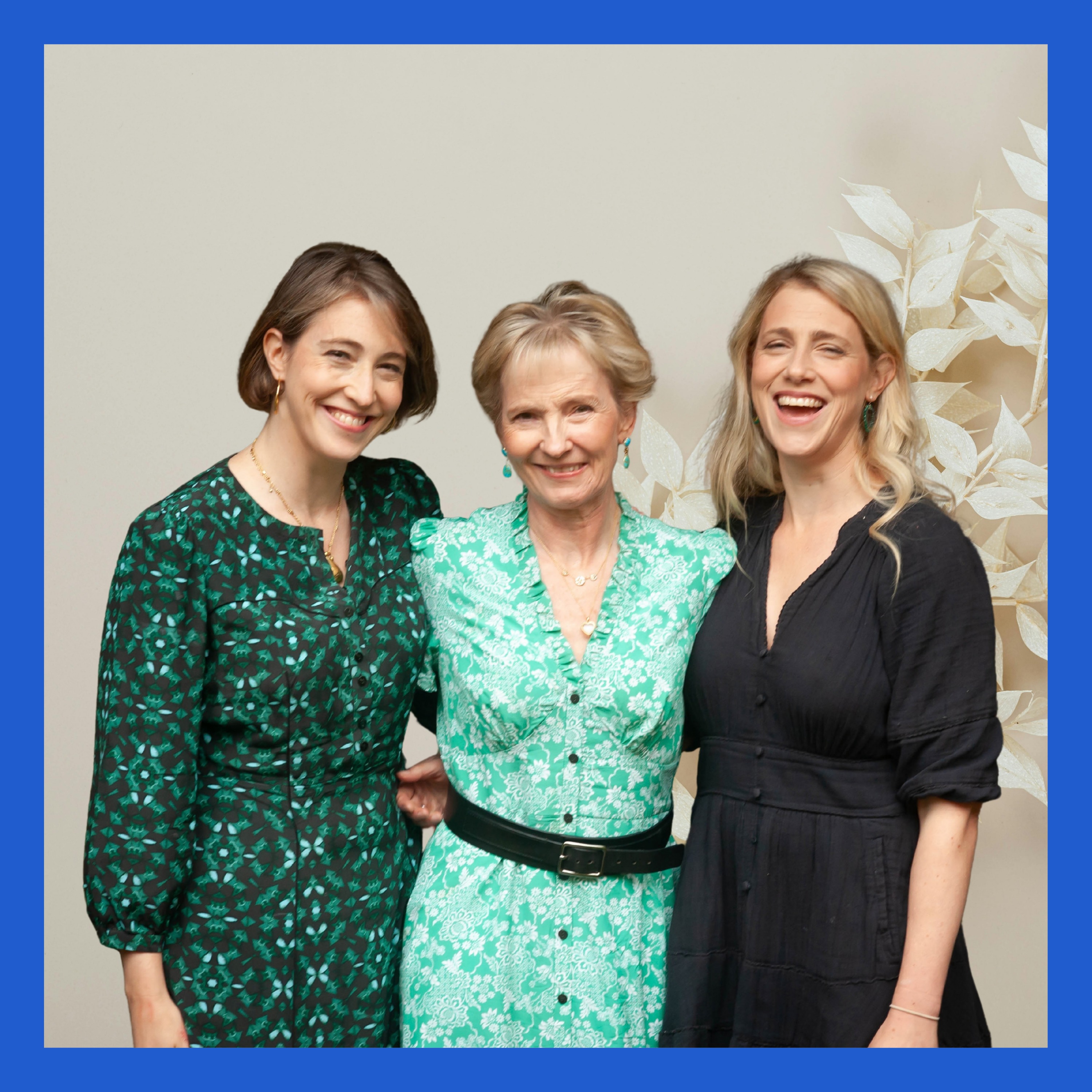
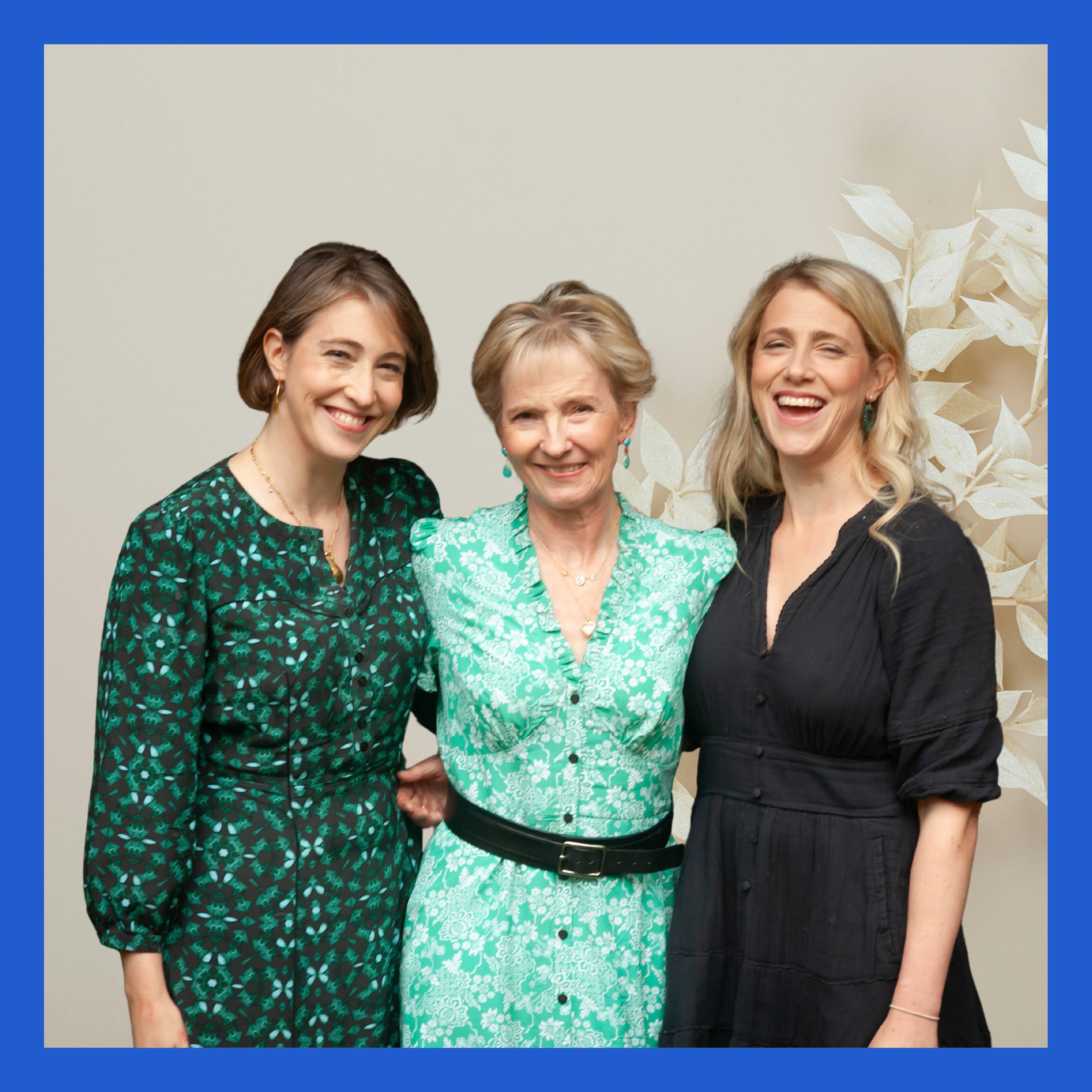
Can therapy change family dynamics for the worse? Psychotherapist Julia Samuel explores what happens when an adult child's growth creates tension at home. This week's listener is a parent whose adult daughter has been in therapy for several years. While they've seen her grow in confidence and become happier, they've also noticed a change in how she relates to the family. Her increasing use of therapeutic language has left them feeling judged, patronised and afraid of saying the wrong thing. Psychotherapist Julia Samuel and her daughters Sophie and Emily explore how therapy can affect family dynamics and why personal growth can sometimes create unexpected tensions in our closest relationships. The listener misses the humour and ease they once shared with their daughter, but worries that speaking up could damage their relationship. Julia shares her own experience of bringing therapy into family life, while Emily reflects on how attending therapy as a young adult affected her relationship
How do you rebuild your life after an extreme trauma? Psychotherapist Julia Samuel speaks to broadcaster JJ Chalmers about living with PTSD. In 2011 JJ Chalmers survived a devastating bomb blast while serving as a Royal Marines commando in Afghanistan. The explosion left him with life-changing injuries and killed three of his fellow servicemen. He went on to rebuild his life, becoming a successful BBC presenter and a familiar face on Strictly Come Dancing. But behind this extraordinary story of resilience, JJ was living with the mental health consequences of trauma that would take more than a decade to fully confront. In this personal conversation with Julia Samuel, JJ Chalmers opens up about living with PTSD, chronic pain and the emotional toll of surviving something so catastrophic. He describes how the military taught him to suppress fear and push through unimaginable circumstances, but how those same survival mechanisms eventually began to affect his everyday life. After years of t
This week psychotherapist Julia Samuel and her daughters Sophie and Emily explore why people pleasing develops, how our past relationships shape our fear of rejection and what it takes to feel secure enough to express our own needs. This week's listener is a man in his forties who has spent much of his life putting other people's needs before his own. Following a divorce and a difficult experience of adoption, he's now in a new relationship but finds that even the smallest disagreement can trigger an overwhelming fear that his partner will leave him. With his former wife and child living abroad and few close friends in the UK, the listener feels increasingly dependent on his new partner. He struggles to make decisions for himself and worries that he's spent years of his life trying to keep everyone else happy. Although he's sought therapy, he's found it difficult to articulate what he wants from it, leaving him unsure where to turn for help. Together, Julia, Sophie and Emily discuss ho
Elizabeth Gilbert became a worldwide phenomenon with Eat, Pray, Love, a memoir about finding herself after heartbreak, but in this interview she tells Julia Samuel her story didn't end on the final page. Despite years of talking therapy, extraordinary success and profound self-awareness, she continued to find herself caught in destructive relationships, searching for someone who could finally make her feel safe. In her new memoir, All the Way to the River, Elizabeth Gilbert writes about her relationship with Rayya Elias, the great love of her life, whose addiction and eventual death brought them both to devastating places. She speaks openly about identifying as a sex and love addict, the difference between understanding our behaviour and actually changing it, and how her desperate need for love and connection led her to abandon herself. Together, Elizabeth Gilbert and Julia explore the childhood experiences that shape our relationships, why we can become addicted to emotional intensity
With frightening headlines, global uncertainty and growing conversations about disaster prepping, more of us are wondering whether we should be stocking up on emergency supplies, putting together survival kits or preparing for the worst. But when does sensible preparation become a source of anxiety? And how do we make sure that prepping for a potential disaster doesn't leave us living in constant fear? In this special bonus episode of Therapy Works, Julia Samuel is joined by Professor Lucy Easthope, one of the UK's leading experts in disaster preparedness and recovery, who has spent more than 20 years advising governments and supporting communities through crises. Drawing on her experience responding to disasters, and her books When the Dust Settles and Come What May, Lucy explores the psychology of prepping, why uncertainty can feel so overwhelming and how we can prepare for emergencies without allowing fear to take over. Together, Julia and Lucy discuss everything from prepping emerg
Can we ever stop trying to earn our parents' approval? Gyles Brandreth joins psychotherapist Julia Samuel to discuss grief, being “too much” and happiness. Broadcaster, author, former MP and much-loved television personality, Gyles Brandreth, joins Julia for a revealing conversation about childhood, grief, the need for approval and what it really takes to live a happy life. Known for his extraordinary energy, colourful jumpers and endless stories, Gyles Brandreth has spent a lifetime entertaining people. But beneath his public persona, he reveals something he has only come to understand in recent years: how much of his life has been shaped by his desire to fulfil his father's ambitions. From his time at the University of Oxford to his political career, Gyles reflects on the childhood expectations that continued to influence his decisions long into adulthood. Gyles Brandreth also opens up about the deaths of his parents, the impact of his sister's mental illness and his realisation that