English-language podcasts

Therapy Works

Prepping: how to stop living in fear of disaster with Professor Lucy Easthope | Special Episode
33 min

Listen through the publisher, then discuss the episode here or arrange an in-person Roundtable. Your city determines where to meet.

Roundtables are designed for groups of four, with a shared subject and room for everyone to speak. Come for discussion, with no dating expectation.

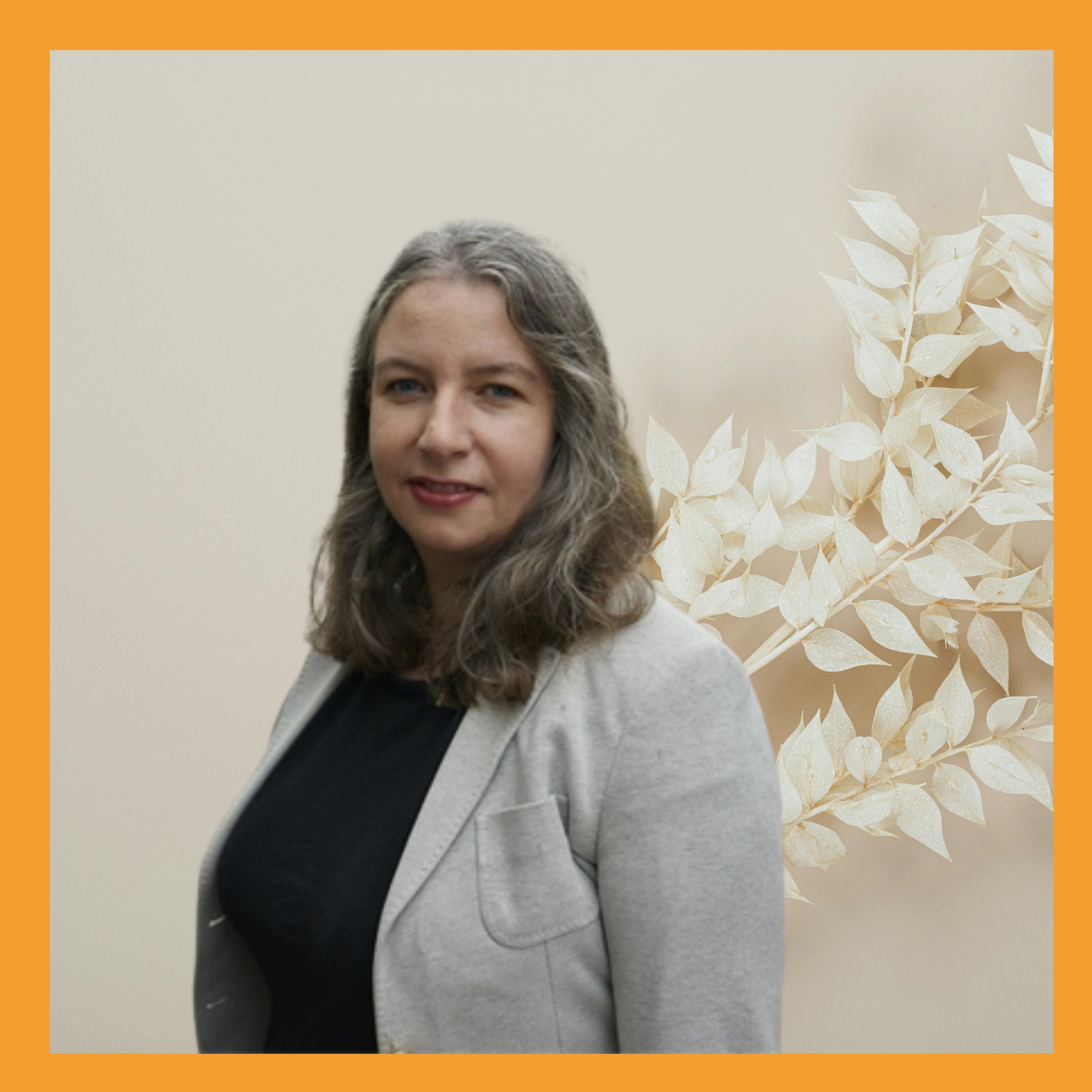
With frightening headlines, global uncertainty and growing conversations about disaster prepping, more of us are wondering whether we should be stocking up on emergency supplies, putting together survival kits or preparing for the worst. But when does sensible preparation become a source of anxiety? And how do we make sure that prepping for a potential disaster doesn't leave us living in constant fear? In this special bonus episode of Therapy Works, Julia Samuel is joined by Professor Lucy Easthope, one of the UK's leading experts in disaster preparedness and recovery, who has spent more than 20 years advising governments and supporting communities through crises. Drawing on her experience responding to disasters, and her books When the Dust Settles and Come What May, Lucy explores the psychology of prepping, why uncertainty can feel so overwhelming and how we can prepare for emergencies without allowing fear to take over. Together, Julia and Lucy discuss everything from prepping emergency survival kits and priming for power cuts to the psychological impact of living through the pandemic and why we often avoid thinking about worst-case scenarios. They explore the difference between practical preparedness and doomsday thinking, how constant exposure to frightening headlines and doomscrolling can fuel anxiety, and why having a simple emergency plan can actually help us feel more in control. They also reflect on the importance of community and looking out for one another during a crisis, the sudden death of Lucy's father and what it taught her about living in the present, and why true resilience isn't about preparing for every possible disaster, but knowing when to put the survival kit away, stop worrying about what might happen and find joy in everyday life. Books mentioned: When the Dust Settles by Professor Lucy Easthope Come What May by Professor Lucy Easthope Chapters: 00:00 – Introducing Professor Lucy Easthope 02:20 – Why preparing for disasters can increase anxiety 04:35 – Is the world really becoming more dangerous? 06:15 – Why we avoid thinking about the worst 09:57 – The psychological impact of the pandemic 13:40 – How to prepare without living in fear 16:06 – Practical ways to manage anxiety and doomscrolling 21:51 – What the death of Lucy's father taught her about life 23:28 – Why community and connection build resilience 31:09 – Lucy's top tips for feeling prepared and staying calm Join Julia, Emily and Sophie for a special live Therapy Works event in London on 7th December, exploring how to navigate the challenges of Christmas. Book your tickets here (https://www.thetimes.com/event/therapy-works-live-with-julia-samuel-c992vqrpr). Looking for therapy? If you're looking for support or help finding the right therapist, visitwww.samueltherapypractice.com (https://www.samueltherapypractice.com/). Please do send in your Agony Aunties questions to: [email protected] Never miss an episode: follow the show onhttps://podcasts.apple.com/gb/podcast/therapy-works/id1646616622Apple Podcasts (https://podcasts.apple.com/gb/podcast/therapy-works/id1646616622) orhttps://open.spotify.com/show/2xX6vhzpn7LtZ8vTeiWDf4?si=06e0f99cba9b46ddSpotify (https://open.spotify.com/show/2xX6vhzpn7LtZ8vTeiWDf4?si=06e0f99cba9b46dd). You can also watch episodes of Therapy Works on Julia'shttps://www.youtube.com/@juliasamuelmbe/videosYouTube page (https://www.youtube.com/@juliasamuelmbe/videos). Guest: Lucy Easthope Producer: Georgie Rutherford Executive Producer: Emily Leahy Video Producer: Darren Michael Hosted on Acast.

Episode information is provided by the publisher. Listening takes place on the publisher’s service.

Listen at the source ↗

Featured places to meet in Palo Alto, CA

Explore these places and arrange a conversation through ThinkMatch.

City guide for Palo Alto, CA

More from Therapy Works

Therapy Works

Therapy has changed our family dynamic. What can I do? | Agony Aunties

15 min

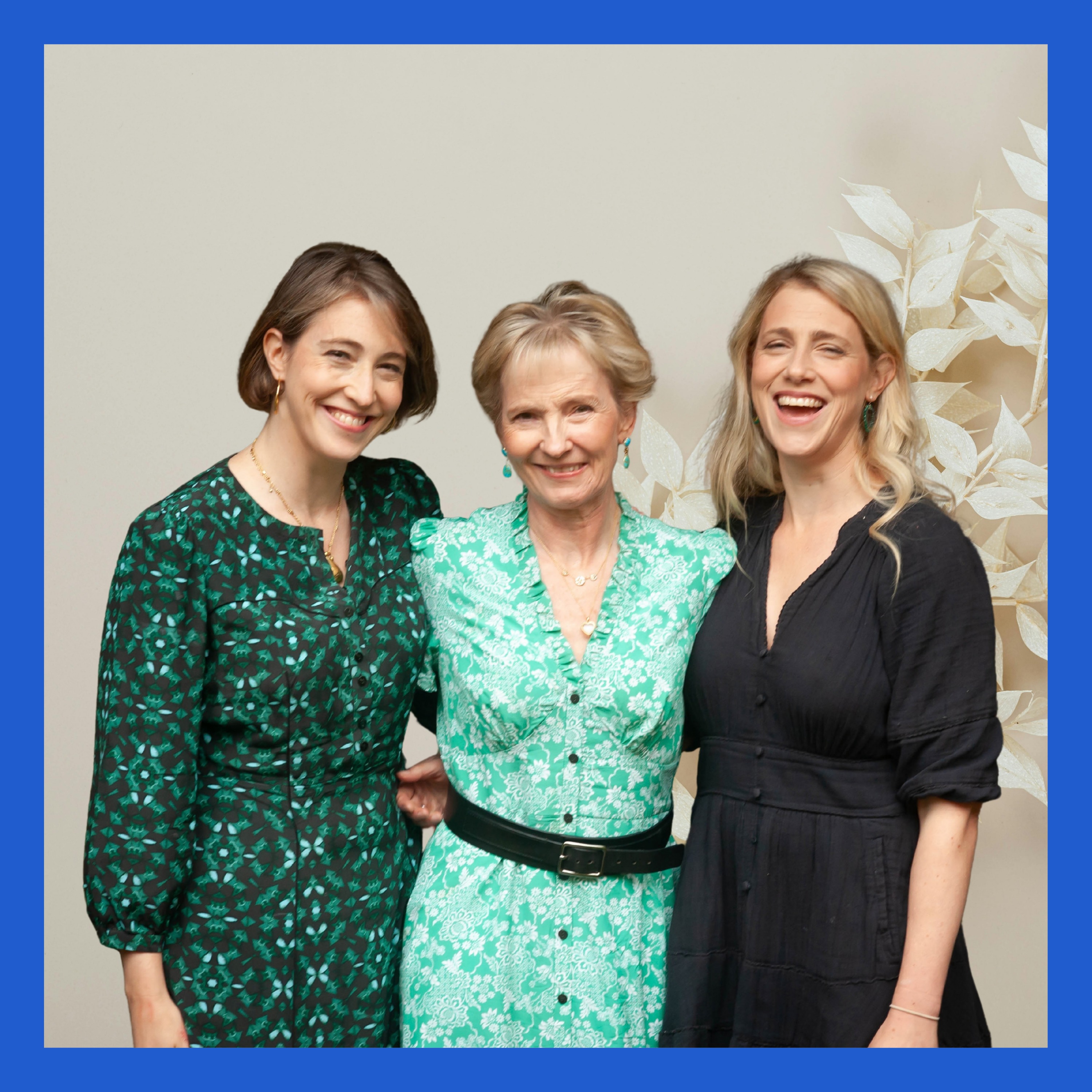
Can therapy change family dynamics for the worse? Psychotherapist Julia Samuel explores what happens when an adult child's growth creates tension at home. This week's listener is a parent whose adult daughter has been in therapy for several years. While they've seen her grow in confidence and become happier, they've also noticed a change in how she relates to the family. Her increasing use of therapeutic language has left them feeling judged, patronised and afraid of saying the wrong thing. Psychotherapist Julia Samuel and her daughters Sophie and Emily explore how therapy can affect family dynamics and why personal growth can sometimes create unexpected tensions in our closest relationships. The listener misses the humour and ease they once shared with their daughter, but worries that speaking up could damage their relationship. Julia shares her own experience of bringing therapy into family life, while Emily reflects on how attending therapy as a young adult affected her relationship

Discuss this episode

Therapy Works

JJ Chalmers on surviving a bomb blast, PTSD and the hidden cost of trauma

62 min

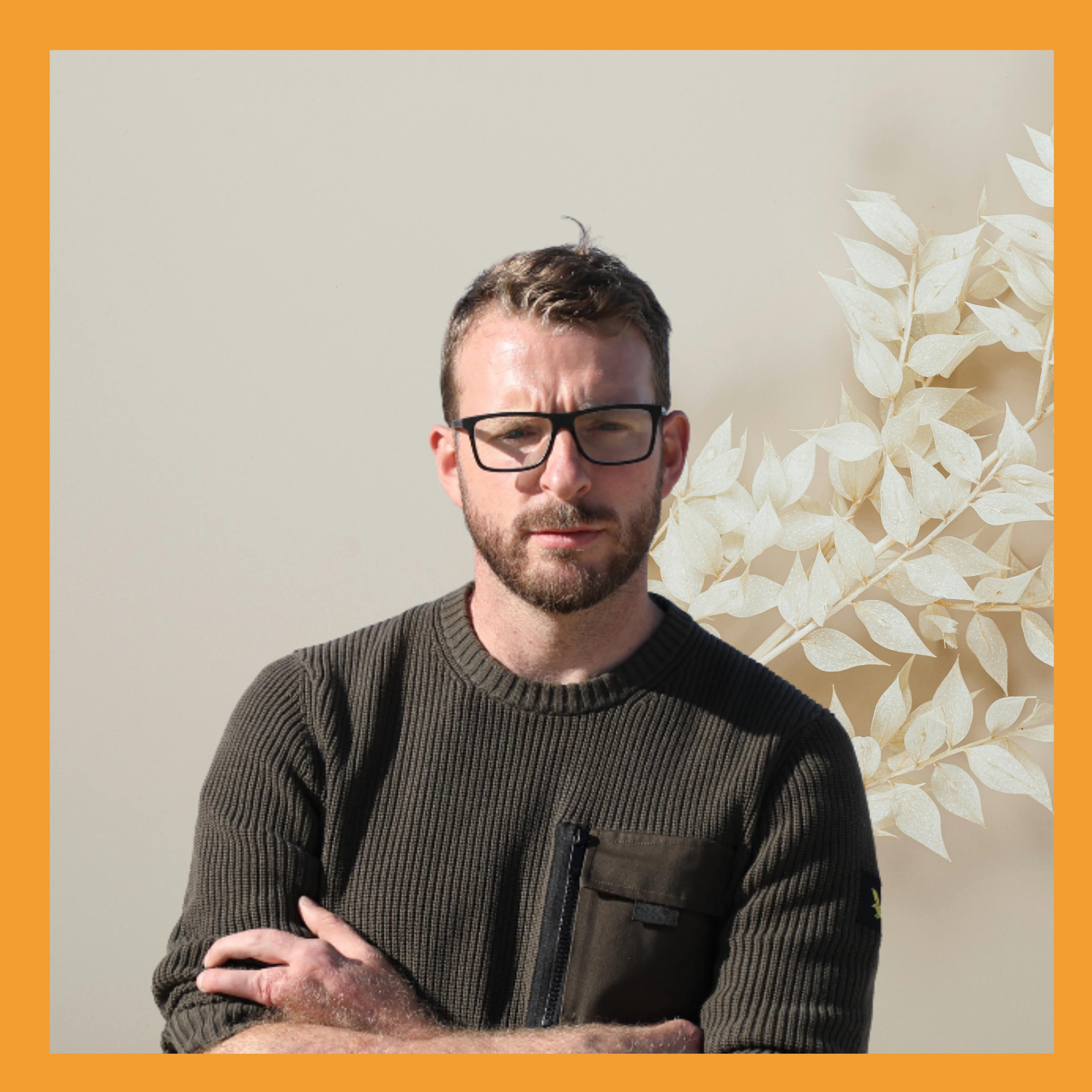
How do you rebuild your life after an extreme trauma? Psychotherapist Julia Samuel speaks to broadcaster JJ Chalmers about living with PTSD. In 2011 JJ Chalmers survived a devastating bomb blast while serving as a Royal Marines commando in Afghanistan. The explosion left him with life-changing injuries and killed three of his fellow servicemen. He went on to rebuild his life, becoming a successful BBC presenter and a familiar face on Strictly Come Dancing. But behind this extraordinary story of resilience, JJ was living with the mental health consequences of trauma that would take more than a decade to fully confront. In this personal conversation with Julia Samuel, JJ Chalmers opens up about living with PTSD, chronic pain and the emotional toll of surviving something so catastrophic. He describes how the military taught him to suppress fear and push through unimaginable circumstances, but how those same survival mechanisms eventually began to affect his everyday life. After years of t

Discuss this episode

Therapy Works

I'm terrified my partner will leave me. How do I stop people pleasing? | Agony Aunties

14 min

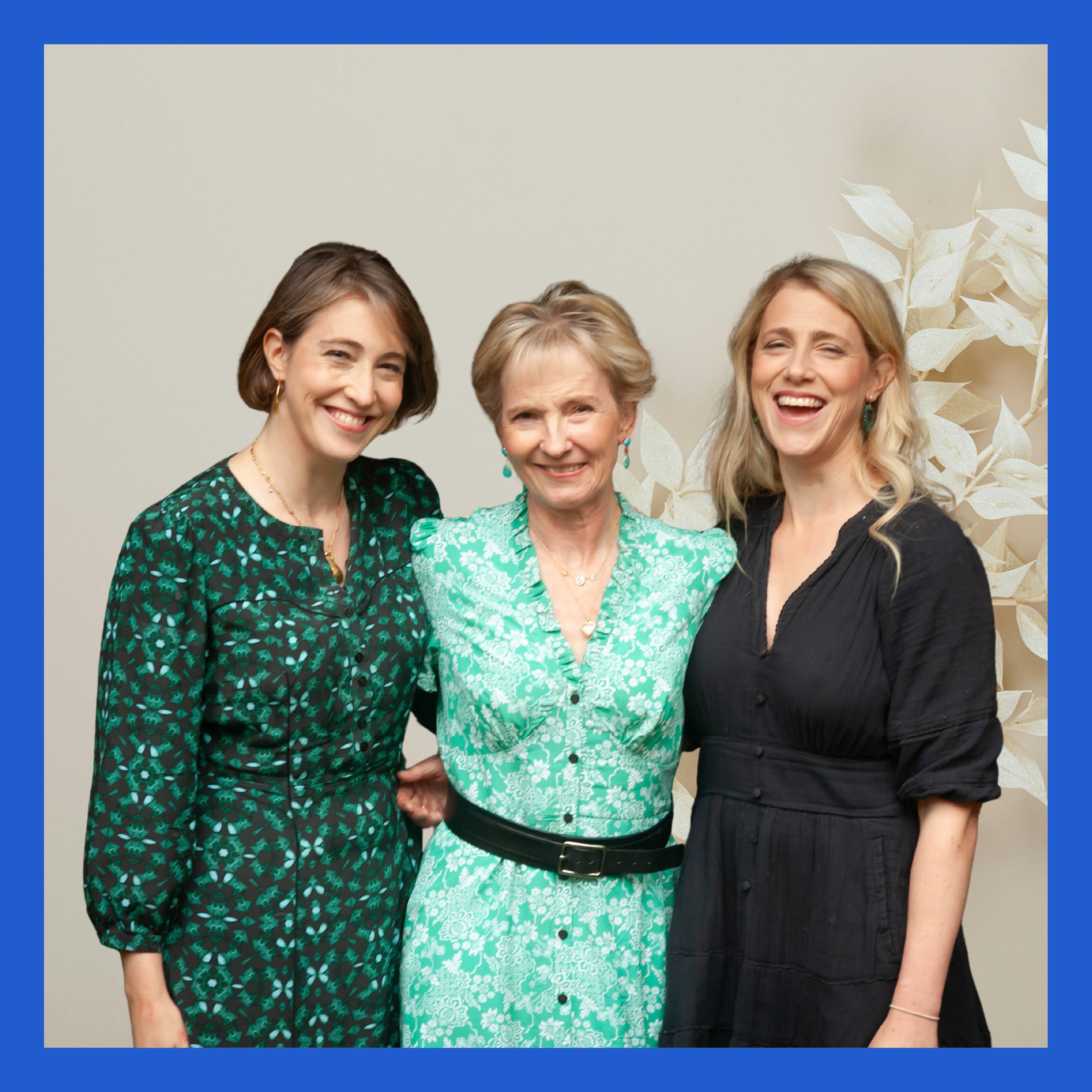
This week psychotherapist Julia Samuel and her daughters Sophie and Emily explore why people pleasing develops, how our past relationships shape our fear of rejection and what it takes to feel secure enough to express our own needs. This week's listener is a man in his forties who has spent much of his life putting other people's needs before his own. Following a divorce and a difficult experience of adoption, he's now in a new relationship but finds that even the smallest disagreement can trigger an overwhelming fear that his partner will leave him. With his former wife and child living abroad and few close friends in the UK, the listener feels increasingly dependent on his new partner. He struggles to make decisions for himself and worries that he's spent years of his life trying to keep everyone else happy. Although he's sought therapy, he's found it difficult to articulate what he wants from it, leaving him unsure where to turn for help. Together, Julia, Sophie and Emily discuss ho

Discuss this episode

Community Poll

Long-term public borrowing should account for the burden placed on future generations.

Share your view, then see how readers voted. No sign-in required. This poll is shared across stories.

Do you agree or disagree?

Choose one answer

Common Quandary

A Common Quandary to discuss

Another conversation to explore, separate from this news story.

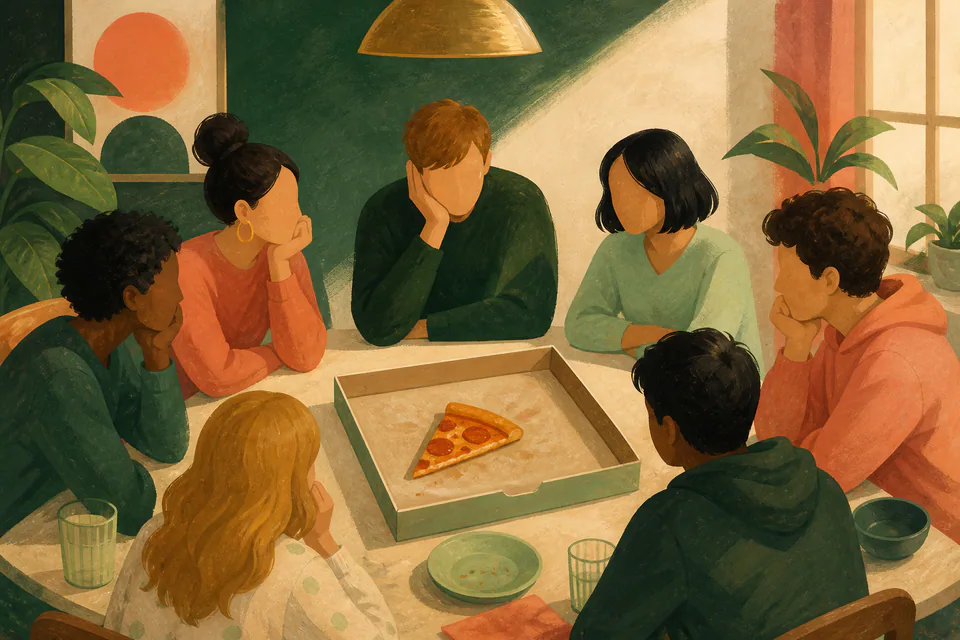
One slice of pizza remains and everyone is pretending not to want it. Can you take it?

Six friends have been circling the last slice of pizza for twenty minutes. Nobody claims it when you ask, yet two people keep glancing at the box. You are still hungry and paid the same share as everyone else.

Does politeness require leaving something that nobody will openly claim?

Explore this quandary