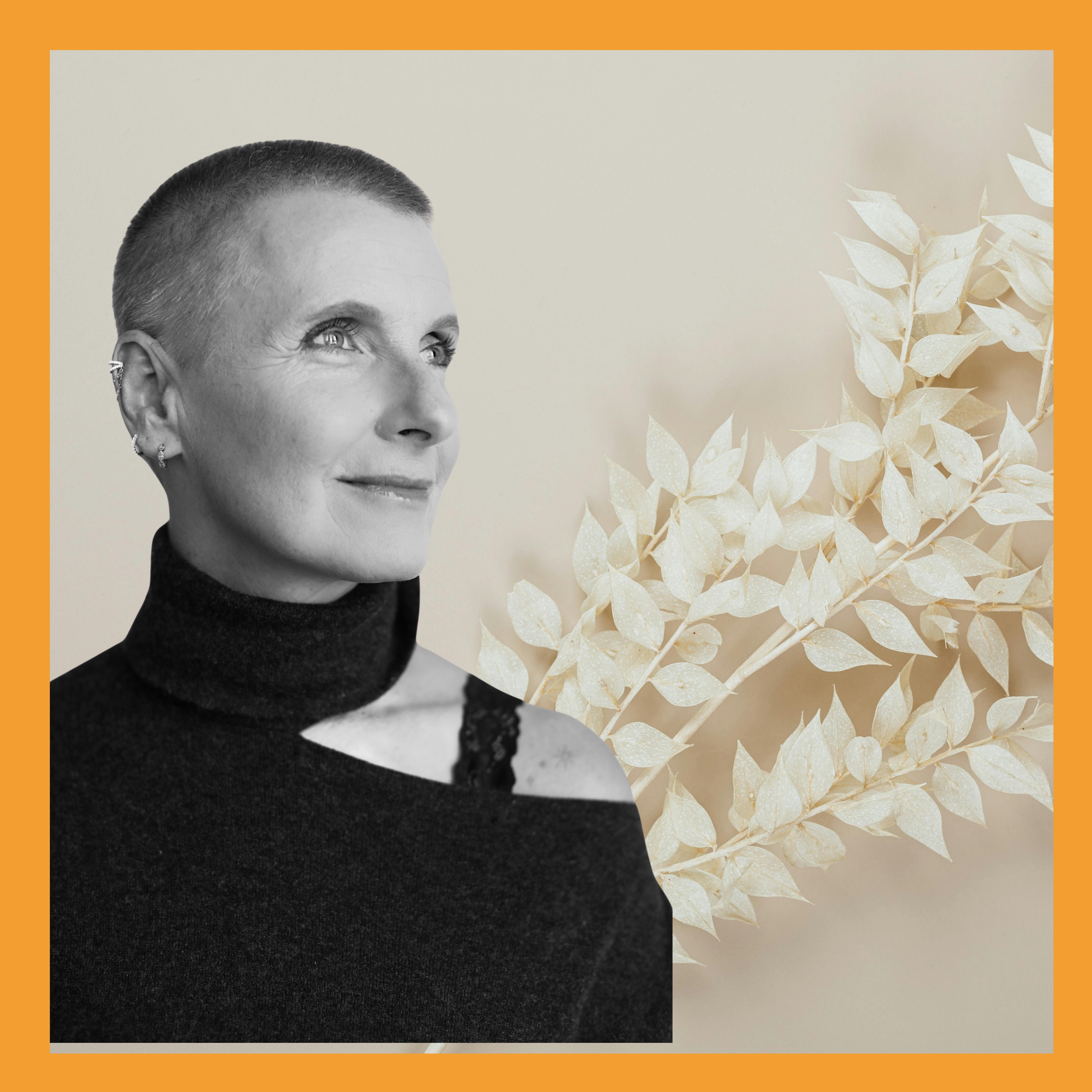
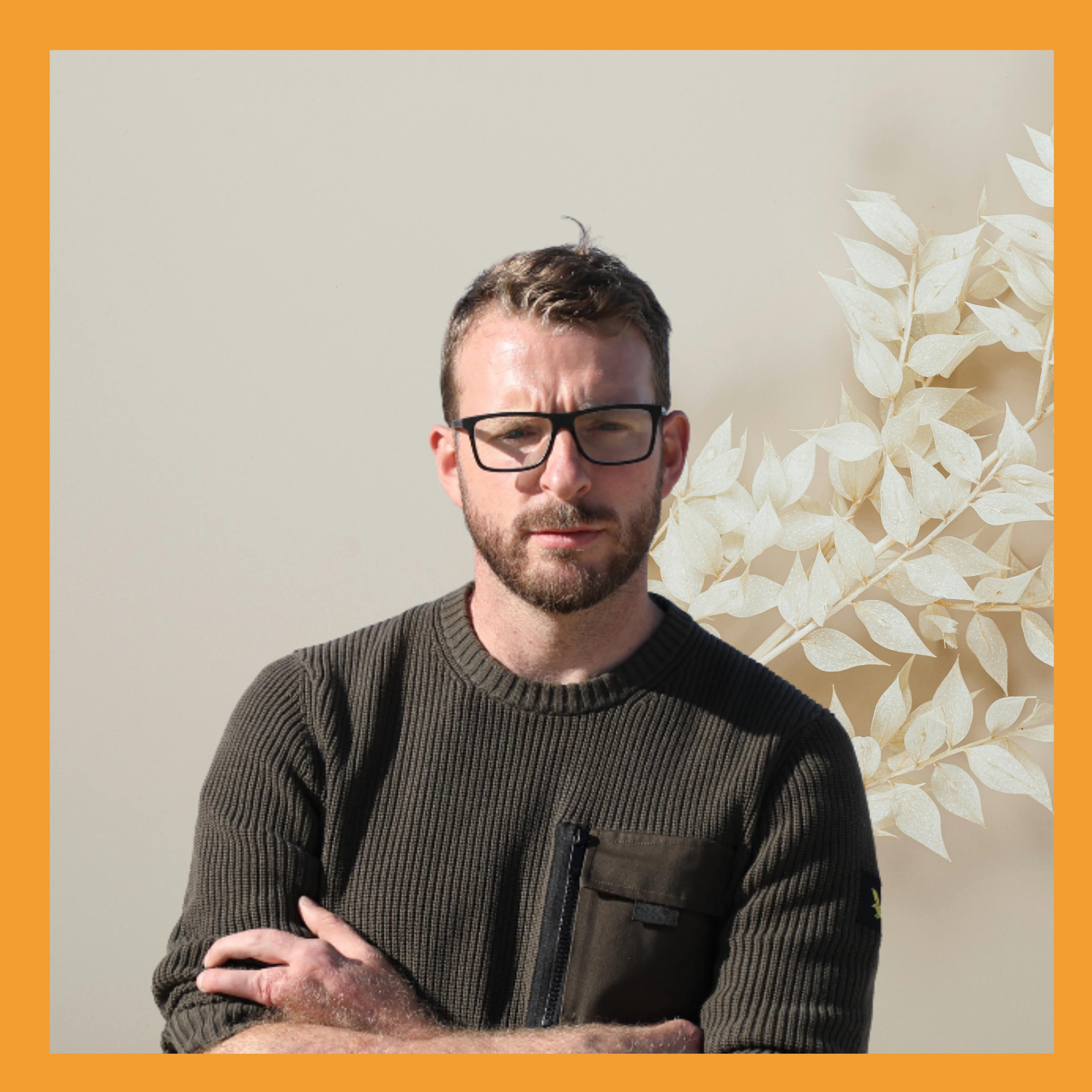
JJ Chalmers on surviving a bomb blast, PTSD and the hidden cost of trauma
Listen through the publisher, then discuss the episode here or arrange an in-person Roundtable. Your city determines where to meet.
Roundtables are designed for groups of four, with a shared subject and room for everyone to speak. Come for discussion, with no dating expectation.
How do you rebuild your life after an extreme trauma? Psychotherapist Julia Samuel speaks to broadcaster JJ Chalmers about living with PTSD. In 2011 JJ Chalmers survived a devastating bomb blast while serving as a Royal Marines commando in Afghanistan. The explosion left him with life-changing injuries and killed three of his fellow servicemen. He went on to rebuild his life, becoming a successful BBC presenter and a familiar face on Strictly Come Dancing. But behind this extraordinary story of resilience, JJ was living with the mental health consequences of trauma that would take more than a decade to fully confront. In this personal conversation with Julia Samuel, JJ Chalmers opens up about living with PTSD, chronic pain and the emotional toll of surviving something so catastrophic. He describes how the military taught him to suppress fear and push through unimaginable circumstances, but how those same survival mechanisms eventually began to affect his everyday life. After years of throwing himself into work and avoiding his emotions, JJ reached breaking point, finding himself unable to sleep and eventually lying on his bathroom floor in tears. Together, JJ Chalmers and Julia explore why trauma can resurface years after an event, the difference between physical and psychological recovery, and how the very qualities that help us survive can sometimes prevent us from healing. JJ shares how a year of talking therapy, including EMDR, helped him confront memories he had spent years avoiding, and why asking for help became one of the most important steps in his recovery. JJ also speaks movingly about the impact of trauma on his marriage, the eventual separation from his wife and their commitment to co-parenting their two children. He reflects on finding love again with his partner fellow broadcaster Sophie, who is also disabled, and the extraordinary understanding, humour and connection they share. This is a powerful conversation about PTSD, resilience, relationships and recovery, and why true strength isn't simply about pushing through, but recognising when we need support and learning to live alongside the experiences that have changed us. Looking for therapy? If you're looking for support or help finding the right therapist, visithttps://www.samueltherapypractice.com/www.samueltherapypractice.com (https://www.samueltherapypractice.com/). Support resources: Combat Stress – Specialist mental health support for veterans experiencing PTSD, anxiety, depression and other difficulties related to military service.https://combatstress.org.uk/combatstress.org.uk (https://combatstress.org.uk/) RMA – The Royal Marines Charity – Welfare, mental health and practical support for serving and former Royal Marines and their families.https://rma-trmc.org/rma-trmc.org (https://rma-trmc.org/) PTSD UK – Information and support for people experiencing post-traumatic stress disorder, including guidance on symptoms and treatment.https://www.ptsduk.org/ptsduk.org (https://www.ptsduk.org/) Chapters: 00:00 – Introduction: JJ Chalmers' Story 03:26 – Surviving the Afghanistan Bomb Blast 09:34 – Survivor's Guilt and Learning Resilience 19:12 – PTSD and the Long-Term Impact of Trauma 23:15 – The Breaking Point: 14 Years Later 26:08 – Seeking Help and the Power of EMDR Therapy 33:09 – How Trauma Affects Relationships and Family Life 40:00 – Finding Connection, Love and a New Chapter 47:00 – What JJ Has Learned About Strength and Vulnerability 51:28 – Julia, Sophie and Emily Reflect on JJ's Interview Never miss an episode: follow the show on Apple Podcasts (https://podcasts.apple.com/gb/podcast/therapy-works/id1646616622) or Spotify (https://open.spotify.com/show/2xX6vhzpn7LtZ8vTeiWDf4?si=06e0f99cba9b46dd). Watch Therapy Works onhttps://www.youtube.com/@juliasamuelmbe/videosJulia's YouTube channel (https://www.youtube.com/@juliasamuelmbe/videos) and subscribe tohttps://juliasamuel.substack.com/Therapy Works on Substack (https://juliasamuel.substack.com/) for weekly insights into emotional wellbeing. Subscribehttps://www.thetimes.com/subscribe/here (https://www.thetimes.com/subscribe/) to The Times and The Sunday Times to enjoy unlimited digital access to all our journalism. Guest: JJ Chalmers Producer: Georgie Rutherford Executive Producer: Emily Leahy Video Producer: Darren Michael Hosted on Acast.
Episode information is provided by the publisher. Listening takes place on the publisher’s service.
Listen at the source ↗