Listen through the publisher, then discuss the episode here or arrange an in-person Roundtable. Your city determines where to meet.
Roundtables are designed for groups of four, with a shared subject and room for everyone to speak. Come for discussion, with no dating expectation.
Synopsis Today’s date in 1928 marks the birthdate in 1928 of Italian composer Ennio Morricone, famous for more than 400 scores he wrote for films and TV. If you’re a fan, you already know that he wrote the music for a series of spaghetti western movies like the 1964 classic A Fistful of Dollars, starring Clint Eastwood as a taciturn, sun-burnt, cigar-chomping gunman. If you’re an oboist, you’ve probably played his haunting Gabriel’s Oboe at weddings or funerals. It’s a melody originally heard in his soundtrack to the 1986 film The Mission. But in a 2006 interview for Dazed magazine, he revealed some things even his fans might not have known: He collected bars of hotel soap as a hobby. And if he hadn’t become a composer, he would have liked to have been a professional chess player. He also offered a bit of wise advice when asked about scores that were not successes: “A long time ago, I really loved a film that I was working on and I became too involved. That was kind of unbalanced. It made me realize that you can’t love things too much if you want them to work.” Music Played in Today's Program Ennio Morricone (1928-2020): Gabriel’s Oboe from The Mission; Orchestra dell’Accademia Nazionale di Santa Cecilia; Ennio Morricone, conductor; Sony 57872
Episode information is provided by the publisher. Listening takes place on the publisher’s service.
The squad kicks off with Don’t You Know I’m Local, reacting to a massive pressurized gas explosion at the Chiquita Landfill in Santa Clarita that shot waste into the air and left local neighborhood doors smelling like "burnt toilet paper" ☣️ . Concrete completely loses his mind over nationwide bank mobile app crashes, spamming the group chat with viral Fresno bird attack clips and prepping lifetime canned goods for an upcoming blackout . Things get hilariously weird on the Homie Helpline as callers expose unhinged Thanksgiving traditions, including family lies over Tía's green spaghetti, leaving reserved chairs and full "dead tables" for passed grandmas, and strict food borders keeping Mexican tamales far away from Italian lasagna . Callers also confess to curbside drive-by family drop-offs to dodge Thanksgiving gossip and completely ditching dry homemade turkey for Popeyes fried chicken buckets . Finally, the crew celebrates the Chargers breaking their 8-game losing curse while Concre
Stuart and Joe take a look at this week's music biz stories, including... → £8.4bn. That’s how much the UK’s music industry is worth to the national economy, according to a new report from UK Music. → Streaming service Deezer has published its second annual survey of music fans’ views on AI. What did it find this time? → Could Spotify be banned for under-16s in the UK? Probably not, but the idea has been floated in the past week as a possibility (https://musically.com/2026/11/12/uks-social-media-ban-for-under-16s-could-include-music-streaming/)… → Another app that will almost certainly be subject to the ban is TikTok, but this week it was talking about musicians in the UK doing well on its app (https://musically.com/2026/11/13/tiktok-trumpets-livestreaming-success-for-uk-based-musicians/)… → It’s nearly time to wish Tina Turner a happy 87th birthday. Or at least, it would be if she hadn’t passed away in 2023. But the custodians of her estate and music rights are going to get fans to ce
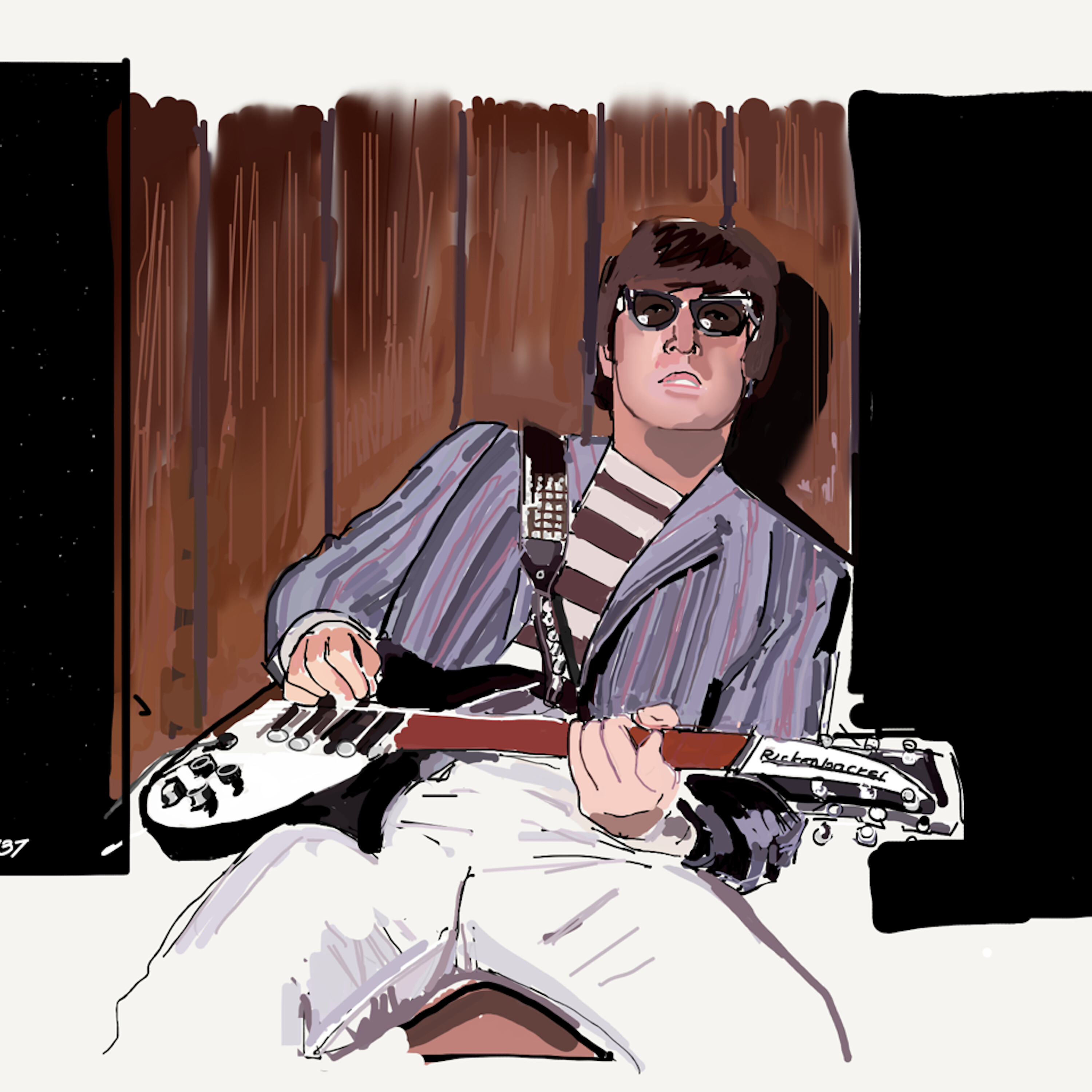
Is John Lennon the peace-loving saint in the white suit, or the villain some social media posts make him out to be? Biographer Jude Southerland Kessler says neither: "He's just a person." In Episode 336 of Something About The Beatles, host Robert Rodriguez talks with Jude about The John Lennon Series. She planned one book. It is now nine, probably ten, and she footnotes nearly every sentence. They cover why she tells John's life as narrative nonfiction, how she settles conflicting Beatles accounts, and what really happened with the Maureen Cleve interview in 1966. They also look at why John spun yarns about his own past, and how his tragedies turned into the songs that changed our lives. In this episode: • Why one planned book became nine, and the question that keeps it growing: "What day would you leave out?" • How John wrote I'm Only Sleeping on the back of an overdue car-phone bill • The ADT myth: why Jude left it out of her Tomorrow Never Knows chapter • Sweater or blanket? Even on
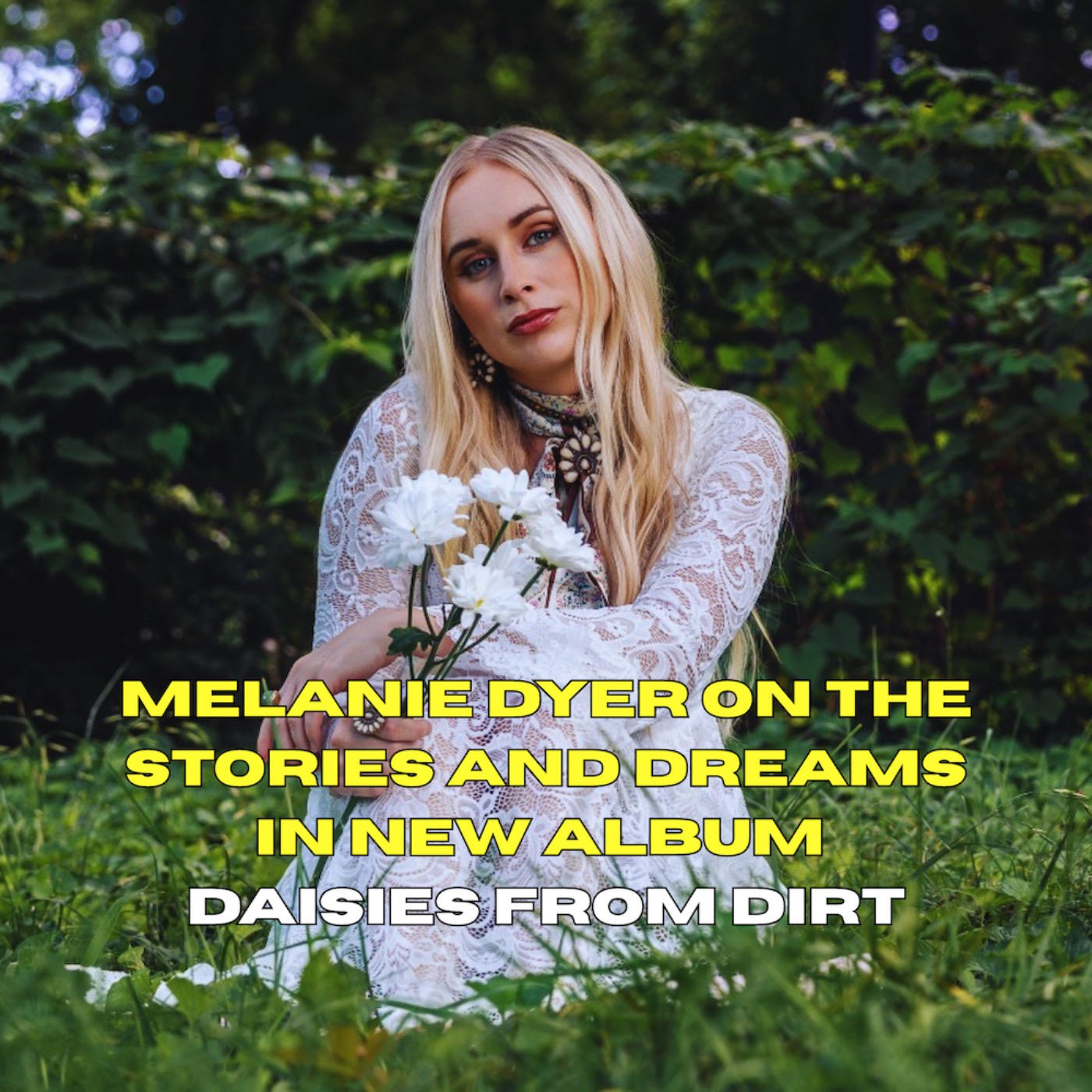
Short version Country-pop artist Melanie Dyer has millions of streams for her always-memorable songs, and in this new interview she talks about her latest album, Daisies from Dirt, and the stories she has drawn from to create it. Long version Melanie Dyer (https://melaniedyer.com.au/) released her first album, Fresh, in 2017 and it was more pop than country. In 2019 her single ‘Memphis T-Shirt’ – currently sitting at over 2 million streams on Spotify alone – brought her a wave of new fans, and I’ve long maintained that her 2021 single ‘Run Out of Road’ was the ultimate pandemic pick-me-up (and should be on every road-trip playlist). In 2022 she released the album Between You & Me, which solidified her reputation as one of Australia’s best country-pop songwriters’ she has also written for and with other artists, for them to record. Dyer’s third album, Daisies from Dirt, is not long out in the world. It is a collection of origin stories, in some ways, and also marks a change in era for t
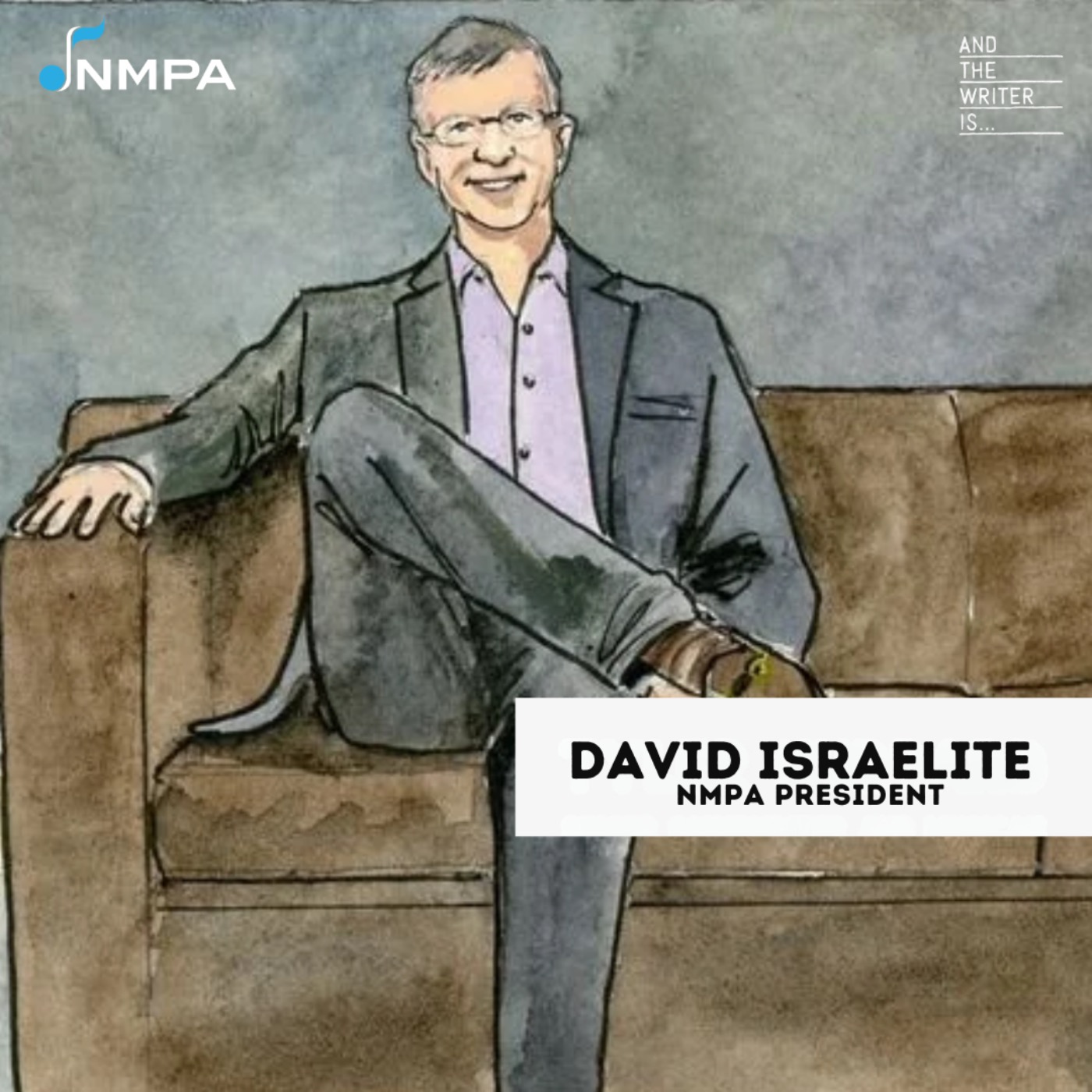
Streaming services celebrate songwriters. So why are they fighting to pay them less? Today's guest is David Israelite, President and CEO of the National Music Publishers’ Association. He joins Ross to unpack the fight over what songs are worth, who gets paid, and who decides. From what a million streams earns in publishing to Spotify’s audiobook bundles, David explains the economics behind the music and why the next Copyright Royalty Board fight matters. They also dig into AI, the digital radio pay gap, and why artists should care about whether professional songwriters can make a living. If you write, record, produce, publish, or manage music, this is the business behind your work. Stay informed about the fight for songwriters through NMPA: https://www.nmpa.org/ Share this conversation with an artist or songwriter who needs to hear it. Thank you to our lead sponsor, NMPA, for supporting And The Writer Is… Chapters: 00:00 Spotify’s audiobook move and the fight over songwriter pay 02:51
Written by Rob Hirst, and completed by his daughter Lex, the new book, World Is Almost At Peace, moves through the many songs Rob wrote and recorded and shares remarkable detail about the writing of a lifetime of music. Lex Hirst and Rob’s wife, Lesley Holland join Andy to share their memories of Rob and their reflections on his life and his music. Hana Stretton’s first album, Soon, was a response to isolation - with Covid and Australian bushfires looming in its background. On her latest, tiarn (https://hanastretton.bandcamp.com/album/tiarn-2), Hana has been folding ever more into her compositions: more voices, more instruments, more ideas, but it retains much of that shimmering, distant sound and remains inspired by the natural world around her. Hana is performing 8 Dec at Phoenix Central Park, Sydney; 9 Dec at Lansdowne Hotel, Sydney; 10 Dec at Thornbury Theatre, Melbourne; 11 Dec at Oregon Hall, Beechworth; 13 Dec at Meredith Music Festival Music heard in this program: Title: StoveA
Synopsis In August, 2019, thousands of women took to the streets of Mexico City to protest the outrageous police indifference to violent crimes against women, which largely went unpunished. Their protest became known as the “revolución diamantina” (glitter revolution), since they showered Mexico City’s security chief with pink glitter during their inaugural demonstration. Their protest inspired Mexican composer Gabriela Ortiz to collaborate with her compatriot, Pulitzer Prize-winning Mexican author Cristina Rivera Garza, in the creation of a ballet score that would chronicle their history and honor their action. The result of their collaboration was Revolución Diamantina, a 42-minute work of surprising power and beauty. Ortiz said, “It was up to me to imagine the music by using not only aesthetic languages already known to me, but by taking risks, learning, and experimenting with new tools. In this ballet, it has been my hope that the audience will explore different pathways that radic
Synopsis In 1974, St. Petersburg was still called Leningrad and still part of what we now call the former Soviet Union. Back then, the most famous living Soviet composer was Dmitri Shostakovich, whose health was rapidly failing from the cancer that would claim his life the following year. On today’s date in 1974, Shostakovich’s String Quartet No. 15, his final, was given its premiere performance by the Taneyev Quartet. The work was supposed to have been premiered by the Beethoven Quartet, but its cellist died unexpectedly, and, mindful of his own mortality, Shostakovich was reluctant to postpone the scheduled premiere. After all, he might not be around by the time the Beethoven Quartet found a replacement cellist. When his String Quartet No. 1 had premiered in 1938, Shostakovich had described that work as “joyful, merry, lyrical” and “springlike.” His String Quartet No. 15, on the other hand, is obviously a “winter work,” written by someone who knows he might never see another spring.
Synopsis On today’s date in 1922, the British Broadcasting Corporation began daily radio transmissions from London, at first offering just news and weather — the latter read twice, in case anyone wanted to take notes. The following month, on Dec. 23, 1922, the BBC broadcast its first orchestral concert. Over time, the BBC became affectionately nicknamed “the Beeb,” or, less affectionately “Auntie,” due to the upper-middle class, slightly patronizing tone of its music announcers in the 1940s and ‘50s. That said, Auntie has proven to be hip in one aspect: The BBC has been a major commissioner of and advocate for new music by a wide range of composers — and not just British ones. In 2007, for example, the BBC Symphony premiered the Doctor Atomic Symphony, by American composer John Adams, live on-air at a BBC Proms Concert at the Royal Albert Hall. And it’s not just famous, big-name composers who get an airing on the Beeb either. Each year, BBC Radio 3 hosts a competition for teenage compo
An essential service should remain open until a workable alternative is available.
Share your view, then see how readers voted. No sign-in required. This poll is shared across stories.
Do you agree or disagree?
Common Quandary
A Common Quandary to discuss
Another conversation to explore, separate from this news story.
One coffee, four hours, last table. Can the café ask you to leave?
A neighborhood café has become a popular remote workplace. Some guests buy one drink and occupy tables for hours, while families and friends regularly leave because they cannot sit together.