English-language podcasts

Everyday Wellness: Midlife Hormones, Menopause, and Science for Women 35+

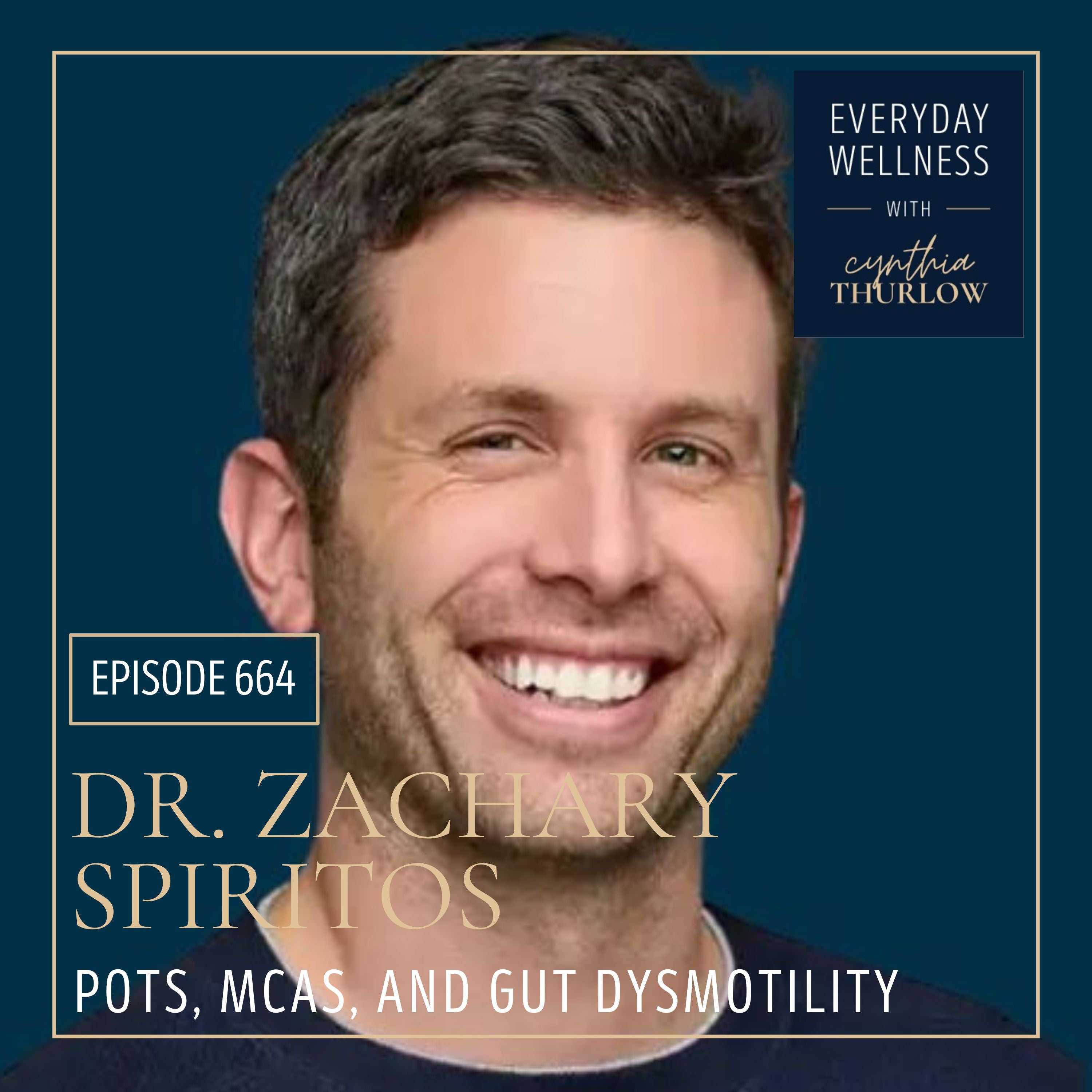
Ep. 664 POTS, MCAS, and Gut Dysmotility with Dr. Zachary Spiritos | Perimenopause, Menopause, Gut Health
54 min

Listen through the publisher, then discuss the episode here or arrange an in-person Roundtable. Your city determines where to meet.

Roundtables are designed for groups of four, with a shared subject and room for everyone to speak. Come for discussion, with no dating expectation.

Today, I’m delighted to connect with Dr. Zach Spiritos. A double board-certified gastroenterologist in internal medicine with a fellowship in neurogastroenterology, he founded Ever Better Medicine, a practice built around treating complex, chronic, and often underrecognized conditions at the intersection of the gut and the nervous system. In today’s conversation, Dr. Spiritos and I speak at length about how patients get dismissed by the medical system. We explore irritable bowel syndrome as immune dysregulation and common symptoms that he sees with this diagnosis. We discuss hypermobility and the 13 subtypes of Ehlers-Danlos syndrome, with hypermobility closely linked to inflammation, MCAS, and immune dysregulation. We cover several commonly missed GI complications in hypermobile patients, including how POTS and MCAS often overlap with GI dysmotility, MALS, and how nutrition and stress influence symptoms. Dr. Spiritos also shares his views on constipation and the importance of staying curious. Stay tuned for today’s fascinating conversation with Dr. Zach Spiritos about complex medical conditions and how they intersect with the gut. IN THIS EPISODE, YOU WILL LEARN: How Dr. Spiritos recognizes when symptoms may reflect underlying physiology rather than being purely psychological Common symptoms that point toward dysautonomia, POTS, or MCAS in women How connective tissue laxity and hypermobility can contribute to gut dysfunction GI complications that may be missed when patients do not fit neatly into an IBS diagnosis How POTS fits within the broader picture of dysautonomia, hypermobility, and MCAS Meal-related patterns that may point to abnormal gastric motility associated with dysautonomia The value of using a food and symptom diary when appropriate, and treating elimination diets as trials rather than permanent restriction How fixating on bowel symptoms can create cycles of anxiety and GI distress How Dr. Spiritos approaches constipation in patients Why clinicians should remain open-minded when patients present with multiple medication sensitivities, allergies, and complex symptoms Bio: Dr. Zachary Spiritos, MD, MPH, is a neurogastroenterologist who specializes in treating patients with complex and chronic conditions, including disorders of the brain-gut interaction (DBGI), postural orthostatic tachycardia syndrome (POTS), mast cell activation syndrome (MCAS), Ehlers-Danlos syndrome (EDS), and gastrointestinal dysmotility. He earned his medical degree and Master of Public Health (MPH) from the University of North Carolina at Chapel Hill, where he developed a passion for addressing the systemic challenges patients with underrecognized illnesses face. He completed his Internal Medicine residency at Emory University and his Gastroenterology fellowship at Duke University, where he focused on neurogastroenterology and disorders of gut-brain interaction. Dr. Spiritos is particularly dedicated to supporting patients who have been dismissed, misdiagnosed, or lost in the medical system. He takes a whole-person approach to care, combining the best of conventional medicine with targeted interventions to regulate the nervous system, improve sleep and movement patterns, address nutritional imbalances, and manage stress physiology. He works primarily with patients whose symptoms span multiple systems and don’t fit neatly into one diagnosis—individuals who require time, nuance, and interdisciplinary collaboration. Dr. Spiritos partners closely with his patients to build individualized, sustainable care plans that address both symptoms and underlying causes—helping them reclaim their health and quality of life. Connect with Cynthia Thurlow Cynthia’swebsite (https://cynthiathurlow.com/). Submit your questions to [email protected] The Midlife Pause Supplement Line (https://themidlifepause.com/) Connect with Dr. Zachary Spiritos Onthe Ever Better Medicine (https://everbettermedicine.health/) website Instagram (https://www.instagram.com/drzacspiritos/?hl=en)

Episode information is provided by the publisher. Listening takes place on the publisher’s service.

Listen at the source ↗

Featured places to meet in Palo Alto, CA

Explore these places and arrange a conversation through ThinkMatch.

City guide for Palo Alto, CA

More from Everyday Wellness: Midlife Hormones, Menopause, and Science for Women 35+

Everyday Wellness: Midlife Hormones, Menopause, and Science for Women 35+

Ep. 672 Heart Health Differences in Men and Women with Dr. Troy Badger | Heart Health, Menopause & Cardiovascular Risk, Preventive Cardiology

68 min

Today, I’m honored to connect with Dr. Troy Badger. He is a board-certified cardiologist and interventionalist and the founder of Cardiostrong, a concierge preventive cardiology clinic in Provo, Utah, focused on reducing cardiovascular risk, optimizing metabolic health, and improving strength and cardiorespiratory fitness for executives and athletes. In today’s conversation, we discuss Dr. Badger’s gender- and age-specific approach to heart health, including treatment differences for men and women, and diagnoses such as INOCA, SCAD, vasospastic disease, and Takotsubo. We examine emotions and their influence on heart health, coronary ischemia and cardiomyopathies, labs and diagnostics, how Dr. Badger assesses risk in his patients, and the differences between a CAC and a CCTA. Dr. Badger also shares the labs he finds essential for all patients and discusses the role of VO2 Max, cardiovascular training, and lifestyle—specifically nutrition, the use of GLP-1 drugs, and a multidisciplinary

Discuss this episode

Everyday Wellness: Midlife Hormones, Menopause, and Science for Women 35+

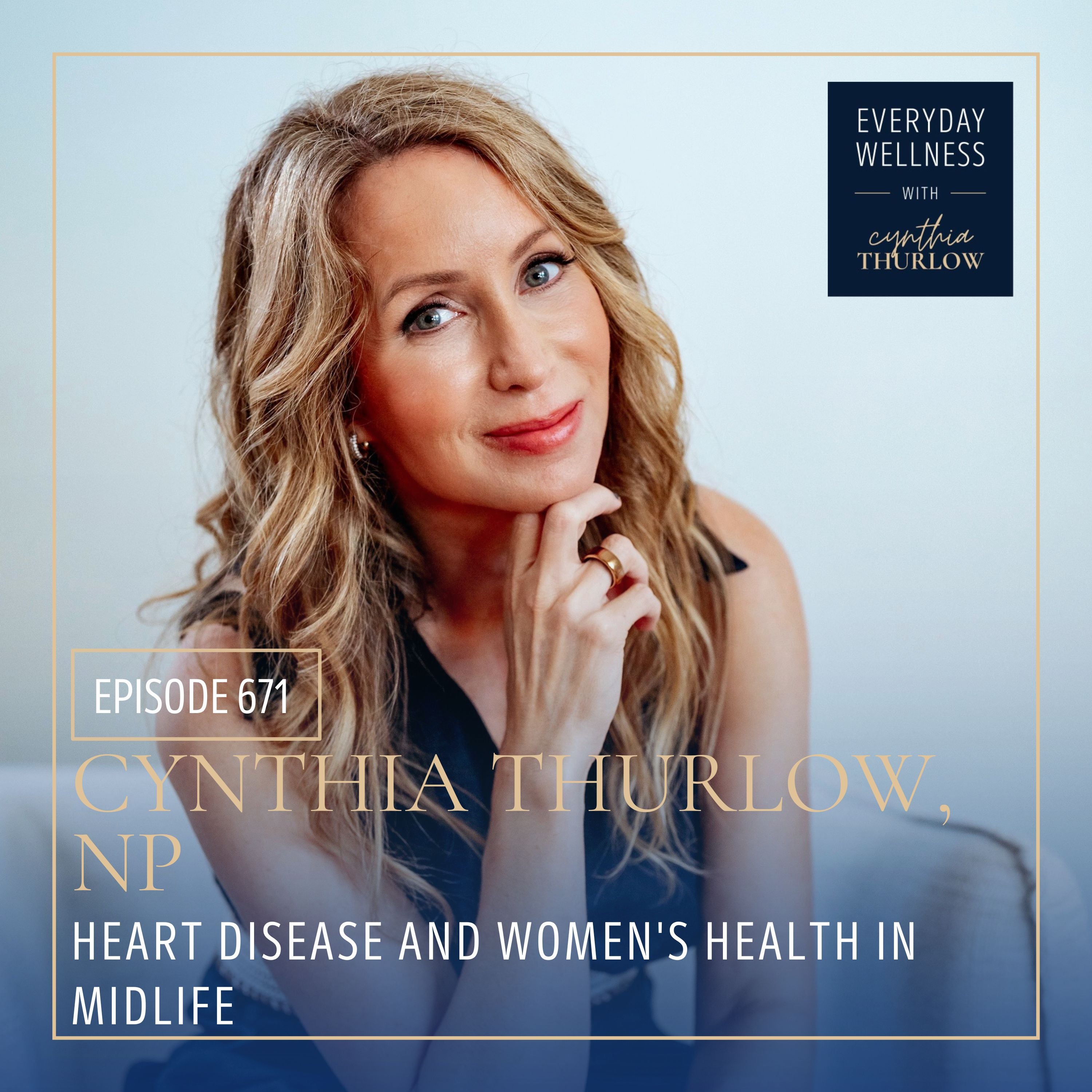
Ep. 671 Heart Disease and Women's Health in Midlife | Menopause, Cardiovascular Health, Women’s Health

18 min

Heart disease remains the leading cause of death among women, yet many women are unaware of their cardiovascular risks or the ways heart disease can present differently in women than in men. Today, I'm continuing our Metabolic Health Midlife Minute series with an important discussion about women's cardiovascular health. Drawing on my years of experience in cardiology, I explain why women are often diagnosed later, why their symptoms may be overlooked or dismissed, and how decades of underrepresentation in cardiovascular research have contributed to ongoing differences in diagnosis and treatment. I discuss the symptoms women may experience during a heart attack, the importance of cardiac rehabilitation, and why traditional cardiovascular risk calculators may not provide a complete picture of individual risk. I also explore coronary microvascular disease, the cardiovascular changes associated with perimenopause and menopause, and the importance of understanding markers such as Lp(a), Apo

Discuss this episode

Everyday Wellness: Midlife Hormones, Menopause, and Science for Women 35+

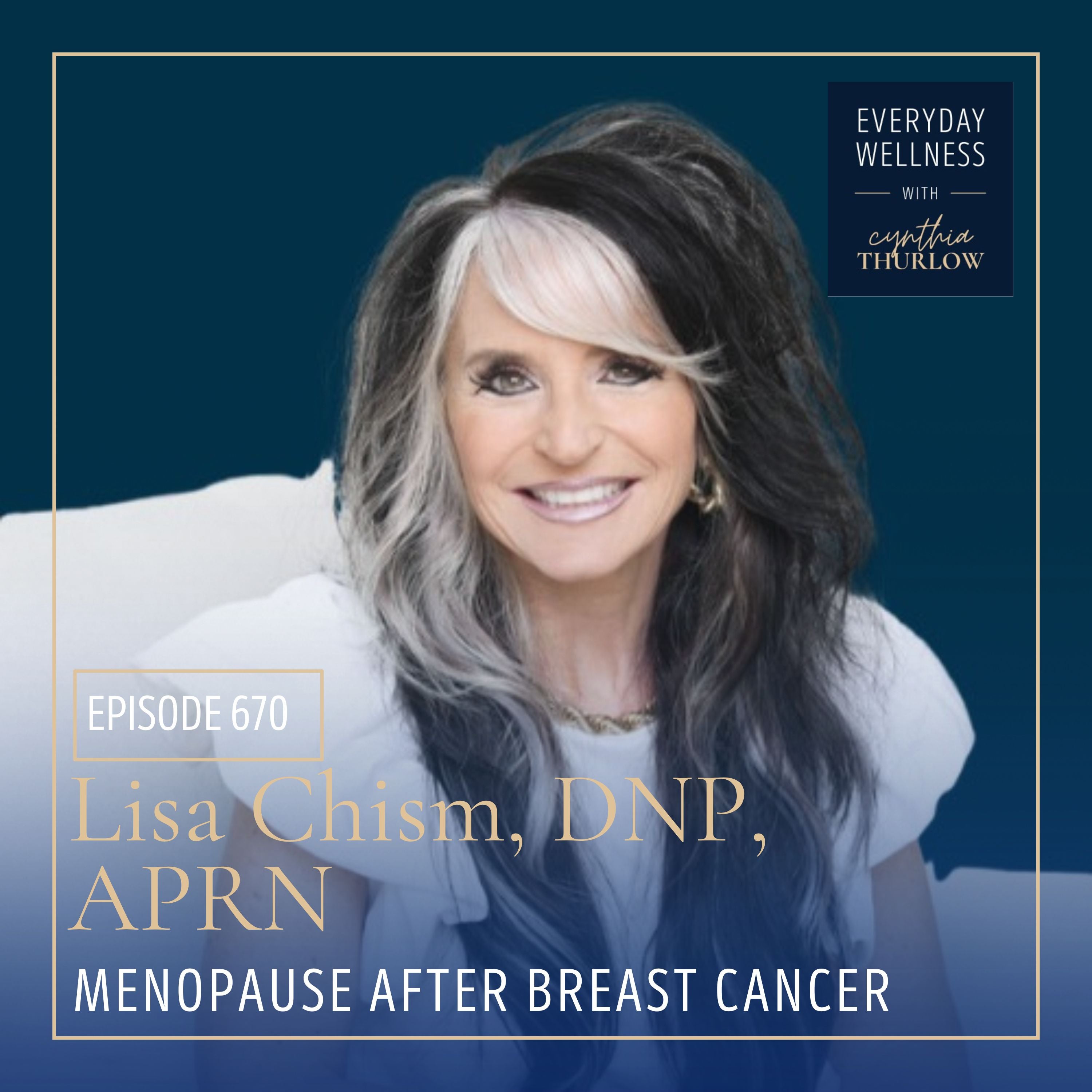
Ep. 670 Menopause After Breast Cancer with Lisa Chism, DNP, APRN | Menopause Symptoms, Breast Cancer, Women's Hormone Health

64 min

Today, I am delighted to welcome back my friend and colleague, Lisa Chism, NP. Lisa has more than three decades of nursing experience and has spent many years caring for women diagnosed with breast cancer and those at elevated risk. She holds specialty certifications in menopause, sexual health, and breast care and is a fellow of both the American Academy of Nursing and the American Association of Nurse Practitioners. After listeners asked for more conversations about breast cancer survivorship and nonhormonal treatment options, I was the first person I thought of inviting back to the podcast. In our conversation, we discuss why survivorship care should begin at diagnosis, how chemotherapy can trigger temporary or permanent menopause, and why fertility considerations deserve attention early in treatment. We explore breast density, individualized screening, and the growing role of AI in breast cancer risk assessment. Lisa explains how tamoxifen and aromatase inhibitors affect menopausal

Discuss this episode

Community Poll

A rule should not be introduced unless it can be enforced fairly.

Share your view, then see how readers voted. No sign-in required. This poll is shared across stories.

Do you agree or disagree?

Choose one answer

Common Quandary

A Common Quandary to discuss

Another conversation to explore, separate from this news story.

Your friend did the right thing for the wrong reason—and needs an alibi. Do you lie?

A friend skipped an important family obligation to help someone in crisis. They ask you to confirm a harmless false story because telling the truth would expose another person's private emergency and cause a lasting family rupture.

Can loyalty make participating in a lie the most caring choice?

Explore this quandary