English-language podcasts

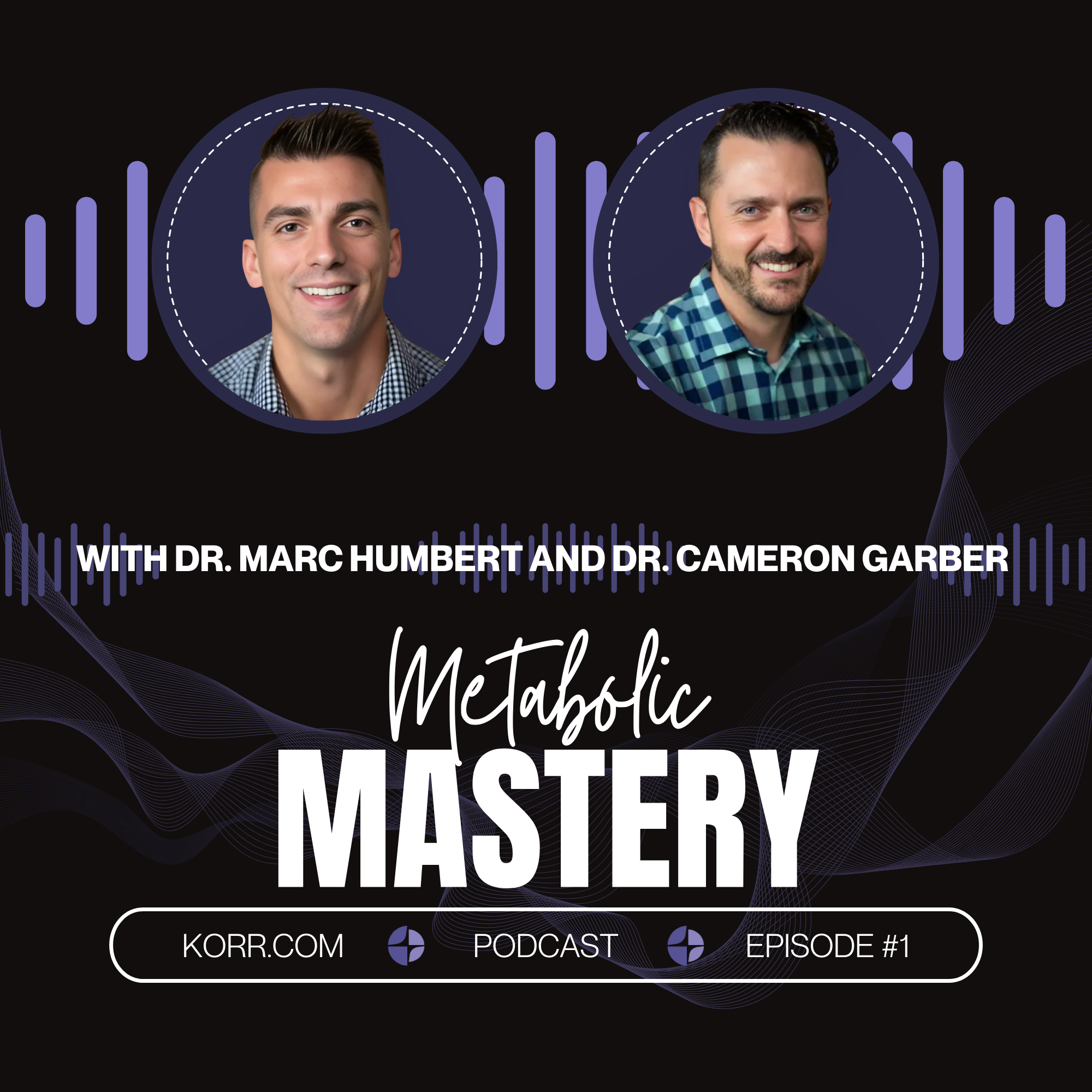
Metabolic Mastery

Ep. 79: Why Your “Bad Knee” May Not Be the Real Problem
52 min

Listen through the publisher, then discuss the episode here or arrange an in-person Roundtable. Your city determines where to meet.

Roundtables are designed for groups of four, with a shared subject and room for everyone to speak. Come for discussion, with no dating expectation.

Get A Demo: https://korr.com/contact/video-demo/ “I have a bad knee.” “My back has never been the same since the accident.” In this episode of Metabolic Mastery, hosts Dr. Marc Humbert and Dr. Cameron Garber explain why your body doesn’t actually remember that old injury the way your brain does. They cover how tissues heal and adapt, how bracing and avoidance can reset your brain’s sense of “safe,” and why pain is an alarm system, not always a measure of tissue damage. They also explain the load vs. capacity framework and show how metabolic testing, strength testing, and smart zone 2 training help you rebuild what you can do, without blaming the activity. You Will Learn: Why most injured tissues heal within weeks, and why lingering pain often comes from disuse and avoidance rather than the original injury How your body communicates through electrical, chemical, and mechanical signals, and how those signals drive adaptation at any age Why bracing or slinging a joint can reset your brain’s “safe zone” and make normal movement feel threatening How to think of pain as an alarm system and use it as a guide rail (the 0-2, 3-5, 6-7, and 8-10 ranges) instead of pushing through or avoiding it The load vs. capacity concept and the “envelope of function,” and why going from zero to sixty leads to injury Why people blame running or pickleball for injuries that really come from not having “earned the right” to that much load How different tissues (muscle vs. tendon) adapt on different timelines, and why that matters for athletes and everyday people Why zone 2 is a safe way to build a base, and how to progress from 99/1 toward an 80/20 intensity split How metabolic testing, dynamometry, DEXA, and a thorough history combine into a plan, and why graded exposure and a multimodal approach matter

Episode information is provided by the publisher. Listening takes place on the publisher’s service.

Listen at the source ↗

Featured places to meet in Palo Alto, CA

Explore these places and arrange a conversation through ThinkMatch.

City guide for Palo Alto, CA

More from Metabolic Mastery

Metabolic Mastery

Ep. 80: Can You Be Overweight and Healthy? The Truth About Fat, Fitness & Heart Risk

47 min

Get A Demo: https://korr.com/contact/video-demo/ Is excess body fat a death sentence for your heart? Not exactly, and the full story is more nuanced than any 15-second social media clip. In this episode of Metabolic Mastery, hosts Dr. Marc Humbert and Dr. Cameron Garber unpack the real relationship between adiposity and cardiovascular disease. They explain why the type and location of fat matter, why cardiorespiratory fitness can offset a lot of risk, and why BMI and the scale are poor measures of fitness. They also break down where your daily calories actually go, why your body fights fat loss through metabolic adaptation, and how testing with KORR’s Cardio Coach helps you lose fat in a healthy, sustainable way. You Will Learn: Why a higher-fitness person with obesity can have lower mortality risk than a normal-weight person with poor cardiorespiratory fitness How the J-shaped BMI curve works, and why the lowest-risk range sits around a BMI of 21 to 27 The difference between subcutane

Discuss this episode

Metabolic Mastery

Ep 78: Dr. Gains (Michael Kamalu): Why Generic Workouts Fail: The Science of Personalized Training

54 min

Most fitness advice was written for the “average body,” and nobody is average from head to toe. In this episode of Metabolic Mastery, hosts Dr. Marc Humbert and Dr. Cameron Garber sit down with Michael Kamalu, founder of Dr. Gains, to explain why generic workouts fail and what truly personalized training looks like. Michael shares his path from a skinny eighth-grade basketball player with a string of injuries to Mayo Clinic Medical School, and how that led him to build tools and a facility around one idea: your training should match your anatomy, your metabolism, your goals, and your constraints. They cover how body proportions and even the number of lumbar vertebrae change how you should lift, why the “best” recovery tool depends on your goal, and how diagnostics like metabolic testing can feed a plan built for you. They also get into blood flow restriction training, rotational loading, and why muscles grow unevenly. You Will Learn: Why generic fitness advice is written for the “avera

Discuss this episode

Community Poll

Rebuilding after a disaster should sometimes mean changing where or how people live.

Share your view, then see how readers voted. No sign-in required. This poll is shared across stories.

Do you agree or disagree?

Choose one answer

Common Quandary

A Common Quandary to discuss

Another conversation to explore, separate from this news story.

A coworker tells you their salary in confidence—and proves everyone else is underpaid. Do you share it?

A coworker privately tells you their salary and asks you not to repeat it. You later realize the figure is strong evidence that several equally experienced colleagues are being underpaid.

When does fairness outweigh a promise of confidentiality?

Explore this quandary