Ep. 80: Can You Be Overweight and Healthy? The Truth About Fat, Fitness & Heart Risk
47 min
Listen through the publisher, then discuss the episode here or arrange an in-person Roundtable. Your city determines where to meet.
Roundtables are designed for groups of four, with a shared subject and room for everyone to speak. Come for discussion, with no dating expectation.
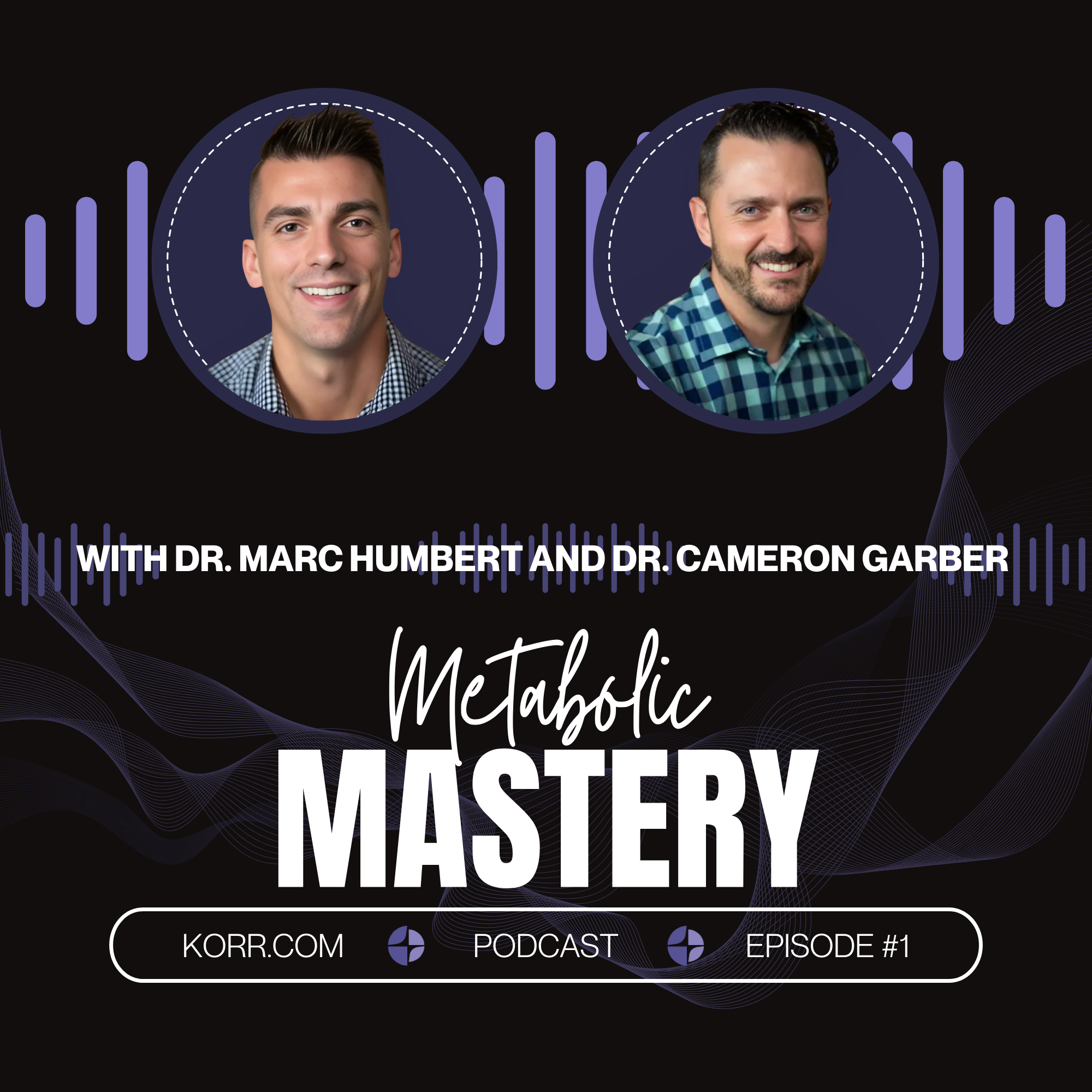
Get A Demo: https://korr.com/contact/video-demo/ Is excess body fat a death sentence for your heart? Not exactly, and the full story is more nuanced than any 15-second social media clip. In this episode of Metabolic Mastery, hosts Dr. Marc Humbert and Dr. Cameron Garber unpack the real relationship between adiposity and cardiovascular disease. They explain why the type and location of fat matter, why cardiorespiratory fitness can offset a lot of risk, and why BMI and the scale are poor measures of fitness. They also break down where your daily calories actually go, why your body fights fat loss through metabolic adaptation, and how testing with KORR’s Cardio Coach helps you lose fat in a healthy, sustainable way. You Will Learn: Why a higher-fitness person with obesity can have lower mortality risk than a normal-weight person with poor cardiorespiratory fitness How the J-shaped BMI curve works, and why the lowest-risk range sits around a BMI of 21 to 27 The difference between subcutaneous, visceral, and epicardial fat, and why fat is an active endocrine organ, not just storage Why muscle is an “organ of longevity,” and why muscle quality matters as much as quantity How aerobic exercise improves oxygen delivery and mitochondria, and can reduce visceral fat even when total weight doesn’t change Why VO2 max matters for health and longevity but plays a different role in elite performance Where daily energy goes: resting metabolic rate (60-70%), thermic effect of food, NEAT (up to 20%), and exercise (about 5% for most people) Why your body resists weight loss through metabolic adaptation, hunger hormones, and unconscious behavior changes, and how repeat RMR testing tracks it Why strength training builds the “machine,” cardio tunes the “fuel delivery system,” and an active lifestyle burns the calories The role of GLP-1 medications, counseling, and community factors like sidewalks, parks, and bike lanes in lasting health
Episode information is provided by the publisher. Listening takes place on the publisher’s service.
Today, I’m honored to connect with Dr. Troy Badger. He is a board-certified cardiologist and interventionalist and the founder of Cardiostrong, a concierge preventive cardiology clinic in Provo, Utah, focused on reducing cardiovascular risk, optimizing metabolic health, and improving strength and cardiorespiratory fitness for executives and athletes. In today’s conversation, we discuss Dr. Badger’s gender- and age-specific approach to heart health, including treatment differences for men and women, and diagnoses such as INOCA, SCAD, vasospastic disease, and Takotsubo. We examine emotions and their influence on heart health, coronary ischemia and cardiomyopathies, labs and diagnostics, how Dr. Badger assesses risk in his patients, and the differences between a CAC and a CCTA. Dr. Badger also shares the labs he finds essential for all patients and discusses the role of VO2 Max, cardiovascular training, and lifestyle—specifically nutrition, the use of GLP-1 drugs, and a multidisciplinary
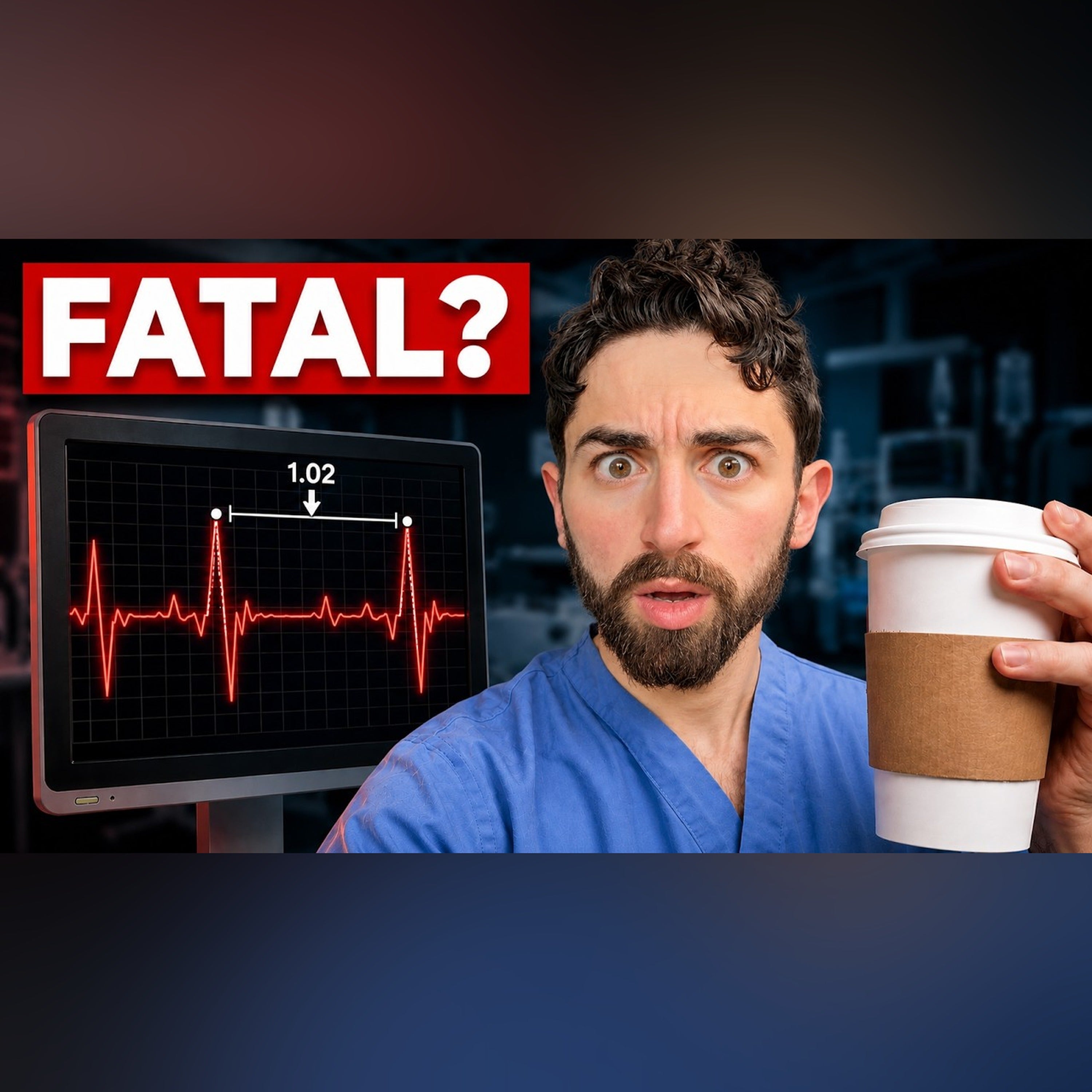
For a written breakdown, early access to content like this, and extra nuances, see the associated StayCurious Metabolism newsletter: https://staycuriousmetabolism.substack.com/p/why-you-need-to-track-your-heart?r=40ekz2 If you want to try the omega supplement I use, Accentrate Omega Max, here’s the link: https://www.fenixhealthscience.com/staycurious Heart rate variability (HRV) is more than just a number, it’s a real-time window into how well your brain, heart, and nervous system are working together. In this video, we break down what HRV actually measures, why it’s such a powerful predictor of mortality and heart attack risk, and how it reflects something deeper: your body’s ability to adapt, recover, and respond to stress. We walk through landmark studies showing that low HRV is associated with significantly higher risk of death and first cardiac events—even after controlling for traditional risk factors. But this isn’t just about risk. HRV is something you can measure today and act
Get the 200+ Page Optimal Living Daily Workbook (PDF) - Free. Want to turn today's episode into an actionable plan? Episode 4233: Kate Galliett explains three reasons we make health, fitness and life harder than they need to be: ignoring how the body works as a connected system, trusting only extreme intensity, and leaking the energy that fuels motivation and discipline. She makes the case that appropriate effort, not maximum effort, is the only sustainable path to lasting results. Read along with the original article(s) here: https://fitforreallife.substack.com/p/why-you-make-everything-harder-than Quotes to ponder: "The better way is to give appropriate effort and get appropriate results. This is the only sustainable way." "If you try and live at the extremes, you will constantly ping-pong back and forth from one extreme to the other." "Just imagine - you might not actually lack discipline after all, you just might be leaking energy that feeds your ability to be disciplined." We spen
Is your body weight stable, but you're still not eating enough to properly fuel your training, recovery, and overall health? Introducing Why Stable Weight Doesn't Always Mean You're Eating Enough from Jeff Hoehn of the Mind Muscle Connection Podcast (https://www.buzzsprout.com/1508401). Just because your weight isn't changing doesn't necessarily mean you're adequately fueled. In this episode, Jeff breaks down why maintaining a stable body weight doesn't always mean you're meeting your body's energy needs, especially if you're training hard, staying lean, or spending long periods dieting. You'll learn: Why stable body weight doesn't automatically mean adequate energy availability Who is most at risk of underfueling, even when their weight isn't changing How high training output, staying too lean, and chronic dieting can contribute to low energy availability The potential signs of underfueling, including changes in performance, recovery, hormones, and menstrual health Why spending too lo
If you're training hard but feeling wiped, eating a restricted diet for your gut, or just never hungry after a tough workout, you might not be getting the protein you need. This episode breaks down how much you really need and how to get it without upsetting your gut. YOU'LL TAKEAWAY: Macronutrients and calories 101, and how restrictive diets throw off your balance How your body digests protein, and why it matters before workouts The many roles of protein, from enzymes and iron storage to post-workout appetite How much protein you need, plus 3 easy low FODMAP ways to boost it — RESOURCES & LINKS MENTIONED: ⤵️ Want high touch coaching support for IBS & fuelling performance? Apply for coaching. (http://gutfitnutrition.com/apply) Free Training: How to Control IBS So You Can Fuel Your Training Without a Lifelong Low FODMAP Diet (https://gutfitnutrition.com/heal-ibs-training-live) Supporting your immune system when you're sick (Ep. 70) (https://open.spotify.com/episode/5bCto0jWLcbC5hQW4hrH6
She doesn't know she's dying. -------------- The Workbook: https://on.bozmd.com/BozWorkbook --------------------- Thanks for checking out the Dr. Boz Channel. See links below resources and recommendations. Tune in Tuesday nights, 4PM Eastern/3PM Central to watch me Live! We improve health - One ketone at a time. --------------------- FREE STUFF 50 Keto Fat-Facts: http://on.bozmd.com/50fat Dr. Boz Ratio Spreadsheet: http://on.bozmd.com/DBR Documentary Playlist: https://on.bozmd.com/AT --------------------- Dr. Boz’s Online Courses: Consistently Keto: http://on.bozmd.com/CK BRAINS: https://on.bozmd.com/BrainsT2R --------------------- WAYS TO SUPPORT THIS CHANNEL: Share Dr. Boz content with people you love. Everyone wins when you share. Buy Dr. Boz Products: Dr. Boz Food Guide: http://on.bozmd.com/FoodGuide Walmart: https://on.bozmd.com/WalmartKetoMap Amazon: https://on.bozmd.com/AmazonAttKetoMap Beginners love this! Dr. Boz K2+D3: https://on.bozmd.com/K2D3 Walmart: https://on.bozmd.com/W
Get A Demo: https://korr.com/contact/video-demo/ “I have a bad knee.” “My back has never been the same since the accident.” In this episode of Metabolic Mastery, hosts Dr. Marc Humbert and Dr. Cameron Garber explain why your body doesn’t actually remember that old injury the way your brain does. They cover how tissues heal and adapt, how bracing and avoidance can reset your brain’s sense of “safe,” and why pain is an alarm system, not always a measure of tissue damage. They also explain the load vs. capacity framework and show how metabolic testing, strength testing, and smart zone 2 training help you rebuild what you can do, without blaming the activity. You Will Learn: Why most injured tissues heal within weeks, and why lingering pain often comes from disuse and avoidance rather than the original injury How your body communicates through electrical, chemical, and mechanical signals, and how those signals drive adaptation at any age Why bracing or slinging a joint can reset your brain
Most fitness advice was written for the “average body,” and nobody is average from head to toe. In this episode of Metabolic Mastery, hosts Dr. Marc Humbert and Dr. Cameron Garber sit down with Michael Kamalu, founder of Dr. Gains, to explain why generic workouts fail and what truly personalized training looks like. Michael shares his path from a skinny eighth-grade basketball player with a string of injuries to Mayo Clinic Medical School, and how that led him to build tools and a facility around one idea: your training should match your anatomy, your metabolism, your goals, and your constraints. They cover how body proportions and even the number of lumbar vertebrae change how you should lift, why the “best” recovery tool depends on your goal, and how diagnostics like metabolic testing can feed a plan built for you. They also get into blood flow restriction training, rotational loading, and why muscles grow unevenly. You Will Learn: Why generic fitness advice is written for the “avera
Courts should protect careful consideration even when this slows case processing.
Share your view, then see how readers voted. No sign-in required. This poll is shared across stories.
Do you agree or disagree?
Common Quandary
A Common Quandary to discuss
Another conversation to explore, separate from this news story.
An outsider becomes famous cooking another culture's food. Appreciation or taking over?
A chef becomes known for food from a culture outside their own after years of study with respected cooks. The restaurant is successful, while small businesses run by people from that culture struggle for attention.
When does appreciation become taking opportunity from the people who created a tradition?