Episode 382: How to set habits you'll actually keep
35 min
Listen through the publisher, then discuss the episode here or arrange an in-person Roundtable. Your city determines where to meet.
Roundtables are designed for groups of four, with a shared subject and room for everyone to speak. Come for discussion, with no dating expectation.
As the podcast starts to draw to a close, I wanted to make sure we spend our final episodes answering the questions I am asked most regularly. This week: how to set habits you'll actually keep. CONTACT SOPHIE: Coaching - Find out more (https://sophiecliff.com/coaching) Instagram - @sophiecliff (https://www.instagram.com/sophiecliff/) Email - [email protected]
Episode information is provided by the publisher. Listening takes place on the publisher’s service.
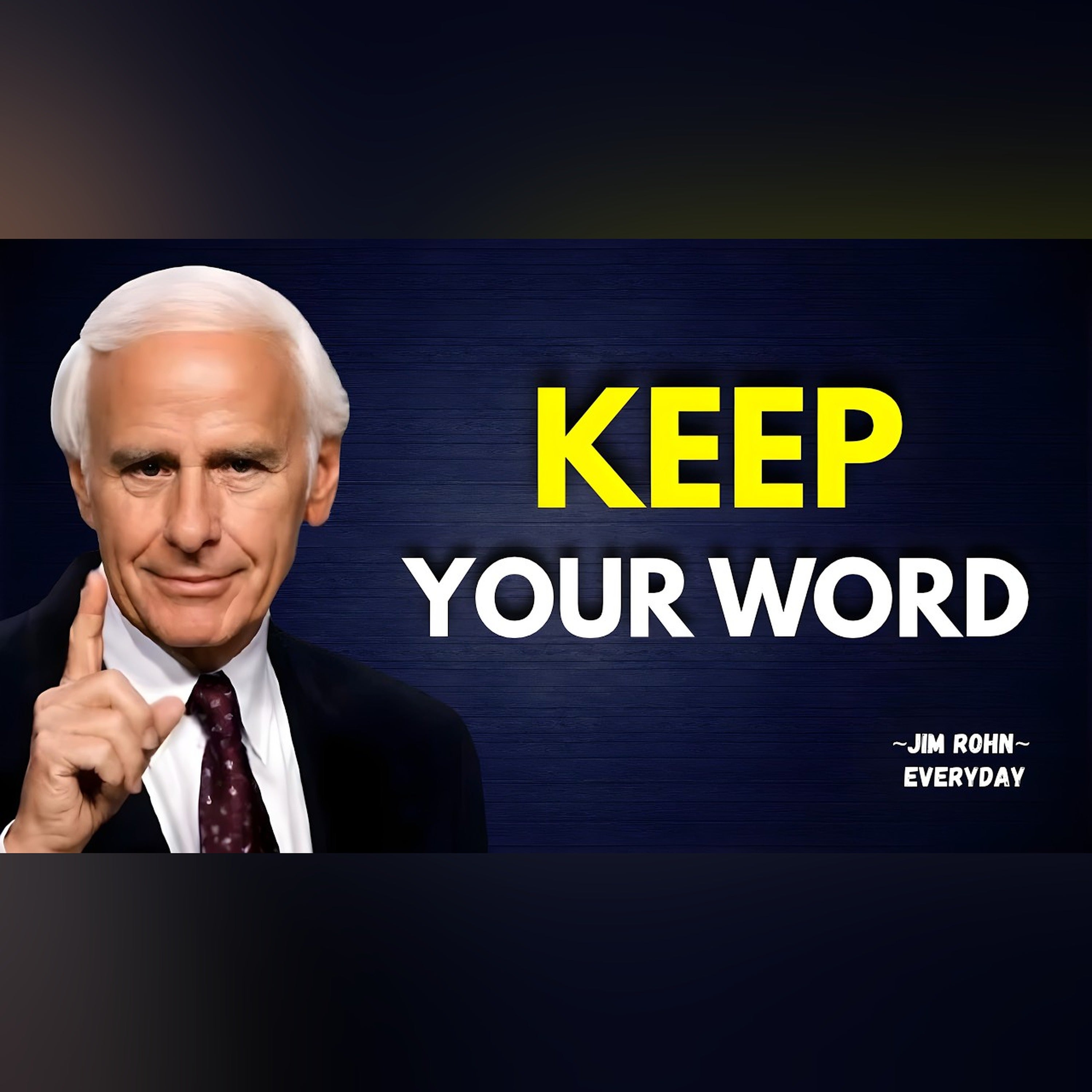
# Keep Your Promises To Yourself — This Will Change Your Life | Jim Rohn Motivation Every time you promise yourself something and fail to follow through, you make it harder to trust your own decisions. But when you start keeping your word to yourself, something important begins to change. Uploaded 13-10-26 In this powerful motivational video inspired by Jim Rohn, you’ll discover why keeping your personal promises is one of the most important habits for building self-discipline, confidence, and lasting success. You may promise yourself that you will wake up earlier, exercise regularly, save money, stop wasting time, or finally work toward your goals. But what happens when nobody is watching and nobody is reminding you? Your choices in those moments can shape how much you trust yourself. Jim Rohn teaches that personal growth begins with responsibility and consistent action. When you stop making promises you do not intend to keep, set realistic commitments, and follow through even when yo
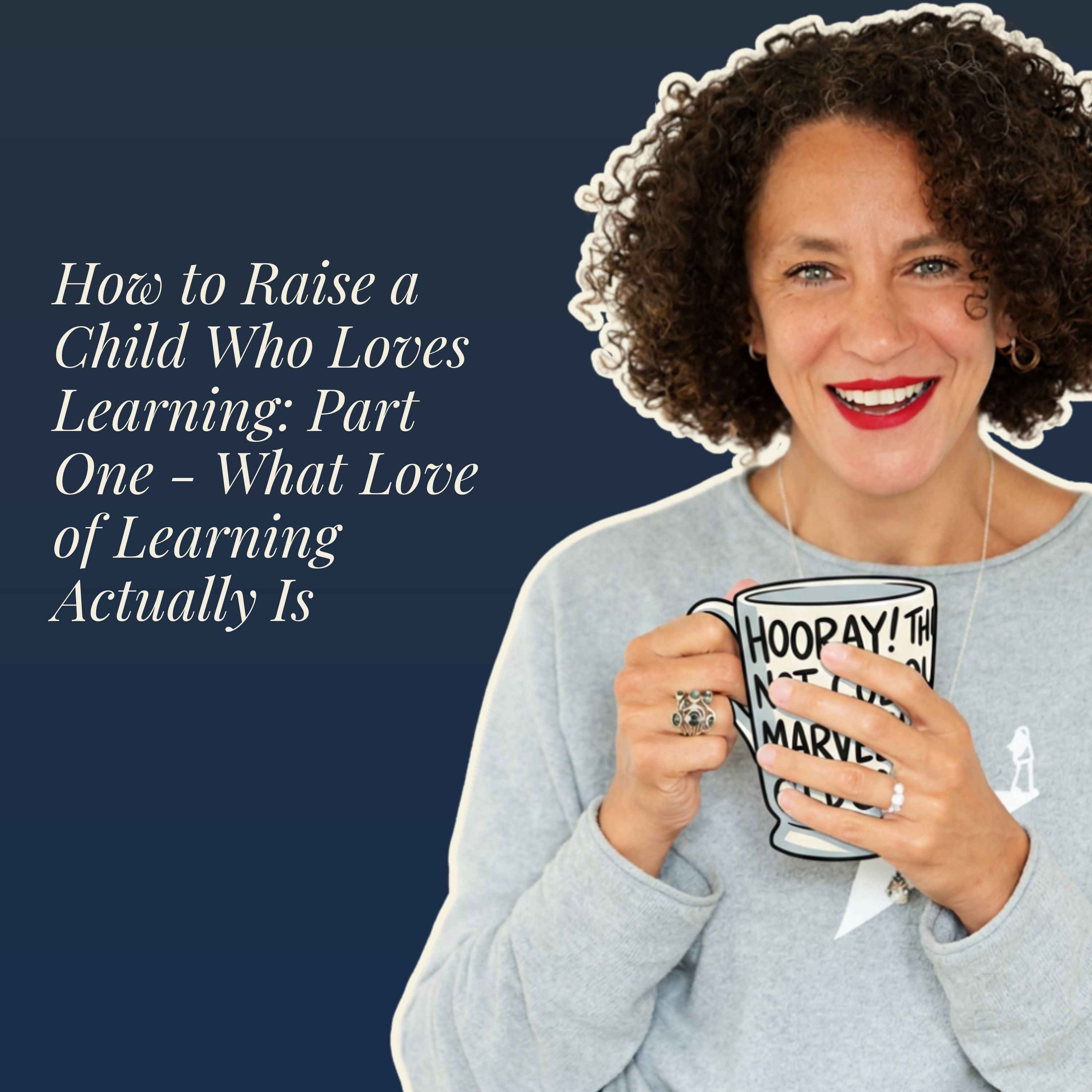
What if your child already loves learning... and you’re just looking for it in the wrong place? This week, I’m exploring one of the questions I get asked more than almost any other: “My child used to be so curious. What happened?” In today’s episode, I challenge one of the biggest myths in modern parenting: that a love of learning looks like a child happily reading, sitting at a desk, completing homework without complaint, and engaging enthusiastically with educational activities. I explain what the research actually tells us and walk you through the psychology of curiosity, the science of intrinsic motivation, why children become obsessed with Minecraft, dinosaurs, trains, or random facts, and why those interests may be far more important than they appear. I also unpack why children seem to have a built‑in radar for anything that feels educational, why homework battles happen so often, and what the evidence really says about homework in the primary years. If you've ever worried that y
Dig into the seasoning known as MSG, and find out how this flavoring was developed and if it’s actually bad for your health. Uploaded 02-09-21 -- In 1968, Dr. Robert Ho Man Kwok felt ill after dinner at a Chinese restaurant and wrote a letter to a medical journal connecting his symptoms to MSG. His letter would change the world’s relationship with MSG, inspiring international panic, biased science, and sensationalist journalism for the next 40 years. So what is this seasoning, and is it actually bad for you? Sarah E. Tracy investigates. Lesson by Sarah E. Tracy, directed by Alopra Studio. Support Our Non-Profit Mission ---------------------------------------------- Support us on Patreon: http://bit.ly/TEDEdPatreon Check out our merch: http://bit.ly/TEDEDShop ---------------------------------------------- Connect With Us ---------------------------------------------- Sign up for our newsletter: http://bit.ly/TEDEdNewsletter Find us on Twitter: http://bit.ly/TEDEdTwitter Peep us on Insta
Age doesn't mean decline. Believing it does could cost you seven and a half years. Gina sits down with Lyndsey Simpson, CEO of 55/Redefined and author of The Age Rebellion: Supercharge the Second Half of Your Life, to tear up the old script: work hard, retire, fade out. Lyndsey explains the Yale research on how negative thoughts about aging shorten your life. When you tell yourself you can't do something at your age, "your brain believes you and restricts your body." She also explains why stopping work all at once may be one of the worst things you can do for your health. Lyndsey also shares everyday learning habits that keep your brain sharp as you age. Your age isn't a countdown. It's a level, and you're still unlocking new ones. Where to Find Lyndsey: Instagram: https://www.instagram.com/simpson.lyndsey Her book - The Age Rebellion: Supercharge The Second Half Of Your Life: https://www.the-age-rebellion.com/ This podcast aligns with Day 73 of our Fall Program, members can find video
Remove your personal information from the web at https://joindeleteme.com/SPACETIME The vacuum of space is a chaotic sea of quantum fluctuations. Some have said that this vacuum energy can be harvested to build our future starship engines, or manipulated to build warp drives. It can't. But it is technically possible to move real energy through the quantum vacuum without it passing through intervening space. Quantum energy teleportation may be as close as we get to transporter beams. But how close is that? Sign Up on Patreon to get access to the Space Time Discord! Check out the Space Time Merch Store Sign up for the mailing list to get episode notifications and hear special announcements! Search the Entire Space Time Library Here: https://search.pbsspacetime.com/ Hosted by Matt O'Dowd Written by Christopher Pollack & Matt O'Dowd Post Production by Leonardo Scholzer, Yago Ballarini & Stephanie Faria Directed by Andrew Kornhaber Associate Producer: Bahar Gholipour Executive Producer: And
When's the last time you asked yourself, who am I? Not the roles. Not the labels. Not the voice that says I'm not good enough or I don't even know who I am anymore. The real you. In this powerful opening from the She's Unstoppable Summit, Sage Robbins leads a deeply moving closed-eye experience, first naming the thoughts so many of us carry silently inside (I'm too much. I'm not enough. I'm all alone in this.) and then doing something extraordinary: reminding you of the truth of who you actually are. Uploaded 05-04-26 You are love. You are fierce. You are wild, wise, and a co-creator of this life. Sage shares vulnerably from her own journey, growing up in a blended family, navigating loss, miscarriage after miscarriage, and a moment where she feared losing Tony and how all of it, every painful and beautiful thread, shaped who she is today. This is not a motivational speech. This is a remembering. In this video: - A guided closed-eye practice to reconnect to your true identity - Why the
As the podcast starts to draw to a close, I wanted to make sure we spend our final episodes answering the questions I am asked most regularly. First up: how can we slow time down? CONTACT SOPHIE: Coaching - Find out more (https://sophiecliff.com/coaching) Instagram - @sophiecliff (https://www.instagram.com/sophiecliff/) Email - [email protected]
This week marks two milestones for me - it's my business birthday and my actual birthday! As my business is turning 7 and I'm turning 37, I thought I'd share 7 things I've learned in the last 12 months. Hope it's useful! Plus, doors to the More Great Days Club are OPEN! CONTACT SOPHIE: Coaching - Find out more (https://sophiecliff.com/coaching) Instagram - @sophiecliff (https://www.instagram.com/sophiecliff/) Email - [email protected]
Similar work should receive similar pay despite differences in workers' bargaining power.
Share your view, then see how readers voted. No sign-in required. This poll is shared across stories.
Do you agree or disagree?
Common Quandary
A Common Quandary to discuss
Another conversation to explore, separate from this news story.
You inherit a fortune made in ways you despise. Can you keep it?
You inherit a substantial sum from a relative who accumulated it through practices you consider exploitative. Keeping it would improve your family's security; donating it could support people harmed by similar practices.
Can ownership be morally clean when its history is not?